
As teenagers, we were blown away when first visiting the Deutsches, the world’s largest museum of science and technology.
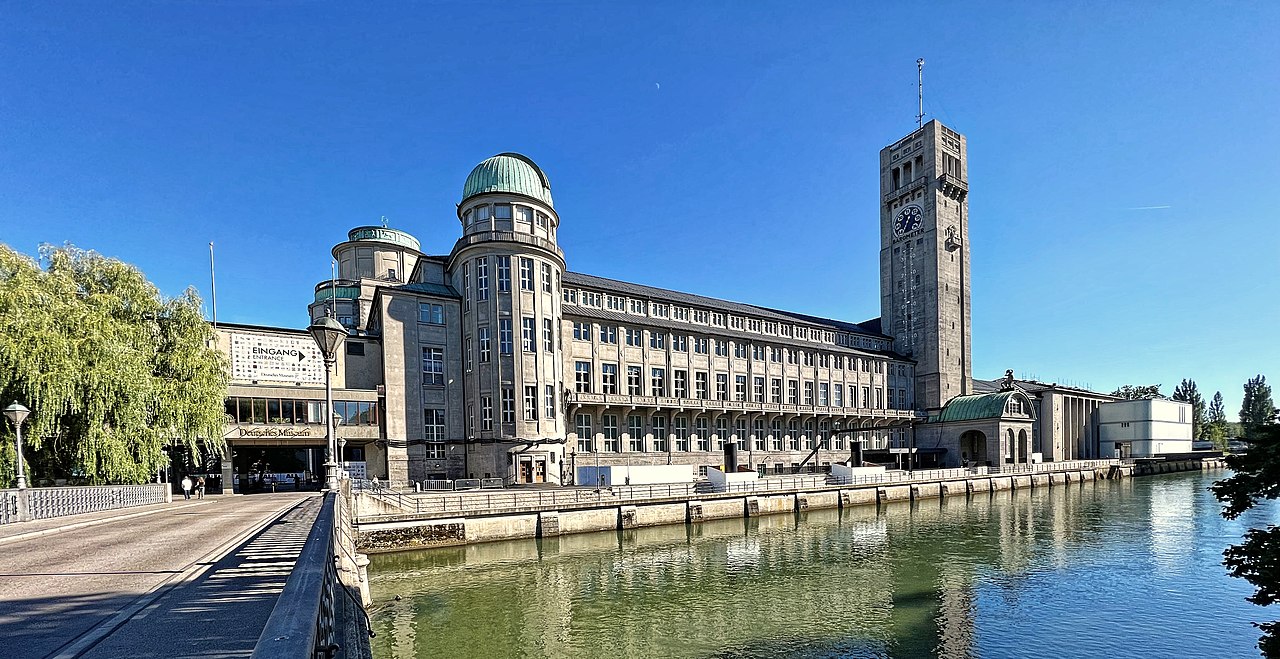
I’m talking about the main museum founded 1903. There are two more branches , one in Bonn, and one in Nuremberg.
There is a huge line-up for entry so I bought my ticket online. No lineup for me.
It’s great for kids as there are so many hands-on exhibits.
50+ science subject areas.
Click PLAY or see the entire museum in 4 minutes on YouTube. Some impressive drone work.
IF the world ends, we could rebuild modern science from scratch IF we had everything in the Deutsches Museum. 😀
In 1976 we Canadian tourists were intrigued with the Foucault Pendulum. And it’s still there.
A demonstration of the Earth’s rotation.
Click PLAY or watch it on YouTube.
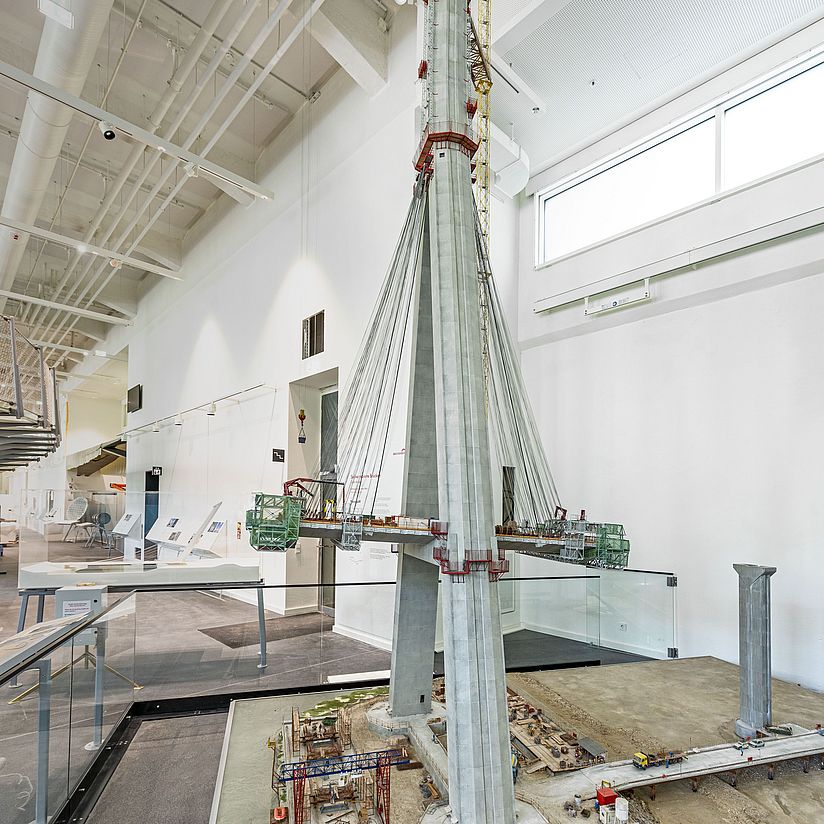
Bridge making is an art and science well covered in the Deutsches Museum.
I saw the very desk used by the Curies.
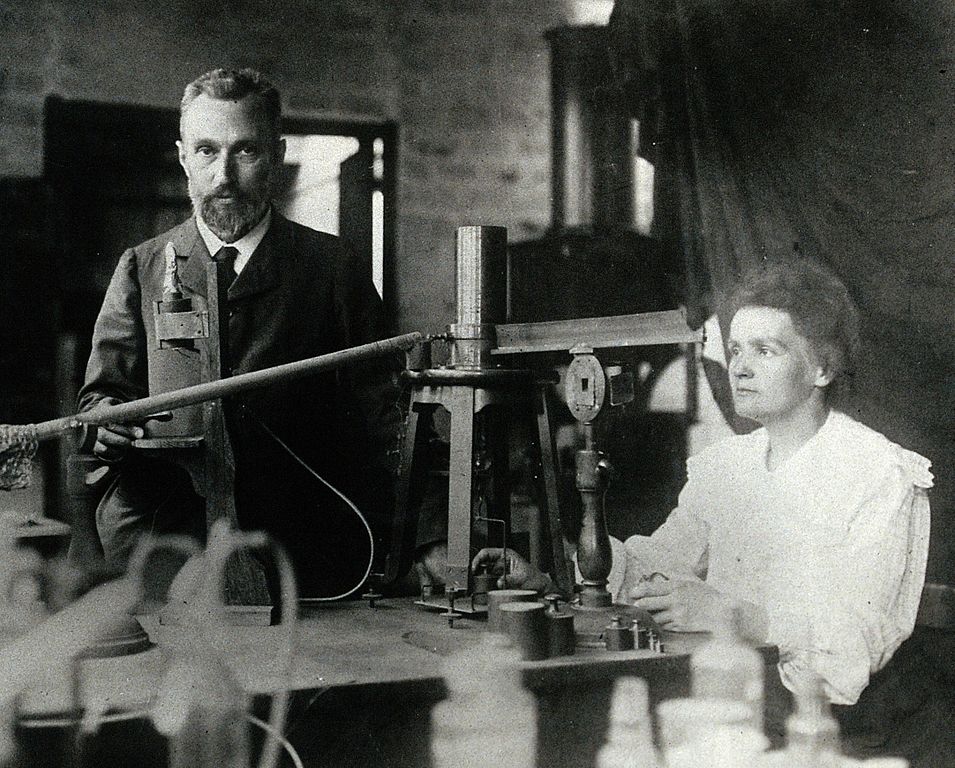
Maria Salomea Skłodowska-Curie, born in Poland, was the first woman to win a Nobel Prize, the first person to win a Nobel Prize twice, and the only person to win a Nobel Prize in two scientific fields. Her husband, Pierre Curie, was a co-winner of her first Nobel Prize, making them the first-ever married couple to win the Nobel Prize.
The Curies announced the existence of an element they named “polonium“, and of a second element, which they named “radium“, from the Latin word for “ray”. In the course of their research, they also coined the word “radioactivity“.
Marie died in 1934, aged 66, at the Sancellemoz sanatorium in Passy (Haute-Savoie), France, of aplastic anemia, likely from exposure to radiation in the course of her scientific research.
Pierre Curie died after being struck in the street by a horse-drawn vehicle.
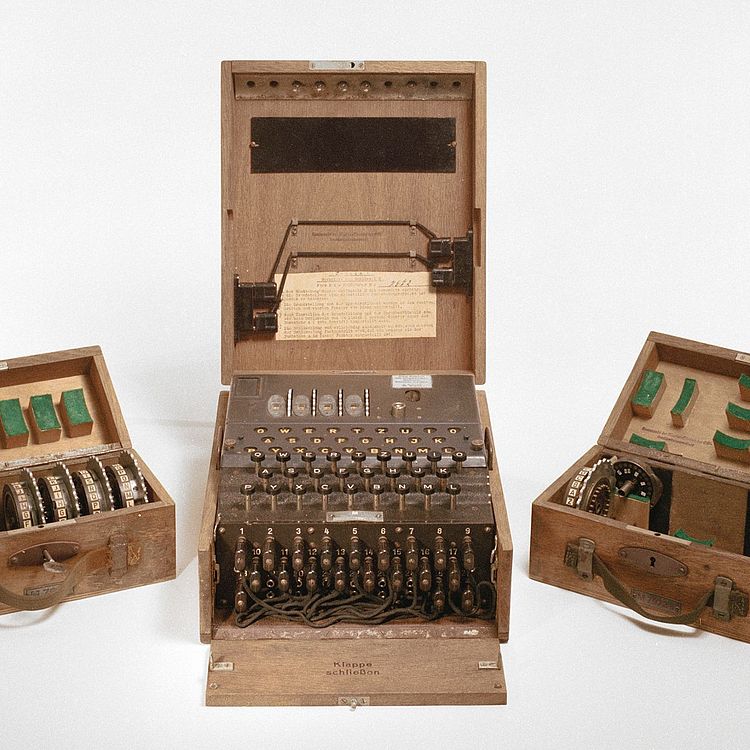
There’s a good section on the Enigma machine, employed extensively by Nazi Germany during World War II.
The Brits famously broke the Enigma machine code at Bletchley Park. Gordon Welchman, who became head of Hut 6 working on that project, admitted they wouldn’t have been successful without consulting cipher-breakers Poles who had cracked Enigma in 1932.
It would take hundreds of hours to look at all 28,000 exhibited objects in the Deutsches Museum.
I downloaded the app and took a “highlights tour” with audio. Recommended for the first time visitor to the museum.
 Rick McCharles