
Thought provoking.
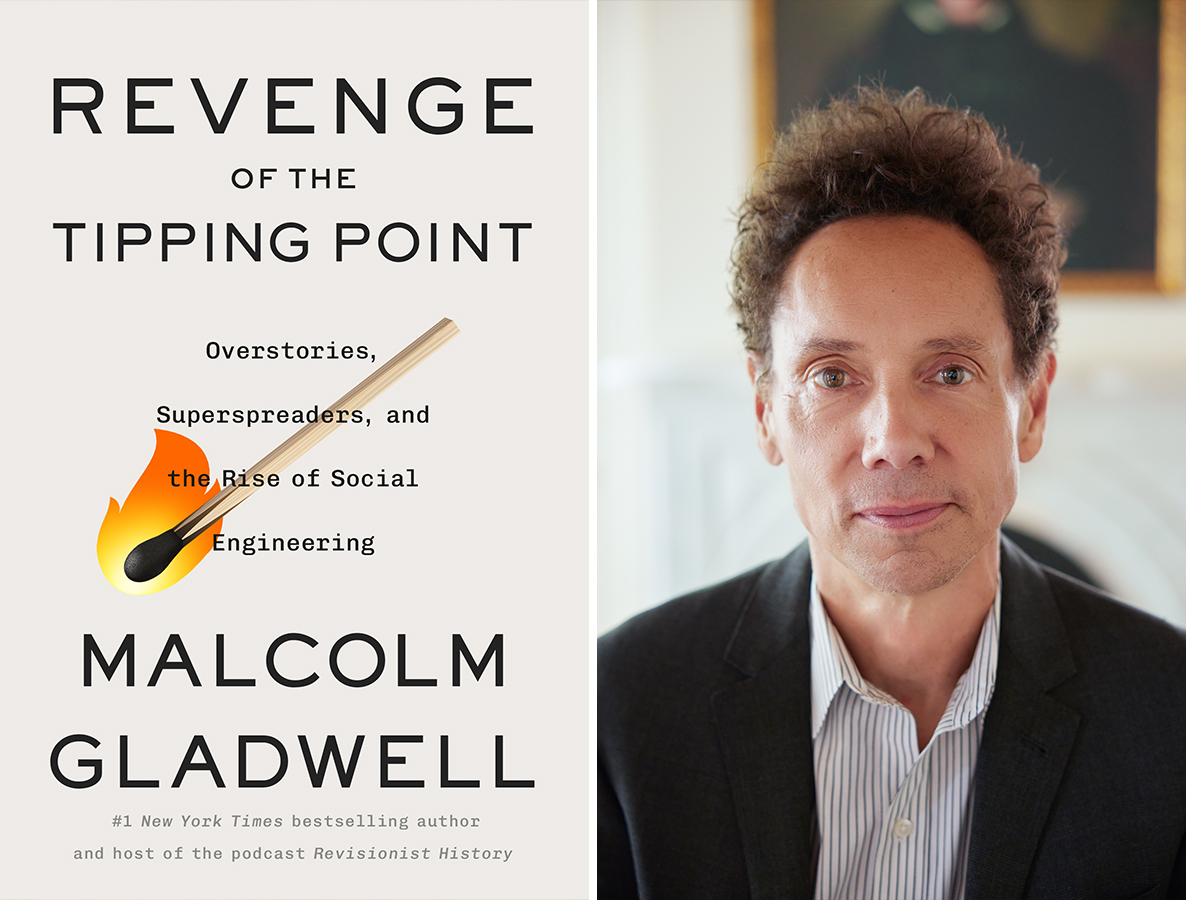
A darker, more cynical sequel to his groundbreaking 2000 debut, The Tipping Point.
While the original book focused optimistically on how positive trends or behaviors spread like viruses, this follow-up examines the deliberate manipulation of social epidemics and how the laws of contagion are engineered for self-serving or harmful purposes.
Core Themes & Concepts
- The Dark Side of Contagion: Rather than looking at how small adjustments can make the world better, Gladwell dives into negative “wildfires,” including the opioid epidemic, Covid-19 response, and Ivy League admissions gaming.
- Overstories: This central concept refers to the overarching cultural narratives, institutional rules, or systemic structures that dictate how individuals behave within an ecosystem, often acting as a hidden hand shaping epidemic outcomes.
- Social Engineering: Gladwell frames modern epidemic management not as accidental phenomena, but as intentional, top-down engineering where actors actively manipulate environments to cross a threshold.
Case studies include Covid, Ivy League Admissions, Los Angeles Bank Robberies.
 Rick McCharles