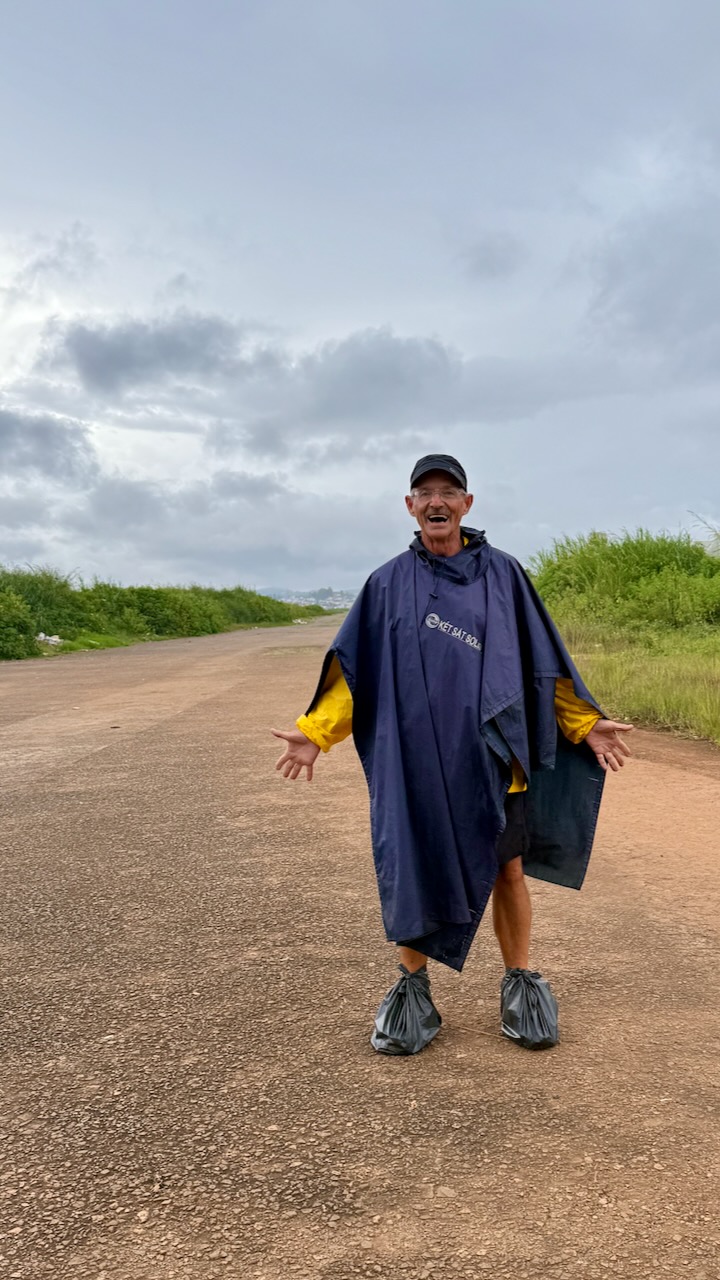
Reason enough to plan your holiday in ‘Nam. 😀

Vietnam is the 2nd largest producer in the world after Brazil. Second only to rice in value of agricultural products exported from Vietnam.
First introduced by the French in 1857, the Vietnamese coffee industry developed through the plantation system, becoming a major economic force in the country.
It’s a boom and bust crop, needless to say. And there are environmental and sociological concerns.
Starbucks opened its first store in Vietnam in 2013. Highlands Coffee is biggest of the chains.
Almost every little street kiosk makes good coffee, however. I’ve not been to Starbucks nor Highlands.
For me, most of the coffee is too strong.
Here my guide is drinking black tar. I’m having the same tar with sweetened condensed milk.
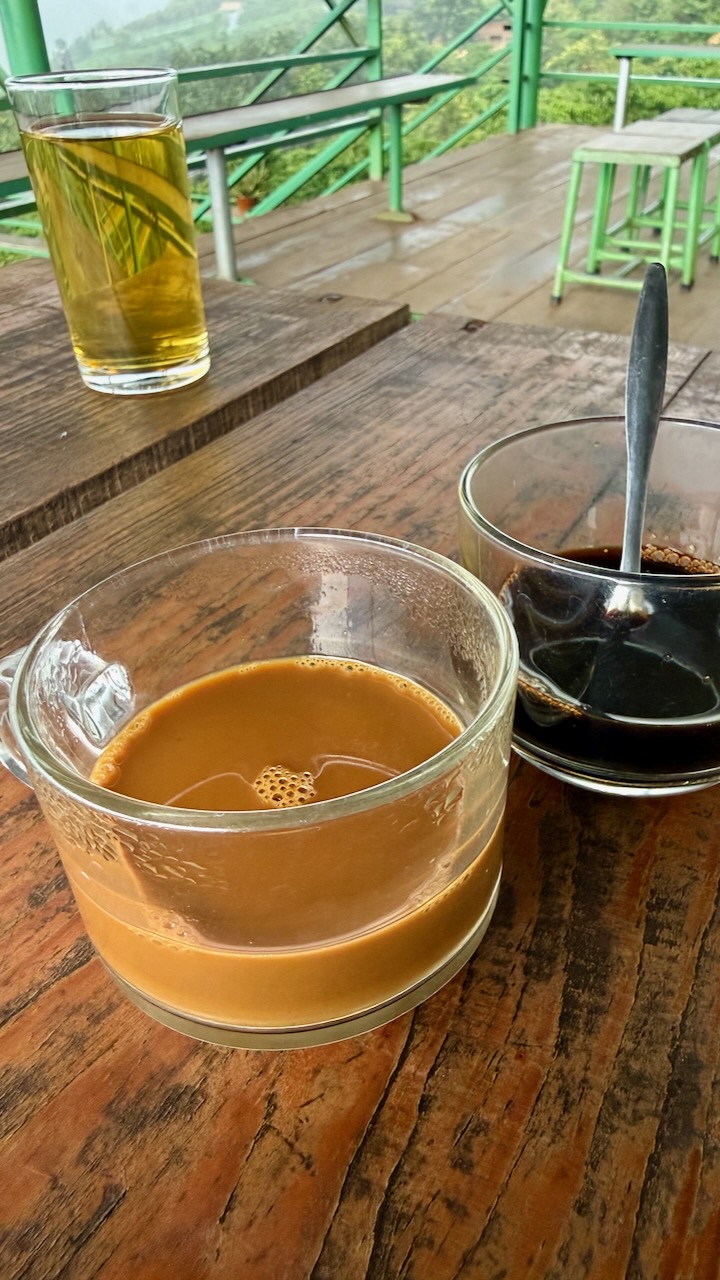
The use of sweetened condensed milk rather than fresh milk was first due to its availability and easier storage in a tropical climate.
Egg coffee is super popular, as well. Egg yolks with sugar and condensed milk rather than fresh milk.
Click PLAY or watch it on YouTube.
There are dozens of other alternatives available, hot or on ice. Coconut and Salted are great.
At the Me Linh Coffee Garden we toured the coffee plantation. AND visited the Asian palm civet enclosure.
Kopi luwak, also known as civet coffee, is a coffee that consists of partially digested coffee cherries, which have been eaten and defecated.
People for the Ethical Treatment of Animals (PETA) investigators call this animal cruelty.
The set-up for the animals at Me Linh Coffee Garden looked very good. BUT that’s what they want to show tourists.
I didn’t drink civet coffee.
In Vietnam they call it weasel coffee.
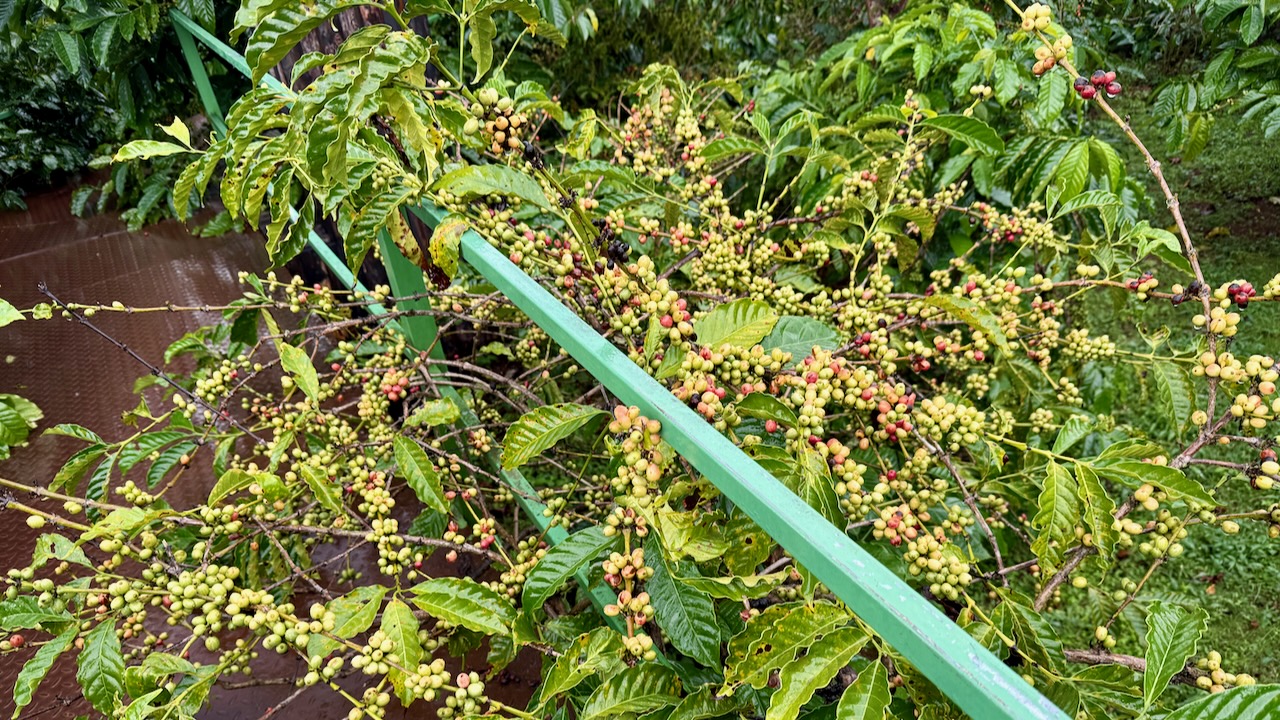
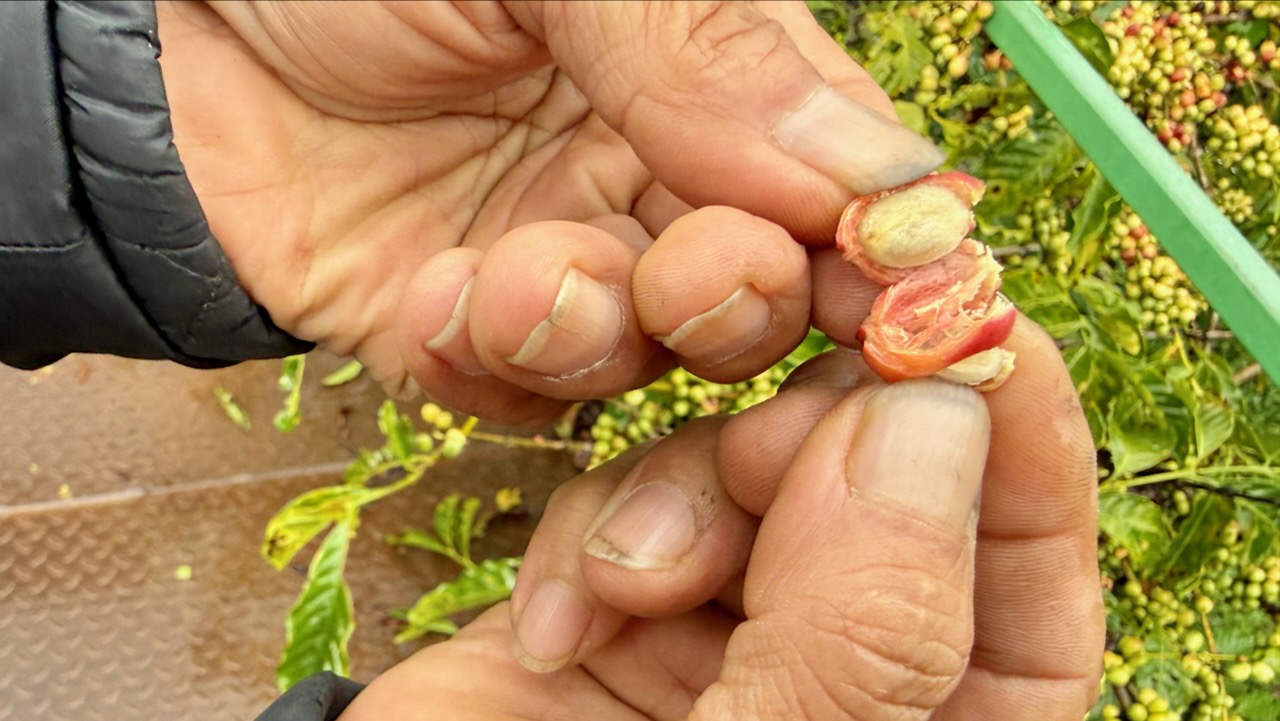
Here are coffee beans.
We drove away from the highland coffee tourist location via one of the abandoned U.S. airports from the American War.