After getting washed out hiking Skye, I fled to the capital of the Scottish Highlands ➙ Inverness.
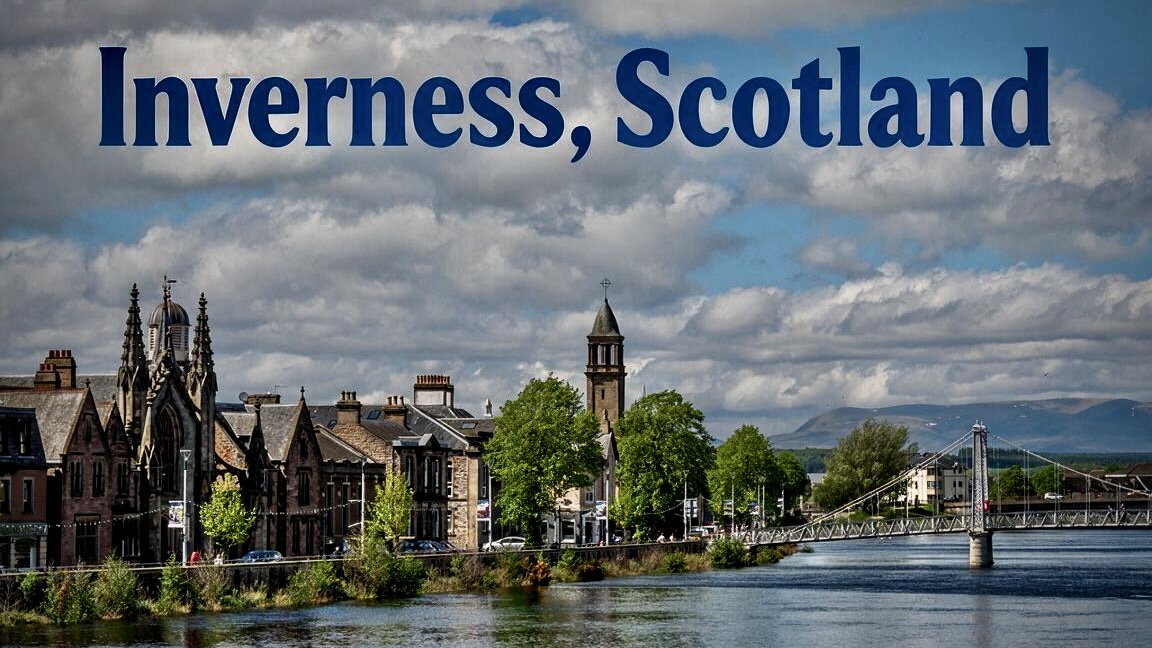
The tourist centre is small. I did two walking tours using the GPSmyCity app.
Inverness Castle
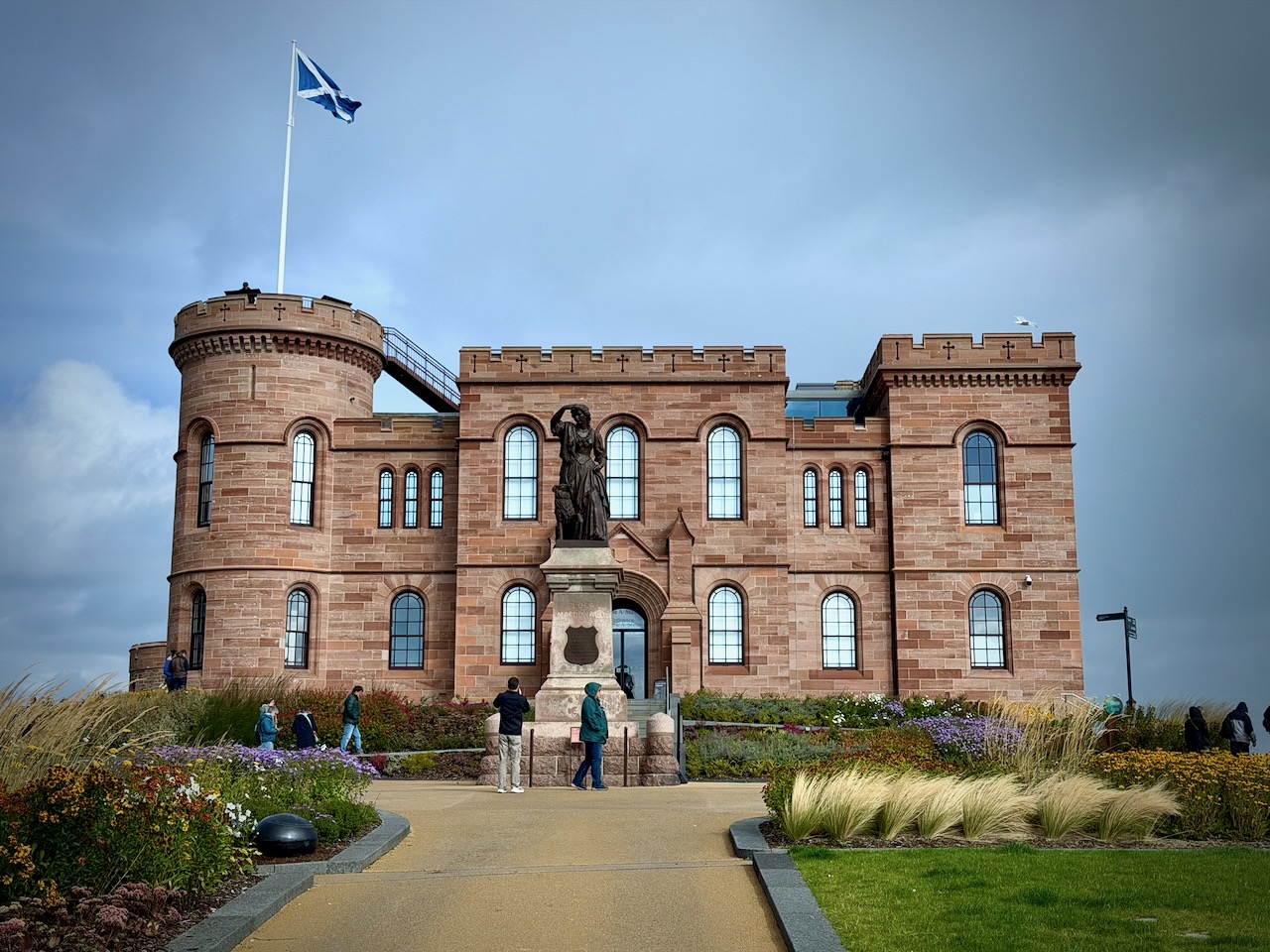
I stayed right beside Inverness Castle. Accommodation here is expensive in September. Highest I’ve paid in Europe so far in 2026.
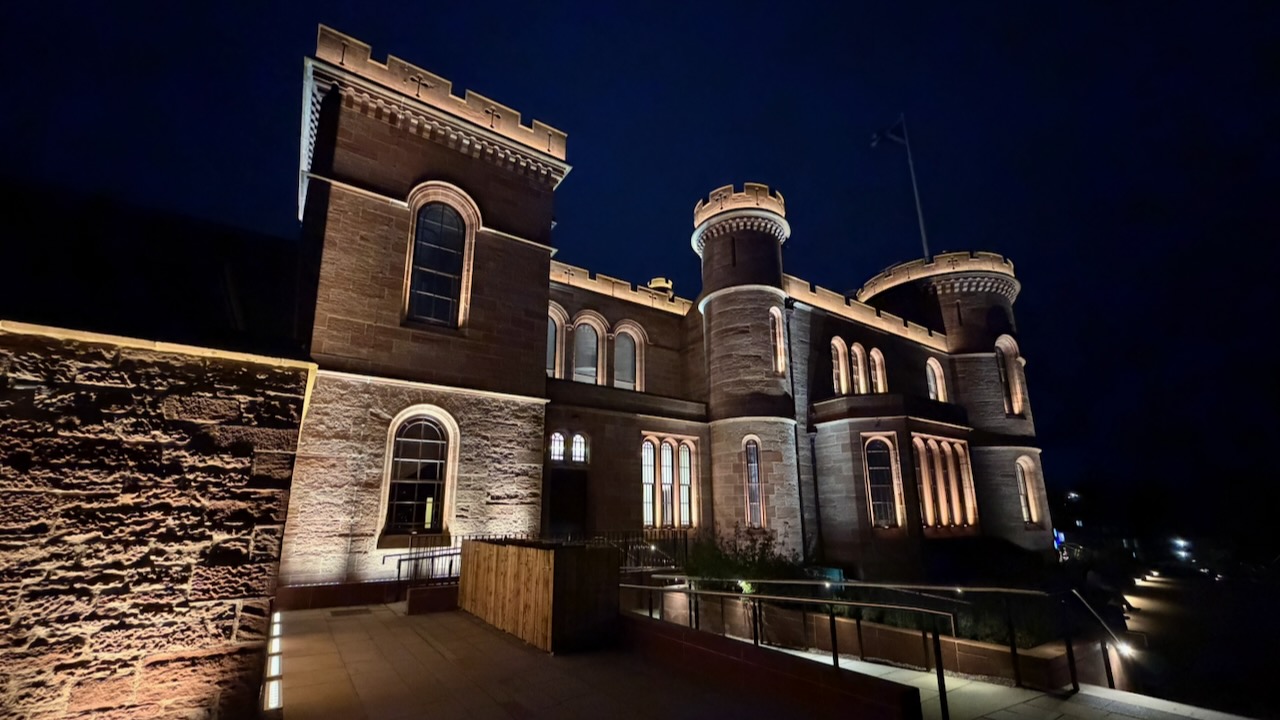
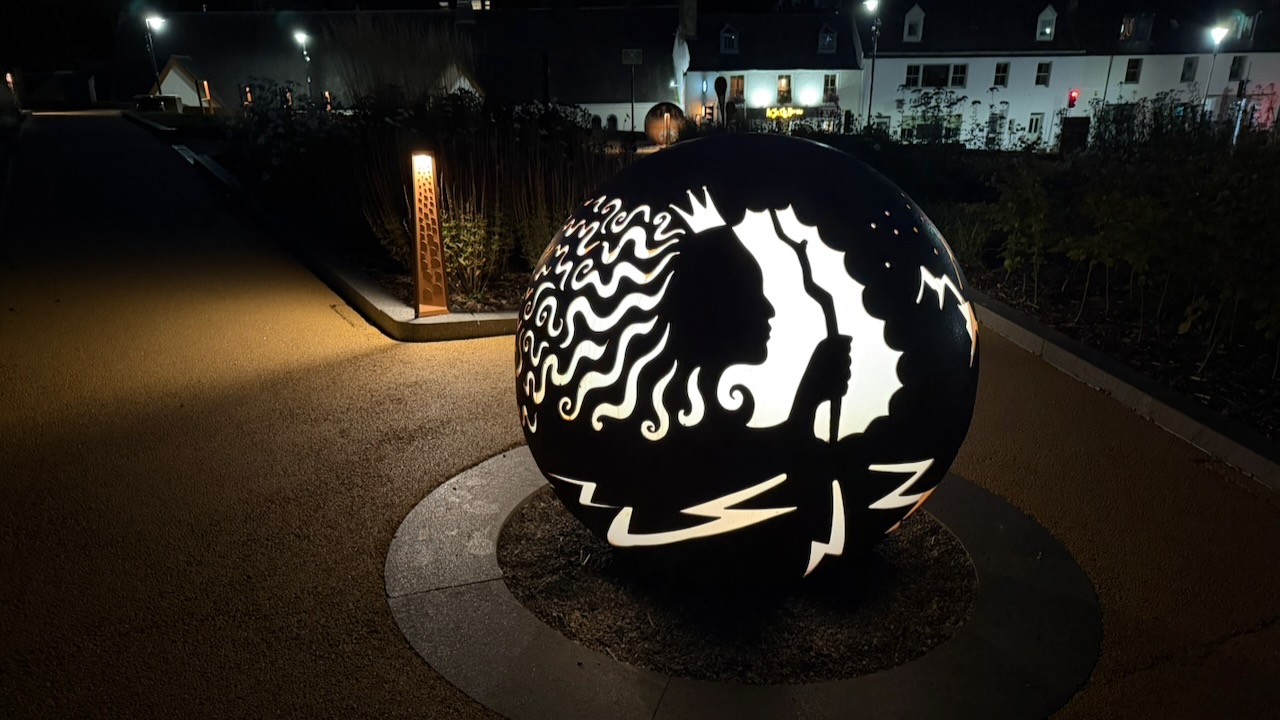
Night outside the castle was my favourite spot.
Inverness Cathedral
Just across the river is the impressive St. Andrew’s Cathedral.
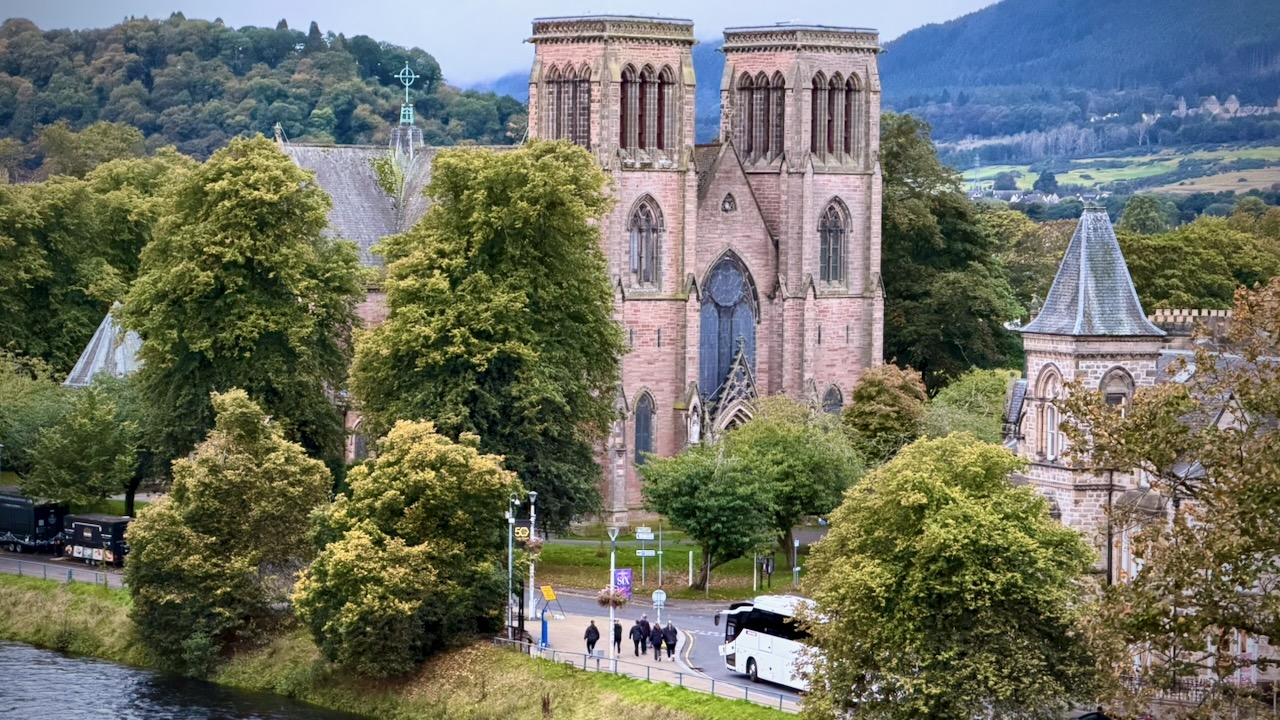
Ness Islands
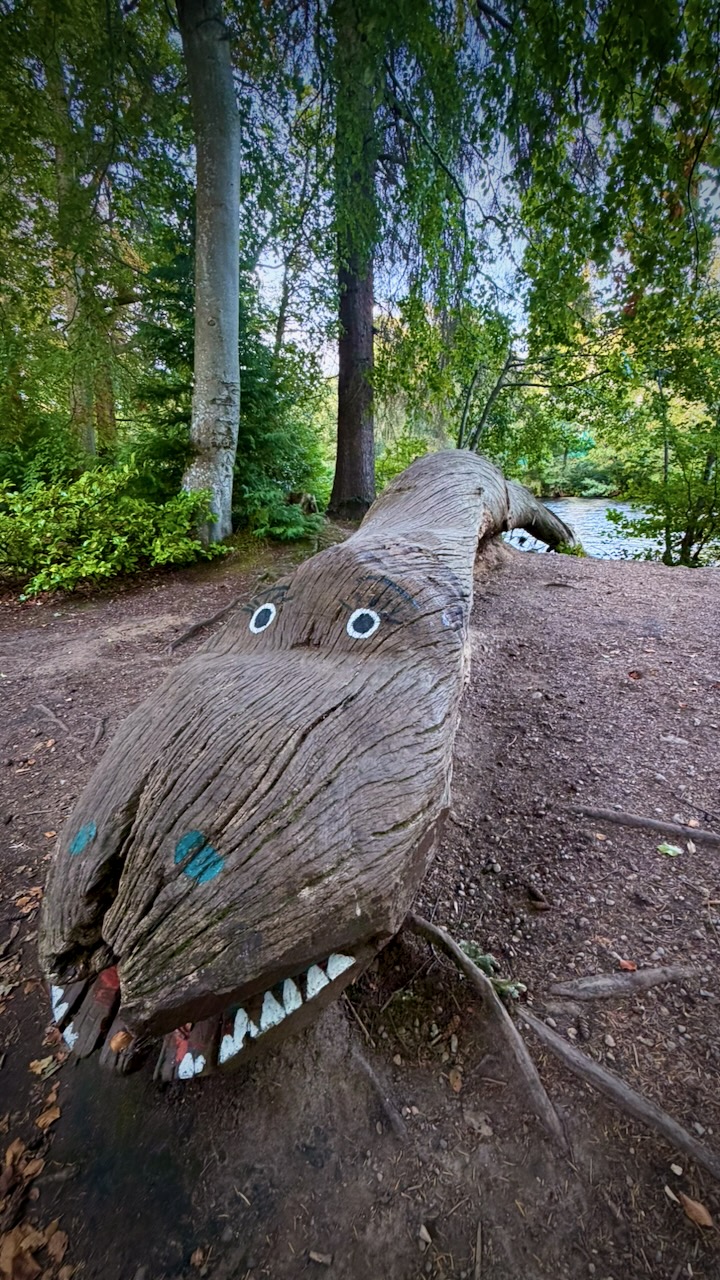
The best of the city walks is along the river to Ness Islands. Turns out this is where Nessie relaxes. 😀
Solid Stone & Metal
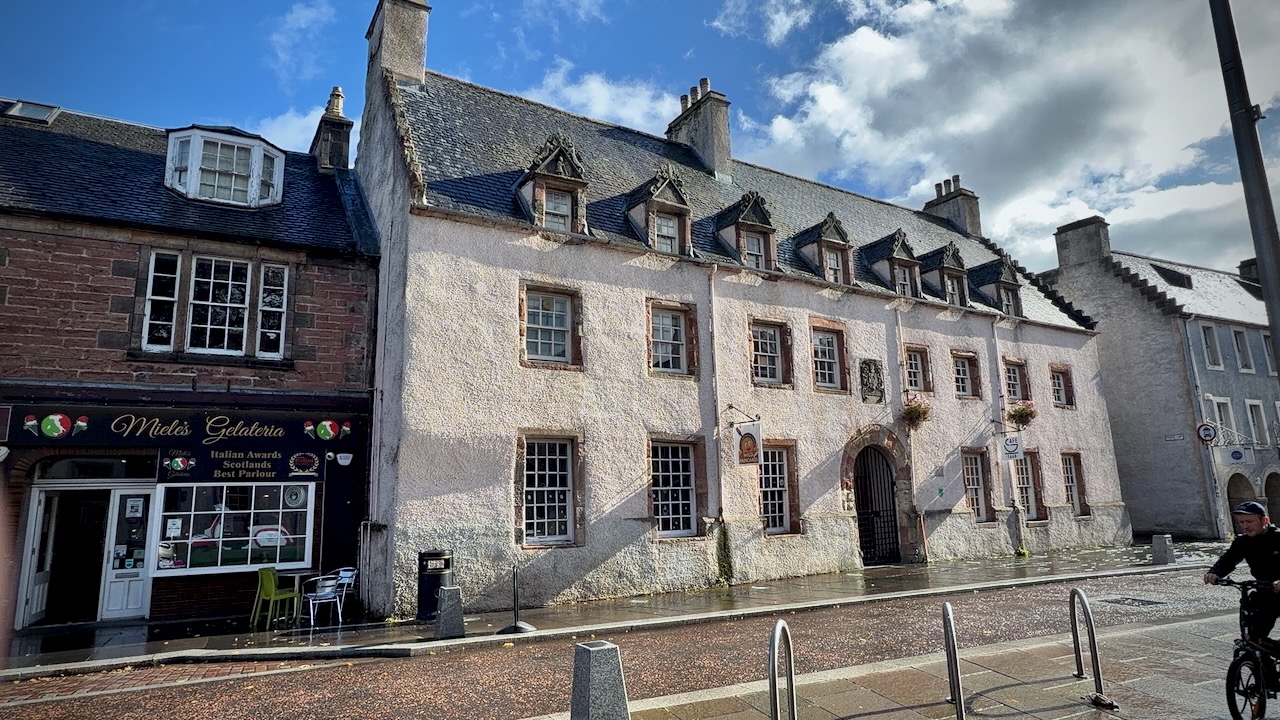
Because of the climate, enduring things in Scotland are made of thick stone and metal. Stolid Scots learned the hard way.
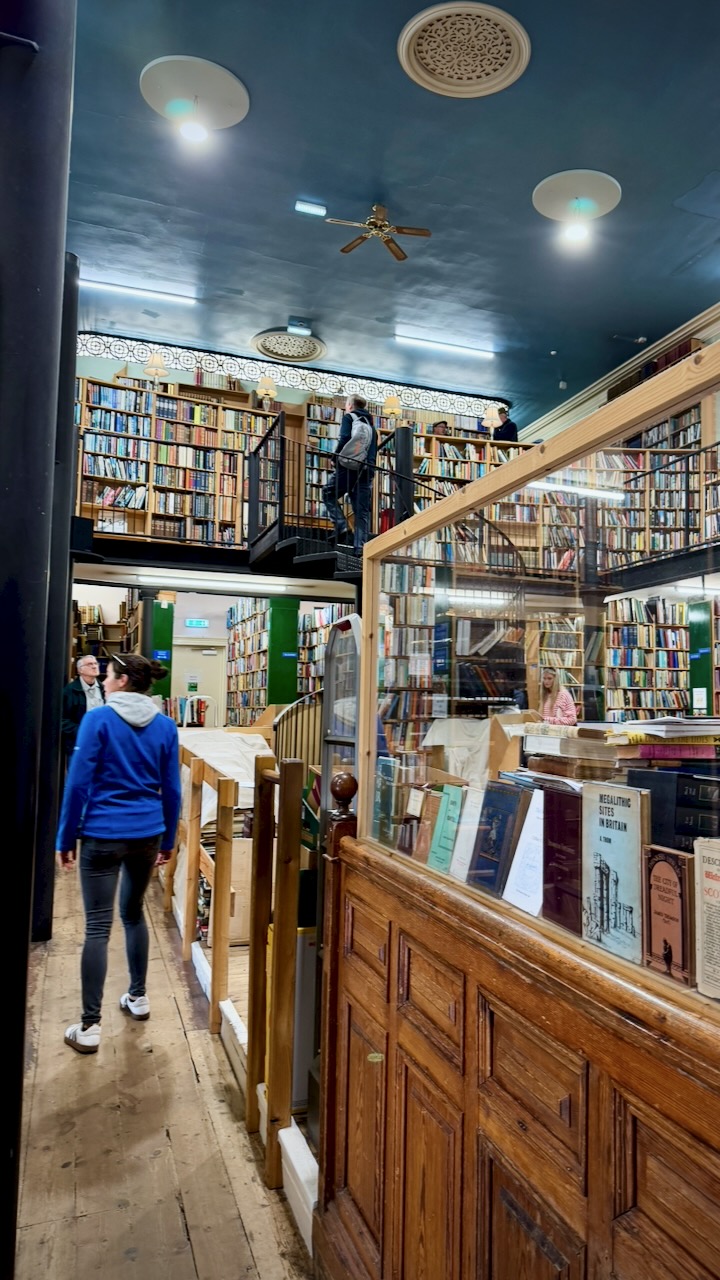
Leakey’s Bookshop
A highlight for me and many is Scotland’s largest second-hand bookshop. Family-owned and run since 1979.
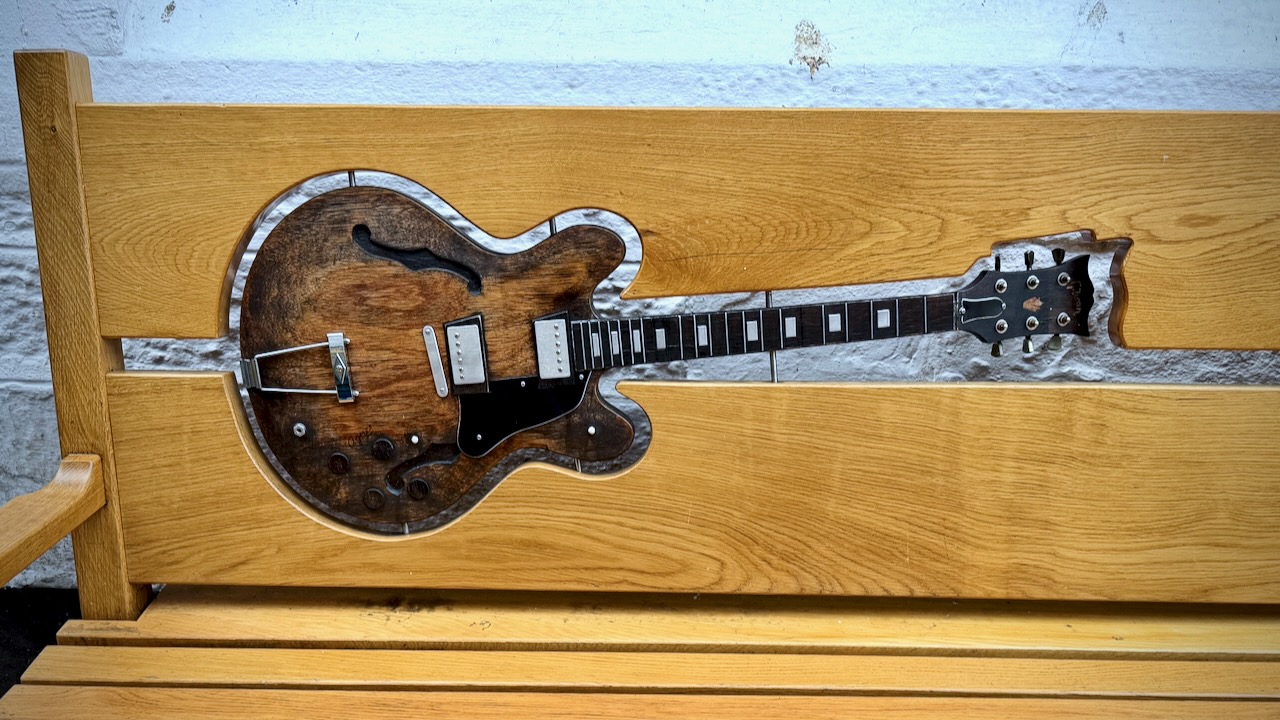
Beatles played Inverness as a back-up band 21 May, 1960.
Food
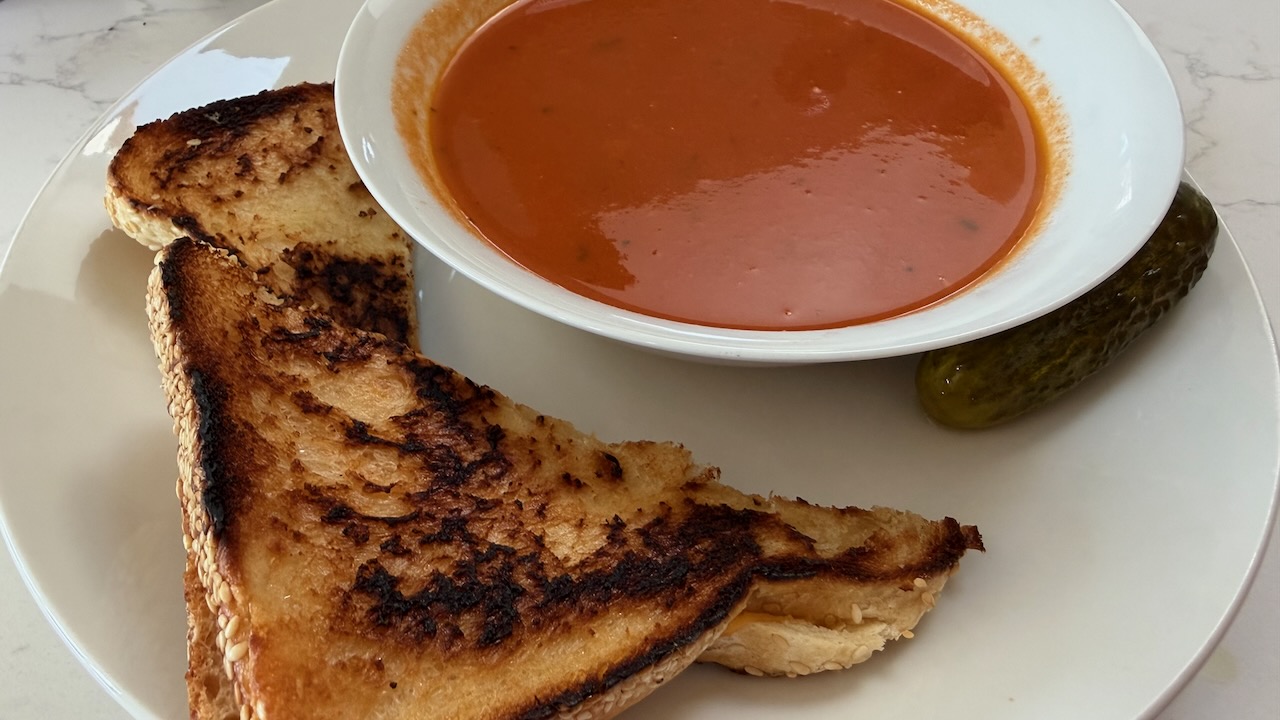
Most food in the U.K. is too expensive for me. 50 – 100% higher cost than the same dish in Canada.
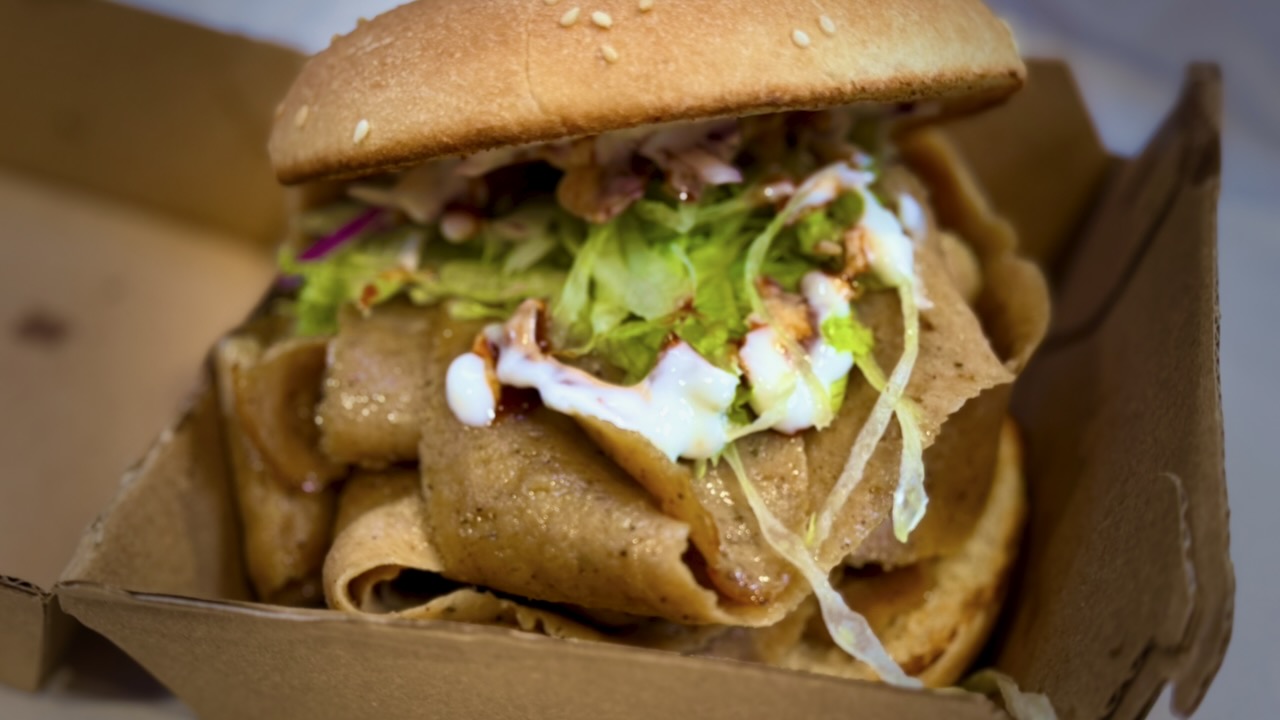
My go-to donairs are too expensive in 2026. Instead I ordered donair burgers at about half the price.
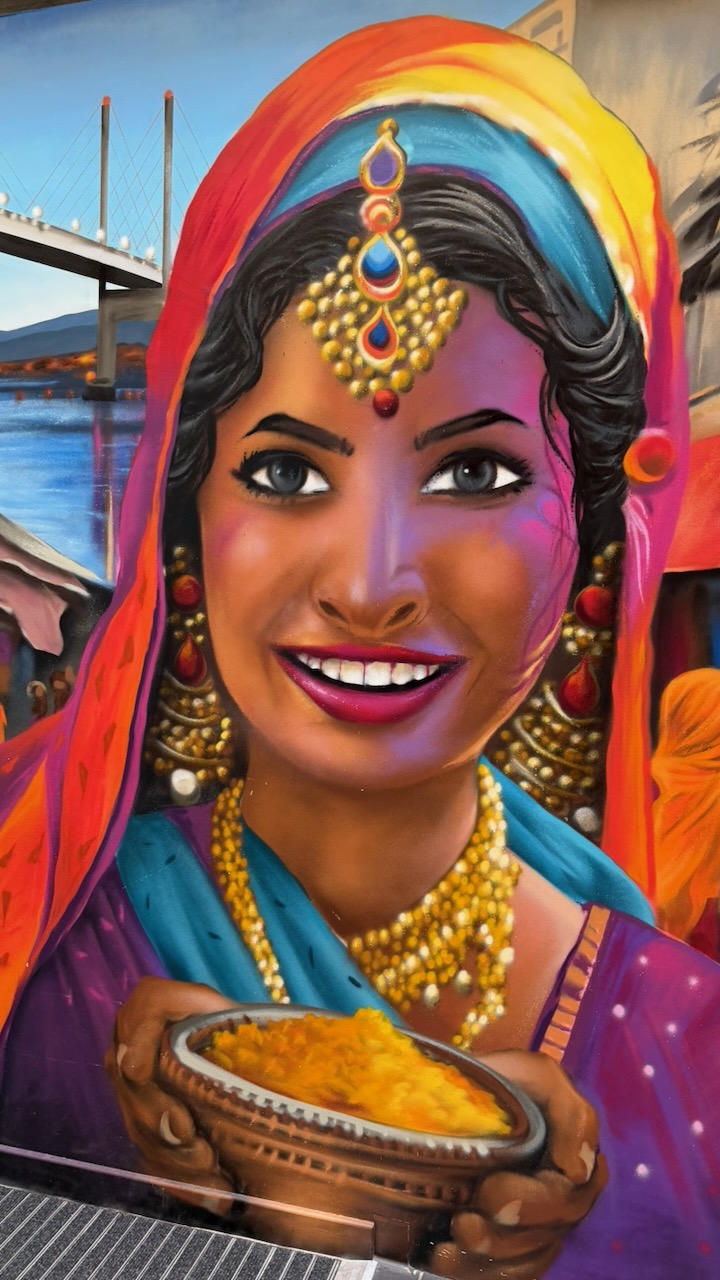
When I do spend money, it’s mostly for U.K. Indian food.
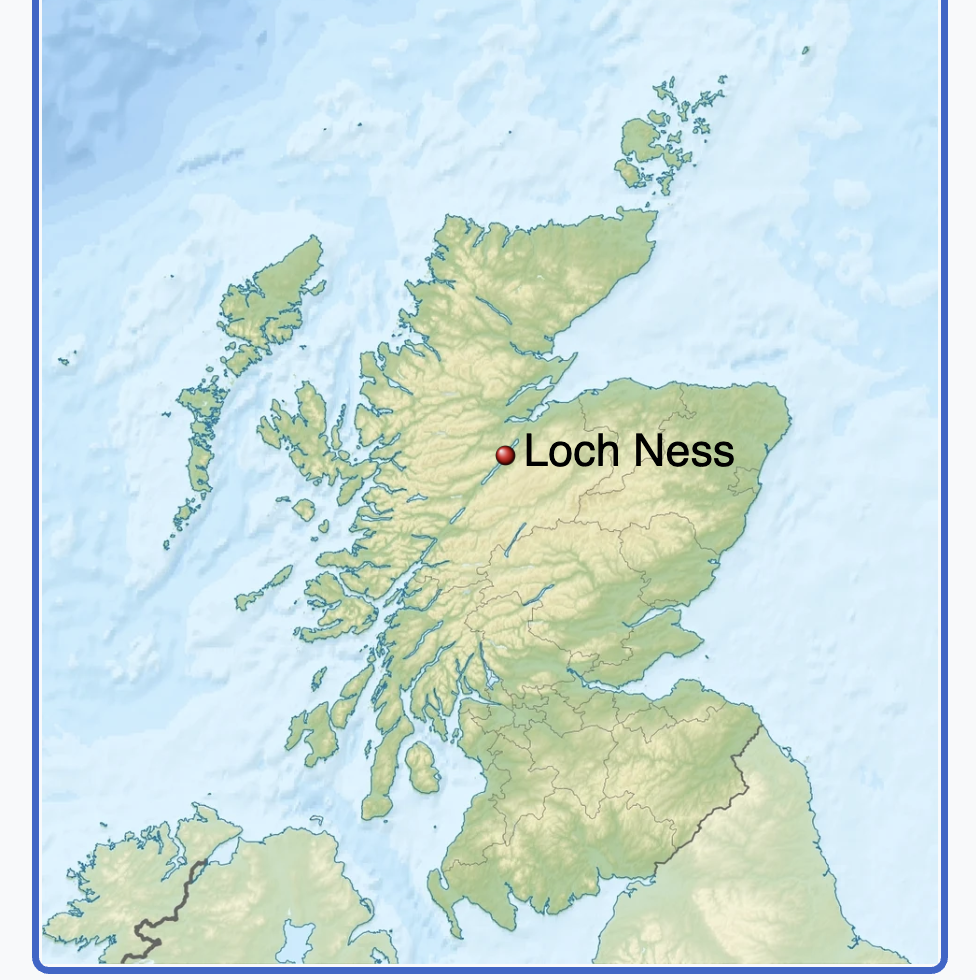
Loch Ness
I headed out to a nearby hostel on Loch Ness when accommodation was booked out on a Saturday night.
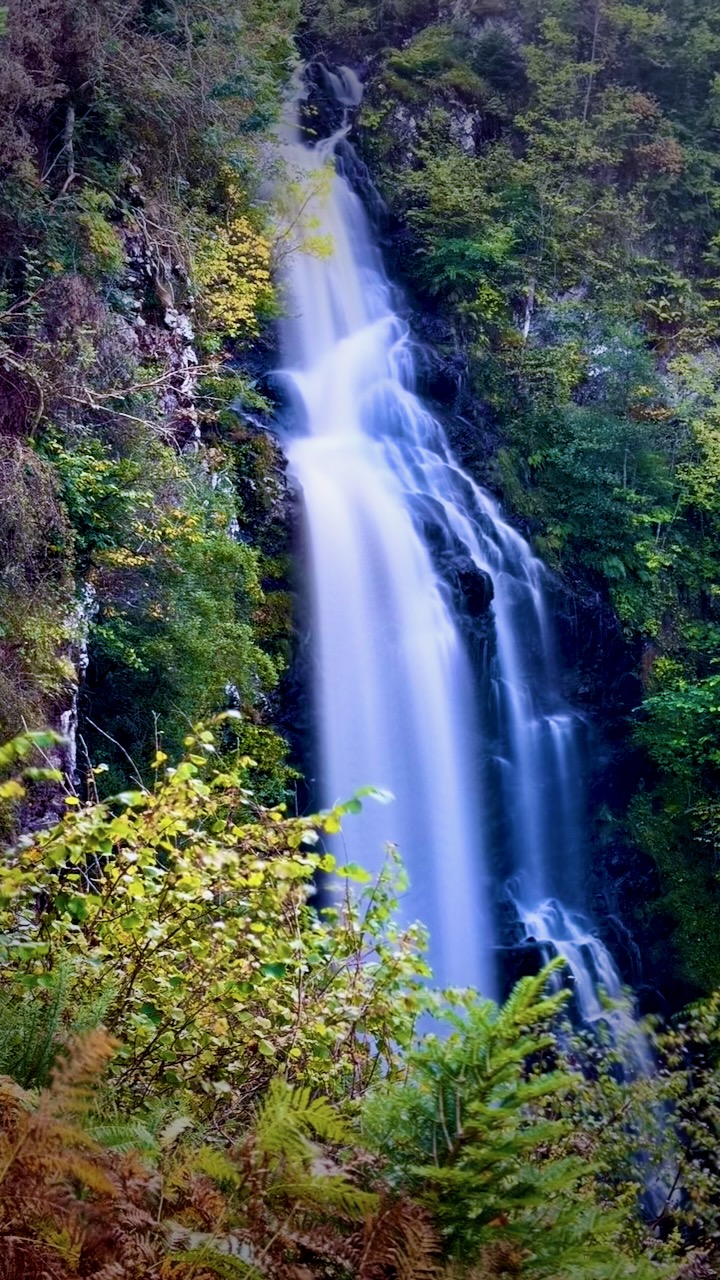
Did some relaxing day hiking. Here are Divach Falls.
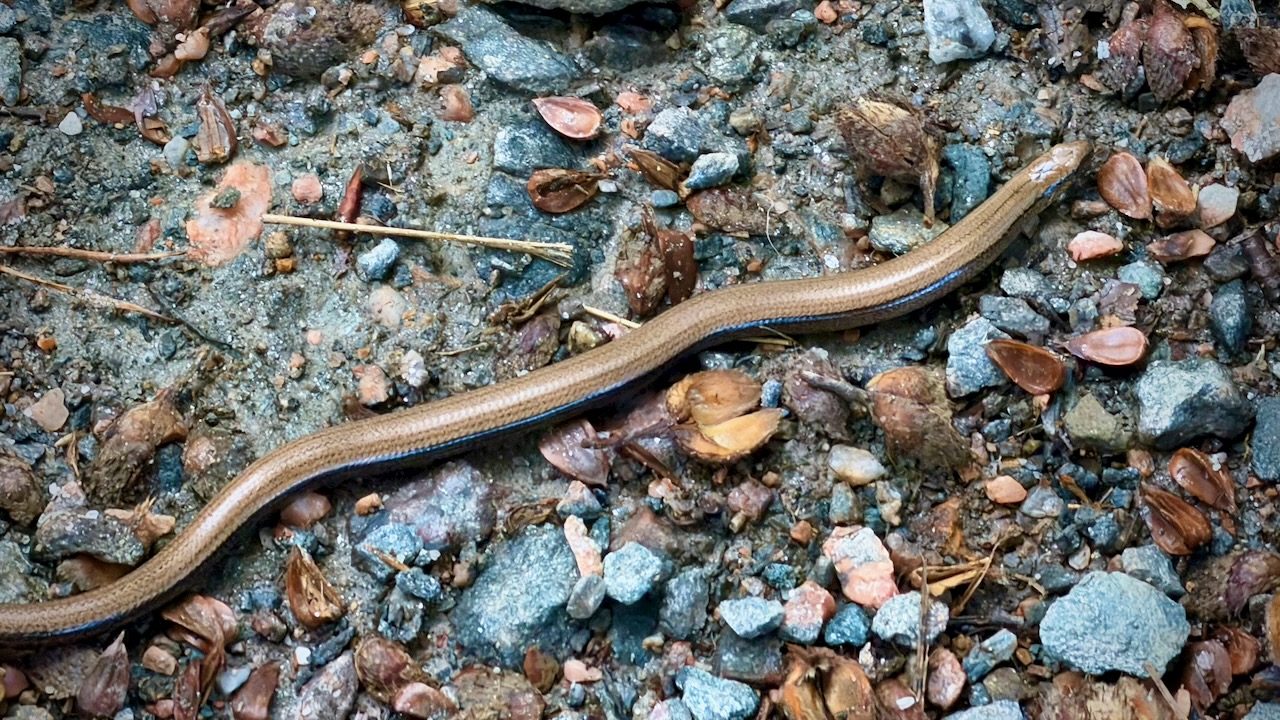
Two children were watching this slow worm.
I thought it was a snake. They explained it’s a non-venomous legless lizard. Also called a deaf adder, blindworm, or regionally, a long-cripple, steelworm, and hazelworm. I’d never heard of the creature.
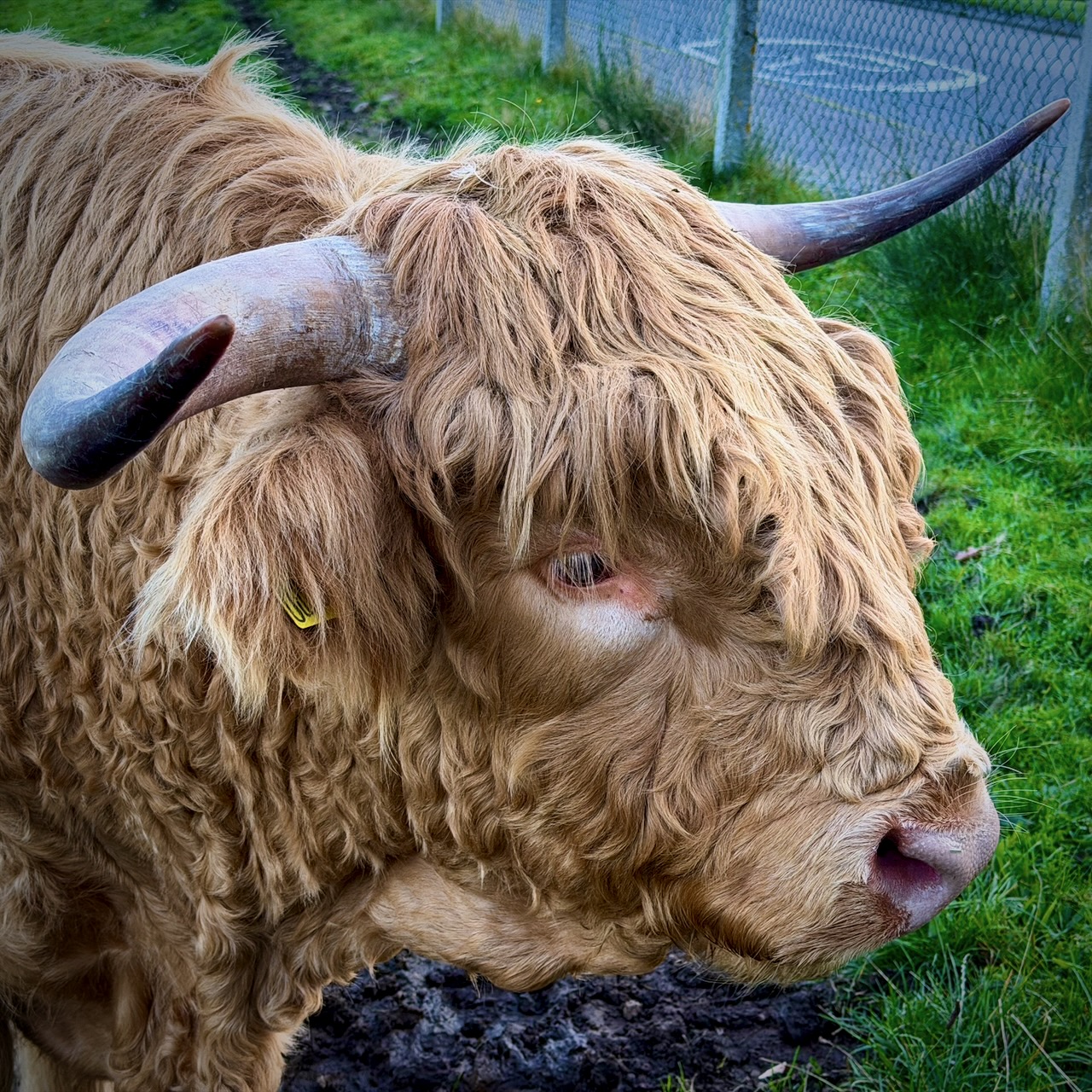
Get a haircut, hippie. 😀
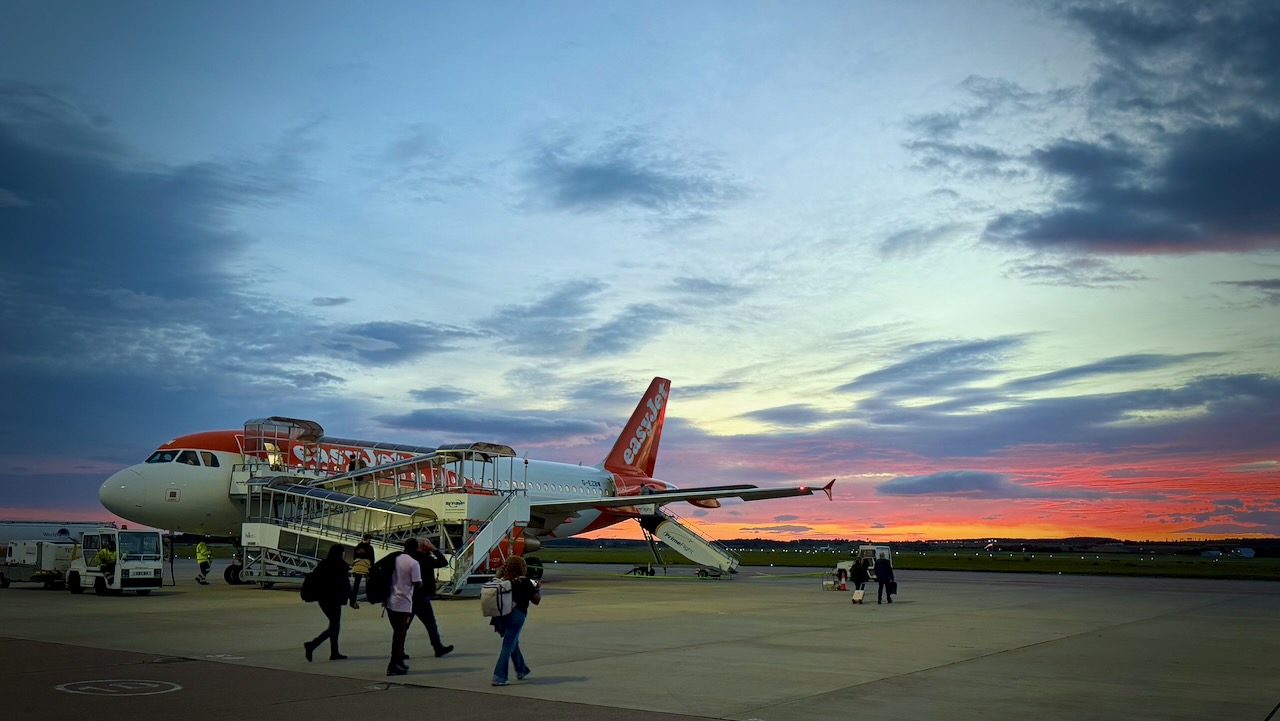
As I often do, booked an inexpensive early morning flight. Headed up to the small airport — BUT it’s locked during the night. Airport Information desk recommended I tent at the end of the last parking lot. Under the Scottish Outdoor Access Code you can tent almost anywhere for free.
Click PLAY or watch it on YouTube.