I’d long wanted to go to Dubrovnik. One of the world’s best and best preserved walled cities.
Game of Thrones scenery.
It’s a hot destination right now for cruise ships and Instagram influencers.
TOO BUSY with tourists in the summer, I’m thinking.
This small city can’t really handle the visitors they are getting. Too much traffic. Too few buses.
BIG tourism is new here. The place was near closed to visitors during the 10 year Yugoslav war.
I’d flown in from Scotland and was a little overwhelmed on arrival. Happily I had a good (US $25) hostel dorm room with a view …
… and a helpful young guy at reception. He’d only arrived a month ago from Argentina and was still super excited about Dubrovnik.
Night 1 the hostel hosted a home made pizza party.
Highest priority for me was walking the famed walls. 2kms. I walked it twice in sequence.
Cost is 35 EU !?
Unfairly, the feral cats do not have to pay. 😀
So — like almost every tourist — I bought the 35EU Dubrovnik ticket which pays for the wall, the castle, Rector’s Palace, and several more interesting attractions.
You also get a 24 hour bus ticket which costs about 5 EU by itself. … Of course there’s no room on the buses. 😀
Surprisingly, I enjoyed the Museum of Modern Art. Normally my least favourite school of Art.
Obligatory stops at impressive Cathedrals.
I do recommend Dubrovnik, but not June through September.
Many things do not work for the tourist in Croatia 2024. If you are promised snakes, there will be no snakes. Also no coffee. Nor a machine. And the rental bike will be unusable. 😀
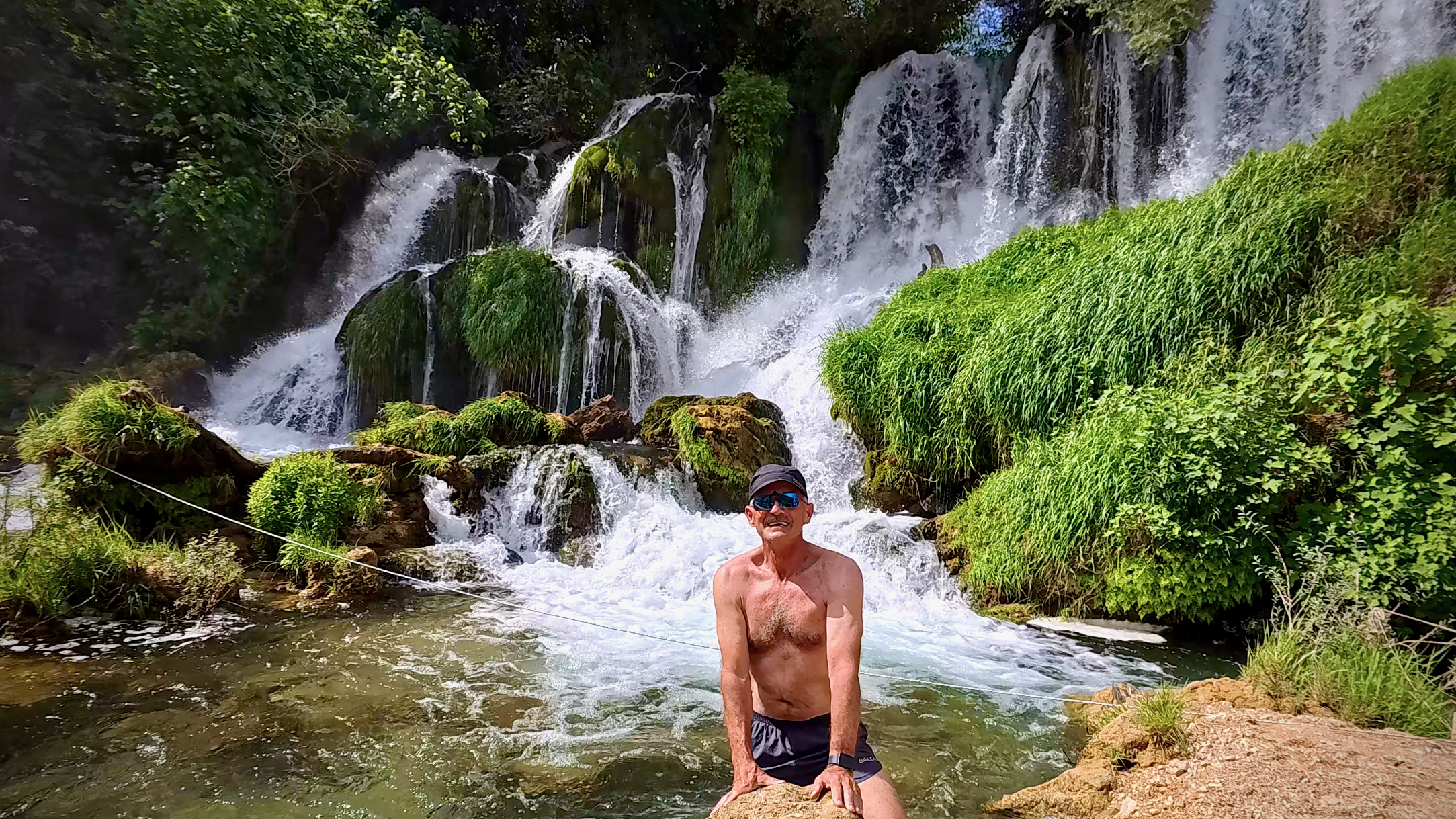
Picturesque Kravice waterfalls in the National Park of Bosnia and Herzegovina. Location: Kravice Falls, Studenci, West Herzegovina Canton, Federation of Bosnia and Herzegovina
Unlike many similar scenic waterfalls around the world, you can swim and boat in this one.
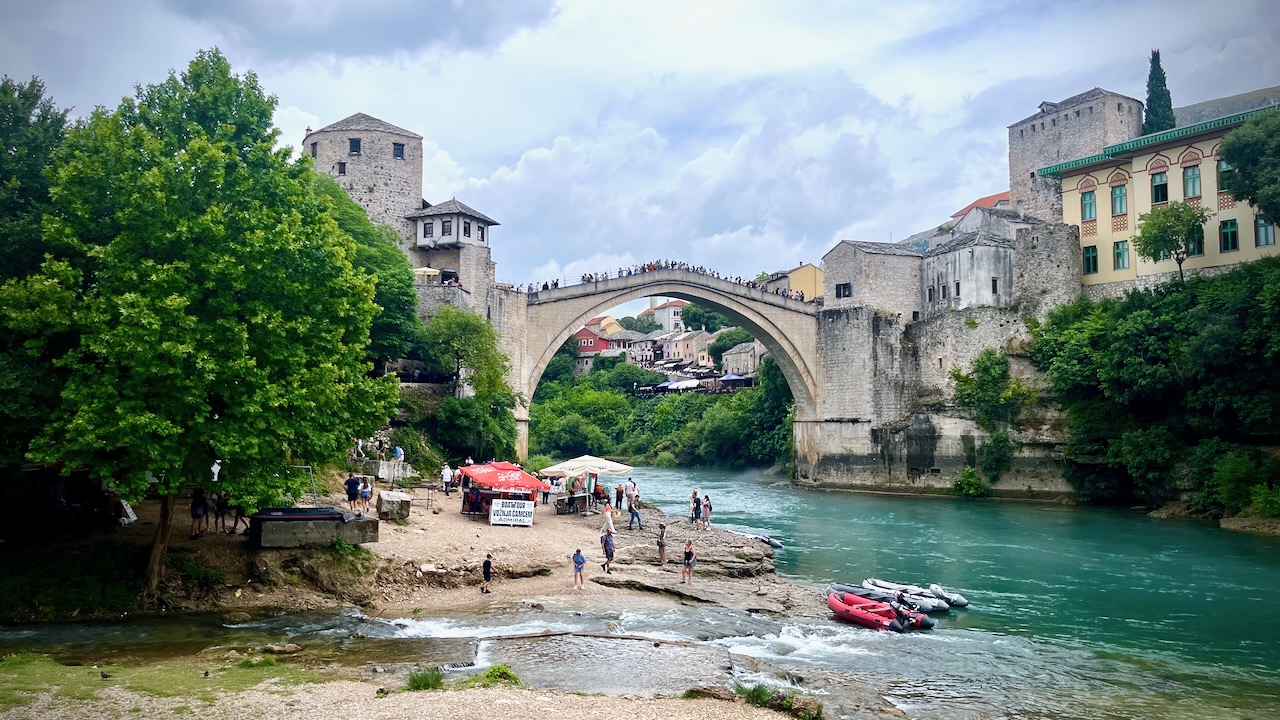
The other major stop was at the interesting historical capital of Herzegovina ➙ Mostar.
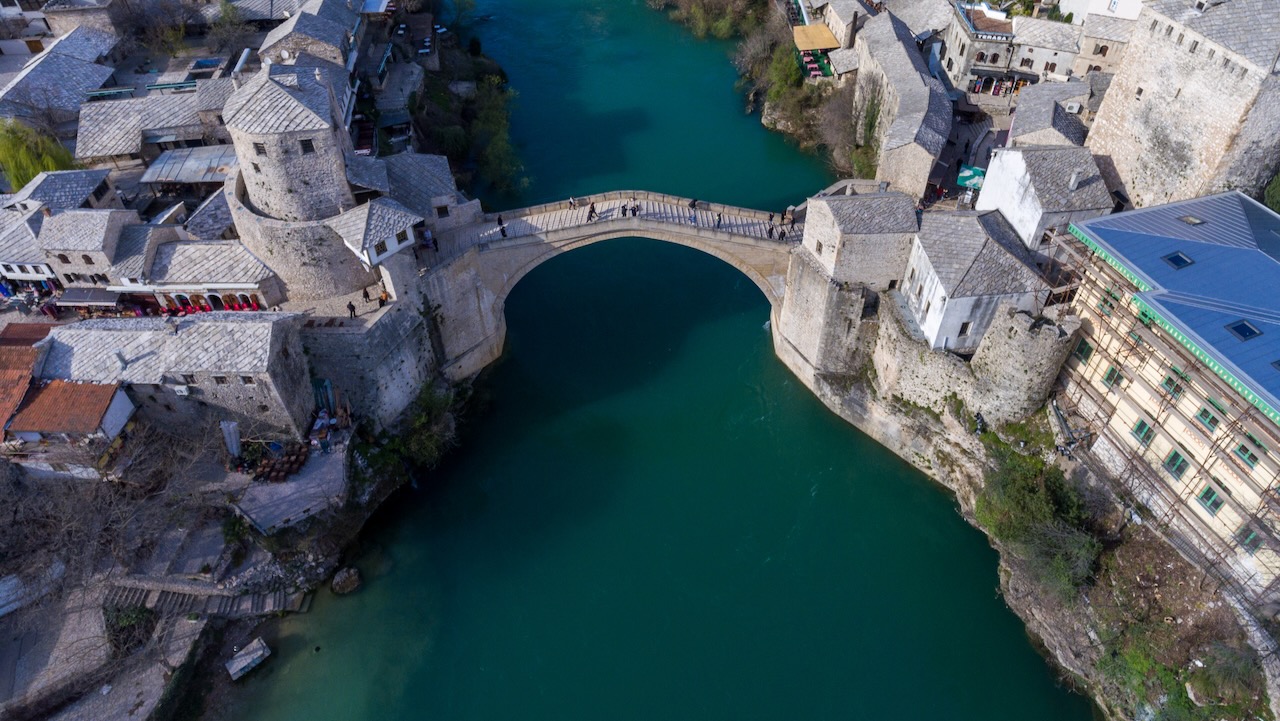
Mostar was named after the bridge keepers (mostari) who guarded the Stari Most (Old Bridge) over the Neretva during the Ottoman era.
Commissioned by Suleiman the Magnificent in the 16th century, completed in 1566, it’s one of Bosnia and Herzegovina’s most visited landmarks, and is considered an exemplary piece of Islamic architecture in the Balkans.
A monumental project to rebuild the Old Bridge, which was destroyed during the Bosnian War, to the original design, and restore surrounding structures and historic neighbourhoods was initiated in 1999 and mostly completed by spring 2004. The money for this reconstruction was donated by Spain.
In July 2005, UNESCO inscribed the Old Bridge and its closest vicinity onto the World Heritage List.
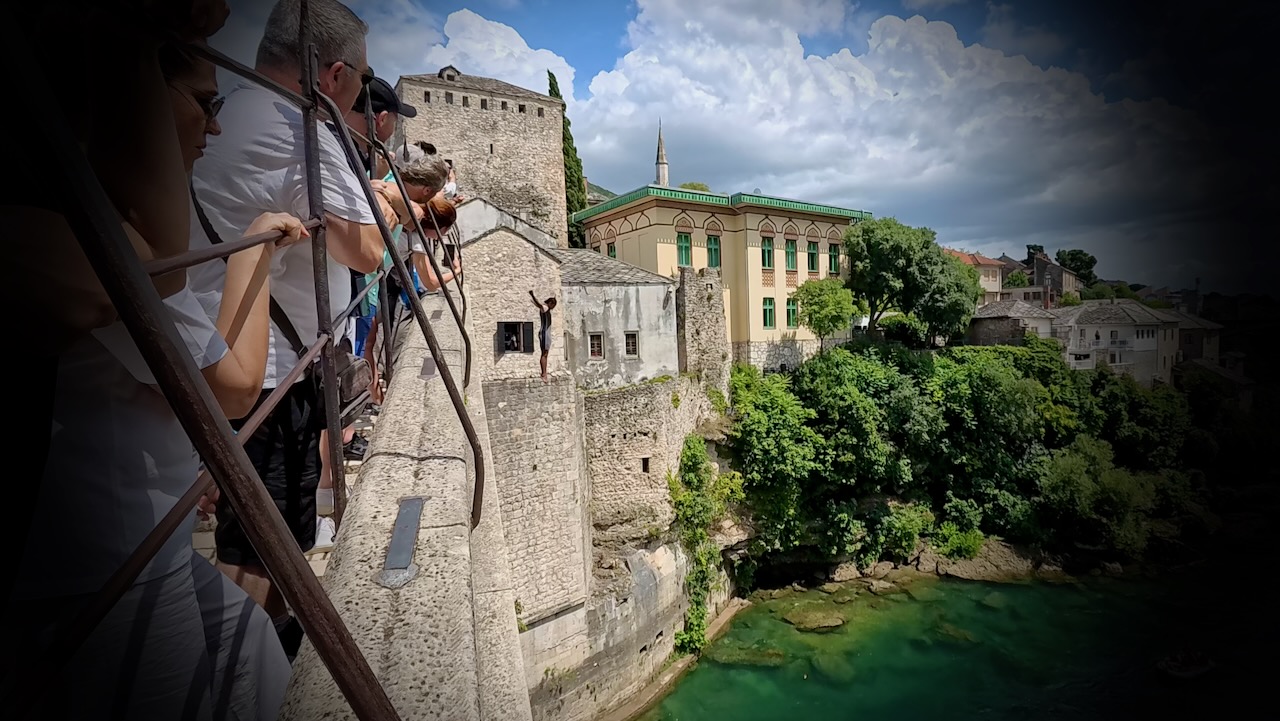
Tourists wait around to watch young people jump. They’ll do it for about 50 EU in combined donations.
screen grab from video
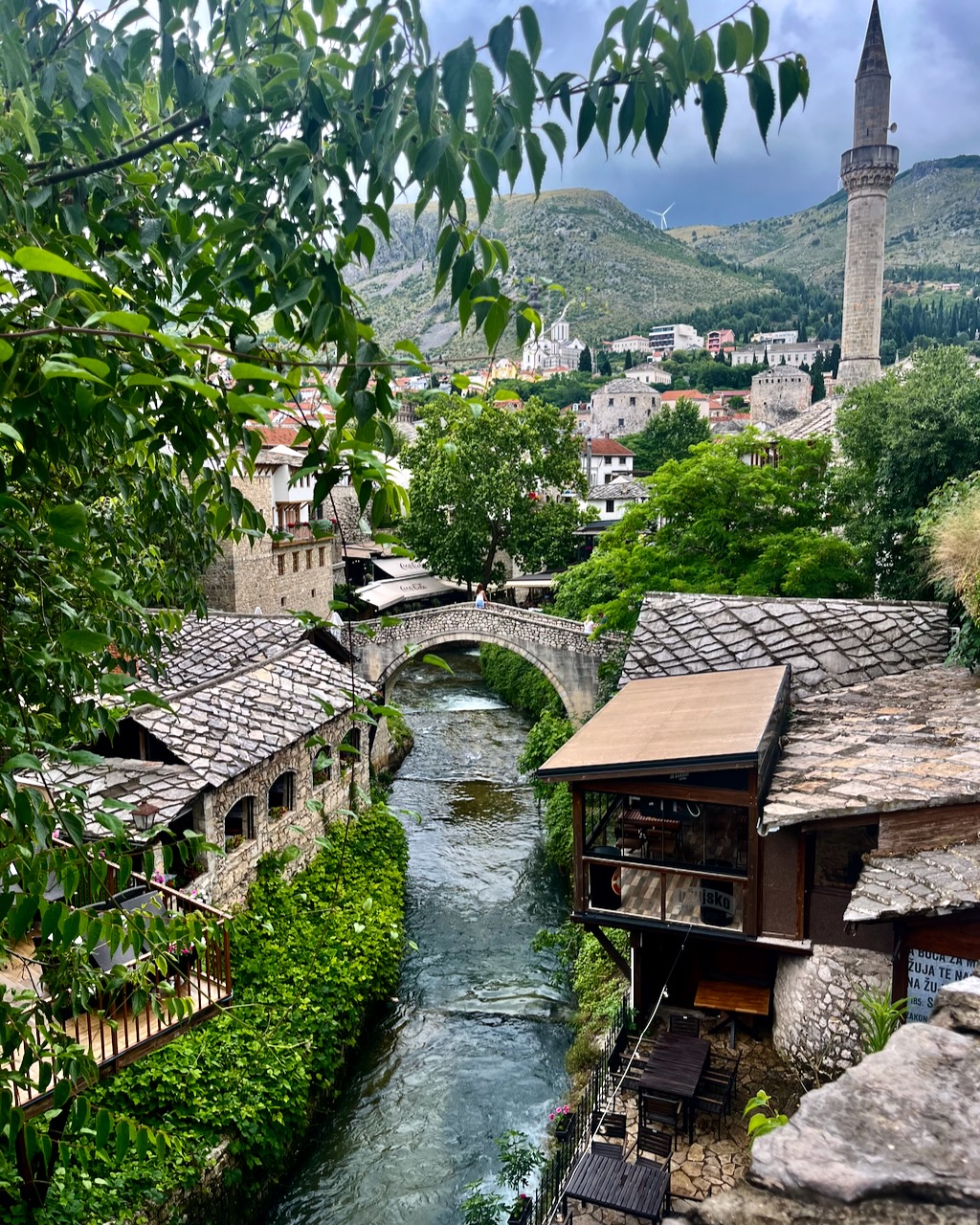
There are plenty of beautiful mosques in Mostar.
Our guide recommended a restaurant — and it was excellent, though not inexpensive.
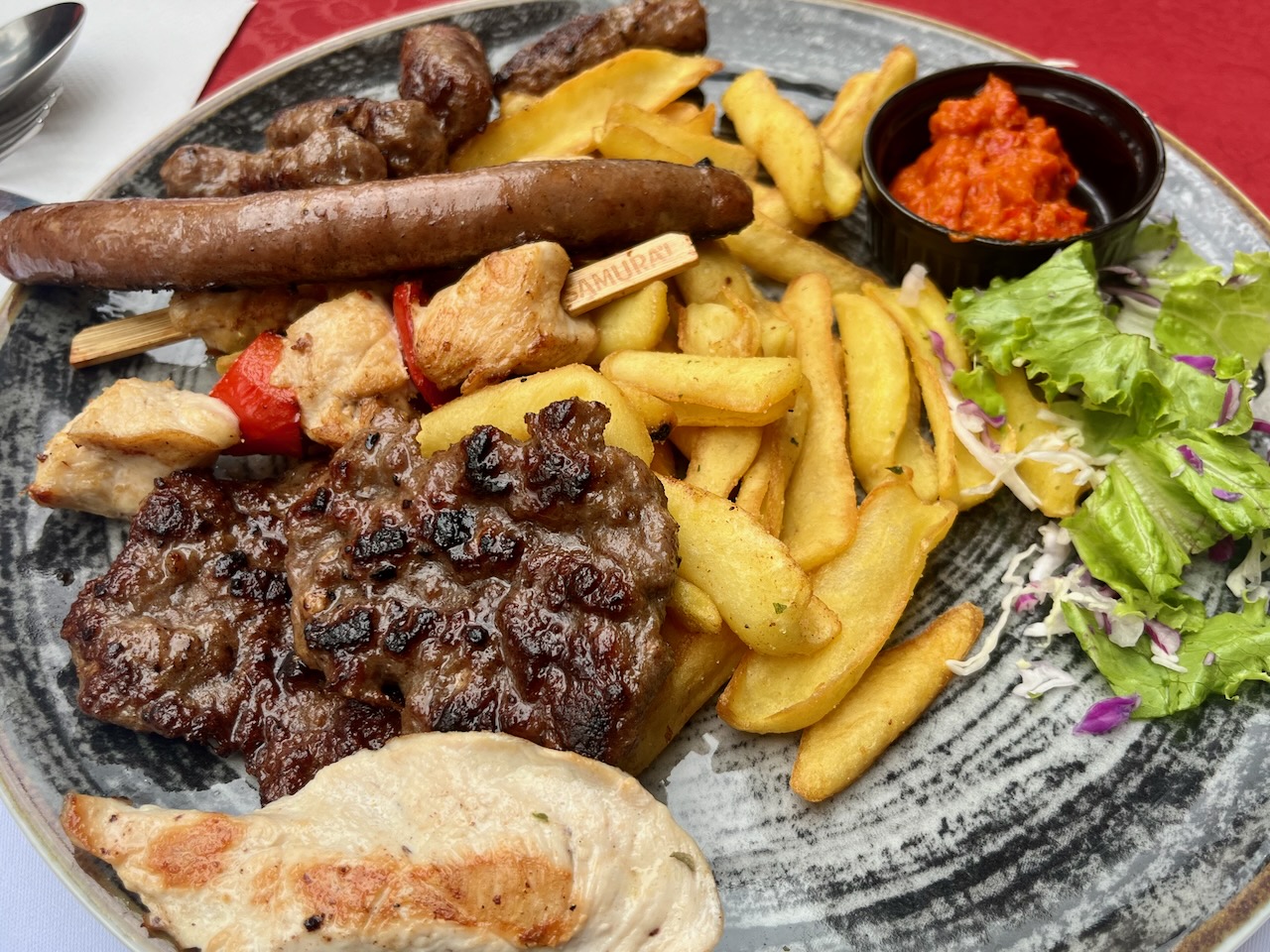
Like Argentina, this is a MEAT eating nation. So I had the mixed platter including several of the local favourites. A BIG lunch. Couldn’t finish it.
Benevolent dictator Josip Broz Tito held factions together until his death in 1980. Once he died, the stupidity began. A good argument against organized religion is religious conflict.
___
I learned more about Bosnia and Herzegovina from my excellent tour guide.
Bosniaks are the largest group, Serbs the second-largest, and Croats the third-largest.
A three-member presidency is made up of one member from each of the three major ethnic groups.
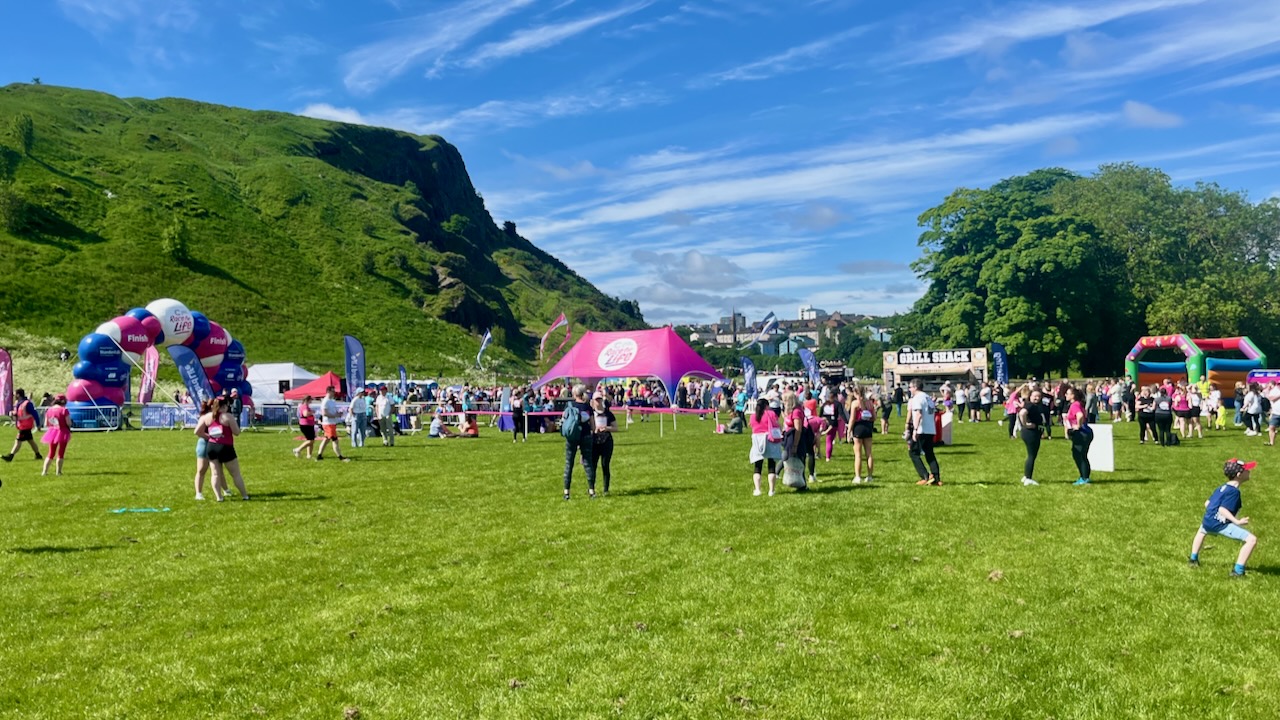
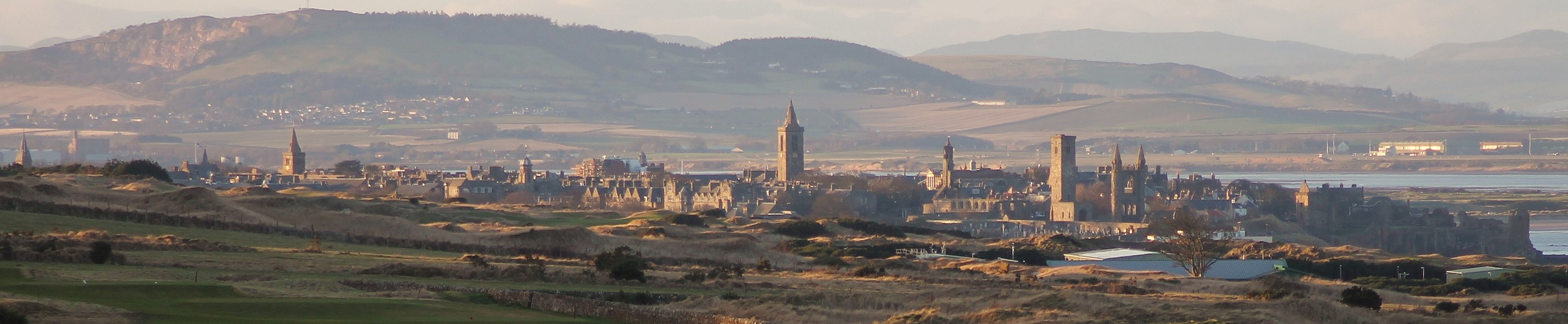
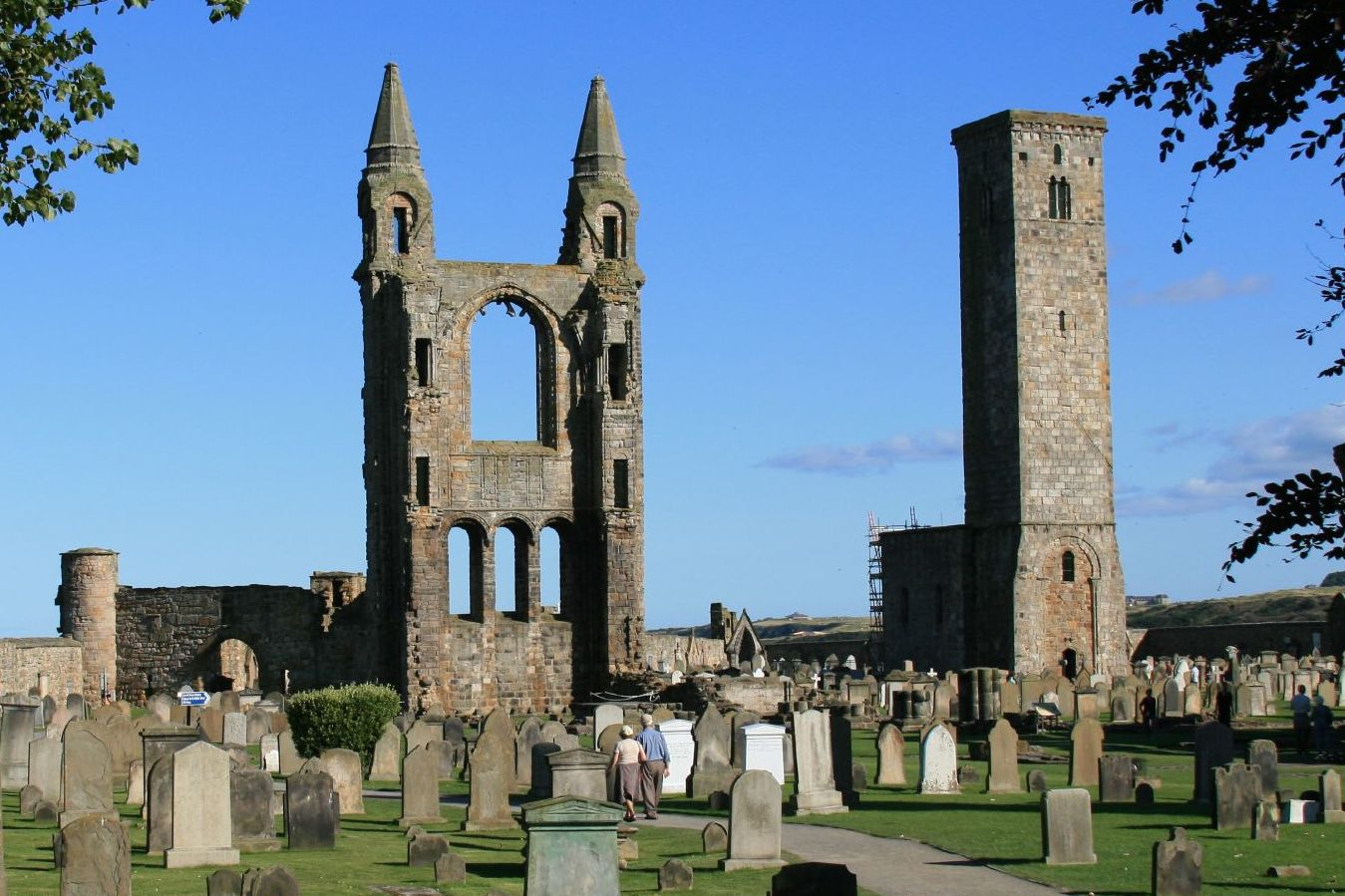
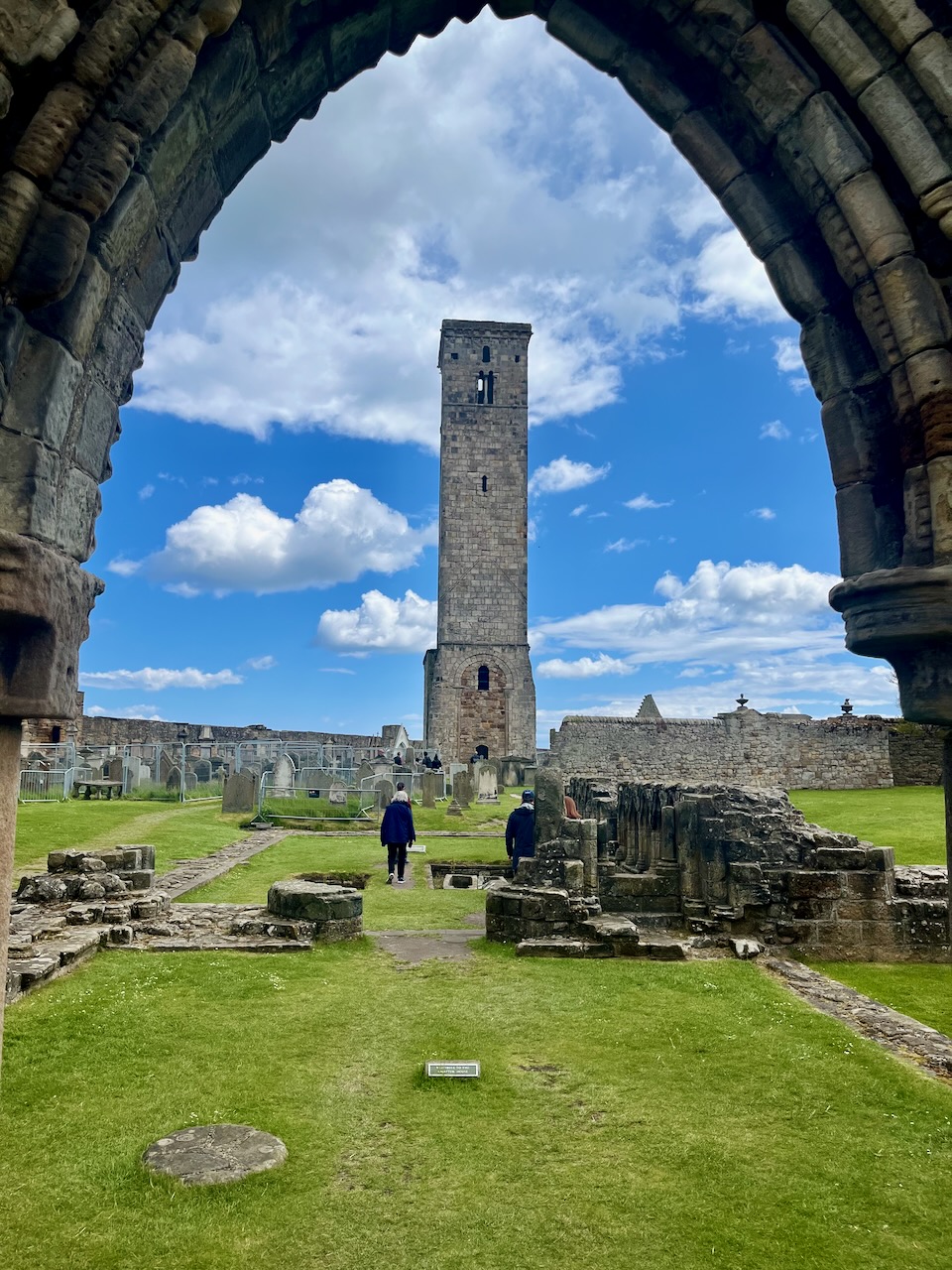
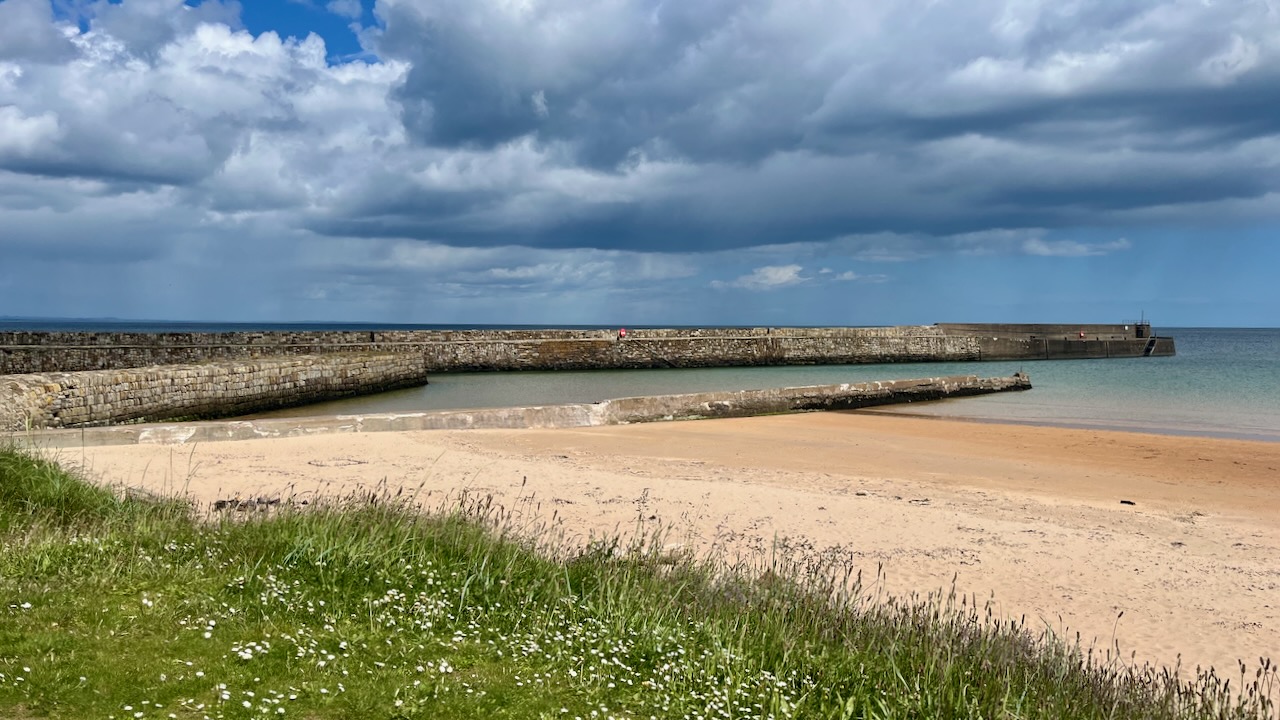
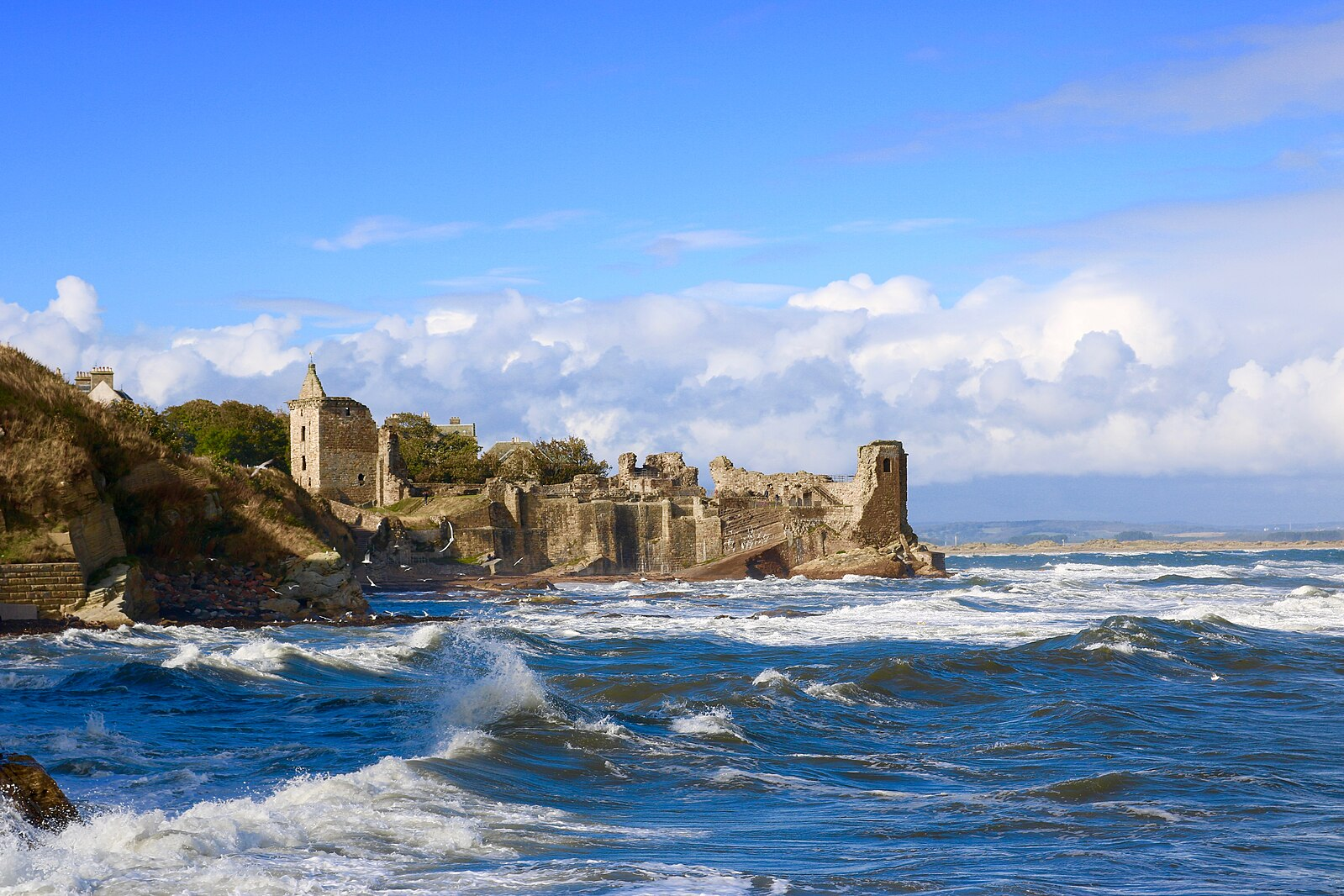
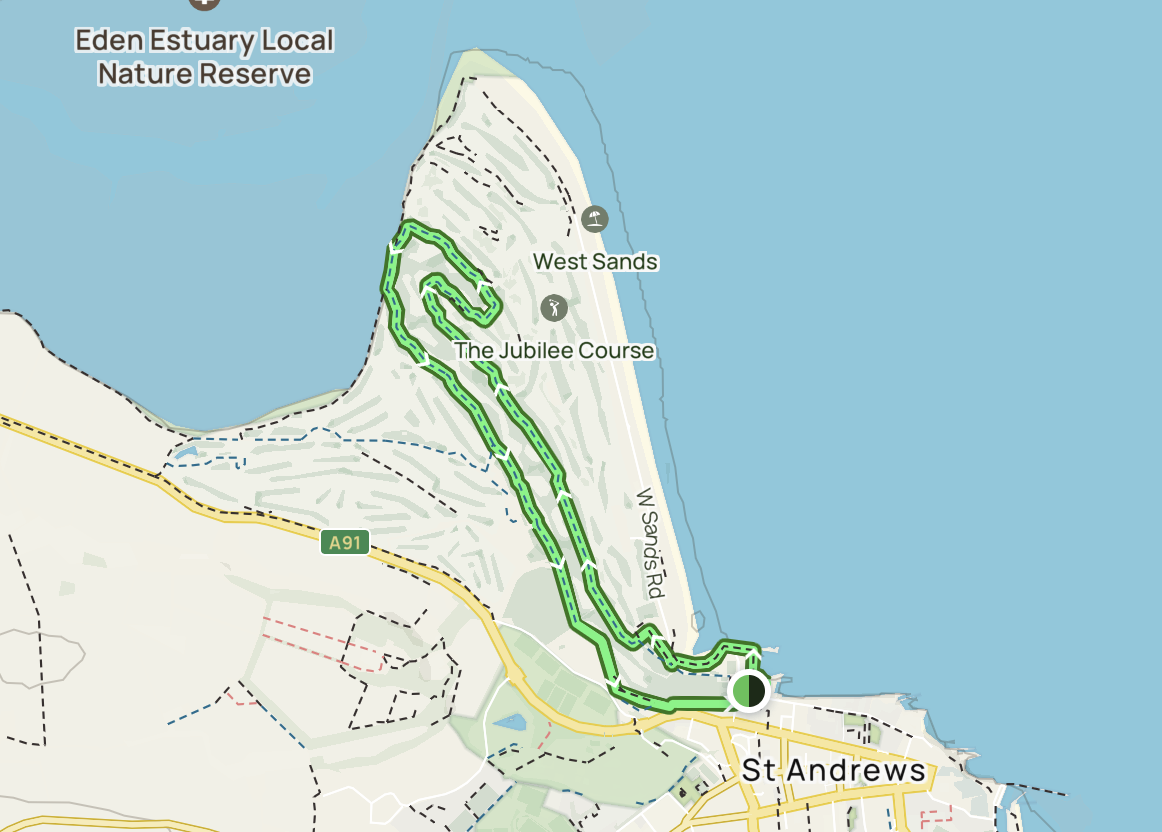
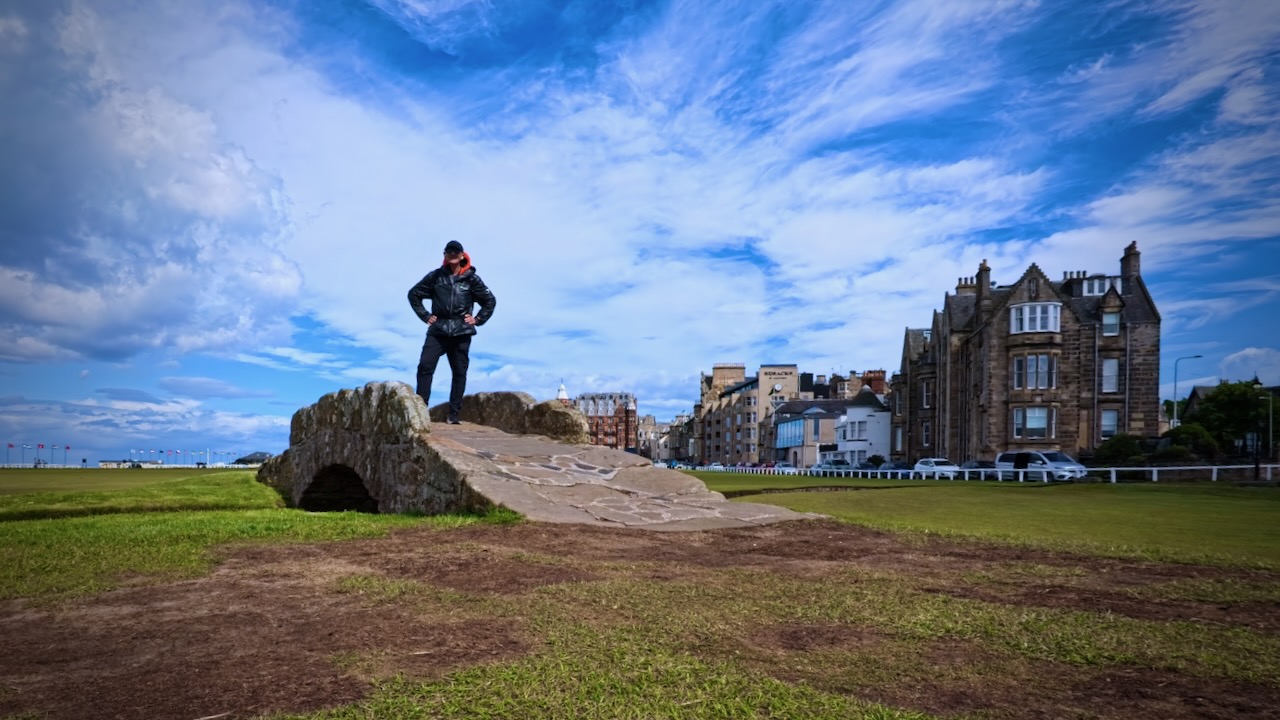
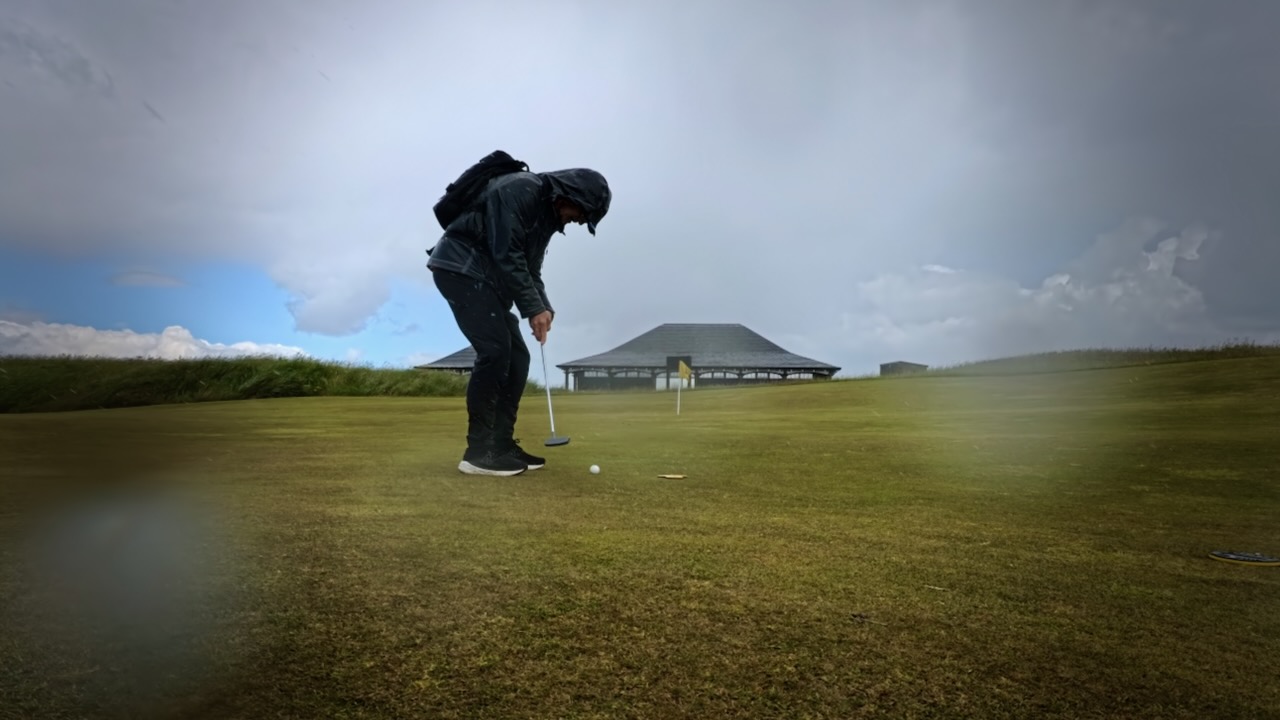
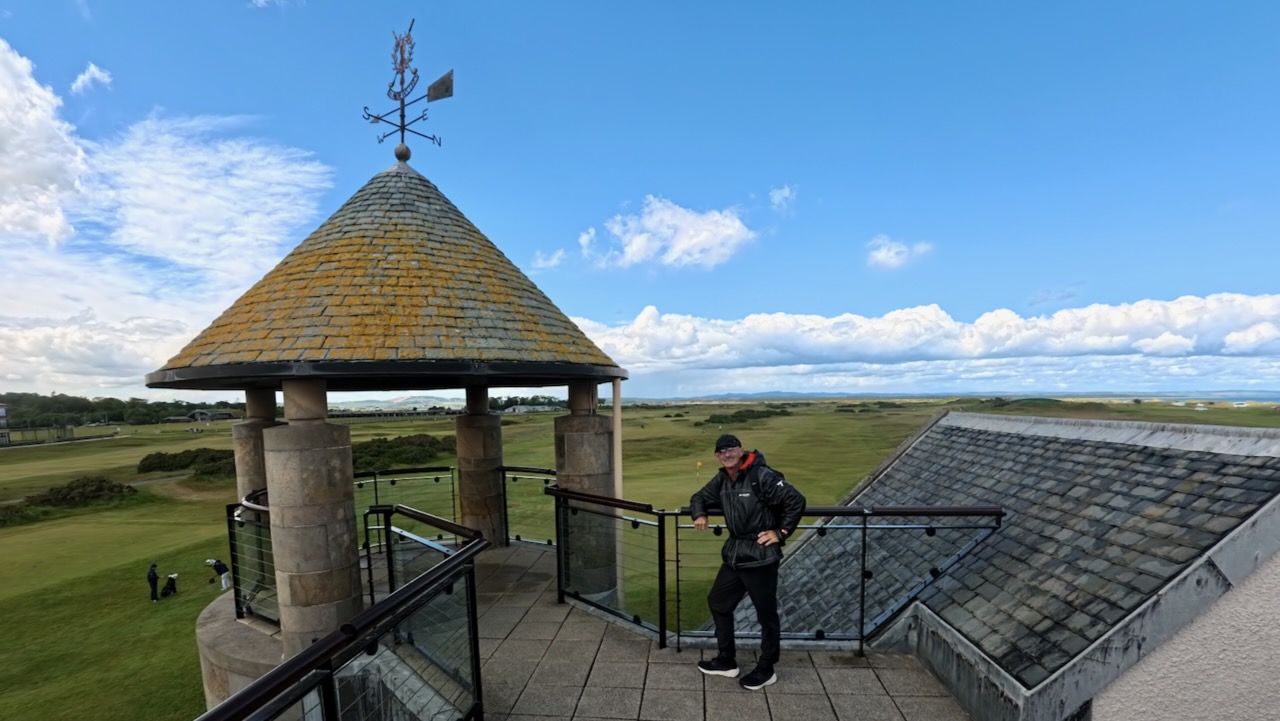
I wasn’t all that impressed with Dundee — but stayed here one night as a jumping off point for nearby St Andrews.
With the decline of traditional industry (raw wool, whaling, shipbuilding, etc.), a £1 billion master plan to regenerate Dundee Waterfront is expected to last for a 30-year period between 2001 and 2031.
In 2015 The Wall Street Journal ranked Dundee at number 5 on its “Worldwide Hot Destinations” list for 2018.
… I’m not sure why.
To me it felt a small city in decline. Many shops vacant.
There are some grand historic buildings.
On the other hand, tourist pedestrian streets downtown are great. And it has excellent train and bus connections.
My highlight was climbing up to the Dundee Law, the highest point in the city. A large war memorial at its summit.
I was laughing out loud every 2nd page. It’s been compared with Bill Bryson’s A Walk in the Woods.
I downloaded because I was in Scotland, en route to St. Andrews.
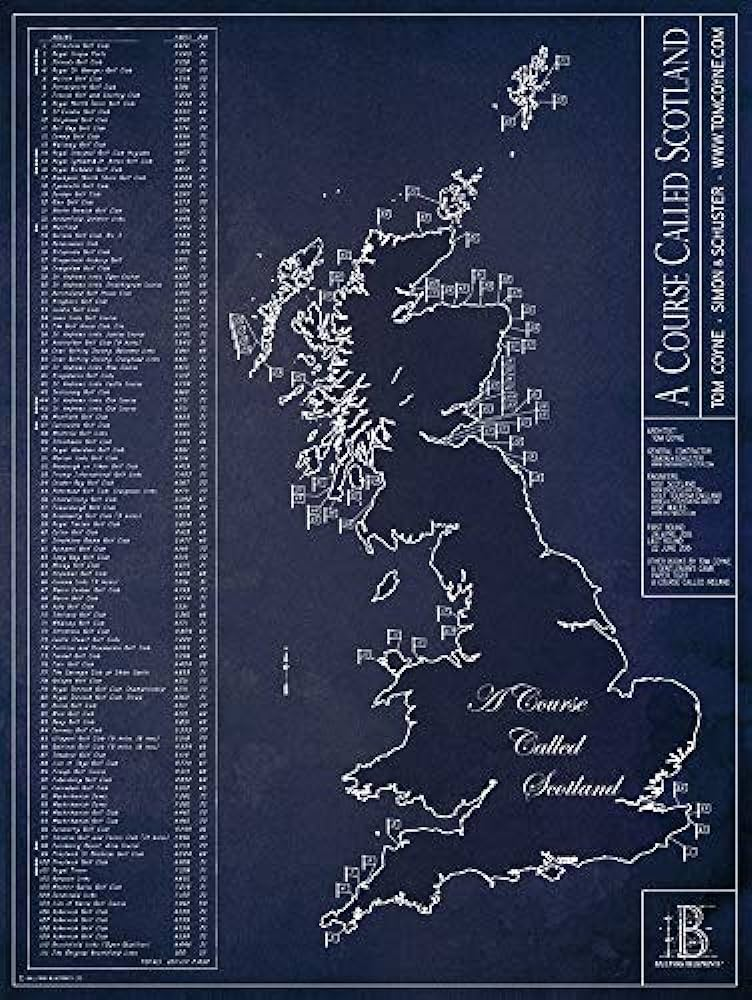
Tom Coyne is the editor of quarterly, The Golfer’s Journal.
In 2010 he published A Course Called Ireland, where he WALKED around the perimeter of the Republic and Northern Ireland, without the use of any transportation, playing the courses en route: 36 courses, 648 holes, over 2,000,000 yards.
Reluctantly — urged by his drunken best friend — he wroteA Course Called Scotland, 111 courses in the home of golf.
Tom chose mostly LINKS courses, hoping to learn the secret of golf in Scotland.
Courses in Scotland were originally set-up on the worst coastal land — no good for farming. Golfers shared the space with sheep and rabbits that kept the foliage down.
He did include some links courses in England and Wales, as well.
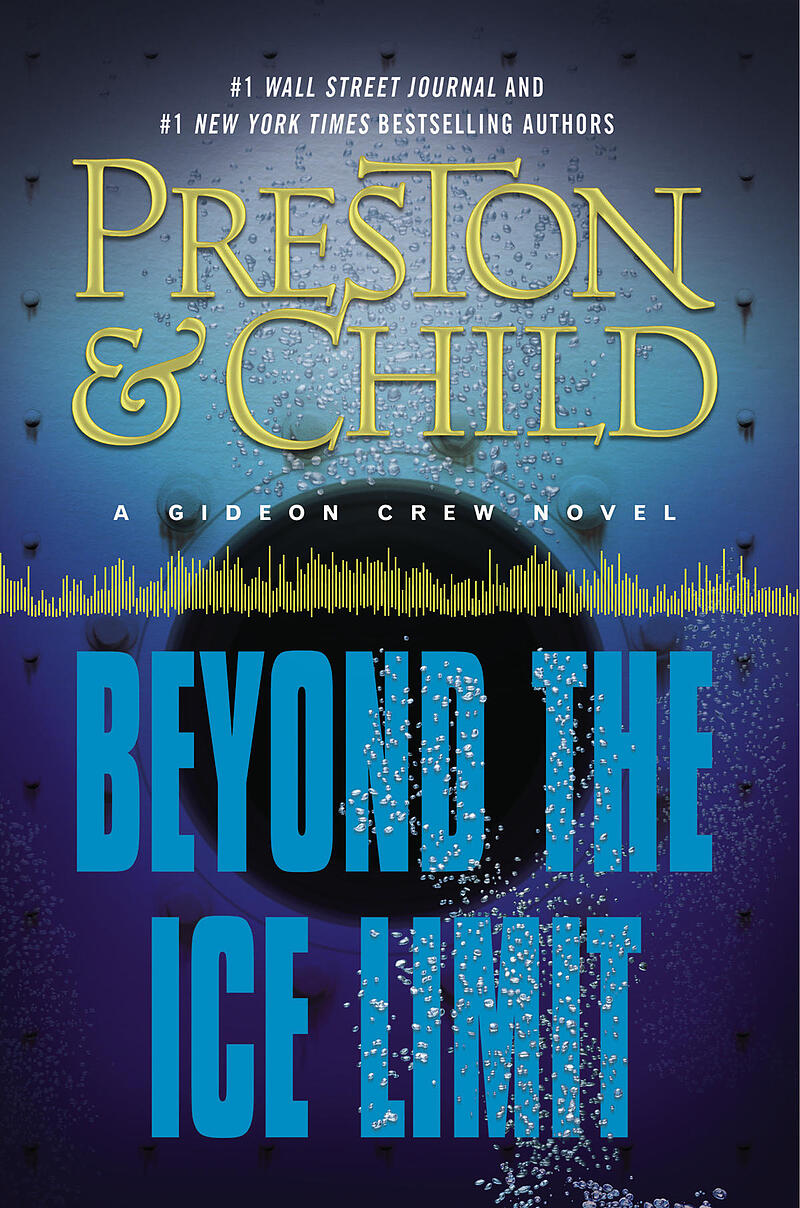
The 4th book in the Gideon series is best yet. In fact, each seems better than the last.
This thriller reminded me of the film Alien. It could be categorized science fiction.
Gideon’s Sword
Gideon’s Corpse
The Lost Island
Beyond the Ice Limit
The Pharaoh Key
[Warning: BEYOND THE ICE LIMIT is the sequel to THE ICE LIMIT.
While BEYOND is a stand-alone novel, we want to warn potential readers that the copy below contains serious spoilers for THE ICE LIMIT, for those who wish to read that book first.]
That thing is growing again. We must destroy it. The time to act is now …
With these words begins Gideon Crew’s latest, most dangerous, most high-stakes assignment yet. Failure will mean nothing short of the end of humankind on earth.
Five years ago, the mysterious and inscrutable head of Effective Engineering Solutions, Eli Glinn, led a mission to recover a gigantic meteorite–the largest ever discovered–from a remote island off the coast of South America.
The mission ended in disaster when their ship, the Rolvaag, foundered in a vicious storm in the Antarctic Sea and broke apart, sinking—along with its unique cargo—to the ocean floor. One hundred and eight crew members perished, and Eli Glinn was left paralyzed.
But this was not all. The tragedy revealed something truly terrifying: the meteorite they tried to retrieve was not, in fact, simply a rock. Instead, it was a complex organism from the deep reaches of space.
Now, that organism has implanted itself in the sea bed two miles below the surface—and it is growing. If it is not destroyed, the planet will be doomed.
There is only one hope: for Glinn and his team to annihilate it, a task which requires Gideon’s expertise with nuclear weapons. But as Gideon and his colleagues soon discover, the “meteorite” has a mind of its own—and it has no intention of going quietly…









 Rick McCharles
