… while everyone is busy talking about 4k resolutions, the filmmakers behind this demo have made the leap to 10k.
Shot with a camera … resolution of 10327×7760 pixels. In the short film we get a glimpse of what this looks like with some fantastic timelapse images shot in and around Rio De Janeiro …
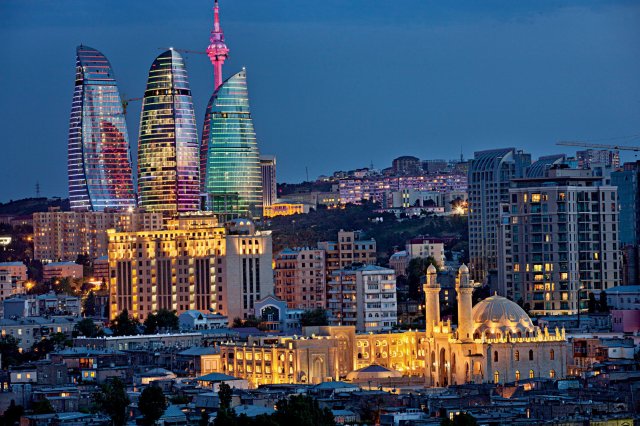
Kate and other journalists recently headed to Baku on a tourist junket. Gary Crallé posted an entertaining trip report on their November 2014 trip to Azerbaijan.
I’d LOVE to go. I was hoping to travel there for the First European Games in June, but I’ve got a dreadful conflict. I’ll be in South Africa and Namibia. 🙂
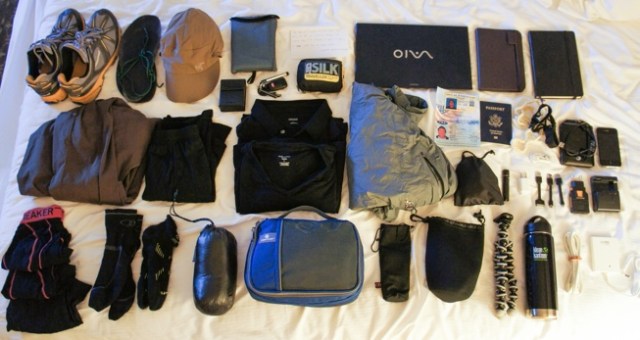
… the decision to travel so light turned out to be one of the best decisions I made, and the number one piece of advice I give anyone getting ready to travel is to pack less.
But why, and more importantly, how?
… People I met along the way couldn’t believe how small my backpack was when I told them I was traveling for a year. I had everything I needed, just not very much of it.
As the architectural saying goes, “Anyone can design a bridge that stands. It takes an engineer to design a bridge that barely stands.” …
I visited Vietnam for the first time in 2014, almost 50 years after the end of the American War.
The nation is thriving. Tourists love the country. 🙂
The Fall of Saigon was the capture of Saigon, the capital of South Vietnam, by the People’s Army of Vietnam and the National Liberation Front of South Vietnam (also known as the Việt Cộng) on April 30, 1975. The event marked the end of the Vietnam War …
The city was renamed Hồ Chí Minh City, after the Democratic Republic’s President Hồ Chí Minh. …
The fall of the city was preceded by the evacuation of almost all the American civilian and military personnel in Saigon, along with tens of thousands of South Vietnamese civilians associated with the southern regime. The evacuation culminated in Operation Frequent Wind, the largest helicopter evacuation in history. …
Evacuation of CIA station personnel by Air America on the rooftop of 22 Gia Long Street in Saigon on April 29, 1975. Photo: Hubert van Es / UPI
Academy Award®-winner for Best Documentary Feature, THE FOG OF WAR is the story of America as seen through the eyes of the former Secretary of Defense under President Kennedy and President Johnson, Robert S. McNamara.
The title derives from the military concept of the “fog of war” depicting the difficulty of making decisions in the midst of conflict.
Robert McNamara’s 11 lessons from Vietnam
From Robert McNamara’s 1995 book “In Retrospect: The Tragedy and Lessons of Vietnam“:
We misjudged then — and we have since — the geopolitical intentions of our adversaries … and we exaggerated the dangers to the United States of their actions.
We viewed the people and leaders of South Vietnam in terms of our own experience … We totally misjudged the political forces within the country.
We underestimated the power of nationalism to motivate a people to fight and die for their beliefs and values.
Our misjudgments of friend and foe, alike, reflected our profound ignorance of the history, culture, and politics of the people in the area, and the personalities and habits of their leaders.
We failed then — and have since — to recognize the limitations of modern, high-technology military equipment, forces, and doctrine. We failed, as well, to adapt our military tactics to the task of winning the hearts and minds of people from a totally different culture.
We failed to draw Congress and the American people into a full and frank discussion and debate of the pros and cons of a large-scale military involvement … before we initiated the action.
After the action got under way, and unanticipated events forced us off our planned course … we did not fully explain what was happening, and why we were doing what we did.
We did not recognize that neither our people nor our leaders are omniscient. Our judgment of what is in another people’s or country’s best interest should be put to the test of open discussion in international forums. We do not have the God-given right to shape every nation in our image or as we choose.
We did not hold to the principle that U.S. military action … should be carried out only in conjunction with multinational forces supported fully (and not merely cosmetically) by the international community.
We failed to recognize that in international affairs, as in other aspects of life, there may be problems for which there are no immediate solutions … At times, we may have to live with an imperfect, untidy world.
Underlying many of these errors lay our failure to organize the top echelons of the executive branch to deal effectively with the extraordinarily complex range of political and military issues.
The USA lost the Vietnam war. It was un-winnable from the start.
I’d argue that they’ve lost the wars in the Middle East since. None of McNamara’s lessons were learned.
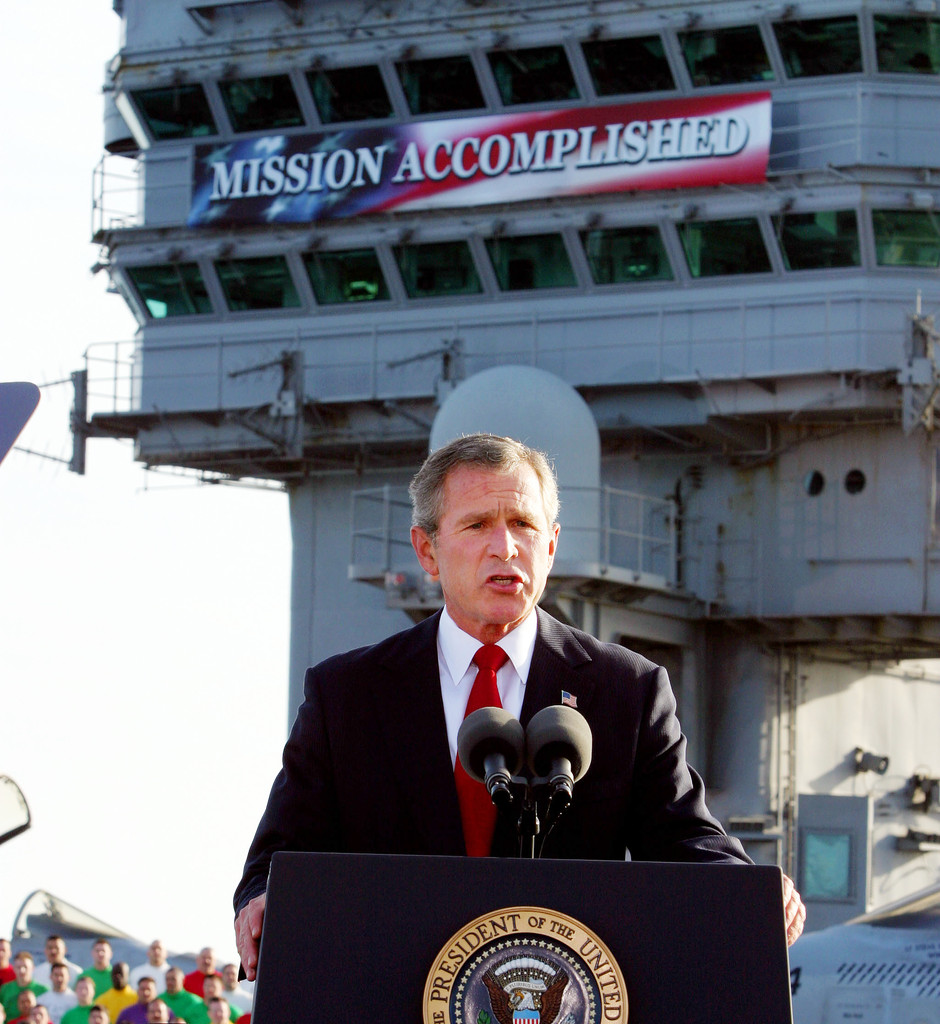
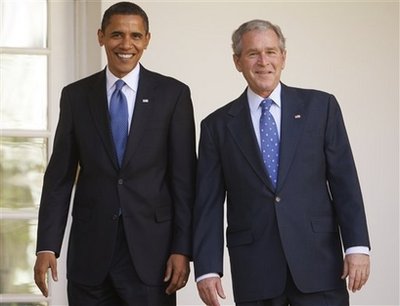
G.W. Bush is most to blame for the stupidity and waste of military action.
I’m disappointed Obama did not do more to reverse the damage wrought during the Bush years.
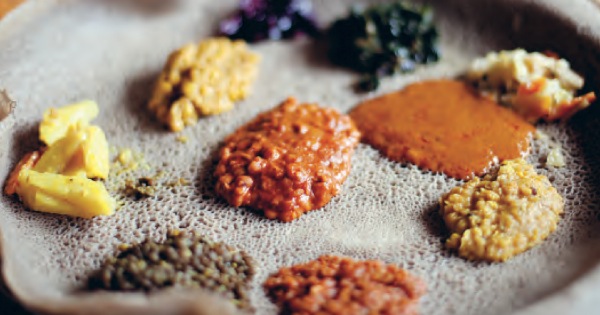
Ethiopian cuisine characteristically consists of vegetable and often very spicy meat dishes, usually in the form of wat, a thick stew, served atop injera, a large sourdough flatbread, which is about 50 centimeters (20 inches) in diameter and made out of fermented teff flour.
Ethiopians eat exclusively with their right hands, using pieces of injera to pick up bites of entrées and side dishes. Utensils are rarely used …
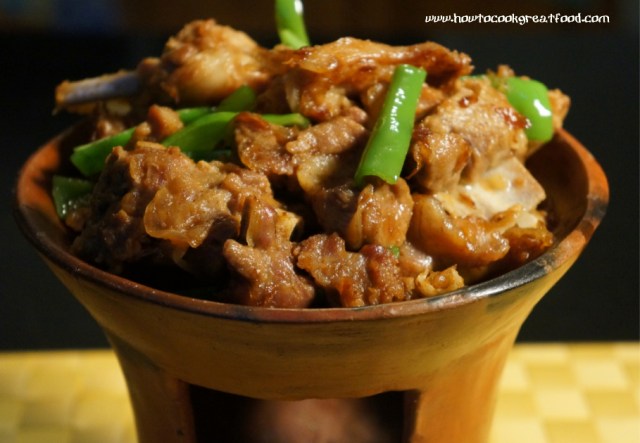
Meat along with vegetables are sautéed to make tibs. Tibs is served in a variety of manners and can range from hot to mild or contain little to no vegetables. There are many variations of tibs, depending on type and size or shape of the cuts of meat used. …
I enjoyed Ethiopian food, being completely ignorant of the unique cuisine before traveling there.
The Ethiopian Red Terror, or Qey Shibir … was a violent political campaign in Ethiopia and Eritrea that most visibly took place after Communist Mengistu Haile Mariam achieved control of the Derg, the military junta, on 3 February 1977.
It is estimated that between 30,000 and 500,000 people were killed over the course of the Red Terror. …
Mengistu was found guilty of genocide in absentia and was sentenced to life in prison in January 2007. After his conviction, Zimbabwe, where he received sanctuary due to friendship with Robert Mugabe, said it would not extradite him. …
The museum is well laid out and incredibly moving. Nothing more so than the walls of photos and names of just some of the estimated half a million killed under the Derg, or the display cabinets filled with human remains dug out of mass graves. Some of the skulls and other bones are displayed alongside a photo of the victim and personal artefacts they had on them when they died. …
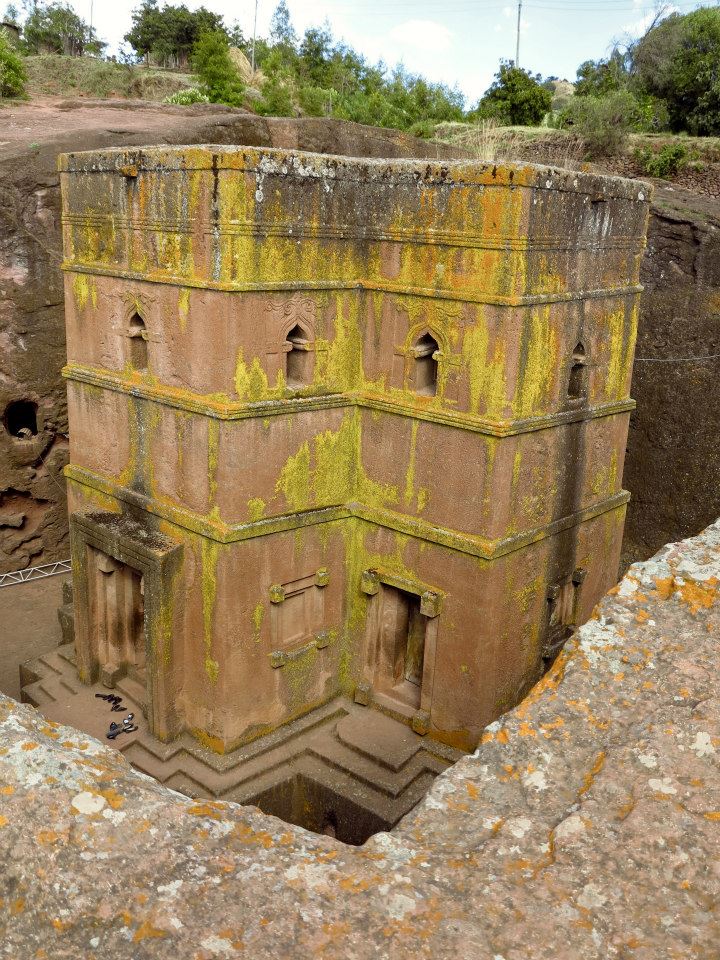
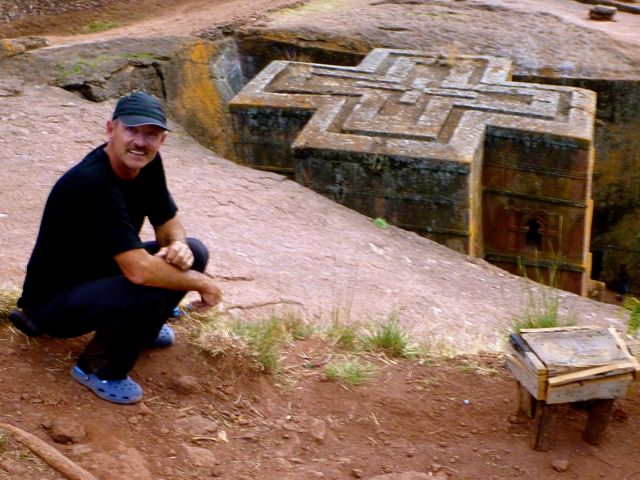
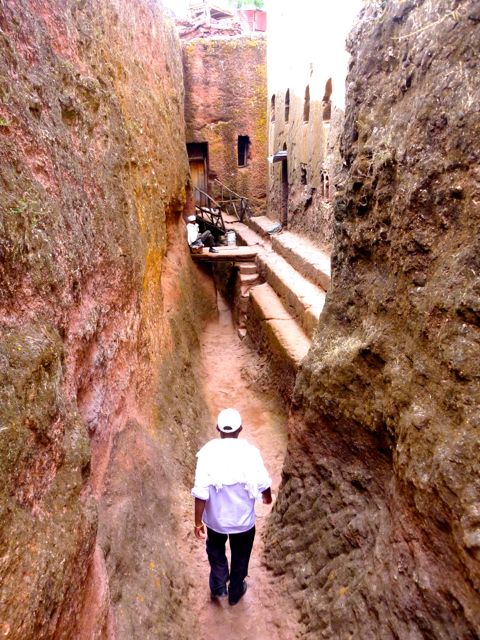
Lalibela 2,600m (8,500ft) is a rural town of 15,000 people on a stunning escarpment in the eastern highlands of northern Ethiopia. It is famous for rock-cut architecture churches hewn from living rock, most built more than 900 years ago. They were declared a UNESCO World Heritage site in 1978.
King Gebre Mesqel Lalibela wanted to create a “new Jerusalem” in Africa. The layout and names of the major buildings are accepted by the local clergy to be a symbolic representation of Jerusalem. The town’s river is known as the River Jordan.
Of the 11 churches, St George’s is considered the masterpiece.
photo by Victor Watt
I was pleased to finally see the churches, yet wasn’t blown away.
In fact, my most memorable highlight of Lalibela is a weird restaurant.
The churches are sometimes compared with Jordan’s Petra. Sometimes with the amazing Kailasa temple at Ellora in India. Lalibela is more impressive.
Nobody likes the ultramodern protective roofs added a few years ago to most of the 11 churches.
Cost of entry is $50, high most agree. I hired a guide ($40 for 6 hours over 2 days). That’s not mandatory, but recommended. Guides at Lalibela are not all that great, I found.
They go through the motions without much passion. A priest in training at the attached museum was excellent, however.




 Rick McCharles