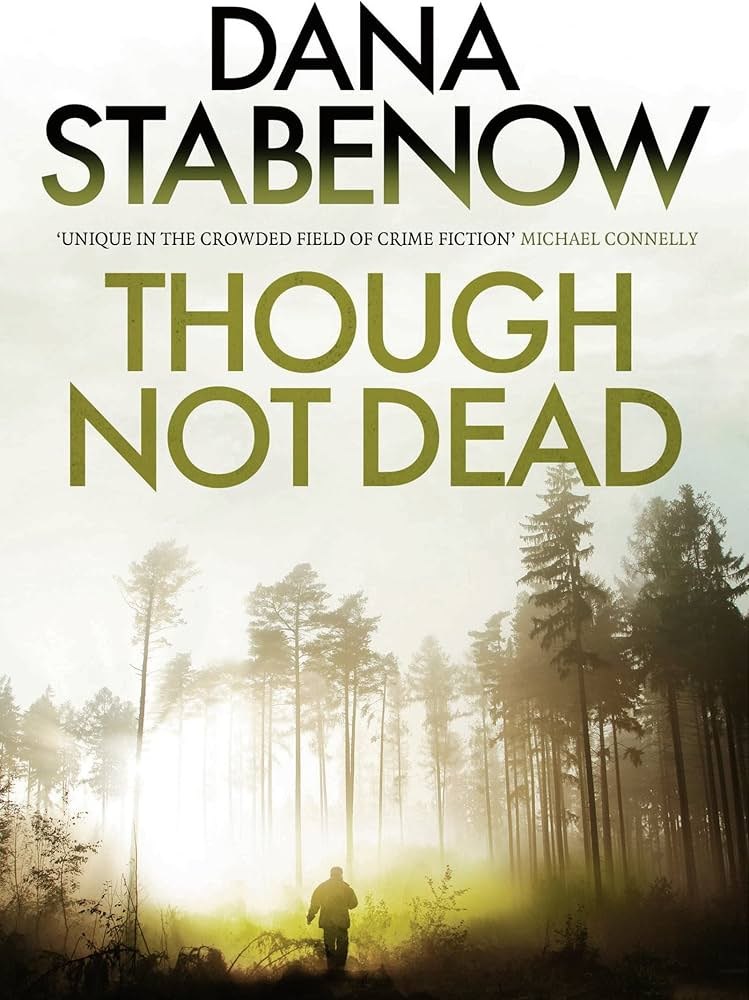
The residents of Alaska’s largest national park are devastated by the passing of 87-year-old Old Sam Dementieff, a beloved community patriarch and Kate’s uncle.
The Inheritance: Sam leaves his entire estate to Kate, along with a cryptic, one-sentence letter instructing her to “find my father”.
The Mystery: Sam’s father was an outsider who vanished decades ago, taking a priceless tribal artifact—a Russian icon—with him.
The Danger: Within days of launching her investigation, Kate is threatened by unknown entities who are tracking her every move.
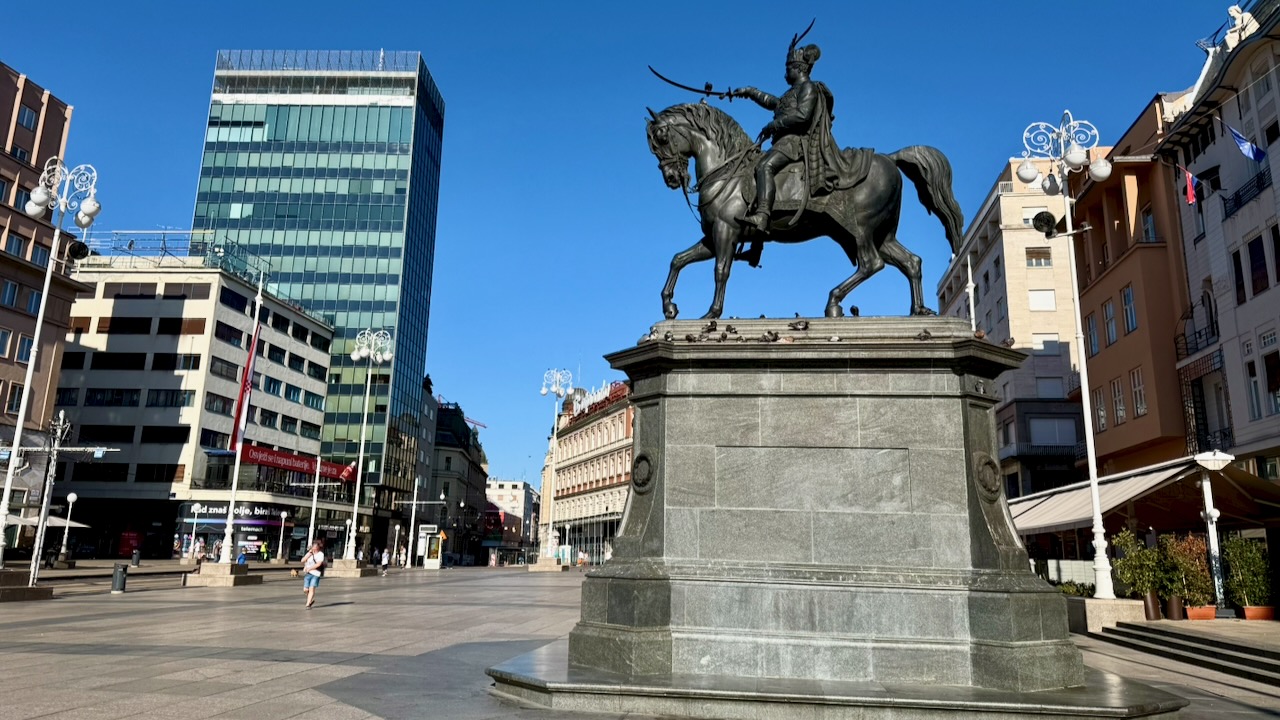
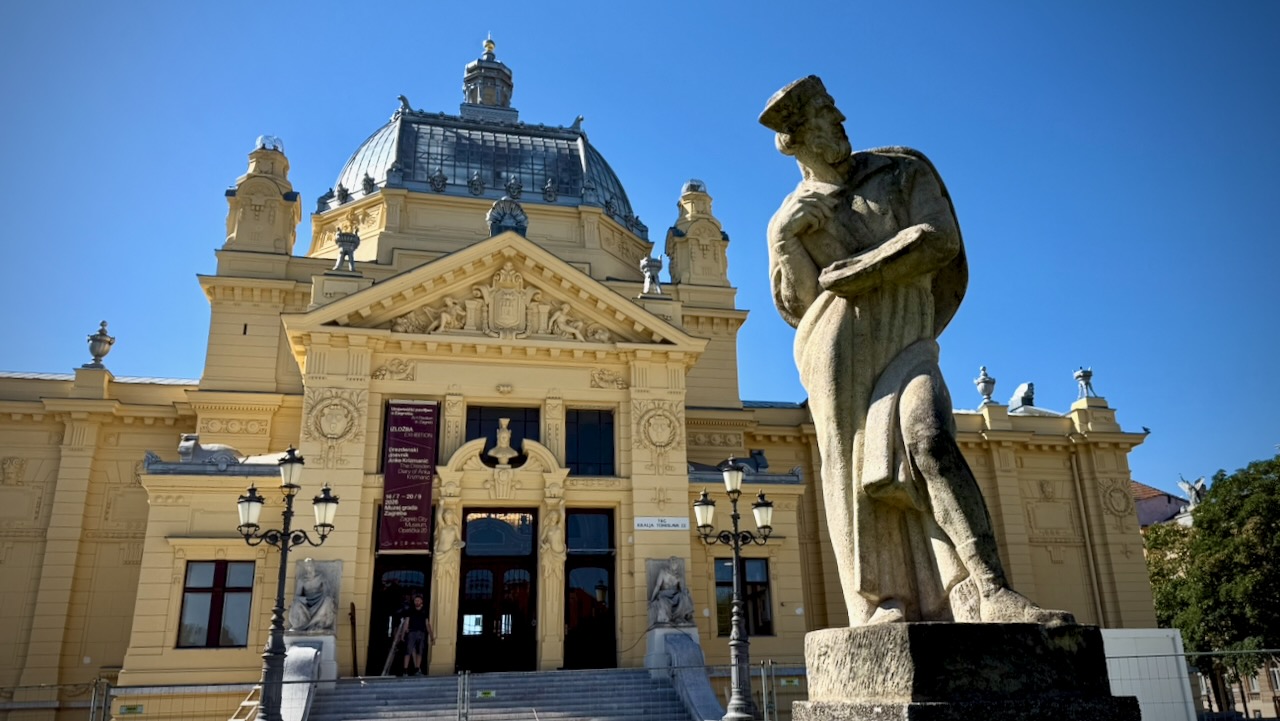
King Tomislav Square greets visitors across from the railway station. This is the Art pavilion.
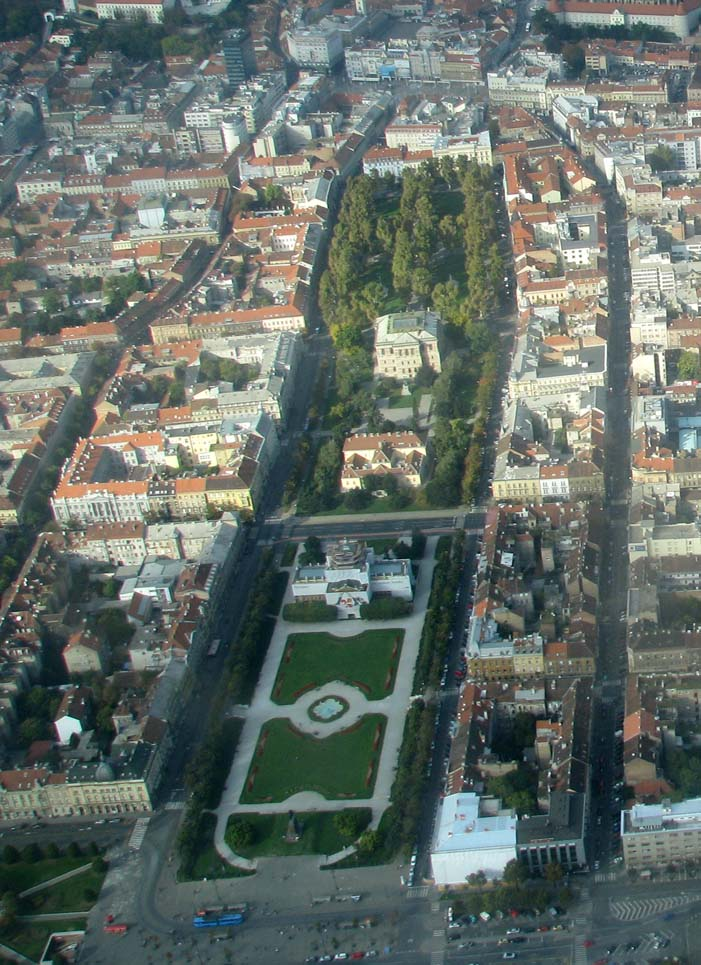
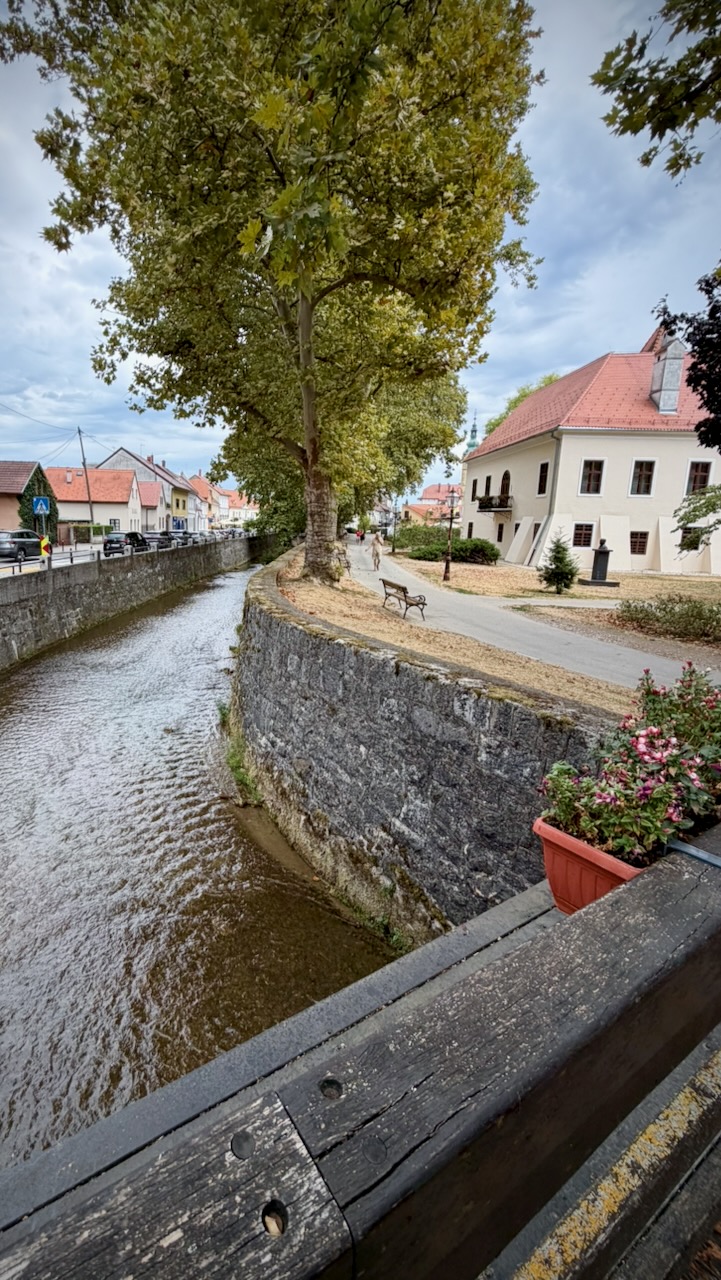
I walked the Green Horseshoe from here. A U-shaped ribbon of parks, botanical gardens, and fountains in the Lower Town. All that green space is useful as the rest of the city is filled with second hand smoke. About 38% of the adult population of Croatia is addicted. Many of those are chain smokers.
Croatia officially declared independence from the Socialist Federal Republic of Yugoslavia on June 25, 1991. This split led to the Croatian War of Independence, which lasted from 1991 to 1995 as the country fought to secure its sovereign borders.
Since that time, the coastal cities have become BIG tourist destinations.
But the inland capital, Zagreb, is often just a transit hub.
It does have its charms.
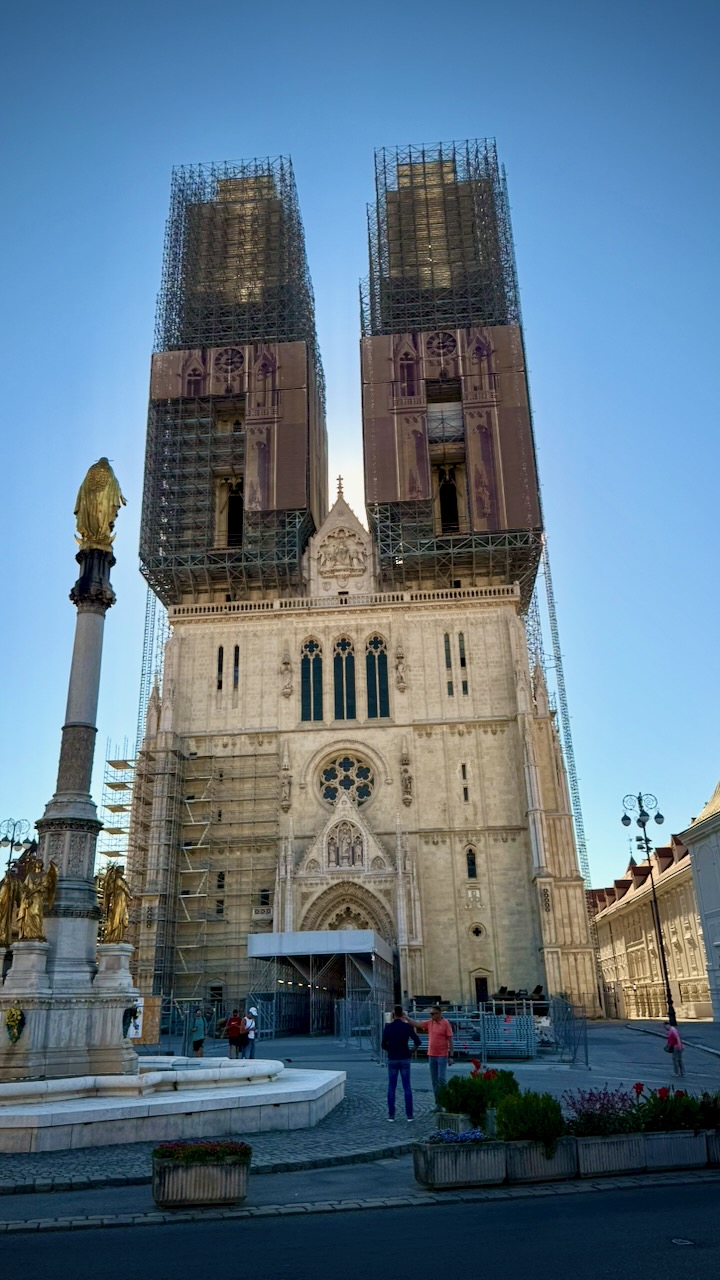
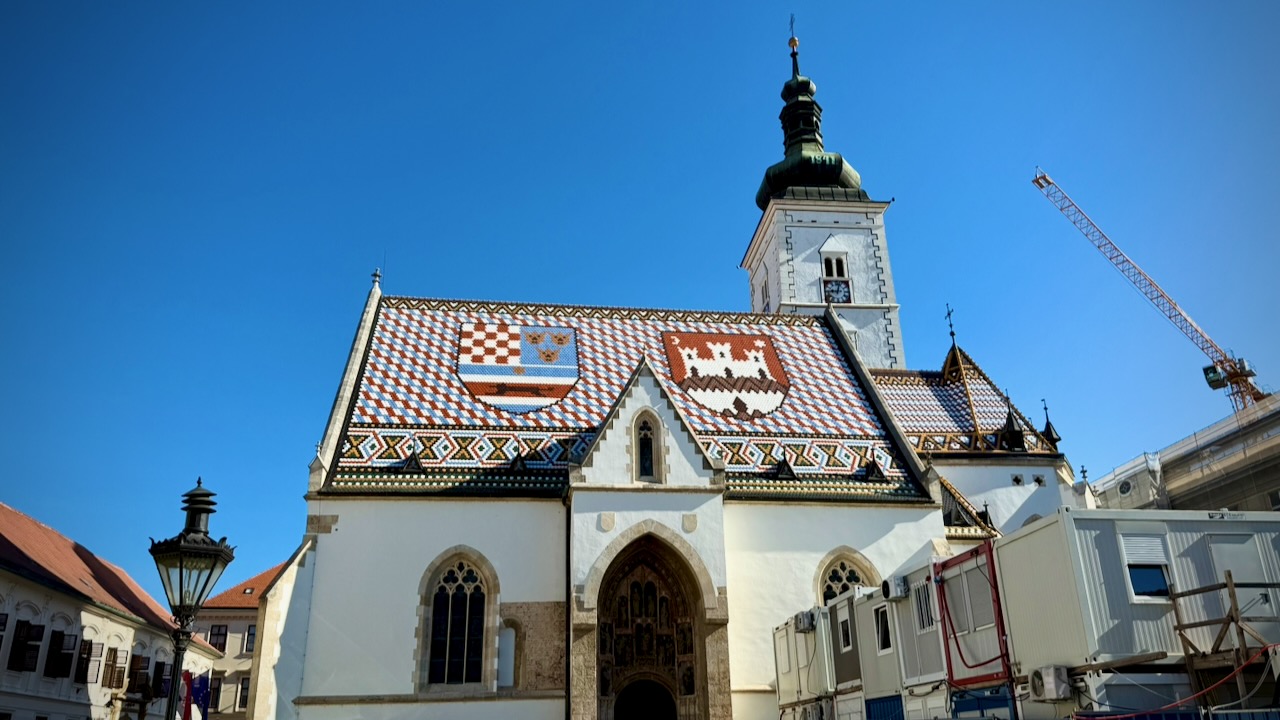
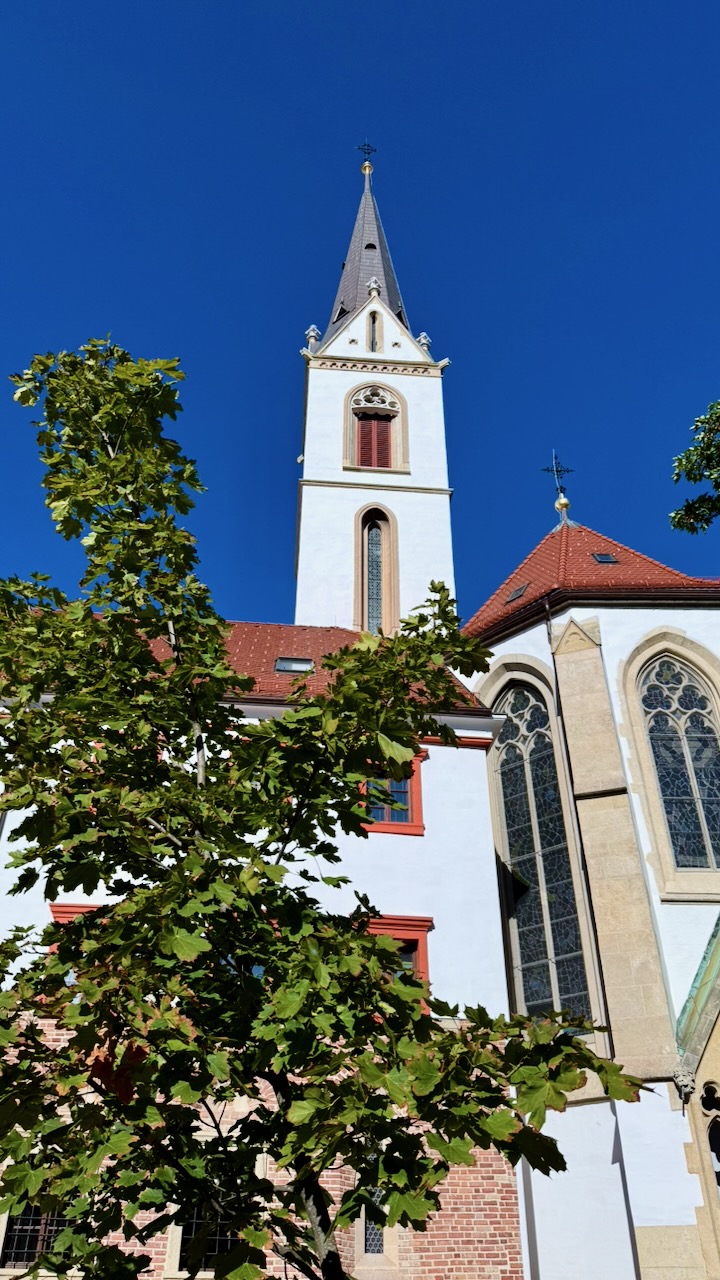
The historic buildings are impressive.
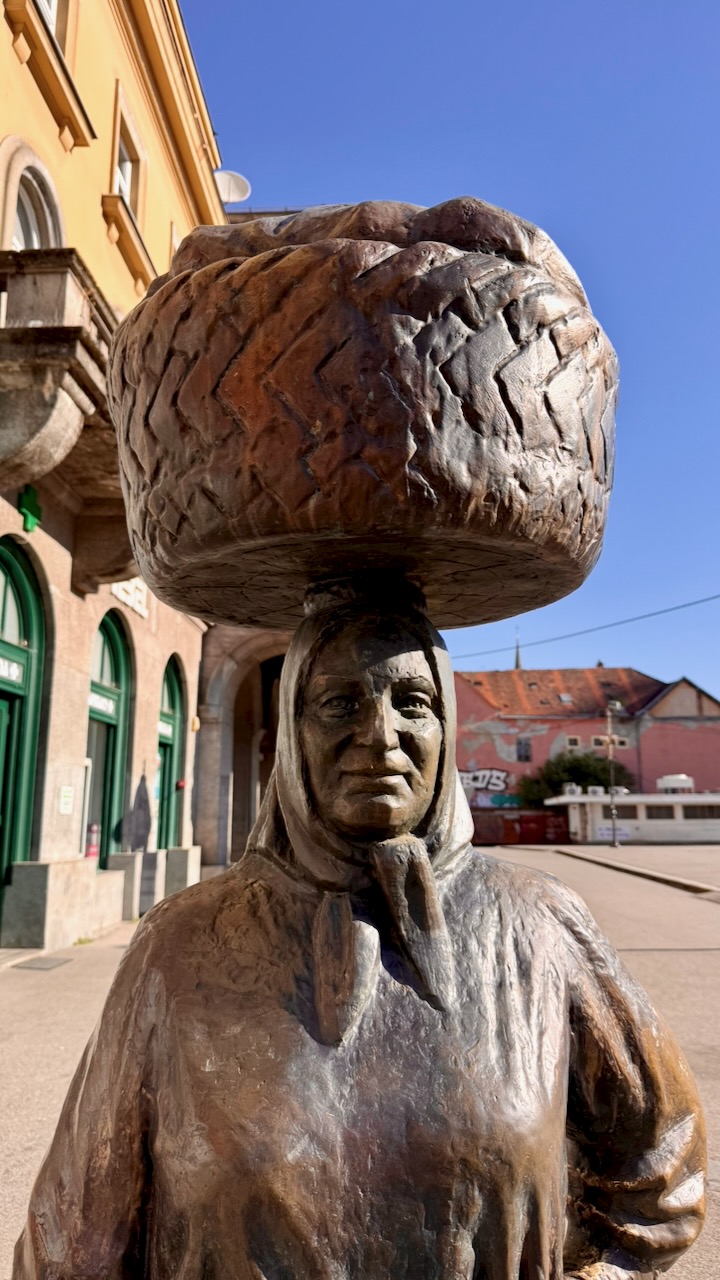
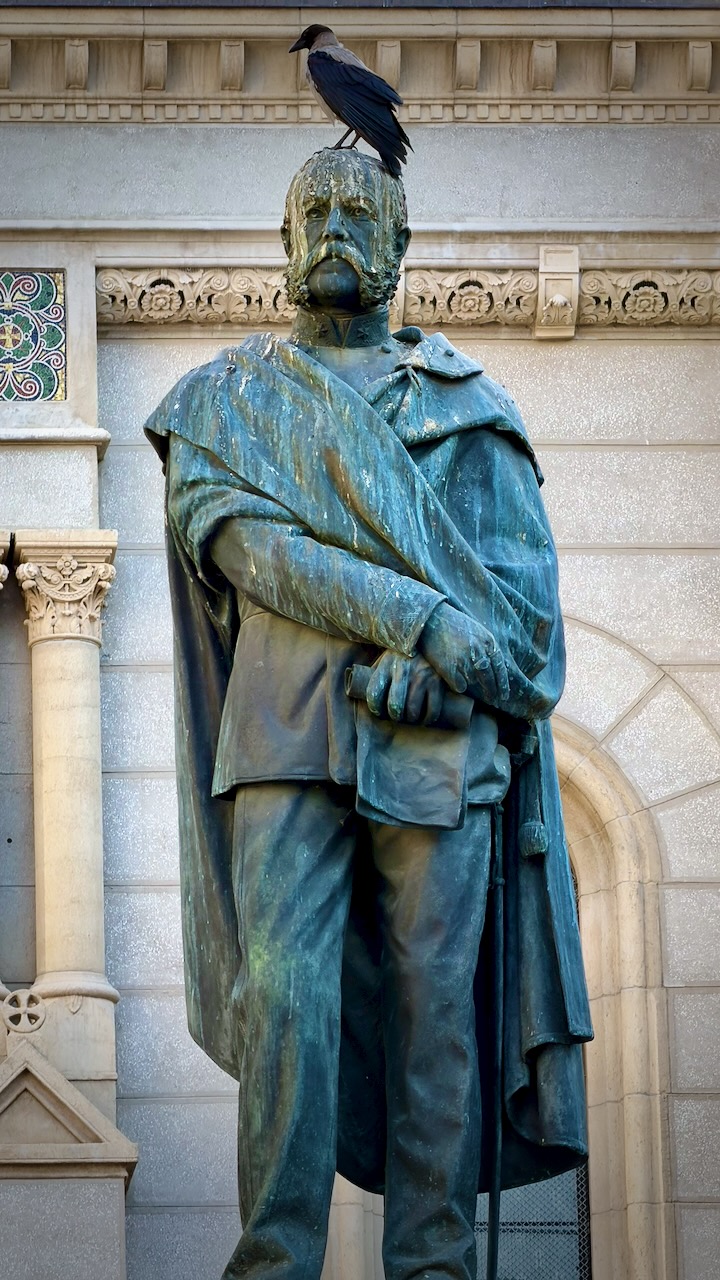
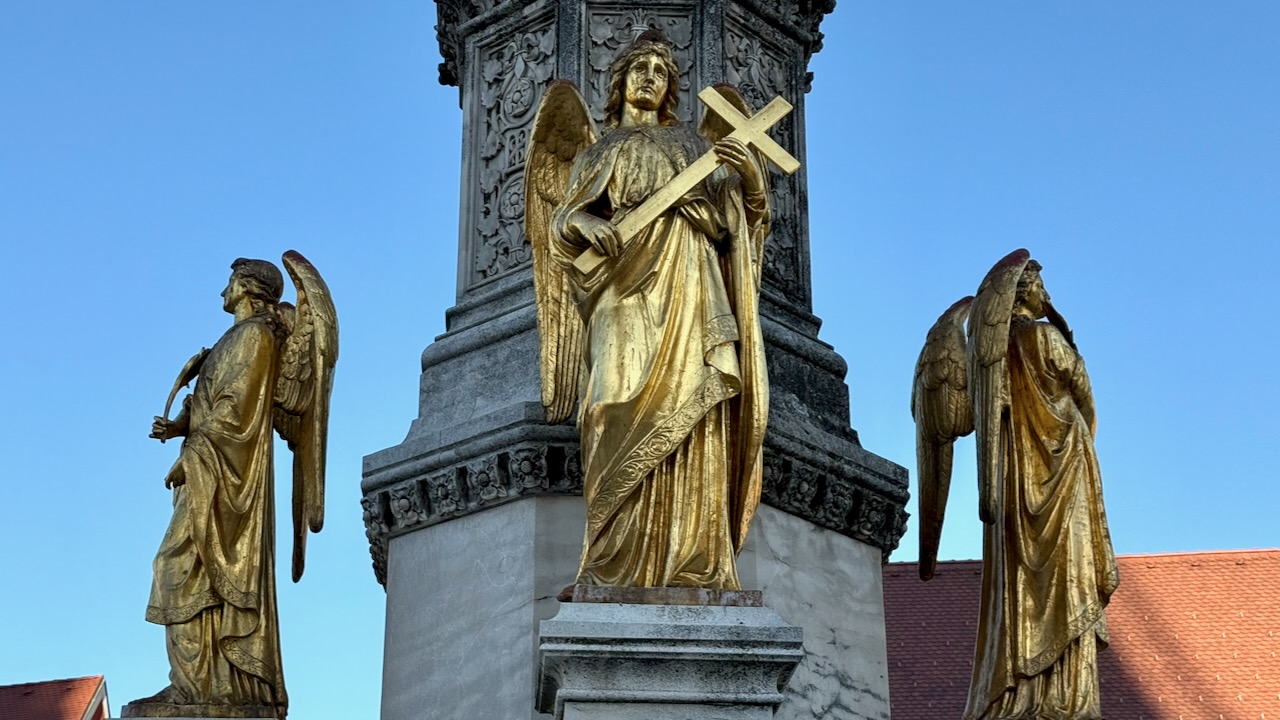
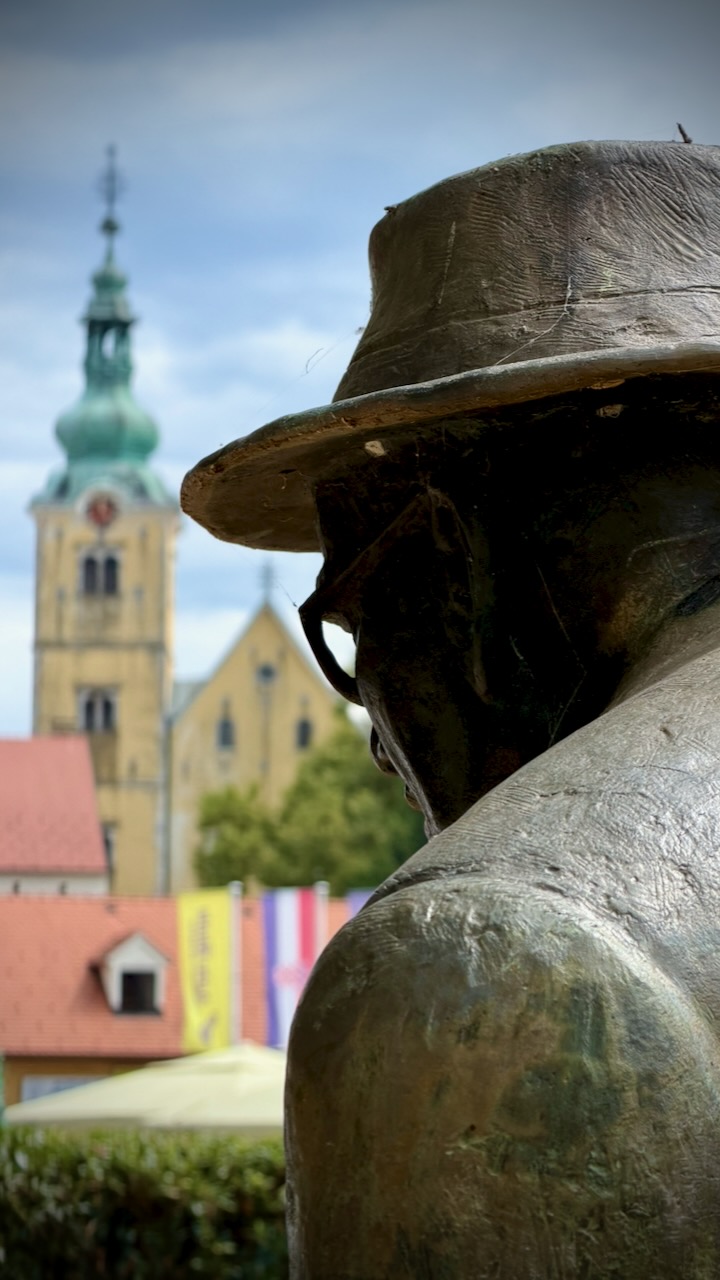
Statues are dumb …
… but I like taking photos of them, anyway.
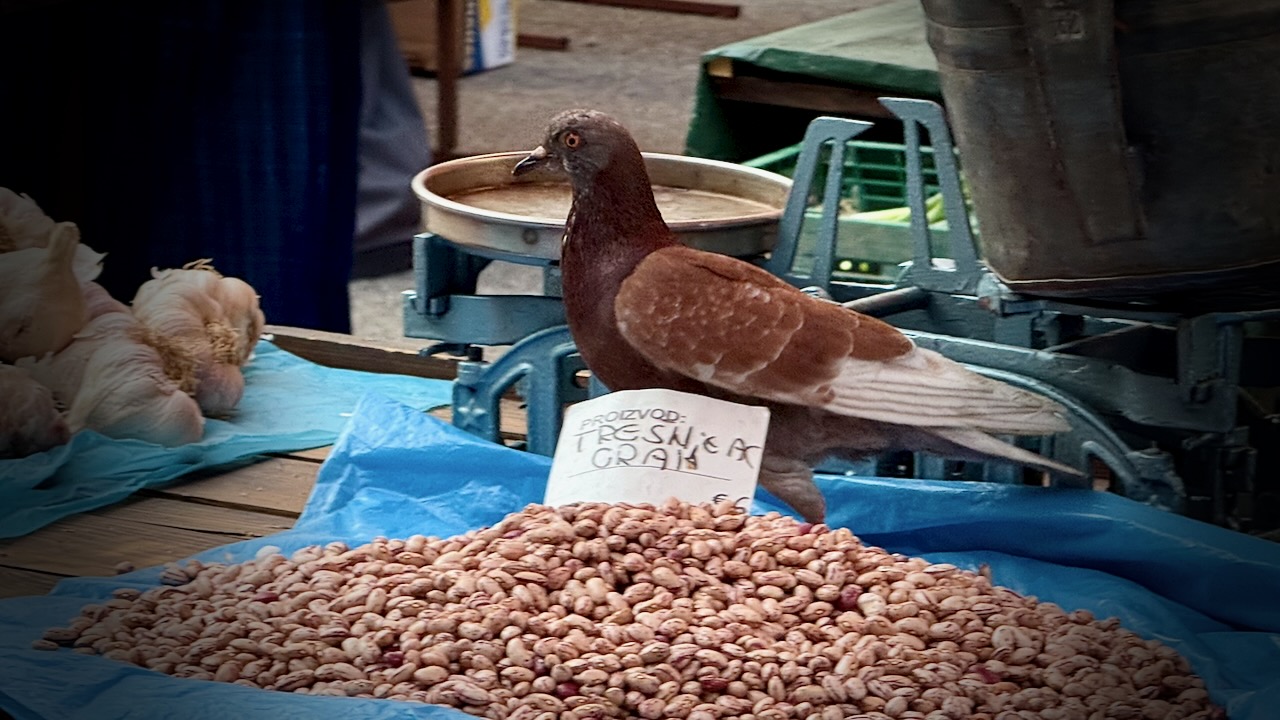
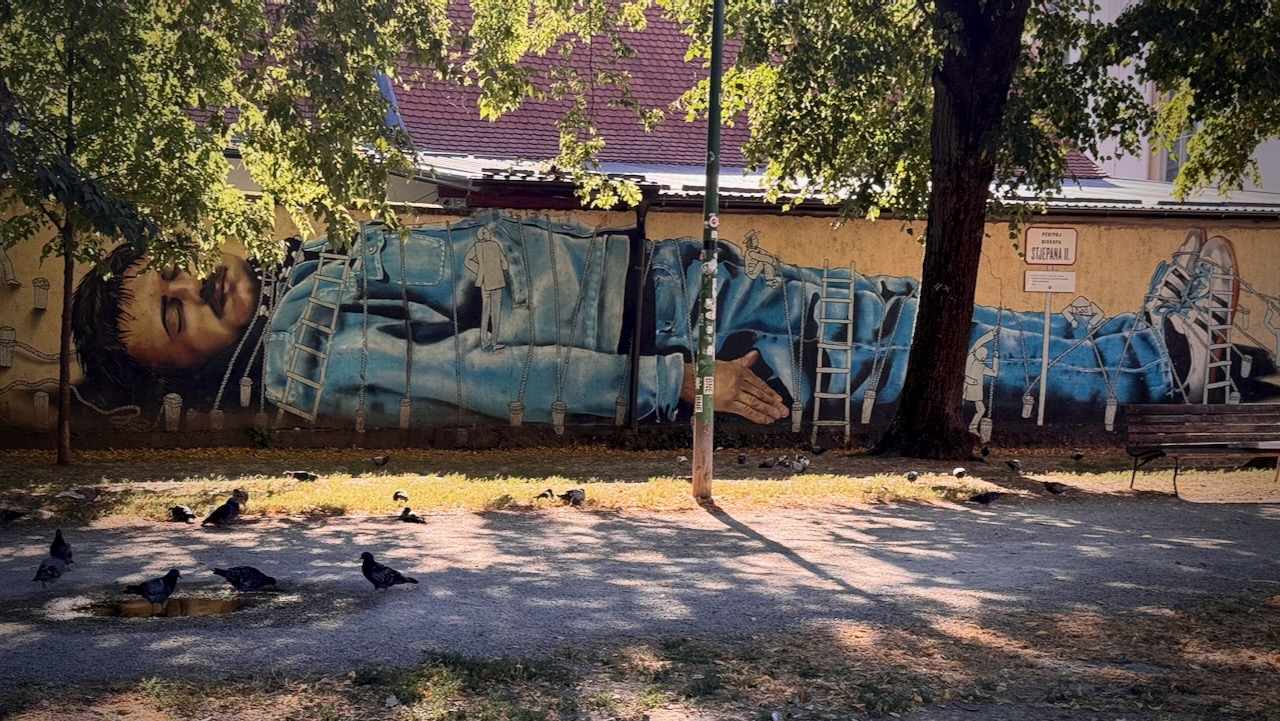
Jogging the streets early morning, you are bound to stumble upon something interesting.
There are pretty spots. Rarely crowded.
When I had 2 nights off, I caught the bus out to nearby Samobor for hiking. Small town Croatia is definitely more relaxing than the BIG SMOKE ➙ Zagreb.
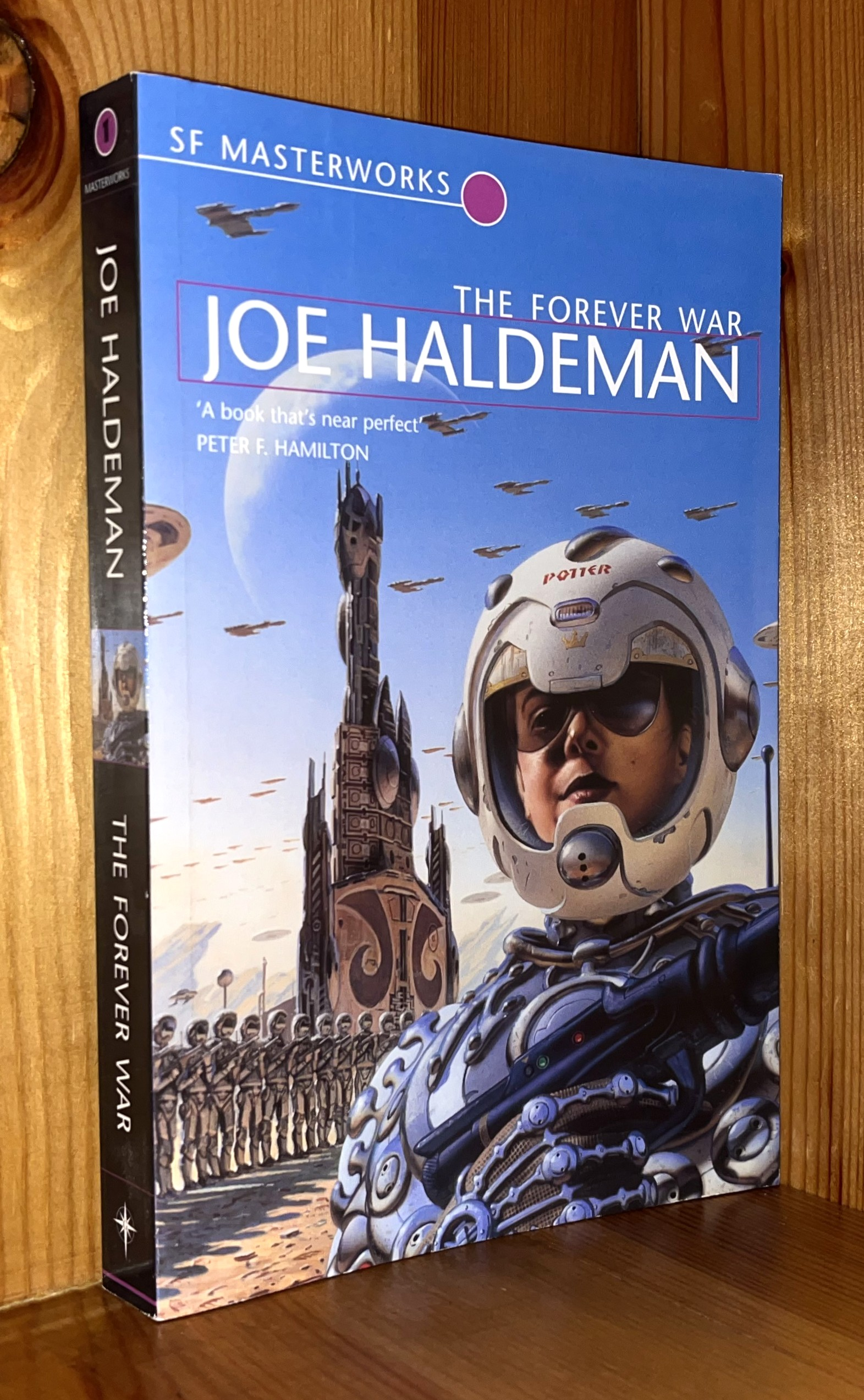
The Forever War is a 1974 landmark military science fiction novel written by Joe Haldeman that uses an interstellar conflict to deliver a powerful allegory about the senselessness of war and the isolation felt by returning veterans.
Drawing heavily from Haldeman’s personal experiences as a drafted combat engineer who was wounded in the Vietnam War, the book is widely considered a foundational classic of modern science fiction.
Plot
The narrative follows William Mandella, a physics student drafted into an elite United Nations military unit tasked with fighting the Taurans, a newly discovered, enigmatic alien species. The core mechanic driving the book’s psychological tragedy is time dilation.
The Physics of Travel: To engage the enemy, human soldiers must travel through collapsars at near-light speeds.
The Cost of Dilation: While a mission lasts only a few months or years for Mandella, decades or centuries flash by on Earth.
Alienation: Every time Mandella returns from battle, Earth’s society has evolved dramatically, rendering it unrecognizable. Language, currency, global economics, and even basic human sexuality shift entirely, making the soldiers biological and social relics out of time.
It’s an anti-war story told from the soldier’s point of view.
The Honda Element is officially rumored to return, with an anticipated global debut expected to happen sometime in late 2028.
According to leaked production plans first reported by Automotive News, Honda is reviving the iconic, quirky crossover to target the booming outdoor adventure market.
Personally, I’d love an old (discontinued) USED Honda Element.
YES, John Malkovich does have Croatian roots. His paternal grandparents were Croatian immigrants from the hamlet of Malkovići near Ozalj, Croatia. In May 2026, he was officially granted Croatian citizenship by the government in recognition of his heritage.
The Witness (2012) is an excellent read, even if you don’t normally like Romance.
Plot Overview
The Rebellion: At 16, studious and obedient Elizabeth Fitch temporarily rebels against her strict, controlling mother. She sneaks out to a Chicago nightclub, where she is lured to a house on Lake Shore Drive.
The Crime: That same night, Elizabeth accidentally witnesses a brutal mob hit tied to the powerful Volkov organized crime family.
The Escape: When official witness protection fails to keep her safe, she vanishes on her own terms. She spends the next twelve years constantly on the move.
The New Life: Now known as Abigail Lowery, she lives a highly isolated life in the Arkansas Ozarks. She works from home as a freelance security systems designer. Her property is fortified with high-tech security, firearms, and a fierce guard dog named Bert.
The Complication: Her eccentric, reclusive lifestyle immediately draws the attention of the local police chief, Brooks Gleason. As Brooks tries to untangle her mysterious past, their growing romantic connection threatens her safety. The dangerous men from her past begin closing in.
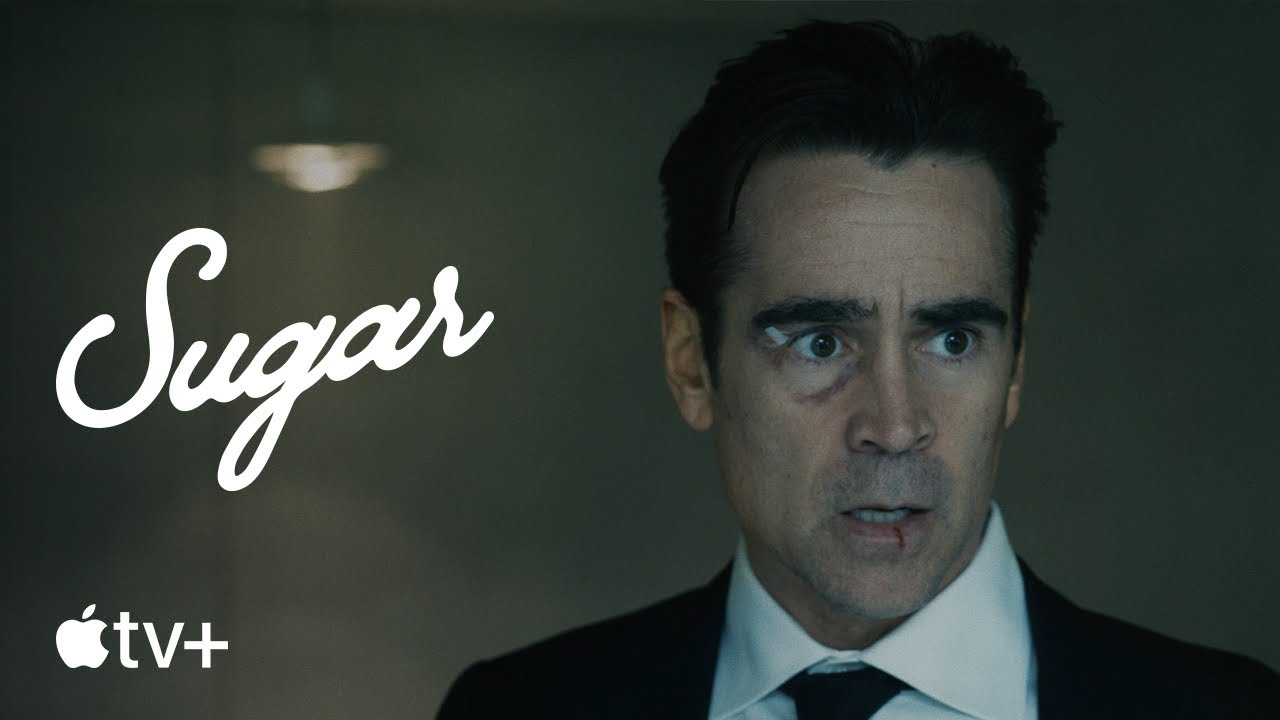
Described as “a genre-bending contemporary take on the private detective story set in Los Angeles”, it follows John Sugar, a private investigator recruited by a wealthy movie producer to investigate the disappearance of his granddaughter.
Much influenced by black and white films of the 1940s and 50s.
BIG surprise by the end of season.
Season 2
Reviews were even better for season 2. It’s a more straight forward story.
But I much preferred the originality and surprises of season 1.