In Paris April 1874 thirty artists participated in an exhibition.
The critical response was mixed.
Monet and Cézanne received the harshest attacks.
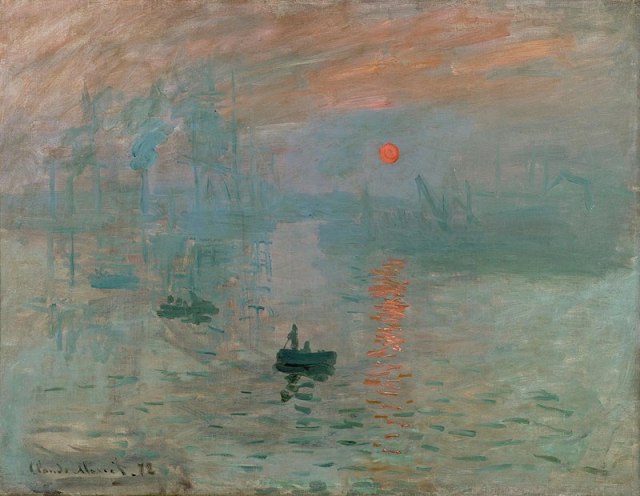
Critic and humorist Louis Leroy wrote a scathing review in the newspaper Le Charivari in which, making wordplay with the title of Claude Monet’s Impression, Sunrise(Impression, soleil levant), he gave the artists the name by which they became known.
Derisively titling his article The Exhibition of the Impressionists, Leroy declared that Monet’s painting was at most, a sketch, and could hardly be termed a finished work. …
The term Impressionist quickly gained favour with the public. It was also accepted by the artists themselves, even though they were a diverse group …
These techniques include:
Short, thick strokes of paint quickly capture the essence of the subject, rather than its details. The paint is often applied impasto.
Colours are applied side-by-side with as little mixing as possible, a technique that exploits the principle of simultaneous contrast to make the colour appear more vivid to the viewer.
Grays and dark tones are produced by mixing complementary colours. Pure impressionism avoids the use of black paint.
Wet paint is placed into wet paint without waiting for successive applications to dry, producing softer edges and intermingling of colour.
Impressionist paintings do not exploit the transparency of thin paint films (glazes), which earlier artists manipulated carefully to produce effects. The impressionist painting surface is typically opaque.
The paint is applied to a white or light-coloured ground. Previously, painters often used dark grey or strongly coloured grounds.
The play of natural light is emphasized. Close attention is paid to the reflection of colours from object to object. Painters often worked in the evening to produce effets de soir—the shadowy effects of evening or twilight.
In paintings made en plein air (outdoors), shadows are boldly painted with the blue of the sky as it is reflected onto surfaces, giving a sense of freshness previously not represented in painting. (Blue shadows on snow inspired the technique.)
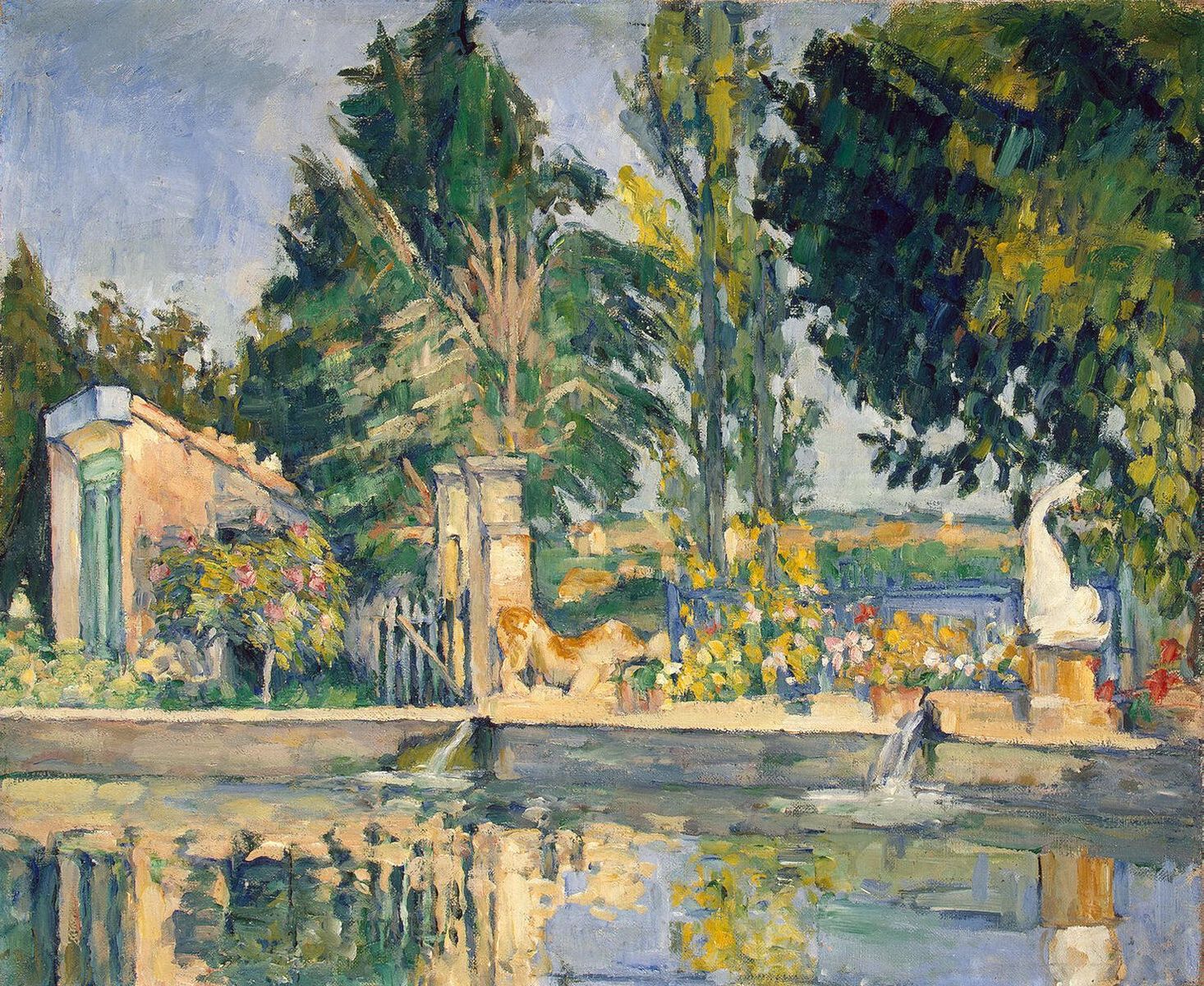
Paul Cézanne: The pool at Jas de Bouffan
Impressionists took advantage of the mid-century introduction of premixed paints in tin tubes (resembling modern toothpaste tubes), which allowed artists to work more spontaneously, both outdoors and indoors. …
Many vivid synthetic pigments became commercially available to artists for the first time …
The central figures in the development of Impressionism in France, listed alphabetically, were:
Frédéric Bazille (who only posthumously participated in the Impressionist exhibitions) (1841–1870)
Gustave Caillebotte (who, younger than the others, joined forces with them in the mid-1870s) (1848–1894)
Mary Cassatt (American-born, she lived in Paris and participated in four Impressionist exhibitions) (1844–1926)
Paul Cézanne (although he later broke away from the Impressionists) (1839–1906)
Edgar Degas (who despised the term Impressionist) (1834–1917)
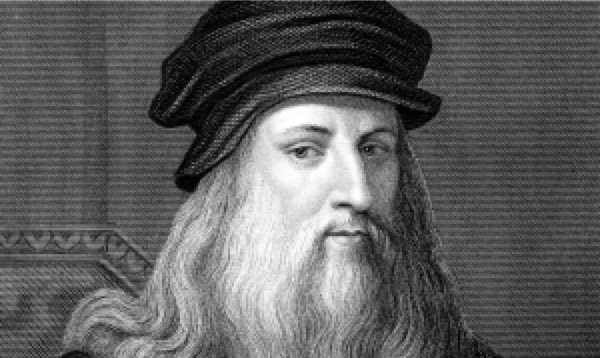
he wrote right to left on the page in mirror script
he was hundreds of years ahead of his time in some scientific disciplines
Mike Sissons, the young artist, was a fan. He was first to tell me those facts.
I loved Isaacson’s Steve Jobs biography. For me Leonardo was not as riveting as the Jobs book. But I still recommend it. Leonardo’s life story is very interesting and entertaining.
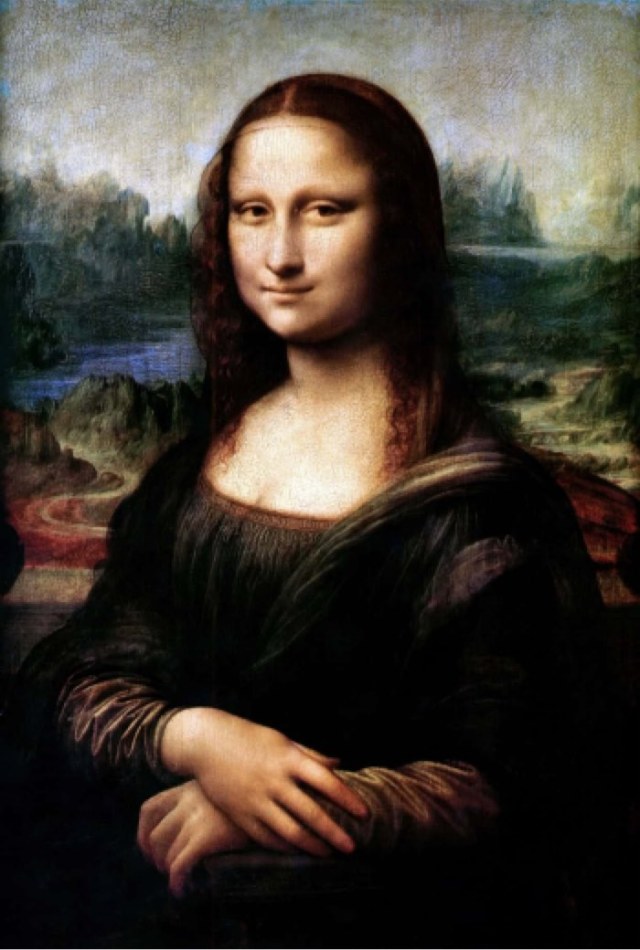
I was surprised to learn Leonardo finished very few projects over his long career. He died carrying Mona Lisa and other paintings around with him as he simply could never decided they were finished.
He was more interested in studying the tongue of the woodpecker than in working on his paintings.
At times he hated the paint brush. Studying nature to satisfy his own curiosity was more compelling, especially near the end of his life.
His last words:
The soup is getting cold.
I bought the audio version but Kindle would be better. The book comes with 144 illustrations.
Blake Morrison review:
Flamboyant, illegitimate and self taught, he was unreliable and an unashamed self-publicist. He was also one of the most gifted and inventive men in history
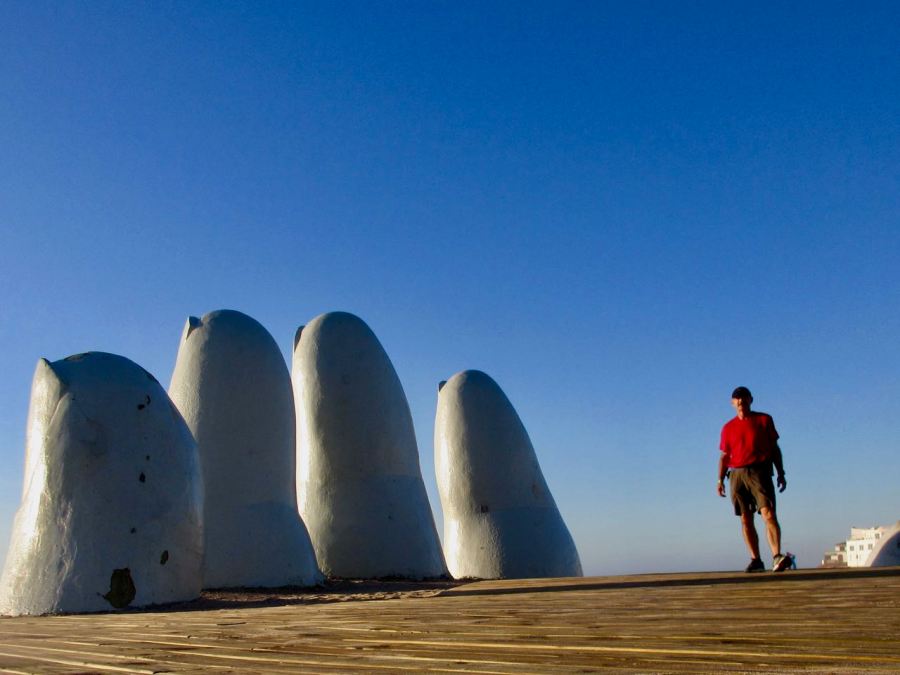
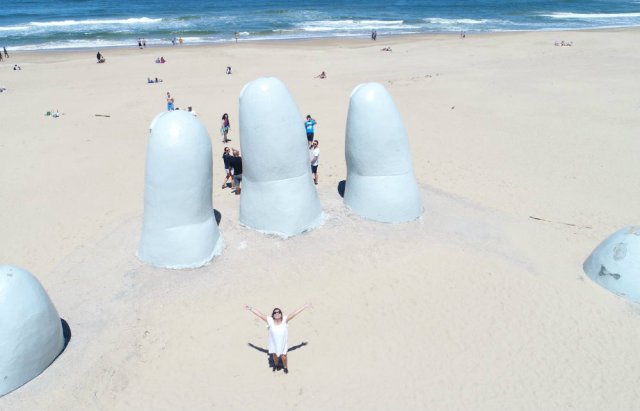
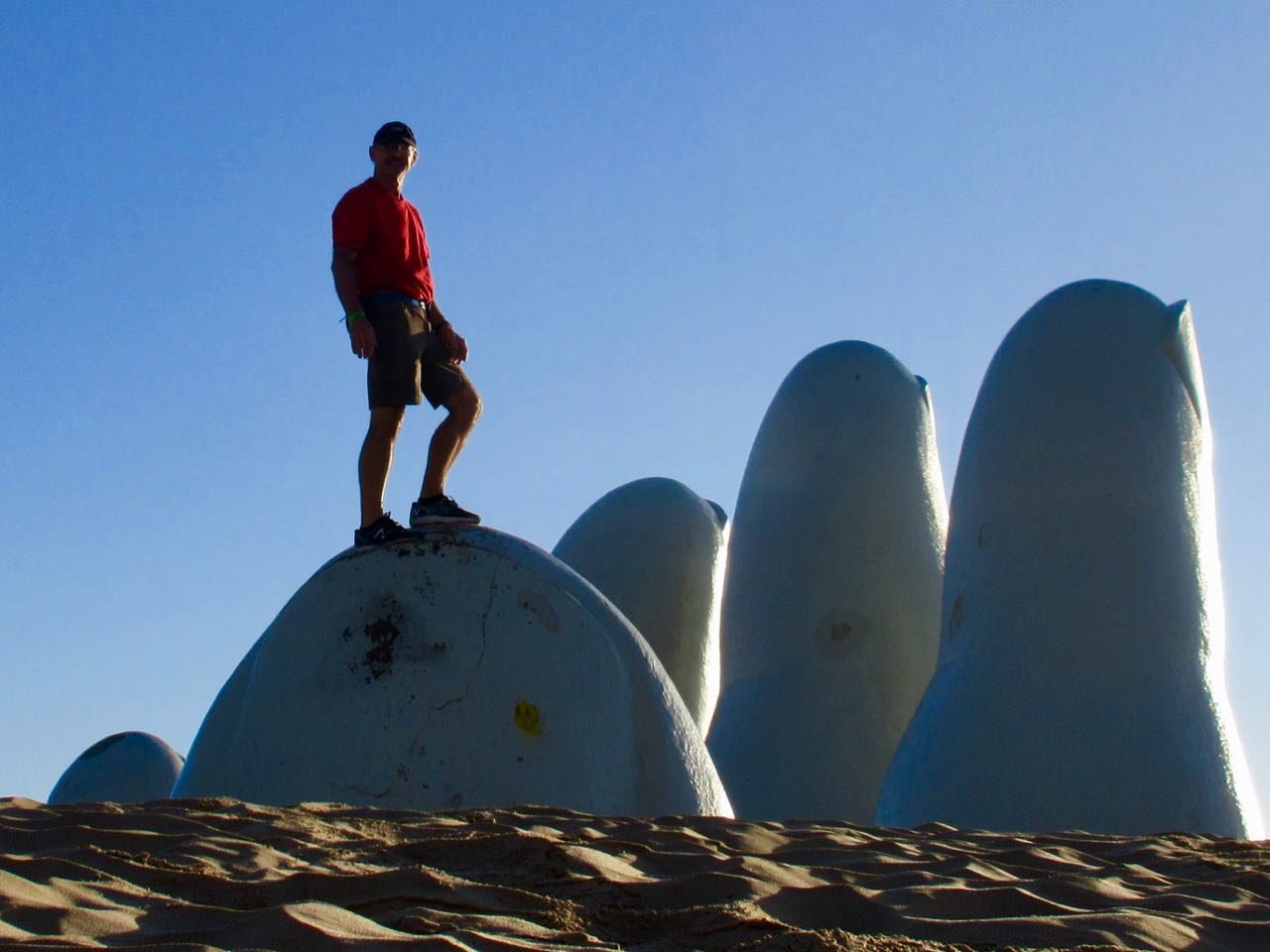
La Mano (The Hand) is a sculpture in Punta del Este by Chilean artist Mario Irarrázabal. It depicts five human fingerspartially emerging from sand …
It is also known as either Monumento al Ahogado (Monument to the Drowning Man), Los Dedos (The Fingers), or Hombre emergiendo a la vida(Man Emerging into Life). In English, it’s popular name is The Hand. …
While Irarrázabal had the entire summer to complete the project, he managed to finish in the first six days …
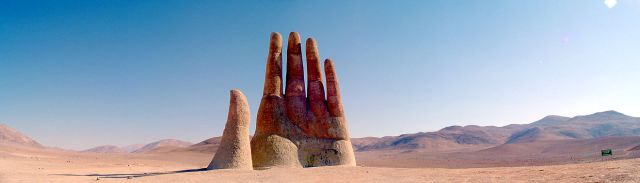
He later made near or exact replicas of the sculpture for the city of Madrid (in 1987), the Mano del Desierto (Hand of the Desert) in the Atacama Desert in Chile (1992), and in Venice (1995). …
I was surprised to find it directly across from the bus terminal. Not nearly as romantic a location as you’d guess from the photos.
Crowded most of the day, I went early morning to get the Hand to myself.
It’s deteriorating, as well. One day they’ll need do a restoration.
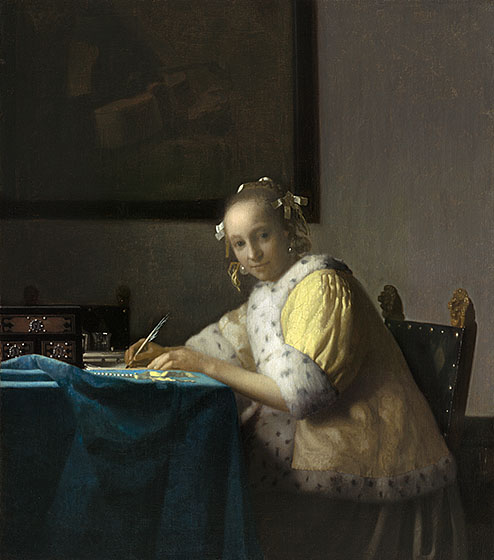
Normally the lives of rich, dead white Europeans bores me to tears. But Vermeer and those he inspired were really on to something. Daily life. Quiet scenes unfolding in private household spaces.
I’d definitely visit the National Gallery again in future as I did not nearly see all of the exhibits. Not even by speed walking.
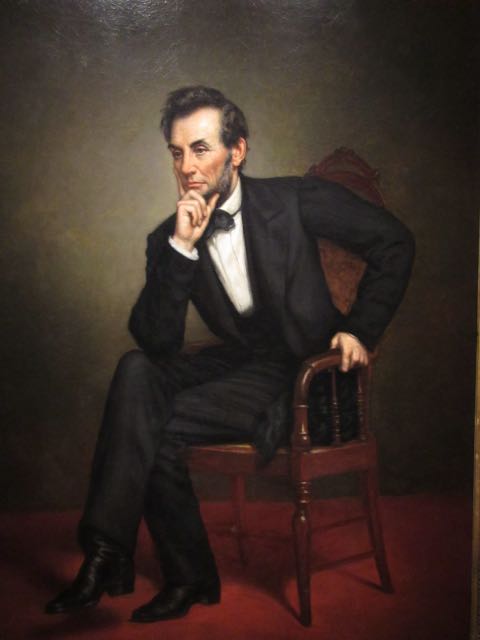
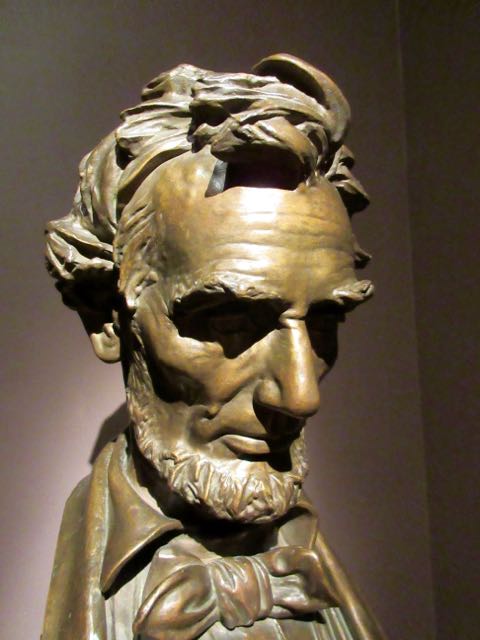
No President, not even Washington, inspires Americans more than honest Abe.
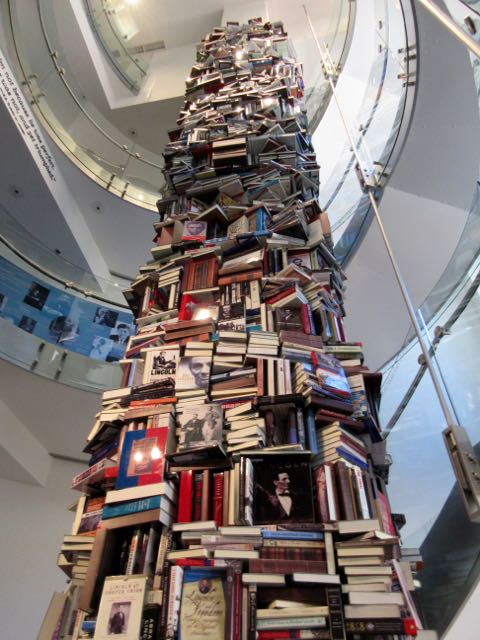
There are well over 15,000 books written about him.
Ford Theater bookstore
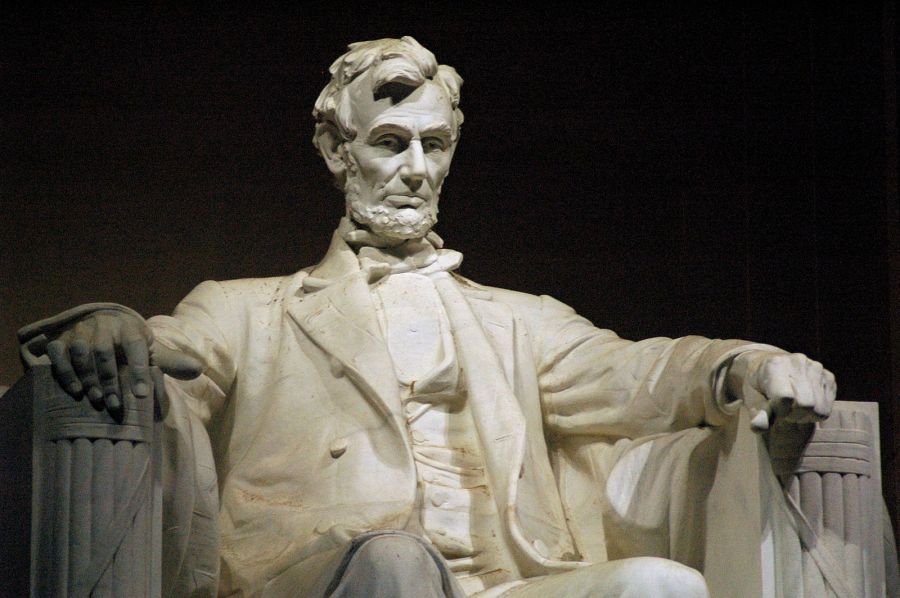
I visited the Lincoln Memorial twice. It’s very popular at dusk.
His statue could not be more impressive.
Four score and seven years ago our fathers brought forth on this continent, a new nation, conceived in Liberty, and dedicated to the proposition that all men are created equal.
The American Foundation for Suicide Prevention were hosting an Out of the Darkness Walk here when I visited.
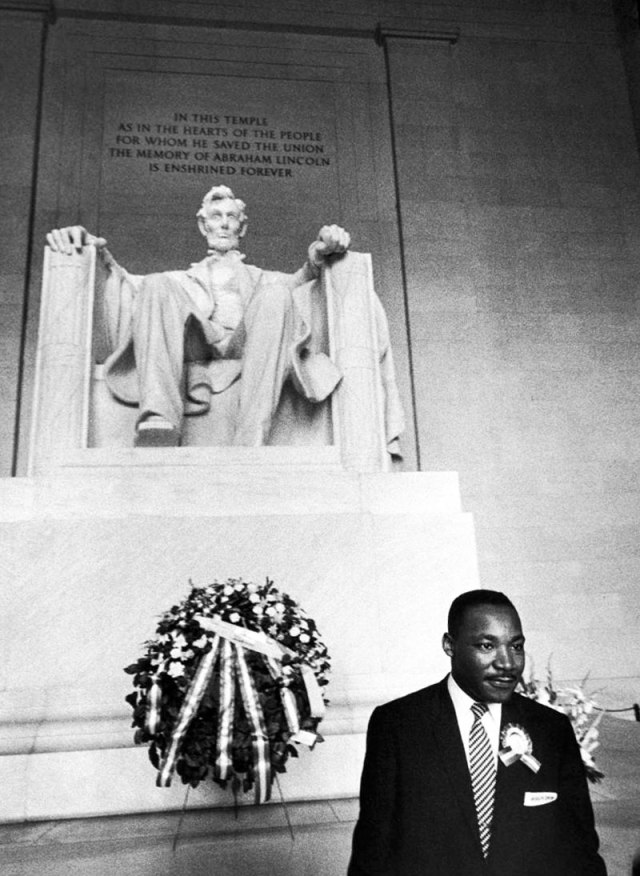
In 1963 Martin Luther King, Jr., delivered his “I have a dream…” speech here.
I have a dream that one day this nation will rise up and live out the true meaning of its creed: ‘We hold these truths to be self-evident: that all men are created equal’.
Lincoln’s work is far from finished. He needs inspire many more for many generations to come.















 Rick McCharles