Mozambique is a huge country, twice as long as California.
Tourists mainly visit for the sea. Beautiful beaches and diverse water sports.
I was in Maputo volunteering for the International Gymnastics Federation, my 3-day coaching course hosted at the nation’s main Faculty of Physical Education and Sport.
After it finished, I stayed one extra night with my host Edmundo Ribeiro.
Maputo is considered one of the most interesting and friendly African capitals.
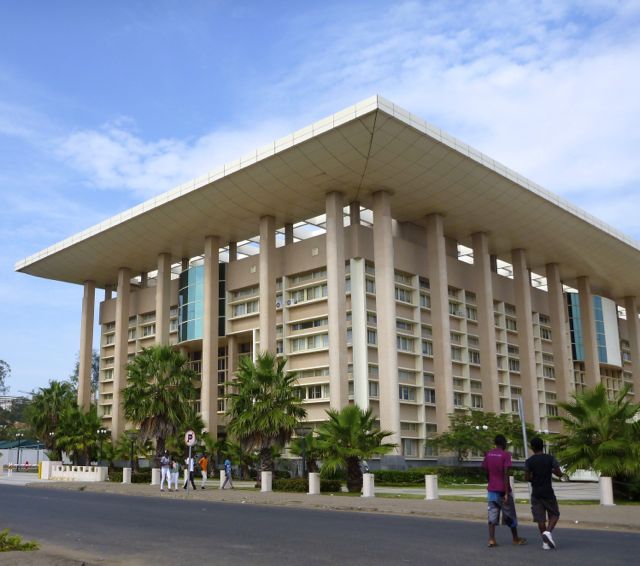
It has a lazy tropical feel yet is scattered with high rise buildings. We took a Sunday afternoon driving tour of the relaxed capital city.
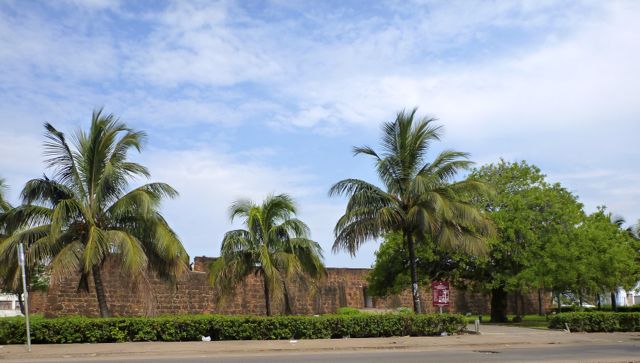
historic fort
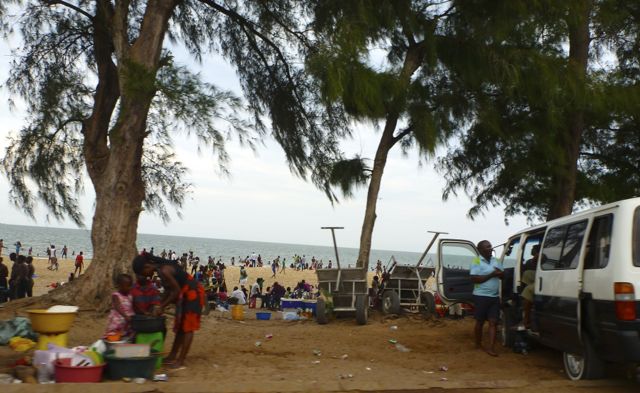
The beach was packed on a Sunday.
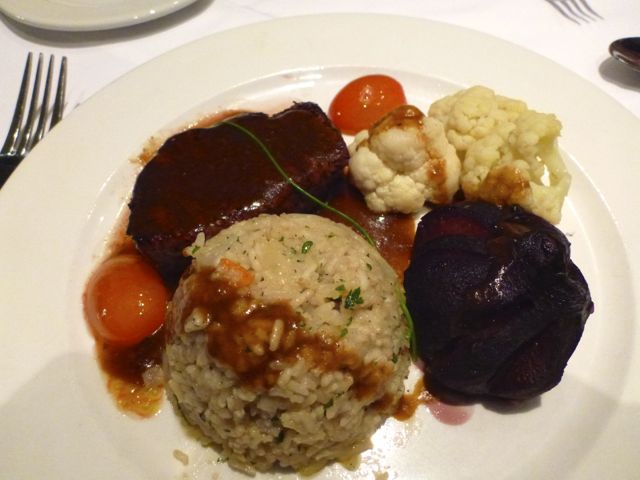
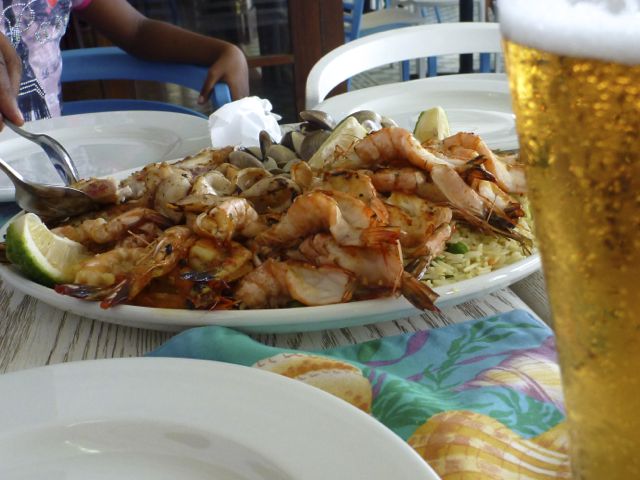
The highlight was a seafood feast at Restaurante Costa do Sol, a “Maputo classic”.
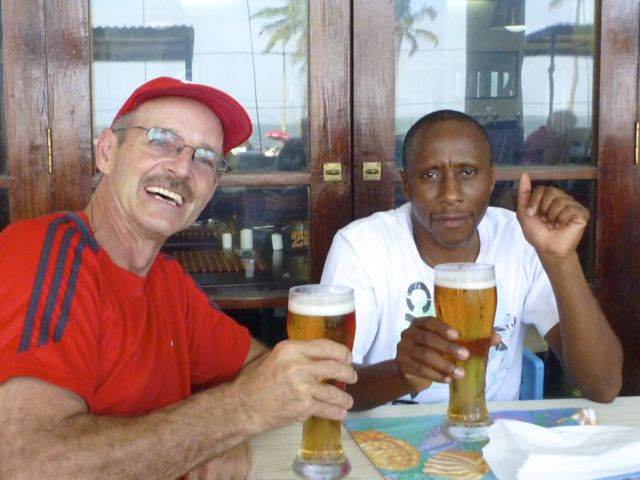
2M BEER
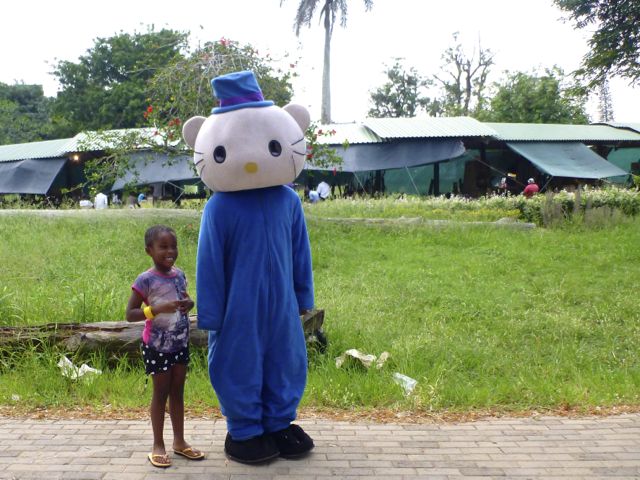
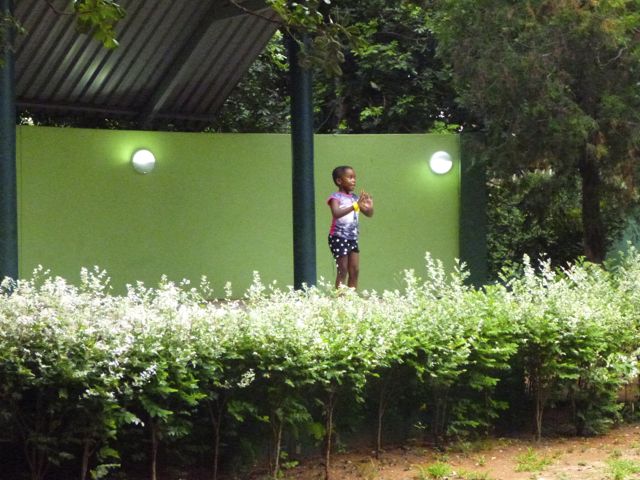
Edmundo’s daughter in a popular city park.
How to finish the day?
ICE CREAM, of course.
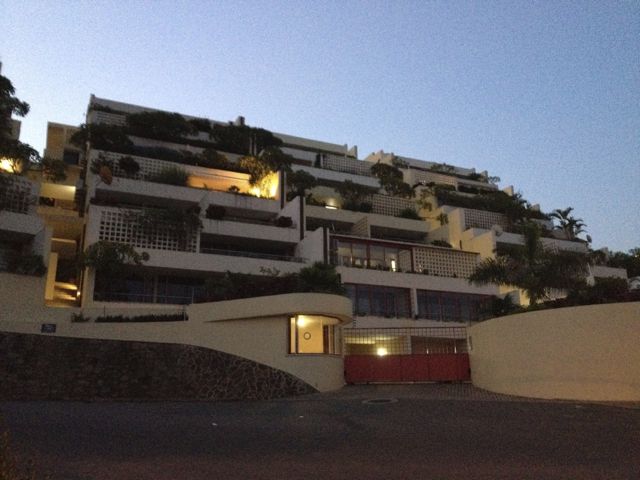
Unlike South Africa, affluent citizens are not nearly so conspicuous. You have to search them out. They live here.
I’ve met people who contracted malaria in Maputo. But over 5 days there in March I saw only 2 mosquitoes.
Maputo is infamous for random police checks, especially of tourists. The usual request is for a small bribe in exchange for the return of your passport. Savvy travellers carry, instead, a notarized copy of the passport. And ask to be taken to the police station when stopped.
I was carrying my passport when Edmundo got waived over for a random police check. … As it turned out, the lights were not working on one side of his vehicle. It was not random. After paying a small bribe, we drove on.
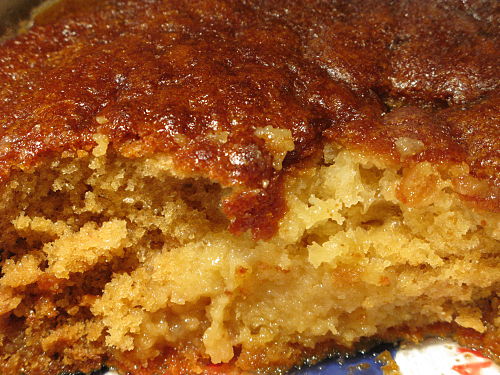
Malva Pudding is a sweet pudding of Cape Dutch origin, usually served hot with custard and/or ice-cream. It is made with apricot jam and has a spongy caramelized texture. It is often found on the dessert menu of South African restaurants.
The pudding’s name is derived from Malvasia wine from Madeira. The dessert and dessert wine used to be served together after the main course at Cape tables. …
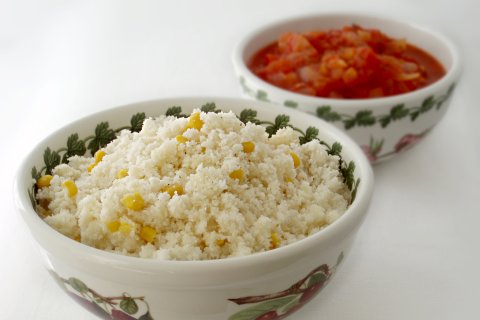
Pap … also known as mieliepap in South Africa, is a traditional porridge / polenta made from mielie-meal (ground maize) …
Afrikaners in the northern parts of South Africa eat it as breakfast staple, with milk,butter and sugar, but also serve it with meat and tomato-stew (usually tomato and onion) at other meals …
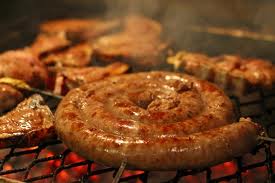
Boerewors … is a type of sausage popular in South African cuisine.
The name is derived from the Afrikaans words boer (“farmer”) and wors (“sausage”). Boerewors must contain at least 90 percent meat – always containing beef, as well as lamb or pork or a mixture of lamb and pork. The other 10% is made up of spices and other ingredients. Not more than 30% of the meat content may be fat.
Boerewors may not contain any “mechanically recovered” meat, this is meat derived through a process where meat and bone are mechanically separated. …
Biltong is a variety of cured meat that was originated in South Africa.
Various types of meat are used to produce it, ranging from beef and game meats to fillets of ostrich from commercial farms.
It is typically made from raw fillets of meat cut into strips following the grain of the muscle, or flat pieces sliced across the grain. It is similar to beef jerky in that they are both spiced, dried meats. The typical ingredients, taste and production processes differ, the main difference being that biltong is usually thicker (from cuts up to 1″ (25 mm) thick), while jerky is rarely more than 1/8″ (3 mm) thick. …
There’s no comparison. Biltong is far tastier than jerky.
koeksister … There are two popular versions of this South African syrup-coated doughnut, ie. An Afrikaner version which is a twisted or braided shape (like a plait) and a Cape Malay version which is a spicy treat finished off with a sprinkling of coconut. …





 Rick McCharles