Years ago in a New Orleans restaurant, Dave Adlard pointed out the States he had already visited on a huge wall map. Most of them. Today he’s only missing one – Arkansas.
I’d been to only about 15 States at that time.
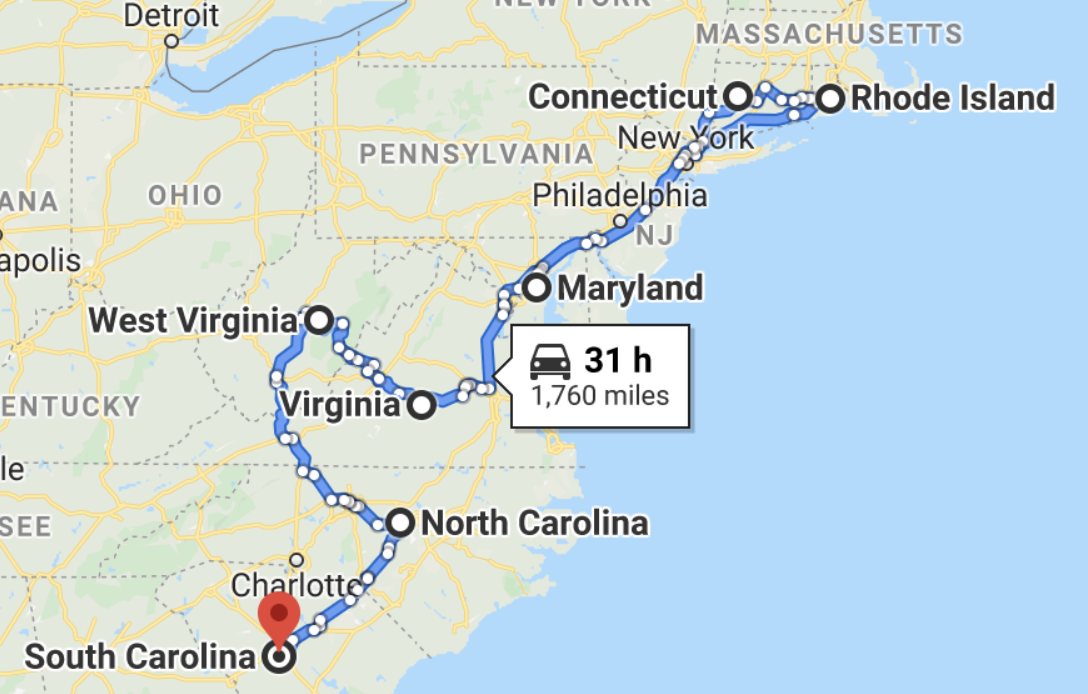
But today I’m only missing West Virginia, Virginia, South Carolina, North Carolina, Rhode Island, Maryland Connecticut — one road trip visiting Barbecue spots.
Of many, many tasty dishes in Bermuda buffets, my favourite is the crackling pork bellies at Around the World in the Eateries food court in Washington Mall, Hamilton.
In 2019 I ended up staying in Kathmandu two days at the end of my trip as the departure was out of the city.
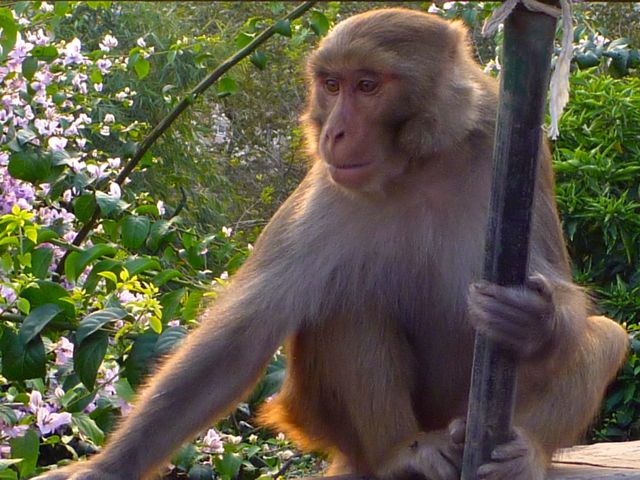
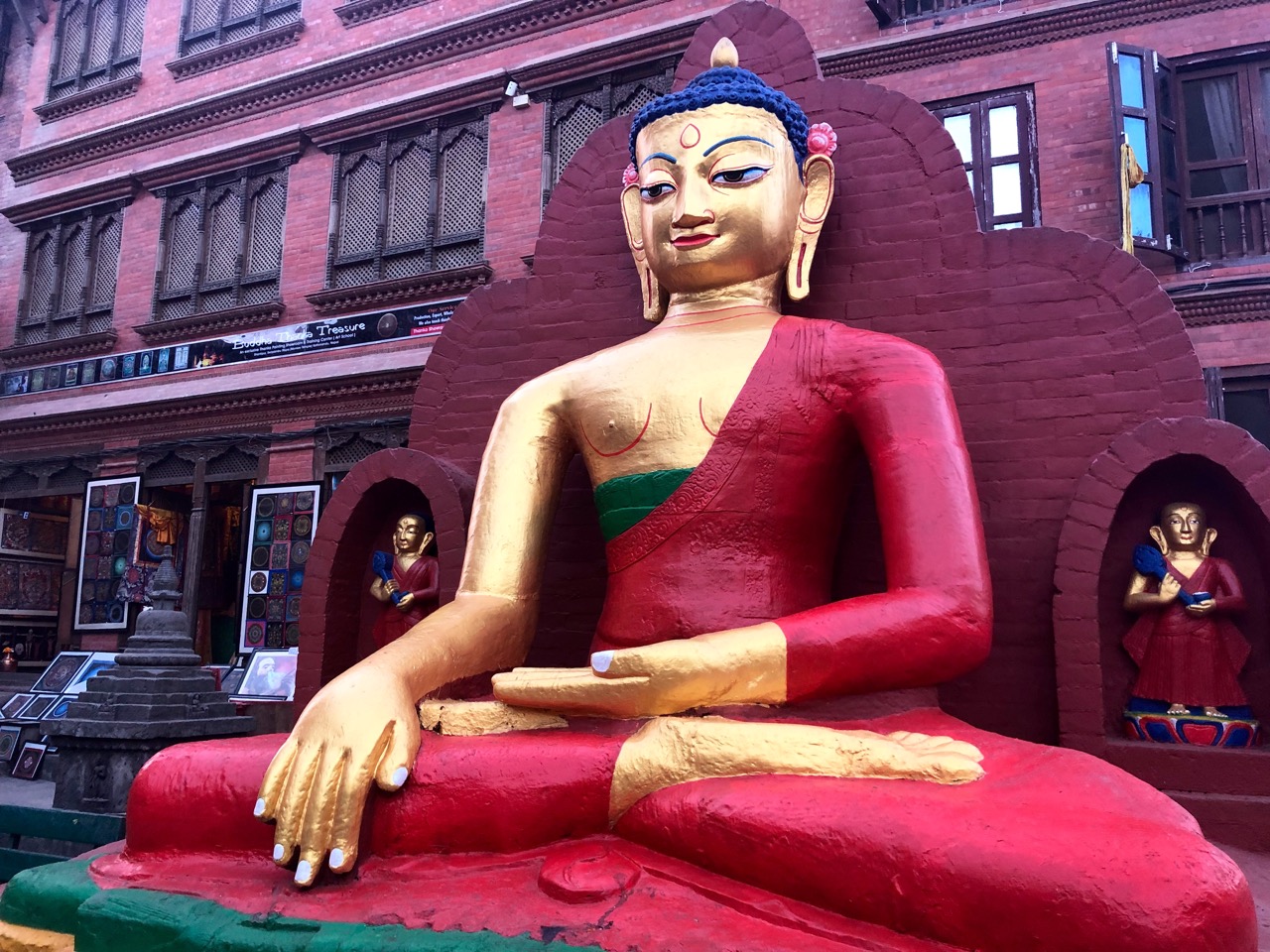
As always, I visited my favourite attraction — the Monkey Temple.
Swoyambhunath is an ancient religious complex atop a hill in the Kathmandu Valley … It is also known as the Monkey Temple as there are holy monkeys living (there) …
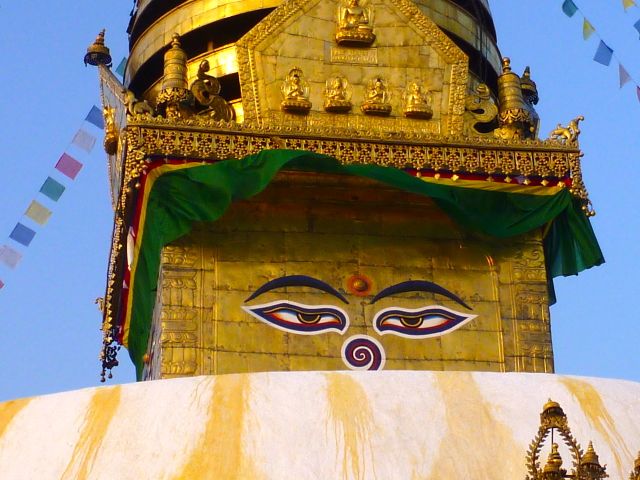
The Swayambhunath complex consists of a stupa, a variety of shrines and temples, some dating back to the Licchavi period. A Tibetan monastery, museum and library are more recent additions. …
The stupa consists of a dome at the base, above which is a cubical structure painted with eyes of Buddha looking in all four directions with the word “unity” in the main Nepali dialect between them …
The second night I went, as usual, to the Great Stupa. Had dinner on one of the rooftop restaurants.
The ancient Stupa is one of the largest in the world. The influx of large populations of refugees from Tibet has seen the construction of over 50 Tibetan Gompas (Monasteries) around Boudhanath. As of 1979, Boudhanath is a UNESCO World Heritage Site. …
Tibetan merchants have rested and offered prayers here for many centuries. When refugees entered Nepal from Tibet in the 1950s, many decided to live around Boudhanath. …
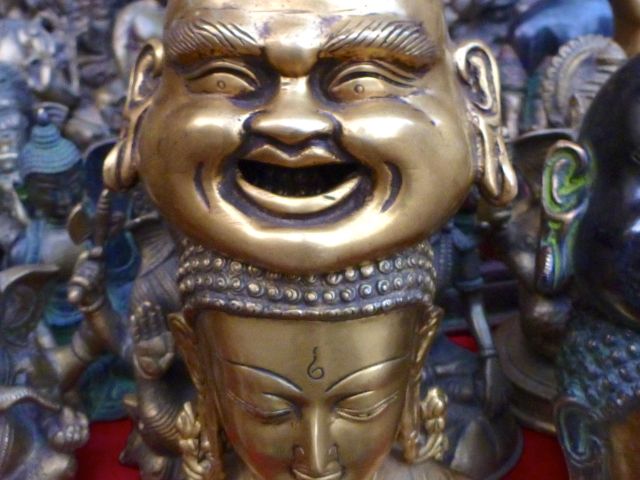
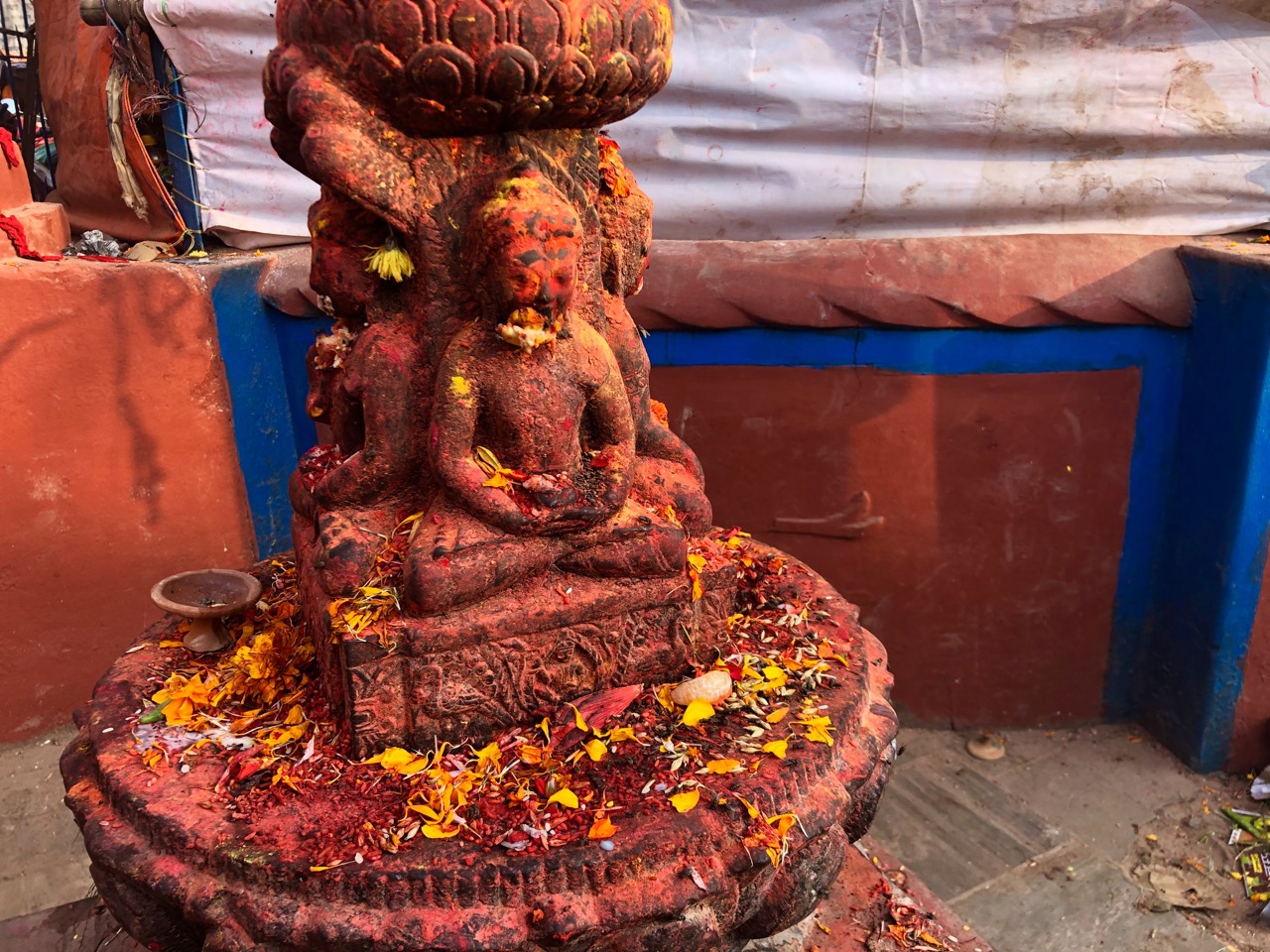
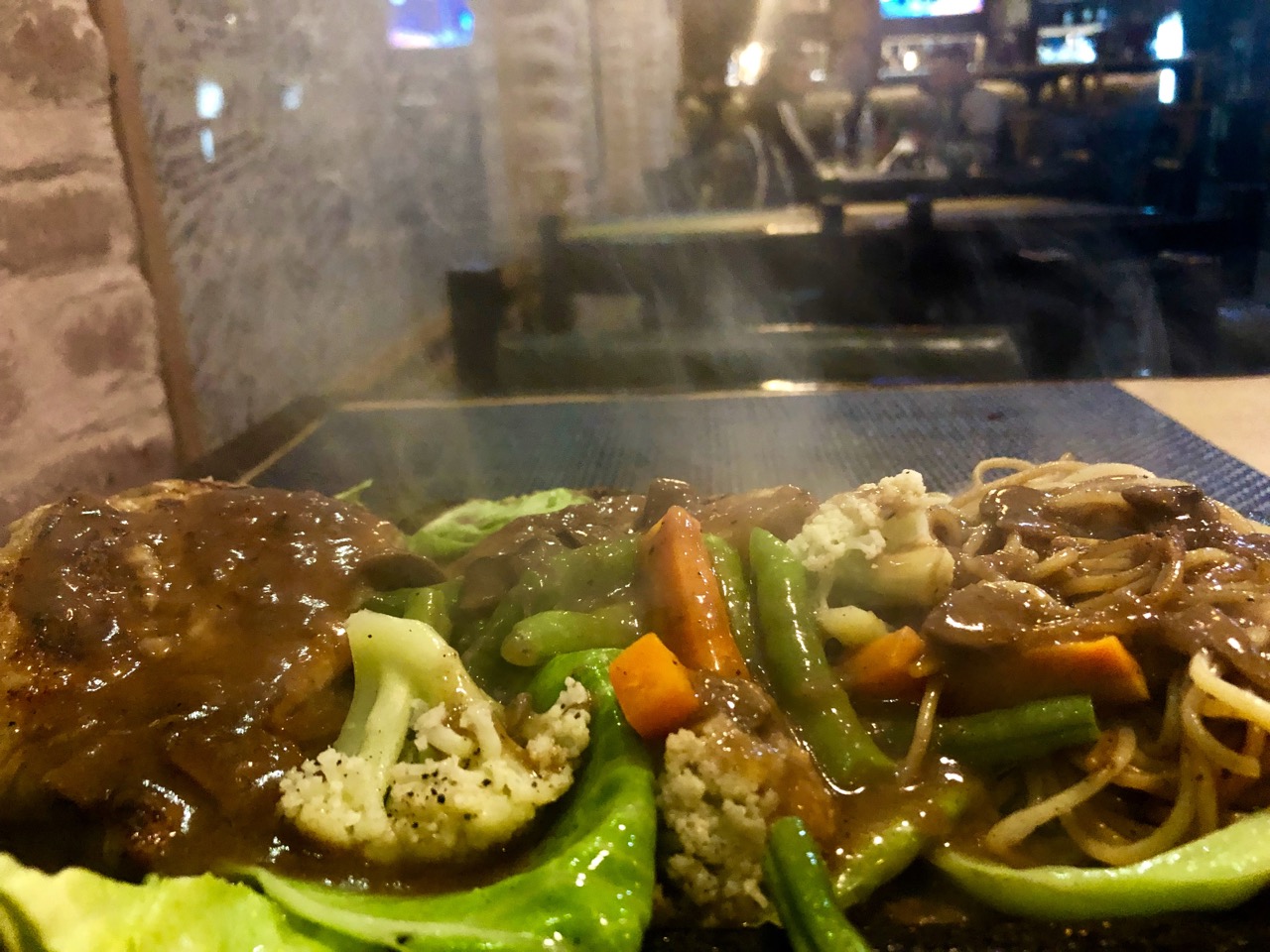
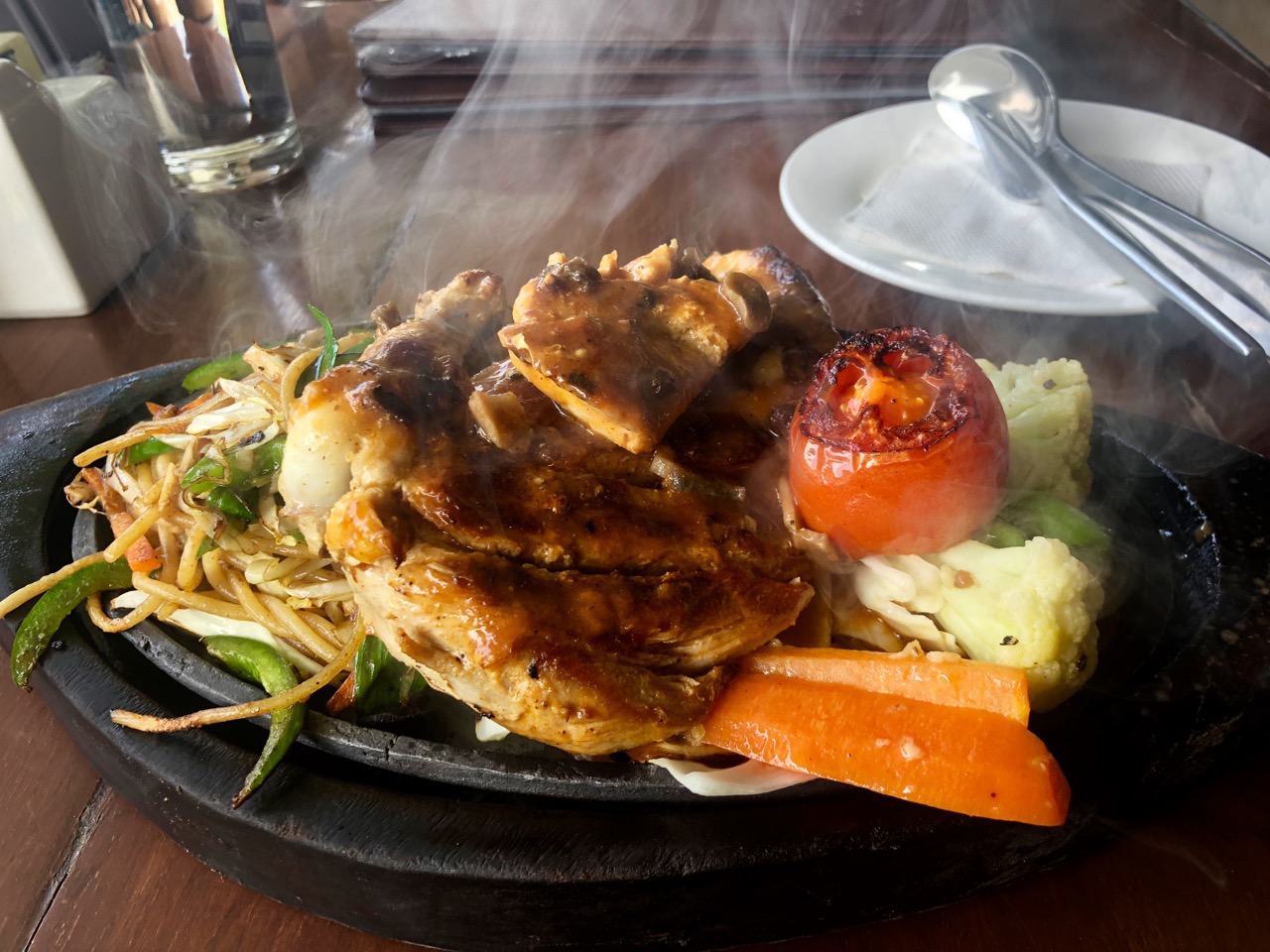
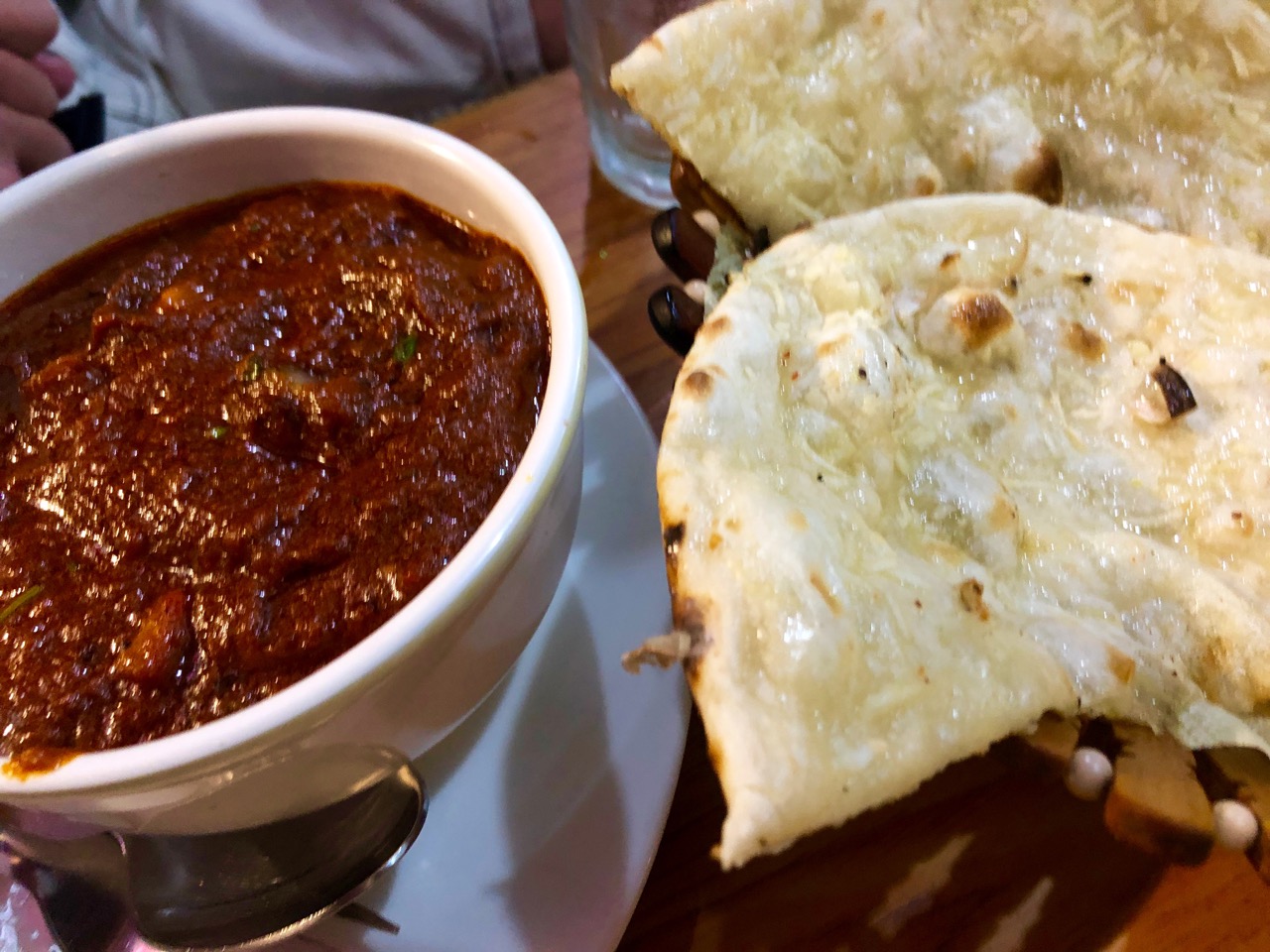
Here are a few other random photos from my last days in Nepal.
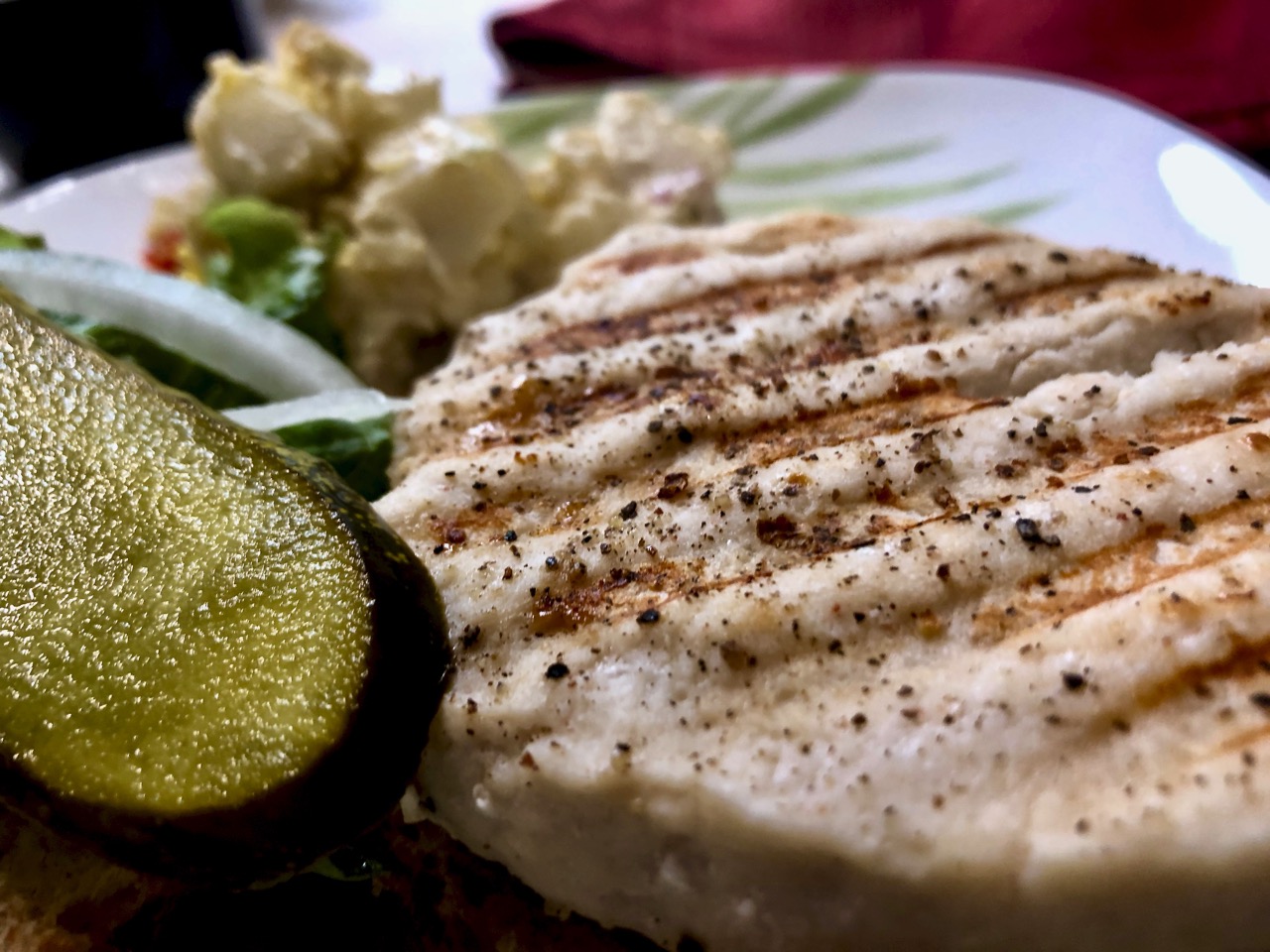
Sizzler at Rum Doodle (new location)
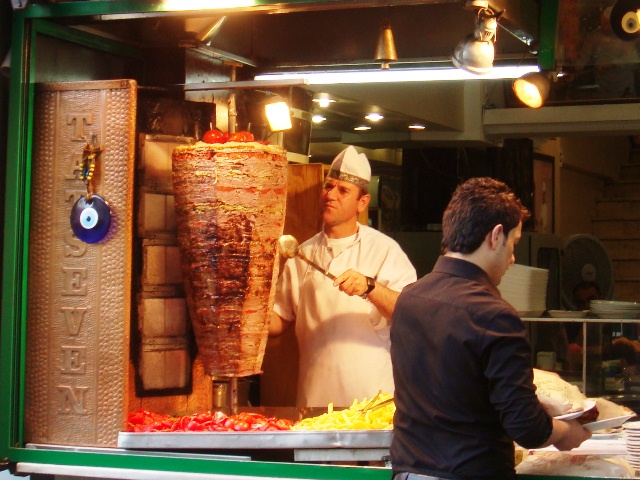
unique and excellent donair Nepali-style
I’ll be back. There’s no better way to hike the Himalayas than from Nepal.
Seasoned meat stacked in the shape of an inverted cone is turned slowly on the rotisserie, next to a vertical cooking element. The outer layer is sliced into thin shavings as it cooks.
The vertical rotisserie was invented in the 19th-century Ottoman Empire, and doner kebab inspired similar dishes such as the Arab shawarma, Greek gyros, and Mexican al pastor. …
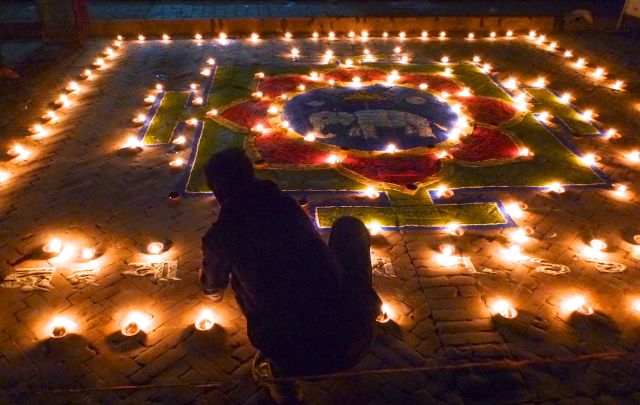
As I like Nepalin November, I’ve been here for the Diwali festival a number of times. Even Buddhists celebrate a version.
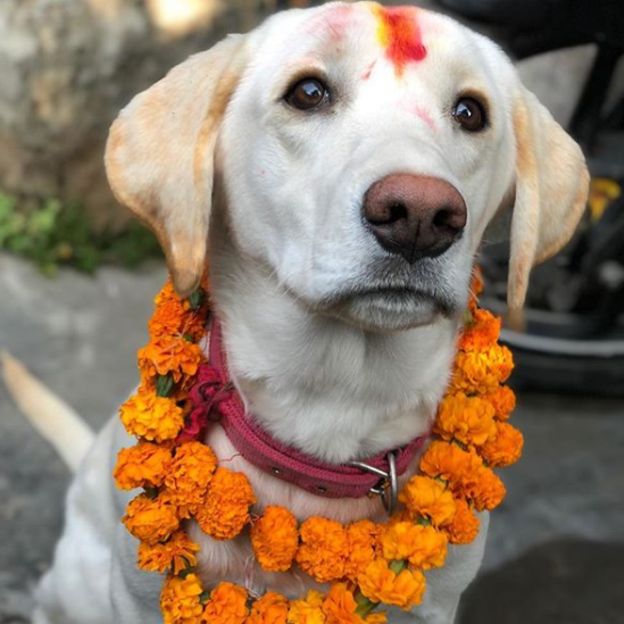
On day 2 dogs are fancied up. Other days it’s crows and holy cows.
Families clean, renovate, and decorate their homes in advance of the holiday.
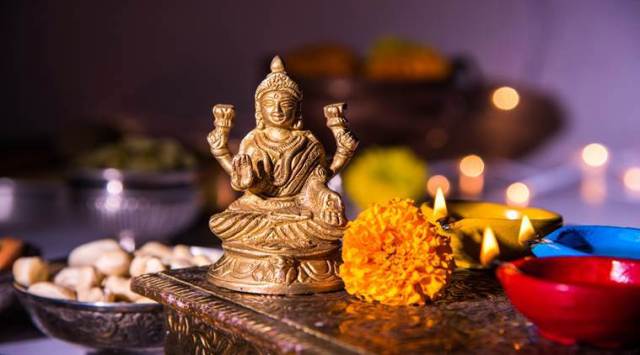
The main purpose is to invite Lakshmi – the Goddess of Wealth – to visit their homes and bless them for the coming year.
oil lamp or diya with crackers, sweet or mithai, dry fruits, indian currency notes, marigold flower and statue of Goddess Laxmi on diwali night
Nepalis illuminate the interior and exterior of their homes with diyas (oil lamps or candles), electric lights, and offer puja (worship).
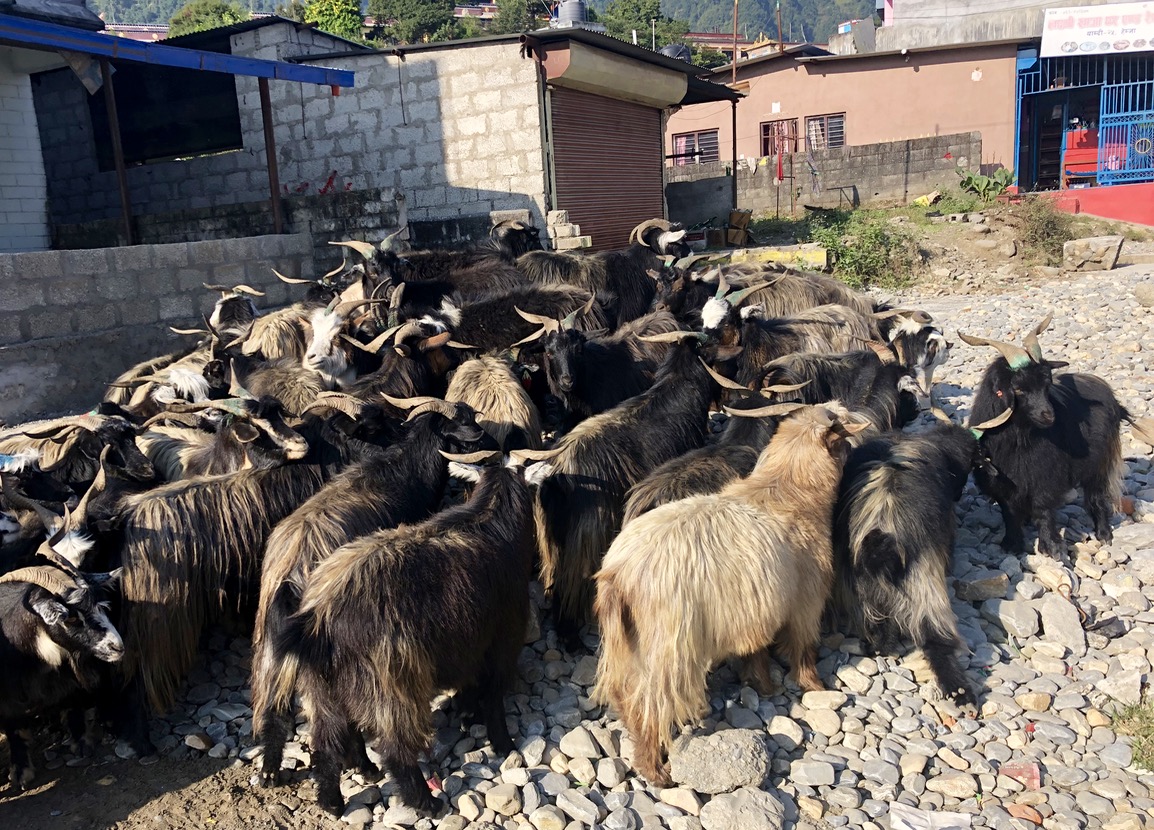
Family gets together for feasts. Many goats are slaughtered.
Diwali is expensive!
The highest quality goat come from high up in the Himalaya. We felt honoured to have the chance to buy dried, smoked, spicy Mustang goat.
They call it Sukuti. The tastiest thing I’d eaten so far in Nepal.
Groups of children arrive at your door singing and dancing for money. It’s a bit like Halloween.
Adults arrive doing the same, but they will be collecting money for local charitable causes.
Diwali also known as Deepavali and the “festival of lights“, is an ancient Hindu festival celebrated in autumn every year.
The festival spiritually signifies the victory of light over darkness, knowledge over ignorance, good over evil, and hope over despair.
The festival preparations and rituals typically extend over a five day period, but the main festival night of Diwali coincides with the darkest, new moon night of the Hindu Lunisolar month Kartika. …
Prague is better than Budapest. For the tourist. For me.
That said, it’s a somewhat similar experience. LOTS of walking. And I was happy to finally visit Buda and Pest.
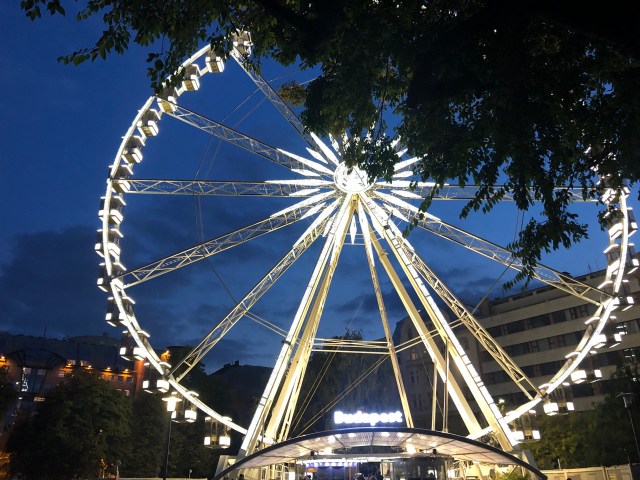
I stayed near the Great Synagogue, largest outside NY City, on the floodplain Pest side. And not far from the NEW Budapest Eye.
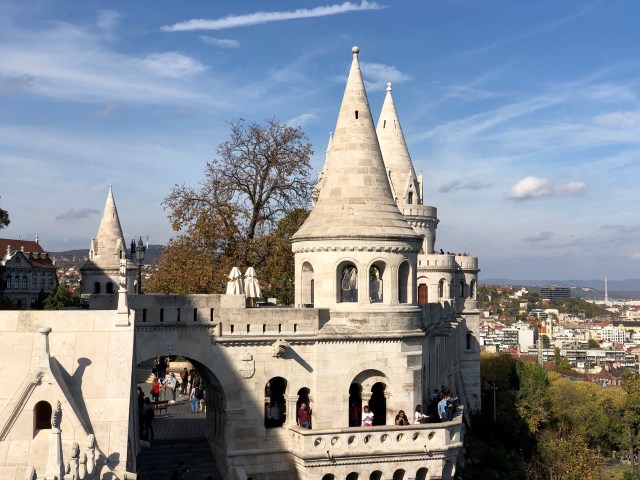
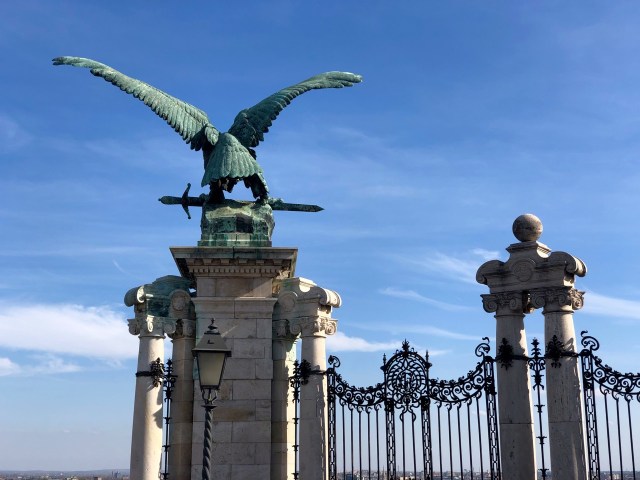
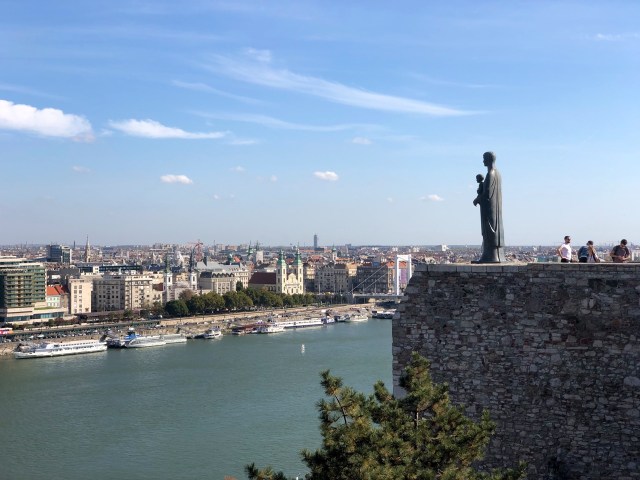
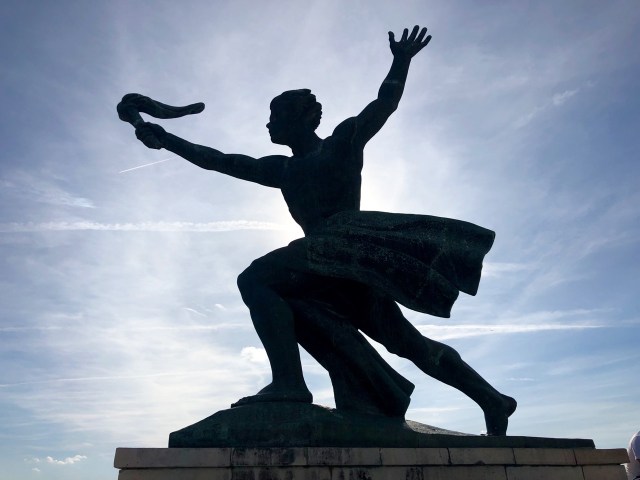
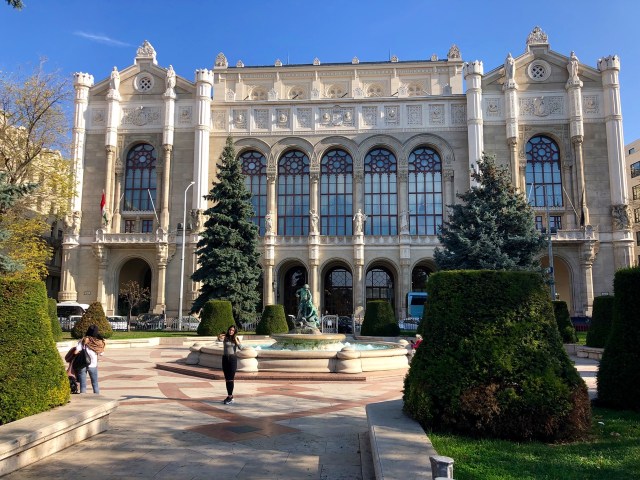
Most of my photos are architecture and statuary. Much of this is more modern than Prague as Budapest has been destroyed in so many wars over the centuries.
The highlights are mostly over the Danube river on the hilly Buda side.
Autumn is a good time to visit. SLIGHTLY fewer tourists.
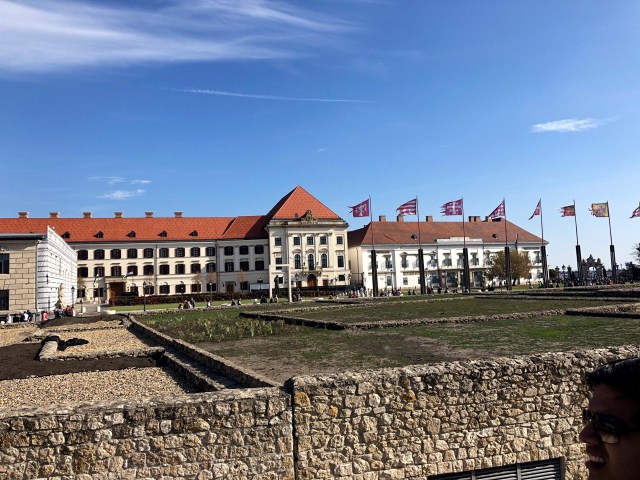
Buda Castle is no more. It’s a palace complex today, most built between 1749 and 1769.
This Archive building was one of my favourites.
Like Prague, Budapest is plagued with tourists, all Instagram influencers. 😀





















 Rick McCharles