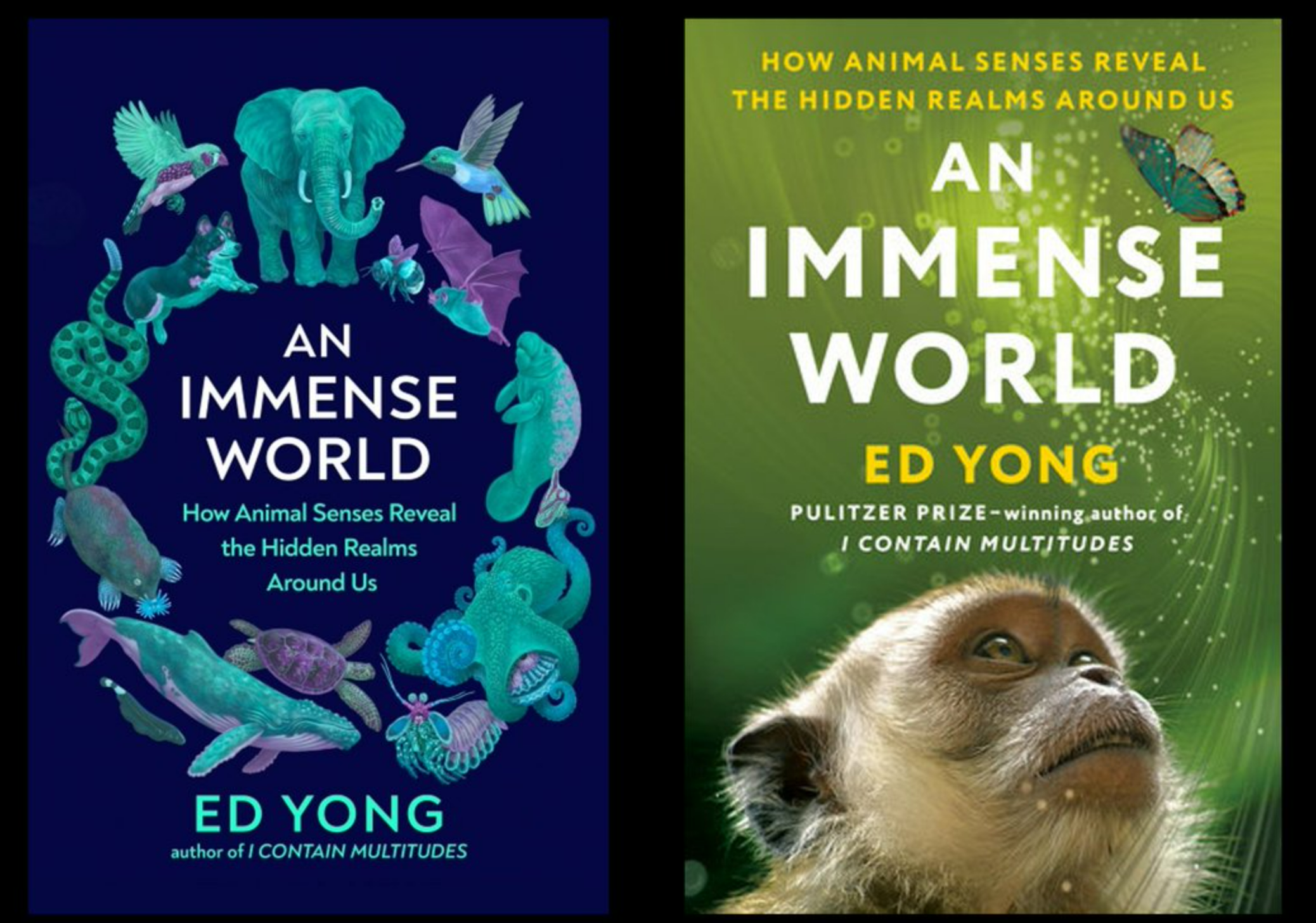
An Immense World by Ed Yong

Fantastic non-fiction.

One of those books that makes science entertaining. It reminded me of The Body by Bill Bryson. That book made 1st year Anatomy interesting.

An Immense World: How Animal Senses Reveal the Hidden Realms Around Us is a 2022 book by Ed Yong that really impressed.

MOST interesting to me was the mystery behind how all kinds of creatures can migrate so accurately. In 2025 we can still barely grasp how that is possible. It might be partially visual. Birds might SEE something in the direction of flight.

The Earth teems with sights and textures, sounds and vibrations, smells and tastes, electric and magnetic fields. But every kind of animal, including humans, is enclosed within its own unique sensory bubble, perceiving but a tiny sliver of our immense world. 

In An Immense World, author and Pulitzer Prize–winning science journalist Ed Yong coaxes us beyond the confines of our own senses, allowing us to perceive the skeins of scent, waves of electromagnetism, and pulses of pressure that surround us.

We encounter beetles that are drawn to fires, turtles that can track the Earth’s magnetic fields, fish that fill rivers with electrical messages, and even humans who wield sonar like bats.

We discover that a crocodile’s scaly face is as sensitive as a lover’s fingertips, that the eyes of a giant squid evolved to see sparkling whales, that plants thrum with the inaudible songs of courting bugs, and that even simple scallops have complex vision.

We learn what bees see in flowers, what songbirds hear in their tunes, and what dogs smell on the street. We listen to stories of pivotal discoveries in the field, while looking ahead at the many mysteries that remain unsolved. 

EdYong.me

Humans have better vision than any other mammal — but far inferior to birds of prey, some of which can spot a moving rat at 1 mile distance.

Evolution is amazing.

Trial and error over millions of years works.

Ed Yong is a British-American science journalist and author.  Born in Malaysia.

In 2021, he received a Pulitzer Prize for Explanatory Reporting for a series on the COVID-19 pandemic.

Ed Yong reads his own audio book. Amazon.
The Monster’s Bones by David K Randall

A great story. But I found the book a little dry. 

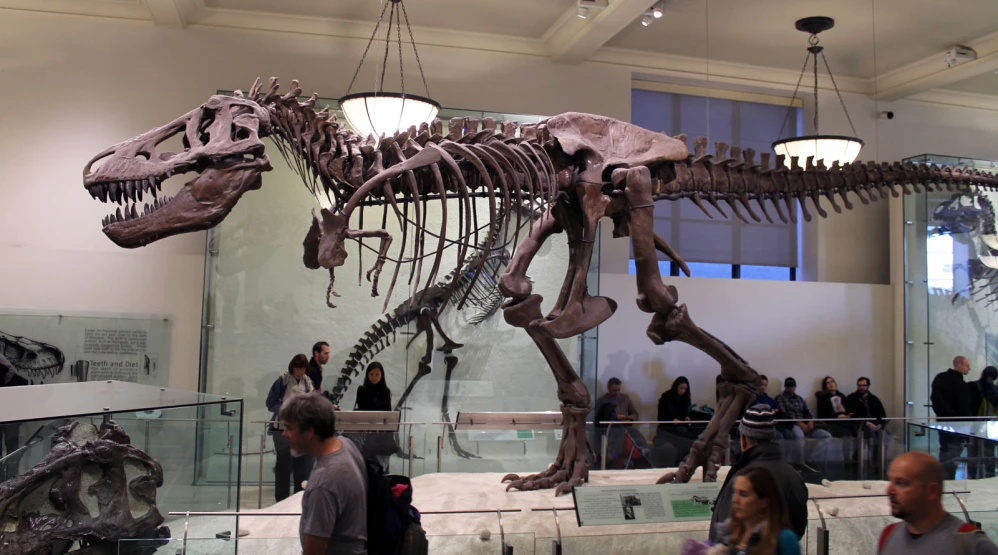
In December 1915, the American Museum of Natural History unveiled the very first mounted Tyrannosaurus rex skeleton, irrevocably cementing the image of the towering reptilian carnivore in the popular psyche. For a generation, AMNH was the only place in the world where one could see T. rex in person.

Extinct Monsters
AMNH November 2015

The Monster’s Bones: The Discovery of T. Rex and How It Shook Our World: Randall, David K

… the fossil-hunting exploits of Barnum Brown (1873–1963) …

Hailed as “the Father of the Dinosaurs” in his New York Times obituary, Brown discovered his first fossils in coal deposits his father dug up on the family’s Kansas farm. …

… famously discovered and excavated the first documented tyrannosaurus rex remains in Montana’s Hell Creek Formation. …

Publisher’s Weekly

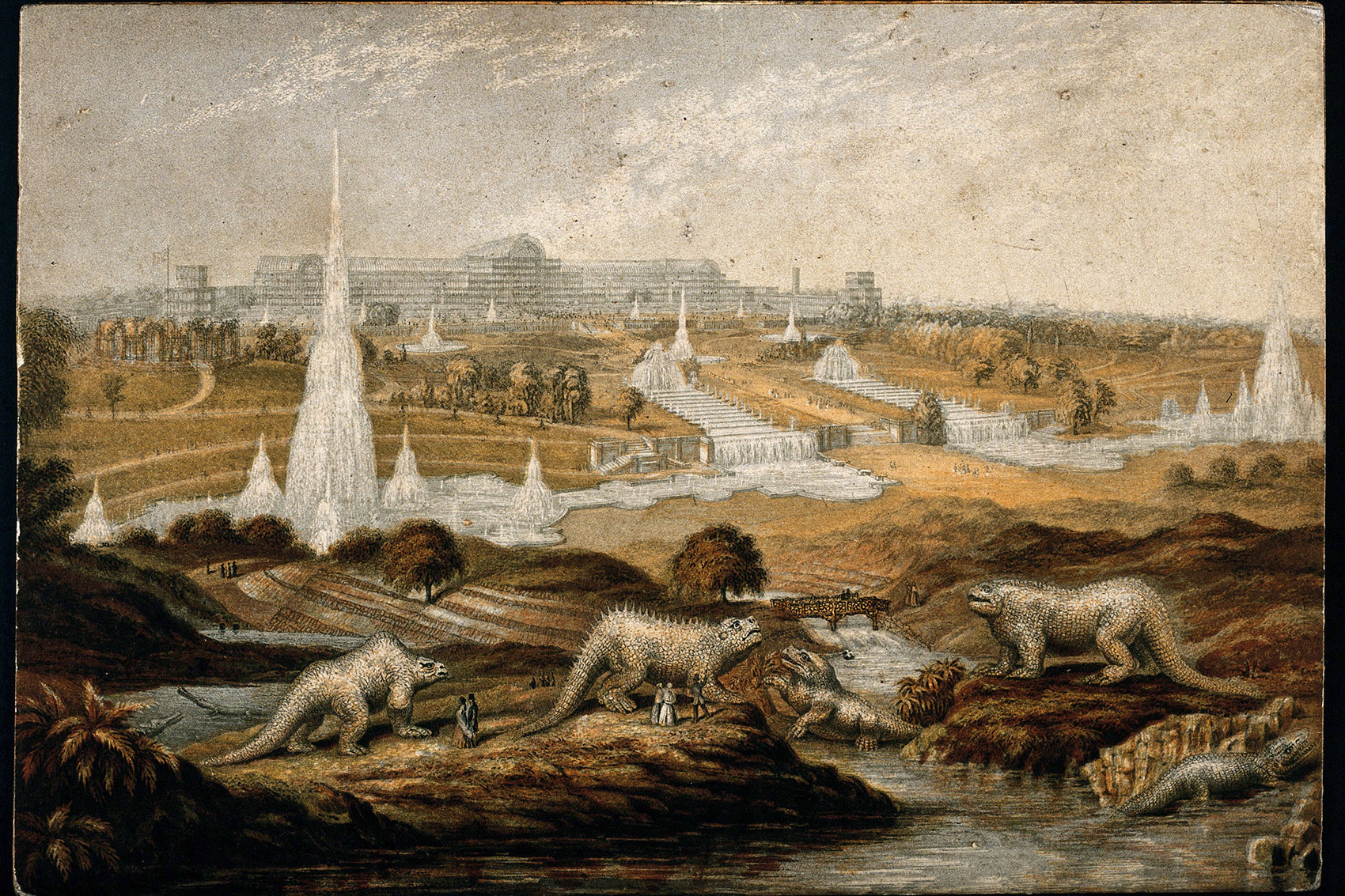
The world’s first scale models were presented to the public at the Crystal Palace, London 1854.

When We Cease to Understand the World by Benjamín Labatut

Weird, gripping non-fiction. ??

Or is it horror story, historic hallucination?

Fact or fantasy?

I don’t understand what this book is talking about.

An extraordinary ‘nonfiction novel’ weaves a web of associations between the founders of quantum mechanics and the evils of two world wars

The first section of Labatut’s book moves at a dizzying pace. He begins with a guided tour of a chamber of horrors in which we encounter some of the more diabolical inventions prompted by two world wars, and are introduced to a blur of real-life characters including the drug-raddled Hermann Göring, who crushed a cyanide capsule in his mouth to avoid the hangman’s rope …

The real villain here, however, is the chemist Fritz Haber (who died in 1934), who directed the programme of poison gas attacks that killed tens of thousands of soldiers in the first world war, an accomplishment that drove his disapproving wife to suicide. …

After this hair-raising opening we are launched into somewhat more tranquil regions of spacetime, where float more familiar characters such as Einstein and other 20th-century physicists and mathematicians …

The second half of Labatut’s book is largely taken up with the struggle for supremacy in modern physics between Erwin Schrödinger and Heisenberg. …

Labatut has written a dystopian nonfiction novel set not in the future but in the present. 

Guardian review

Heisenberg and Schrödinger debate atomic particles. Einstein looks on in disgust, clinging to his worldview of Newtonian physics.

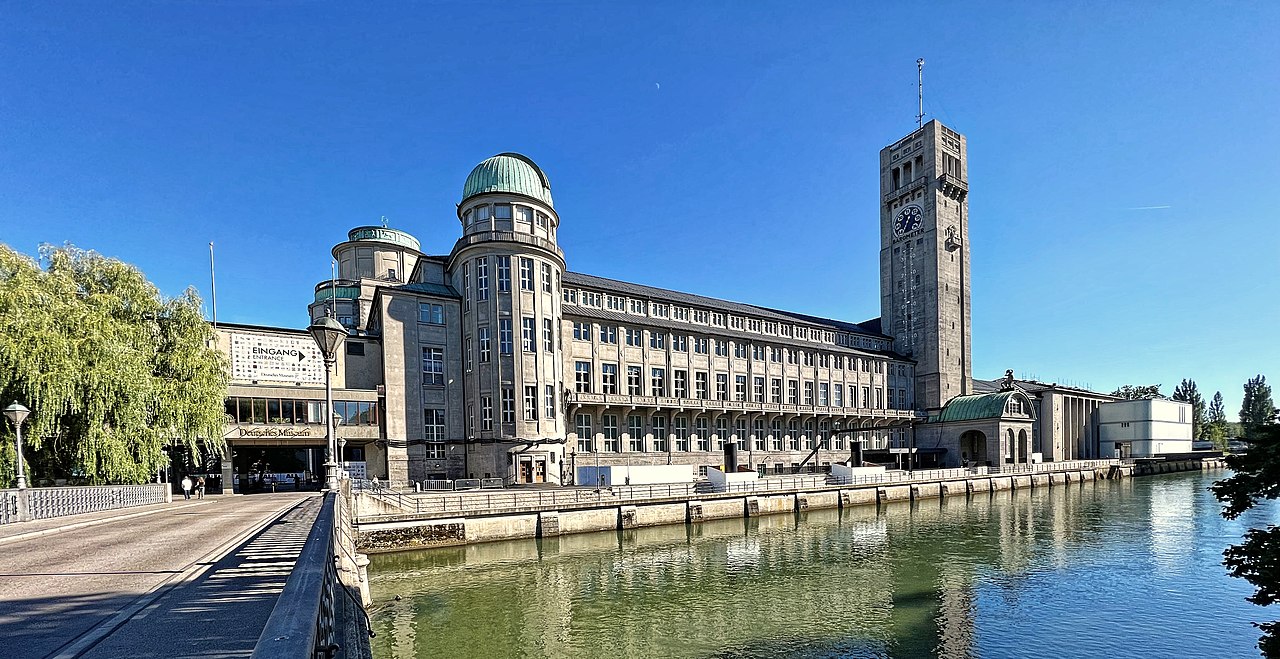
Deutsches Museum, Munich

As teenagers, we were blown away when first visiting the Deutsches, the world’s largest museum of science and technology.

I’m talking about the main museum founded 1903. There are two more branches , one in Bonn, and one in Nuremberg.

There is a huge line-up for entry so I bought my ticket online. No lineup for me.

It’s great for kids as there are so many hands-on exhibits.

50+ science subject areas.

Click PLAY or see the entire museum in 4 minutes on YouTube. Some impressive drone work.

IF the world ends, we could rebuild modern science from scratch IF we had everything in the Deutsches Museum. 😀

In 1976 we Canadian tourists were intrigued with the Foucault Pendulum. And it’s still there.

A demonstration of the Earth’s rotation

Click PLAY or watch it on YouTube.

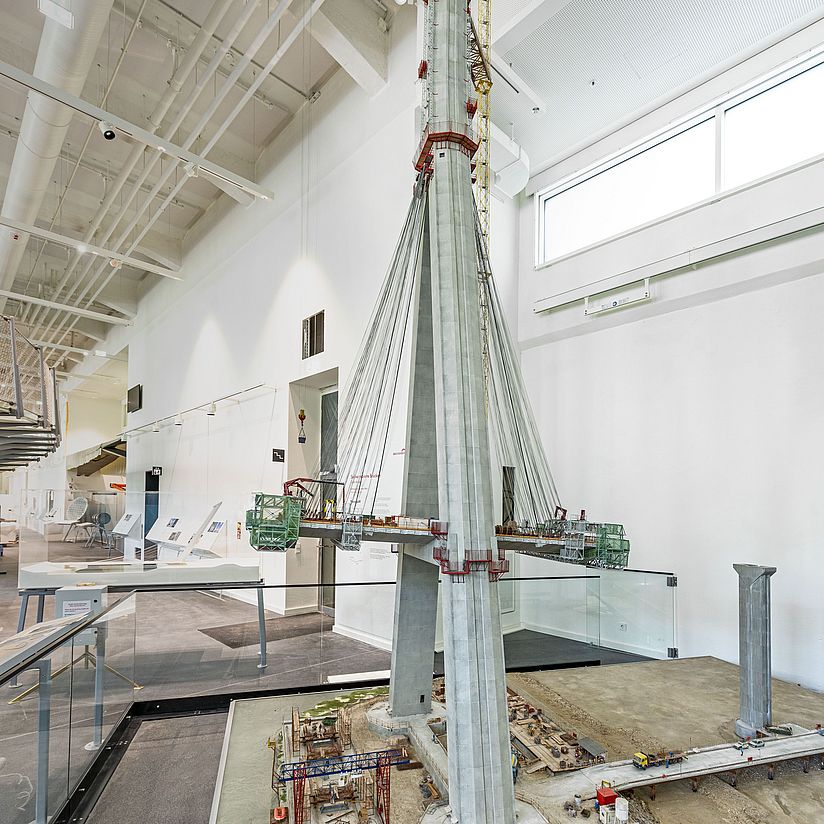
Bridge making is an art and science well covered in the Deutsches Museum.

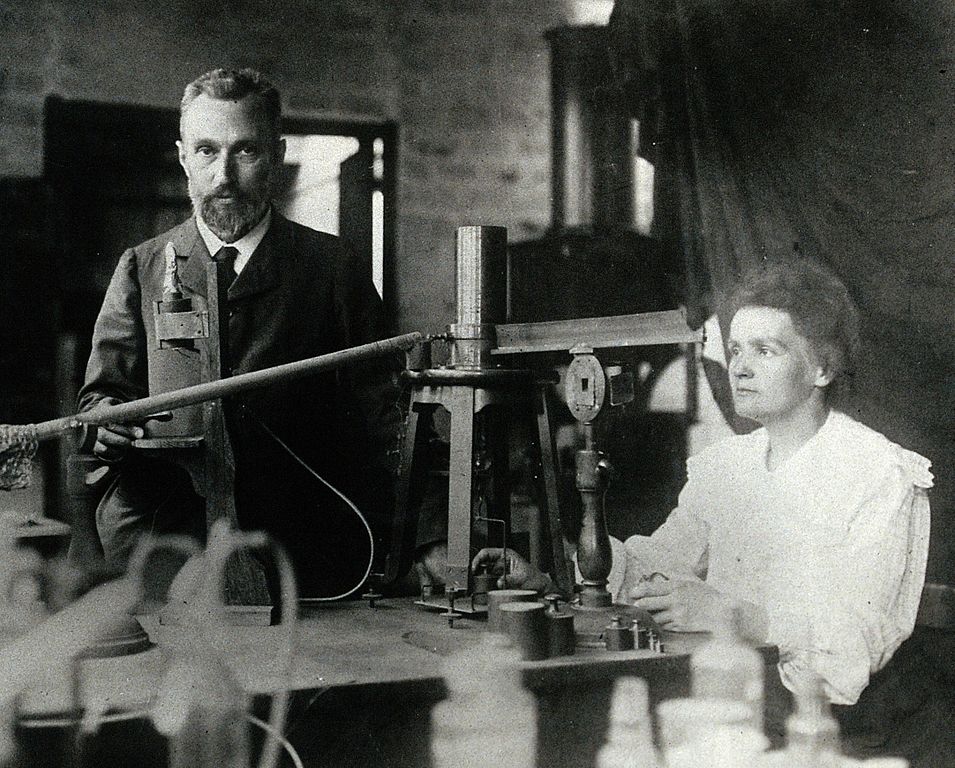
I saw the very desk used by the Curies.

Marie and Pierre Curie

Maria Salomea Skłodowska-Curie, born in Poland, was the first woman to win a Nobel Prize, the first person to win a Nobel Prize twice, and the only person to win a Nobel Prize in two scientific fields. Her husband, Pierre Curie, was a co-winner of her first Nobel Prize, making them the first-ever married couple to win the Nobel Prize.

The Curies announced the existence of an element they named “polonium“, and of a second element, which they named “radium“, from the Latin word for “ray”. In the course of their research, they also coined the word “radioactivity“.

Marie died in 1934, aged 66, at the Sancellemoz sanatorium in Passy (Haute-Savoie), France, of aplastic anemia, likely from exposure to radiation in the course of her scientific research.

Pierre Curie died after being struck in the street by a horse-drawn vehicle.

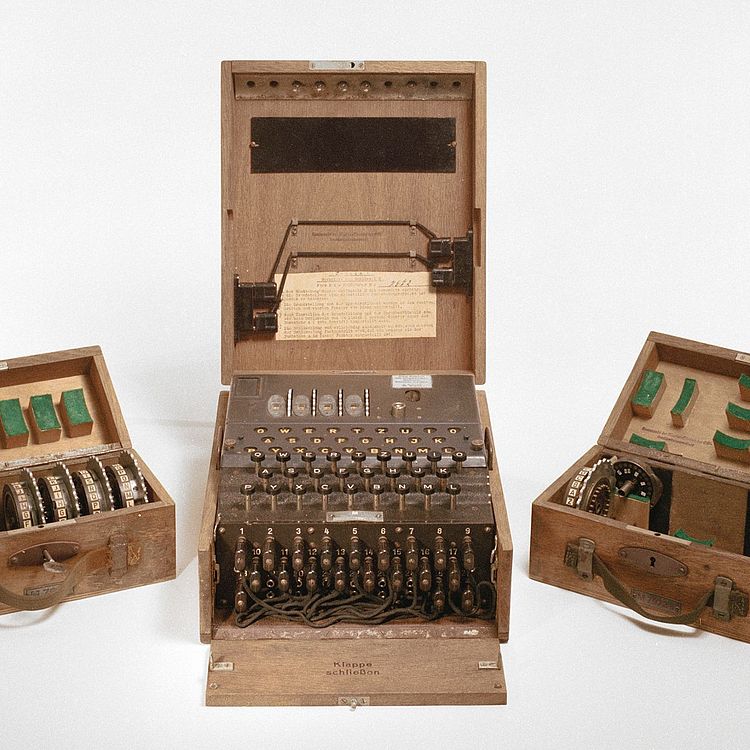
There’s a good section on the Enigma machine, employed extensively by Nazi Germany during World War II.

The Brits famously broke the Enigma machine code at Bletchley Park. Gordon Welchman, who became head of Hut 6 working on that project, admitted they wouldn’t have been successful without consulting cipher-breakers Poles who had cracked Enigma in 1932.

It would take hundreds of hours to look at all 28,000 exhibited objects in the Deutsches Museum.

I downloaded the app and took a “highlights tour” with audio. Recommended for the first time visitor to the museum.

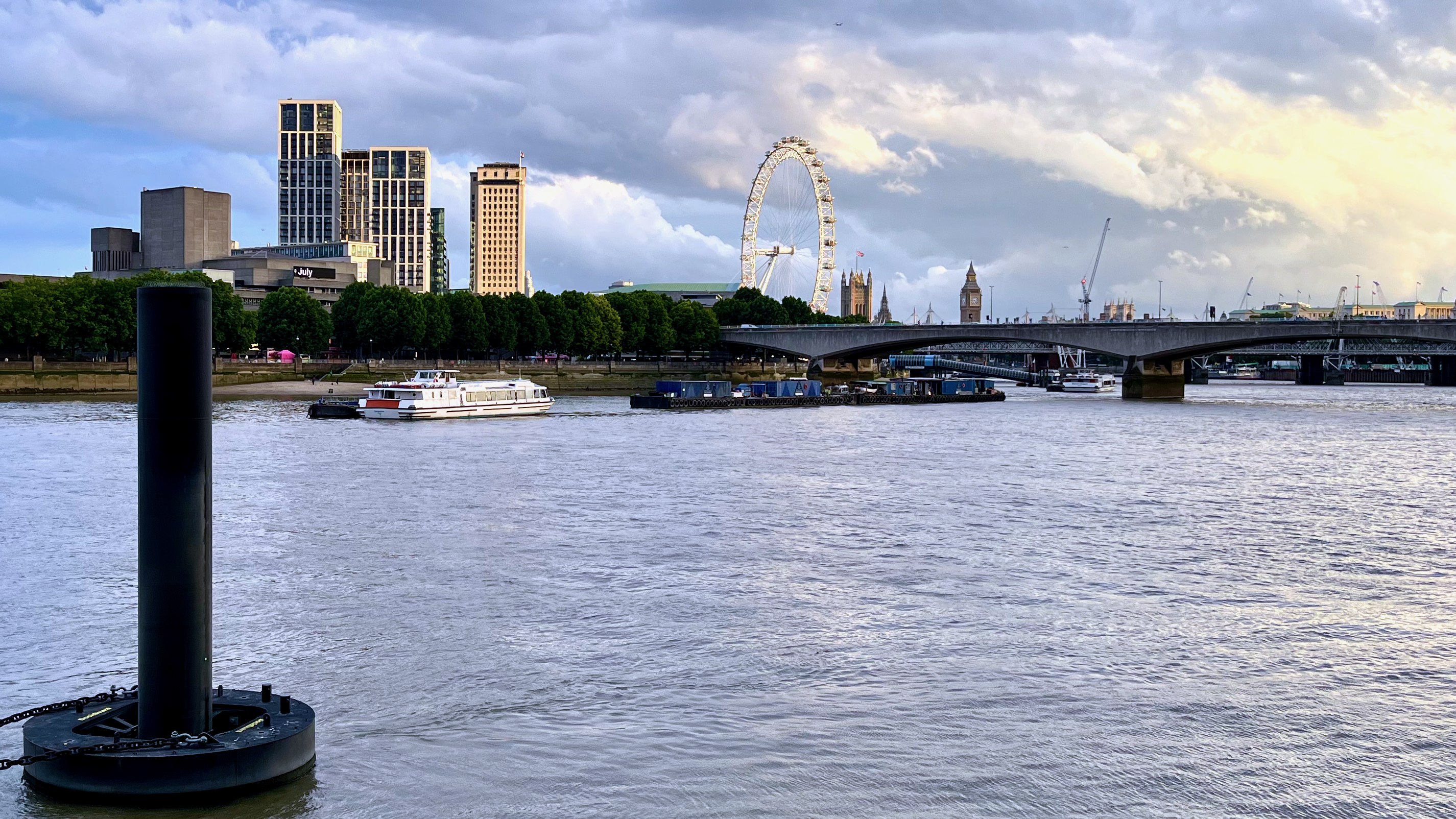
Visiting London 2022

I couldn’t live in the EU. Europe still sucks.

BUT I would like to spend a month based out of London. It would take that long to visit all the attractions I’d like to see. And learn the city.

Whenever one of my international flights starts or lands in London (often) I try to add a layover. This time I stayed 3 nights.

London is expen$ive. No question. Double or triple the travel costs of Spain, for example.

But I spend most of my time walking. And in the free public museums.

This time I visited:

Both are excellent.

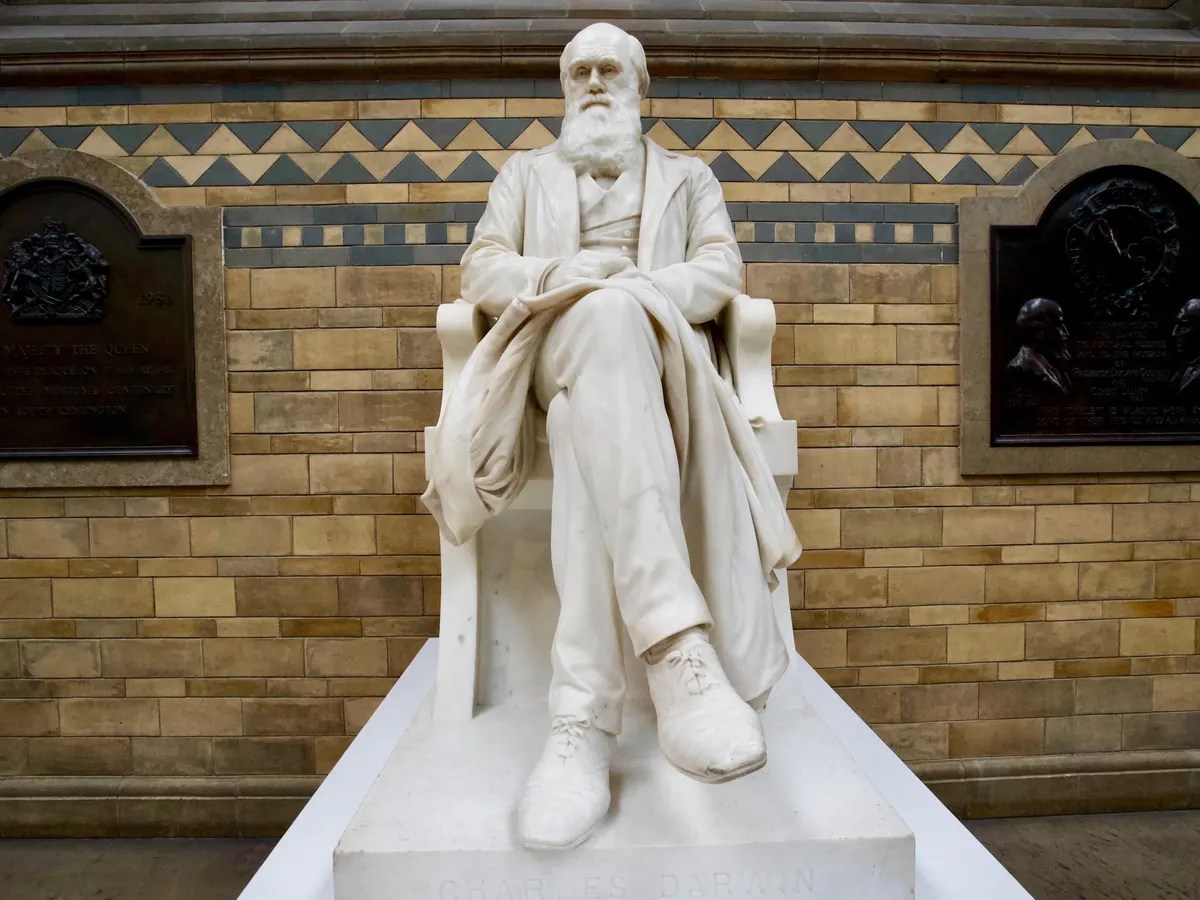
Darwin holds court over the Natural History Museum. A great scientist.

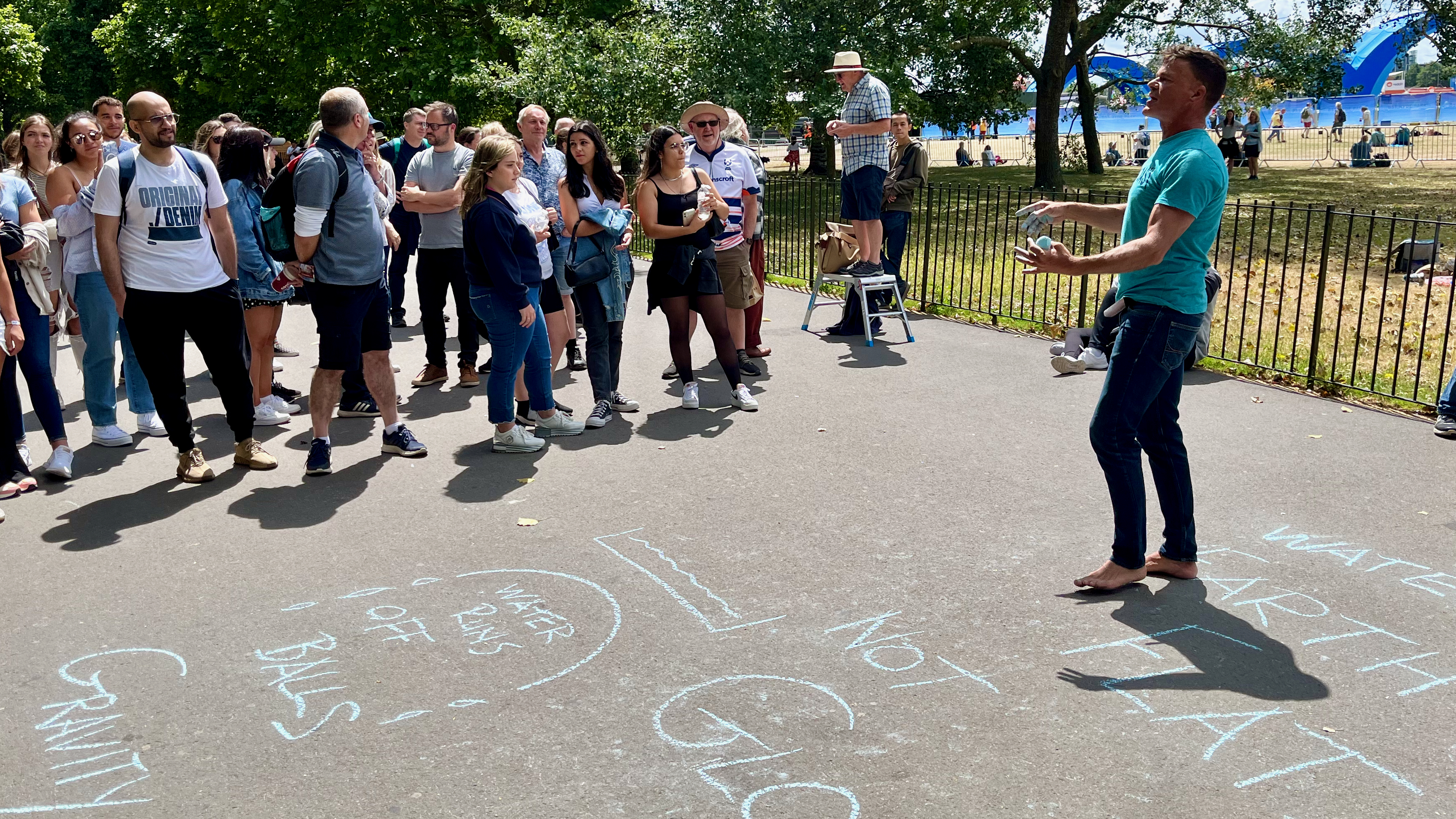
Over in a public park I watched a guy defend the Flat Earth theory. Even in 2022.

His arguments were silly. And hilarious. But he certainly sounded passionate.

It’s easy to prove the Earth is round. You can see if with your own eyes from an airplane.

Yet somehow folks delude themselves into anti-scientific thinking — that the Earth is only 5000 years old, for example.

My point here is that London is endlessly entertaining. There is so much to see and do.

mRNA will save MILLIONS

Messenger RNA is like magic.

The first mRNA-based vaccines received restricted authorization and were rolled out across the world during the COVID-19 pandemic by Pfizer–BioNTech COVID-19 vaccine and Moderna, for example. …

Click PLAY or watch it on YouTube.

World’s First Genetically-modified Babies

He Jiankui has been jailed in China for 3 years. And fined US$430,000.

He’s the researcher who’s work led to the world’s first gene-edited babies known as Lulu and Nana in 2018.

Their father was HIV positive. Mother HIV negative.

His goal was to edit their genes to be highly resistant to HIV using CRISPR.

Click PLAY or watch it on YouTube.

The Code Breakers by Walter Isaacson

Have you heard of CRISPR?

(clustered regularly interspaced short palindromic repeats)

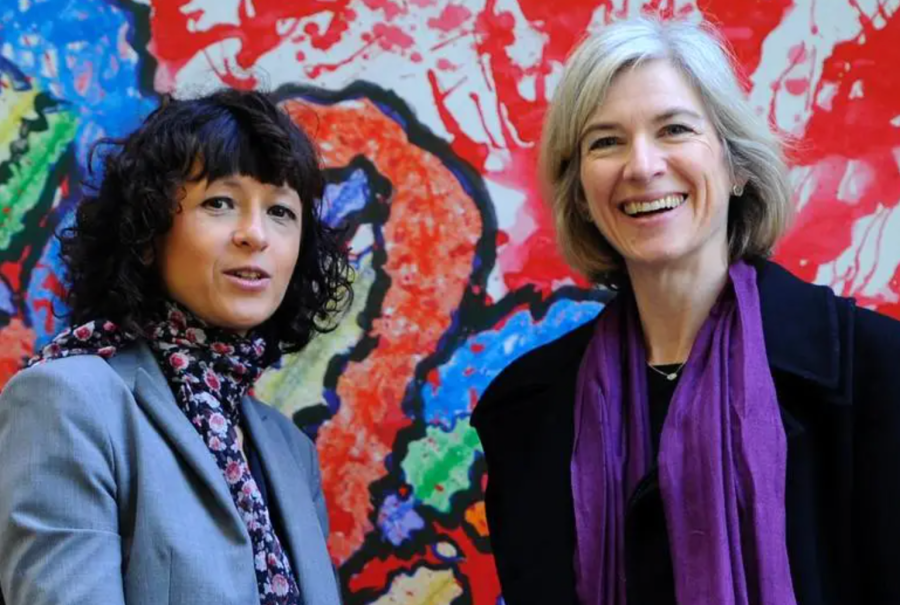
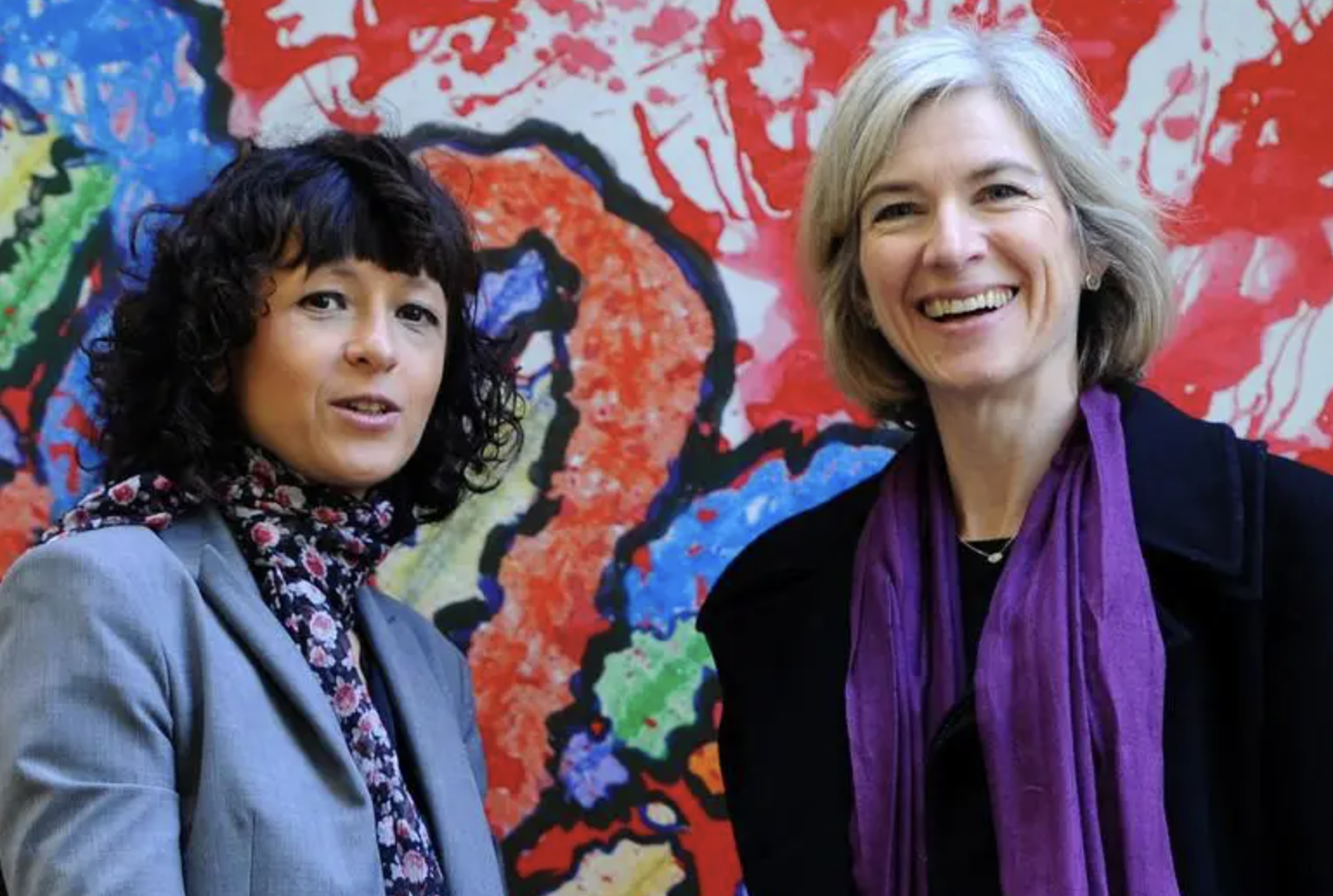
Emmanuelle Charpentier and Jennifer Doudna won the 2020 Nobel Prize in Chemistry for their contributions in the development of a method for genome editing.

It’s called the CRISPR/Cas9 genetic scissors.

Based on how bacteria fights off virus attackers, in future CRISPR will be used to fight coronavirus variations.

Click PLAY or see how it works on YouTube.

Most people my age know about Watson and Crick’s discovery of the double-helix structure of DNA. But I certainly couldn’t explain anything about CRISPR before reading this book.

Once again, Walter Isaacson made a complex story entertaining with this 2021 biography:

The Code Breaker: Jennifer Doudna, Gene Editing, and the Future of the Human Race

The bestselling author of Leonardo da Vinci and Steve Jobs returns with a gripping account of how Nobel Prize winner Jennifer Doudna and her colleagues launched a revolution that will allow us to cure diseases, fend off viruses, and have healthier babies.

When Jennifer Doudna was in sixth grade, she came home one day to find that her dad had left a paperback titled The Double Helix on her bed. She put it aside, thinking it was one of those detective tales she loved. When she read it on a rainy Saturday, she discovered she was right, in a way. As she sped through the pages, she became enthralled by the intense drama behind the competition to discover the code of life. Even though her high school counselor told her girls didn’t become scientists, she decided she would.

The development of CRISPR and the race to create vaccines for coronavirus will hasten our transition to the next great innovation revolution. The past half-century has been a digital age, based on the microchip, computer, and internet. Now we are entering a life-science revolution. Children who study digital coding will be joined by those who study genetic code. …

After helping to discover CRISPR, Doudna became a leader in wrestling with these moral issues and, with her collaborator Emmanuelle Charpentier, won the Nobel Prize in 2020. Her story is a thrilling detective tale that involves the most profound wonders of nature, from the origins of life to the future of our species.

simon and schuster

Click PLAY or watch it on YouTube.

The first half of the book is the story. Very entertaining.

Then it gets better.

A detailed look at the drama over WHO wins the awards. WHO gets the patents.

Of course there are many other scientists who could have and should be lauded for breakthroughs in this field. They are covered in the biography, as well.

Most worthy — perhaps — is Feng Zhang. But he and his boss Eric Lander come off as BAD GUYS in this book, unethical in their collaborations.

ONE bit of good news. When COVID-19 was announced early 2020, both Zhang’s and Doudna’s companies changed research priorities towards developing CRISPR-based coronavirus tests. Both were successful and both hope to make simple at-home tests ready for market in 2021: Sherlock and Mammoth.

The most entertaining of the CRISPR giants is geneticist George Church. When the movie is made, he’ll be the fan favourite.

Emmanuelle Charpentier is an intriguing personality, as well. I’d read her biography.

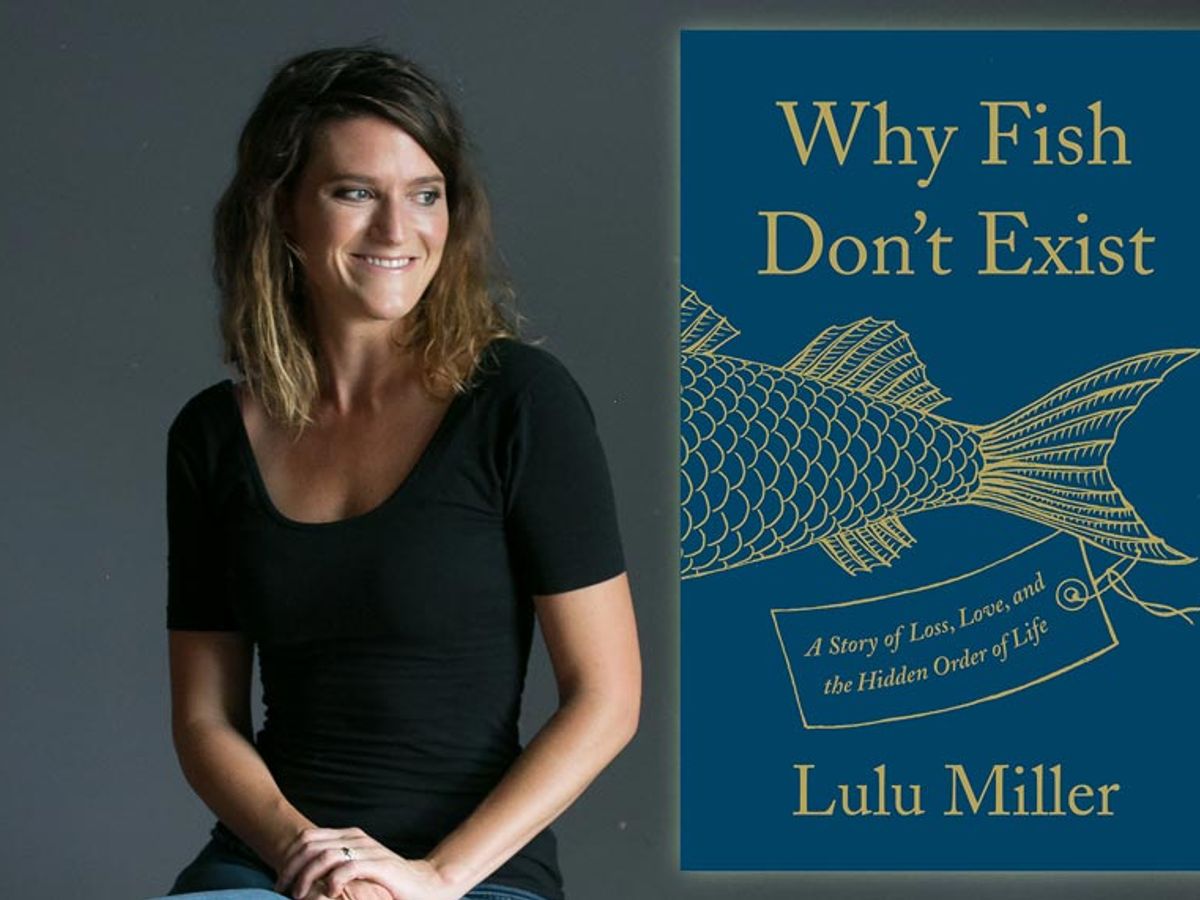
Why Fish Don’t Exist by Lulu Miller

A Story of Loss, Love and the Hidden Order of Life

Great book.

One thread is the astonishing story of David Starr Jordan, Stanford University’s first president, a leading scientist of his day.

Did he murder Jane Stanford, wife of the University founder?

More interesting to me was the life story of the author, intertwined with her research into this obscure topic. Lulu Miller is hilarious.

One awful thread is the fact that the USA was the first nation to legislate eugenics. Forced sterilization was the law in 32 U.S. states, and actually inspired Hitler.

AND there’s the fact new to me that … Fish Don’t Exist.

Read the National Book Review.