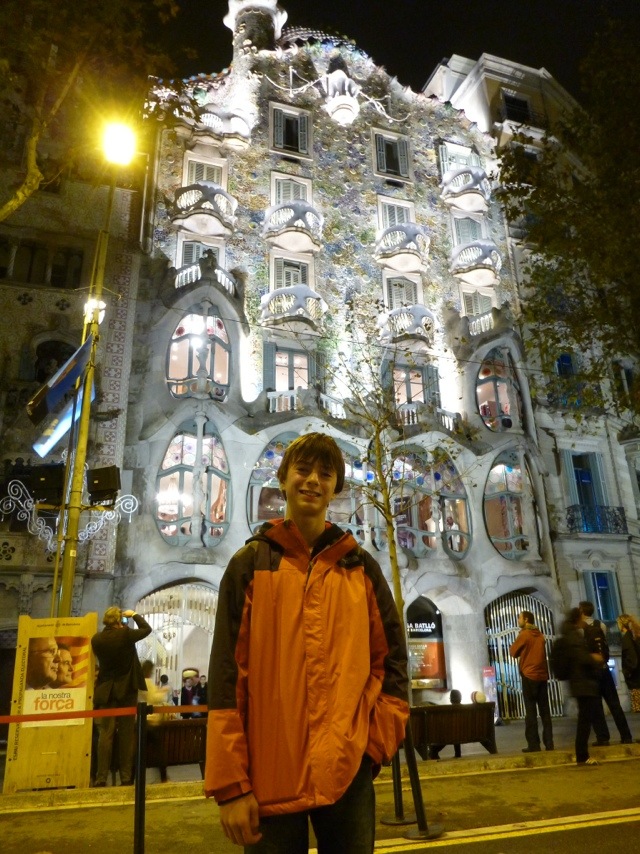
The Lady and the Monk: Four Seasons in Kyoto

One of the best books for those traveling Asia is Video Night in Kathmandu (1988), by Pico Iyer.

Quite similar is his follow-up, The Lady and the Monk: Four Seasons in Kyoto. (1991)

When Pico Iyer decided to go to Kyoto and live in a monastery, he did so to learn about Zen Buddhism from the inside, to get to know Kyoto, one of the loveliest old cities in the world, and to find out something about Japanese culture today — not the world of businessmen and production lines, but the traditional world of changing seasons and the silence of temples, of the images woven through literature, of the lunar Japan that still lives on behind the rising sun of geopolitical power.

All this he did. And then he met Sachiko.

Vivacious, attractive, thoroughly educated, speaking English enthusiastically if eccentrically, the wife of a Japanese “salaryman” who seldom left the office before 10 P.M., Sachiko was as conversant with tea ceremony and classical Japanese literature as with rock music, Goethe, and Vivaldi. With the lightness of touch that made Video Night in Kathmandu so captivating, Pico Iyer fashions from their relationship a marvelously ironic yet heartfelt book that is at once a portrait of cross-cultural infatuation — and misunderstanding — and a delightfully fresh way of seeing both the old Japan and the very new.

I read it in Kyoto.

Pico, from the UK, studied at Oxford and taught at Harvard before becoming a vagabond. He ended up living in Kyoto, living with the lady of the book.

… “Japan is therefore an ideal place because I never will be a true citizen here, and will always be an outsider … “

These days he writes for Time, New York Review of Books, New York Times, National Geographic and others.
Hello Kitty culture

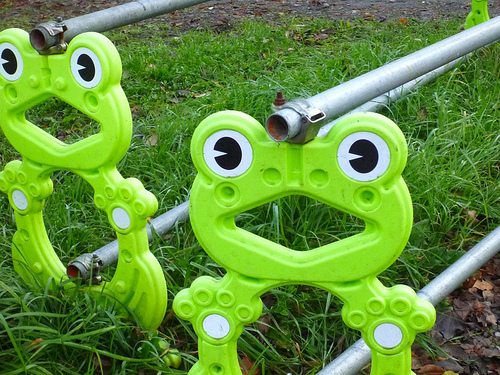
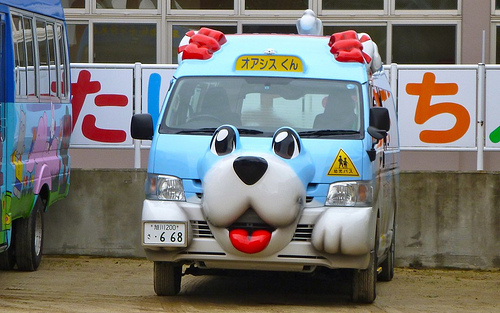
In Japan it seems nothing can be too cutsie.

traffic barriers
school bus
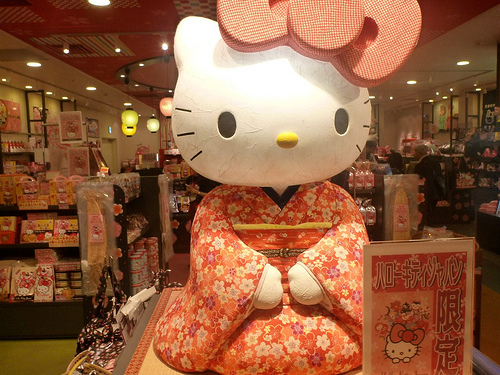
Hello Kitty store, Tokyo

Hello Kitty is a fad in most parts of the world. But in Japan …

The character is a staple of the kawaii segment of Japanese popular culture.

more of my Hello Kitty themed photos

top travel destionation is …

ICELAND

According to Lonely Planet Best in Travel Readers’ Choice Awards.

… ‘Incredibly friendly, amazingly beautiful and one hell of a good time. Bars followed by geothermal hot springs.’

‘Iceland is the place to be in 2012 to see incredible displays of nature! The country of Iceland is currently experiencing two “maximum cycles”: One to do with increased volcano activity and another to do with the increased aurora activity for 2012.’ …

… ‘The wonders and creativity of nature at its best – untouched by humans…to this point. Geothermally heated pools to refresh the soul, literally seeing the rift valley between the American and European geological plates, visiting glaciers, seeing a real volcano, walking on terrain that cannot be seen anywhere else in the world…AND who wouldn’t want to see a puffin!!’ …

details on Lonely Planet

(via Best Hike)

Philippines is on the list, too.

Maxim at Disney

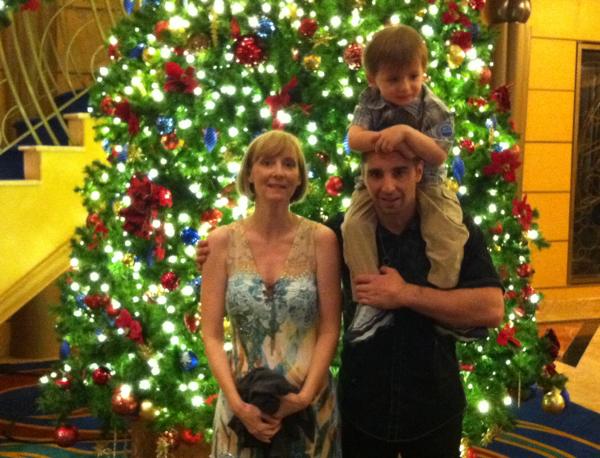
Max took Dana and Fred to Disneyland … via a Disney Cruise.

… The Oceaneer’s Club was Maxim’s favourite place. The Pirate Ship provided him literally hours of climbing and sliding adventure fun. The staff was amazing, the multitude of “friends” unlimited! One happy boy! …

Meal by meal details on Dana’s blog – The Happiest Place on the Sea – Cruise Disney!

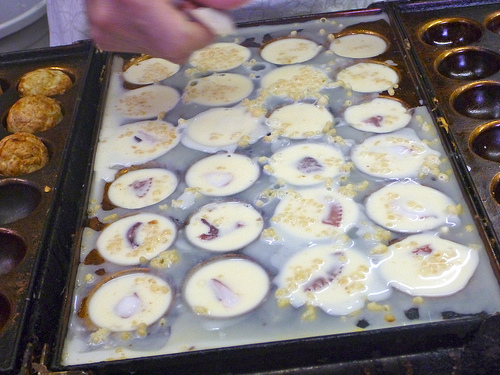
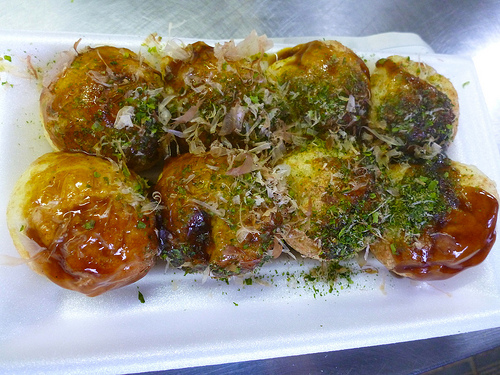
tasty Octopus balls

Big in Osaka, where they were first introduced.

Takoyaki (たこ焼き or 蛸焼) (literally fried or grilled octopus) is a popular ball-shaped Japanese dumpling or more like a savory pancake made of batter and cooked in a special takoyaki pan (see below). It is typically filled with diced or whole baby octopus, tempura scraps (tenkasu), pickled ginger, and green onion. …

The performance making them is as important as the taste.

photos and video

eat drink Japan

If you’ve been hosted in Japan, you know this story.

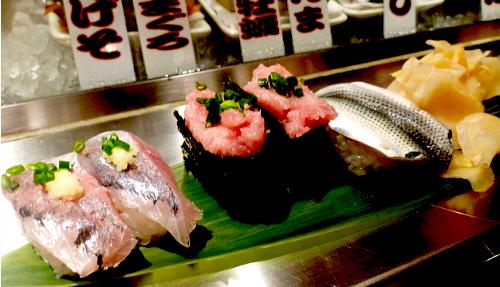
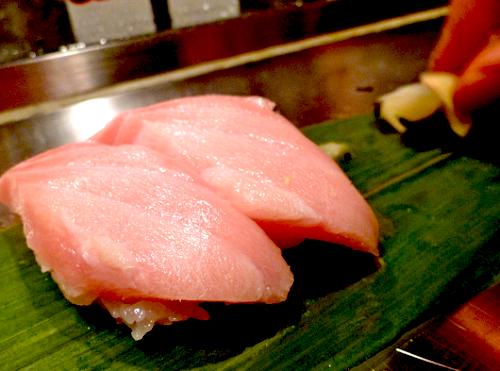
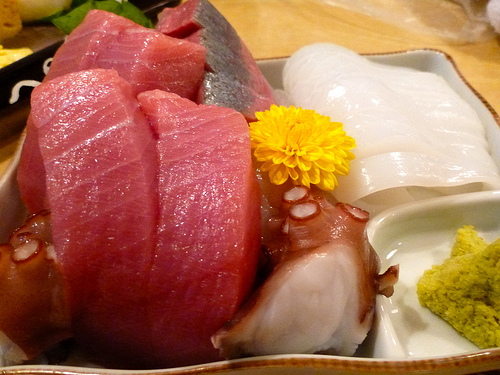
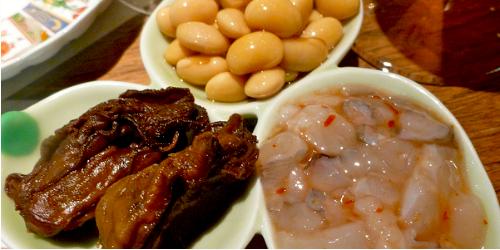
… starts with a few beer. Then Sushi and Sashimi.

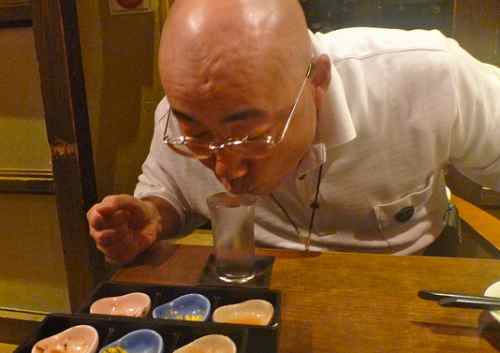
Your host orders in Japanese, then asks you if you enjoyed the whale after you’ve tried it.

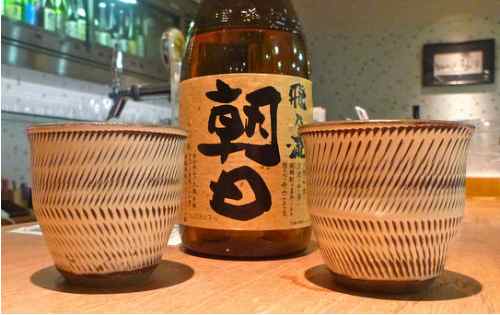
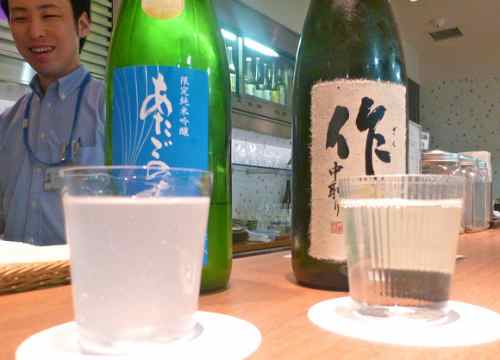
Whiskey is mandatory. A couple of kinds. And Shōchū, of course.

The evening inevitably ends like this.

THANKS A LOT, Shiro. 🙂

dining / banking at 7-11

When Blythe got to Japan I’d already been there a week.

“Where are you eating“, she asked.

Sheepishly I replied: “Mostly 7-11. … But I’m planning on a dinner at Denny’s“, a popular chain also owned by 7-11.

In fact I did eat more at convenience stores than anywhere else in Japan. Day or night, if I got a pang it was sated by a piece of fried chicken and an ice-cream treat.

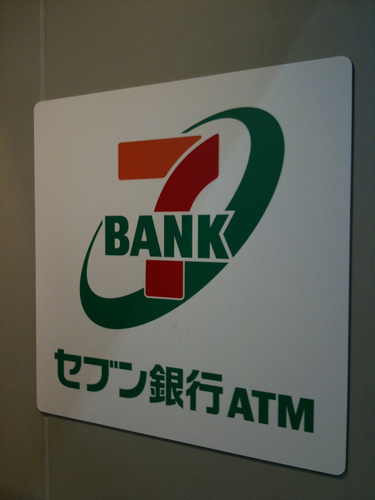
For some reason foreign bank cards do not work in Japanese ATMs. Yet they do in 7-11 ATMs, maximum 30,000 Yen in my case.

UPDATE from Blythe:

7-11 food was amazing in Japan! Rick’s advice was stellar — I snacked there every day and night for three weeks in Tokyo, and it was genuinely delicious.

However, I wouldn’t recommend taking money out of a 7-11 ATM. I did it once, and my bank charged a $20 fee for using an “international ATM.” At the post office, however, I was able to use the ATM and the transaction fee was only $0.60 per 10,000 yen withdrawn.

NO on the “Yes Inn”, Hong Kong

Worst hostel in many years.

Yes Inn, one of the many cheapos in Hong Kong.

Not friendly. Not much helpful. Crowded. No instructions on how to get the shower hot. Bad.

I’d gone there because of this offer on their website:

That was posted on this page.

Seems to be a ‘bait and switch’. At least that was the experience of me and a couple from Utah. No response to the ‘inquiry’. And then a renegotiation on the 7 night cost once you get to the desk.

I was happy to move over to another cheapo — the Ah Shan Hostel (reviews) in Mong Kok. Better — only 1 giant cockroach sighting … but I still left after 2 nights.

From the same desk they run Dragon Inn / A-Inn hostels. All the private hostels in Hong Kong are crappy I’m hearing from other travelers. Now I’m happily ensconced at Mt Davis hostel, my hangout many times in the past.

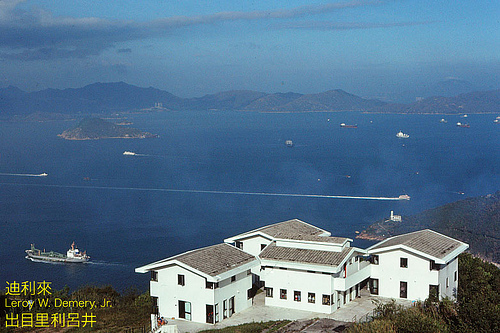
That photo is from 1983 … but not much has changed since. They’ve added high speed WiFi.