The bivouac “Gervasutti” stands on a rocky outcrop at the altitude of 2835 m, beneath the spectacular walls of Grandes and Petites Jorasses. …
The new hut is built with a modular chassis in sandwich composite and internally organized into 2 areas (the dining room, and dormitory with 12 beds) ….
The approach to the bivouac is in harsh environment, long and tiring that takes place mostly without path or track. Very easy to lose the way. Many yellow signals and stone piles indicate the routes, but in a very rough. Pay attention to overcome a creek that becomes very dangerous during the afternoon. …
Dietrich Mateschitz made a fortune selling Red Bull drinks to everyone — except me.
A typical rightwing billionaire, he died in 2022.
But the Red Bull legacy lives on.
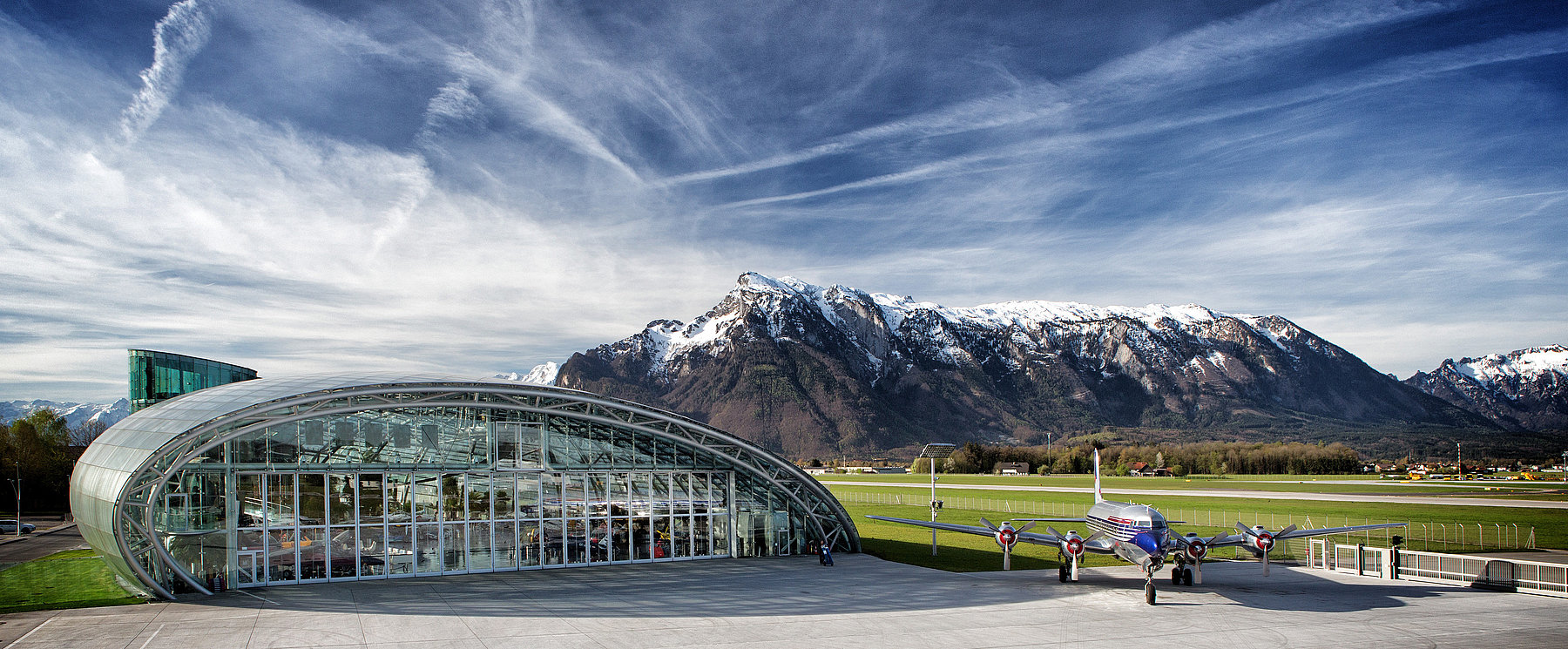
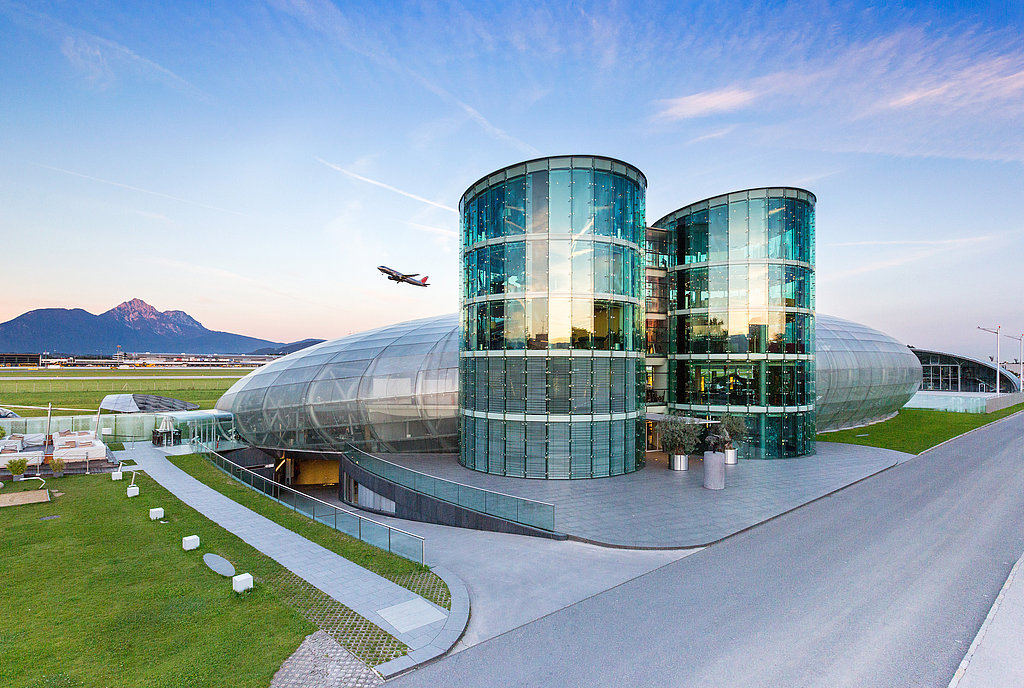
… Hangar-7 in Salzburg, Austria, hosting a collection of historical airplanes, helicopters and Formula One racing cars, and serving as home for the Flying Bulls, a private aircraft fleet stationed in Salzburg.
The building is airfoil shaped, constructed of 1,200 tons of steel and 75,000 sqft of glass surface. “Hangar 8” is the name of the maintenance facility. …
I boycott motor sports myself, but if you like Formula 1, Hangar-7 is a bit of a pilgrimage destination.
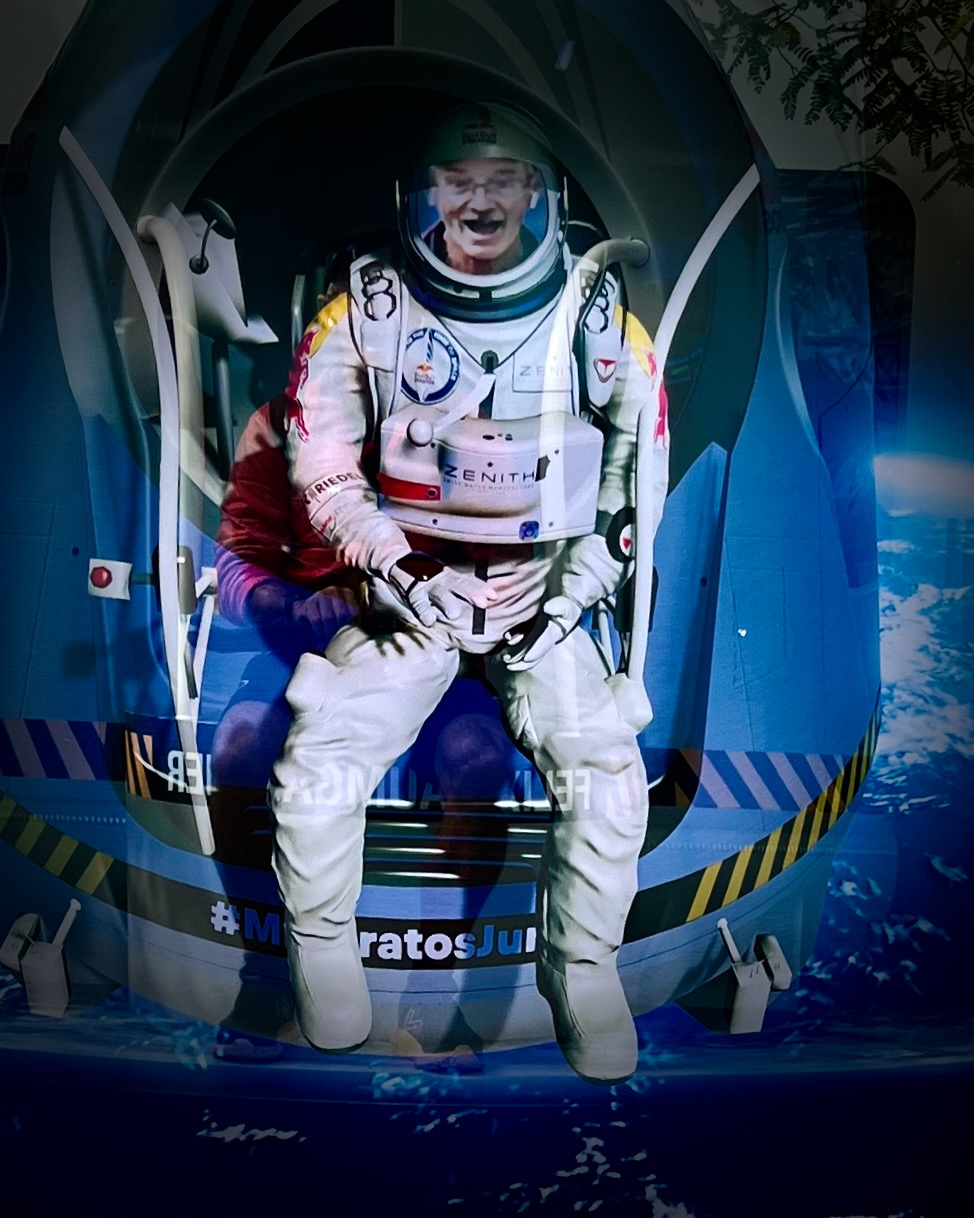
I did get to try jumping from 39 kilometres (24 mi) above planet earth ➙ Red Bull Stratos.
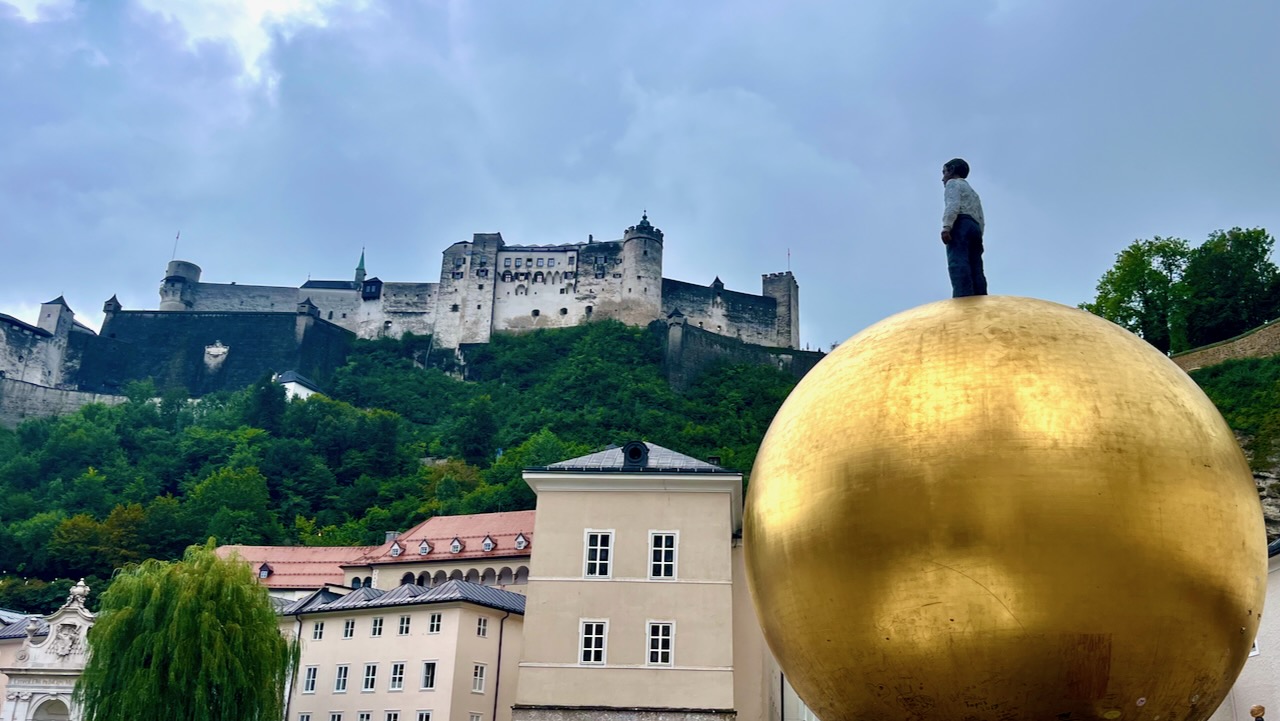
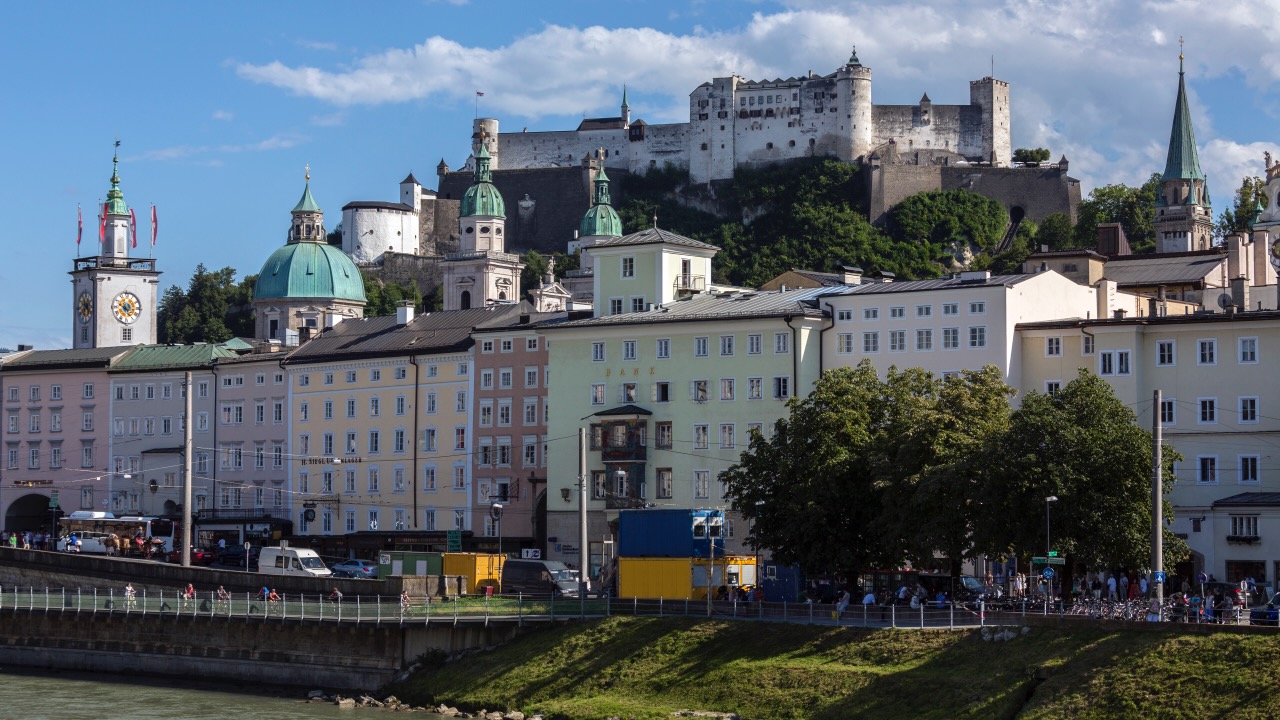
Though I only had a half day to cycle about Salzburg, I vividly remember the fortress of Hohensalzburg — which I hadn’t seen since 47-years-earlier. As a teenager.
Hohensalzburg Castle above the city of Salzburg in Austria. Salzburg is the fourth-largest city in Austria. The Old Town (Altstadt) has one of the best-preserved city centers north of the Alps. It is listed as a UNESCO World Heritage Site.
One unexpected highlight was the Red Bull museum called Hangar-7.
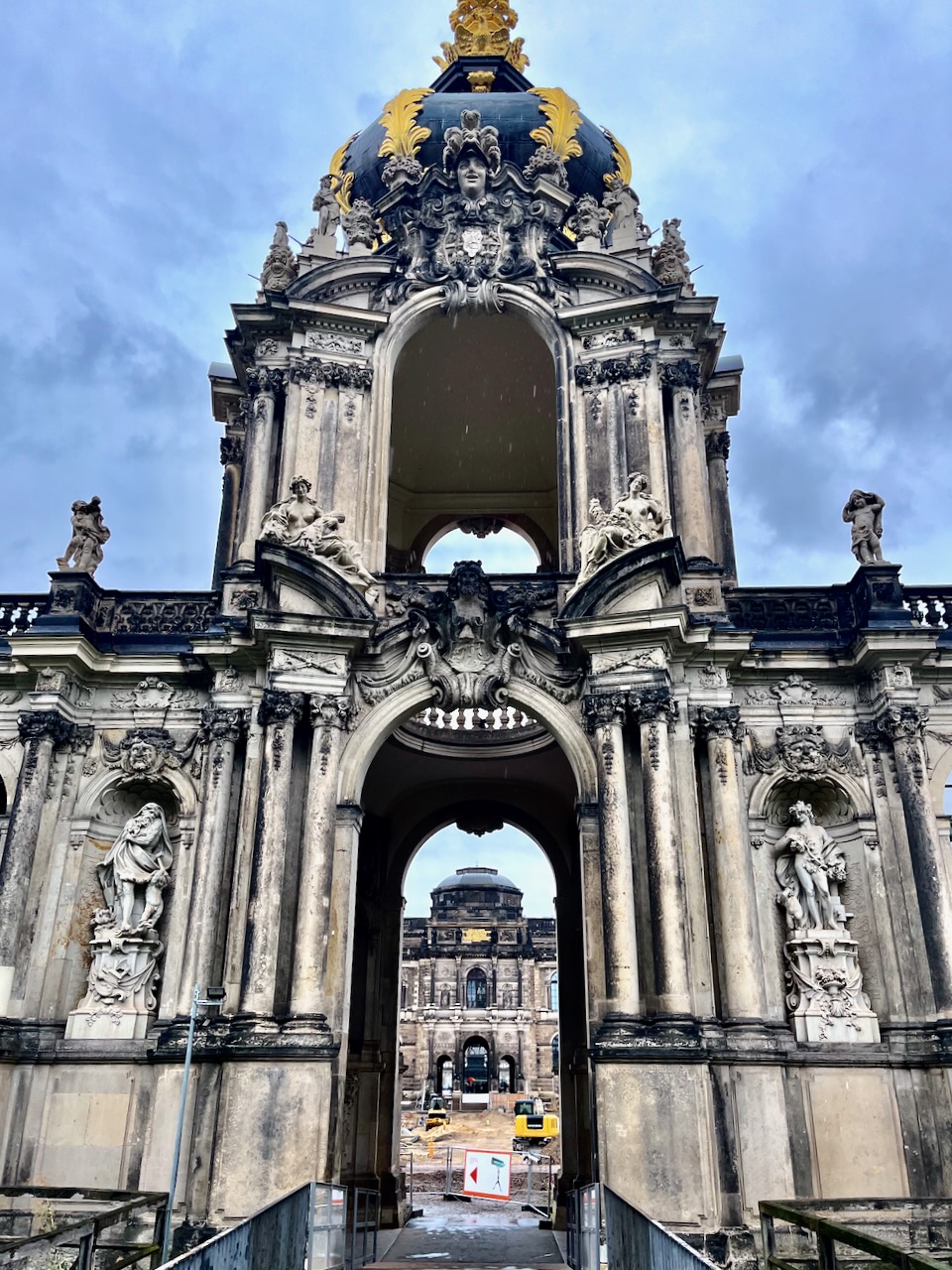
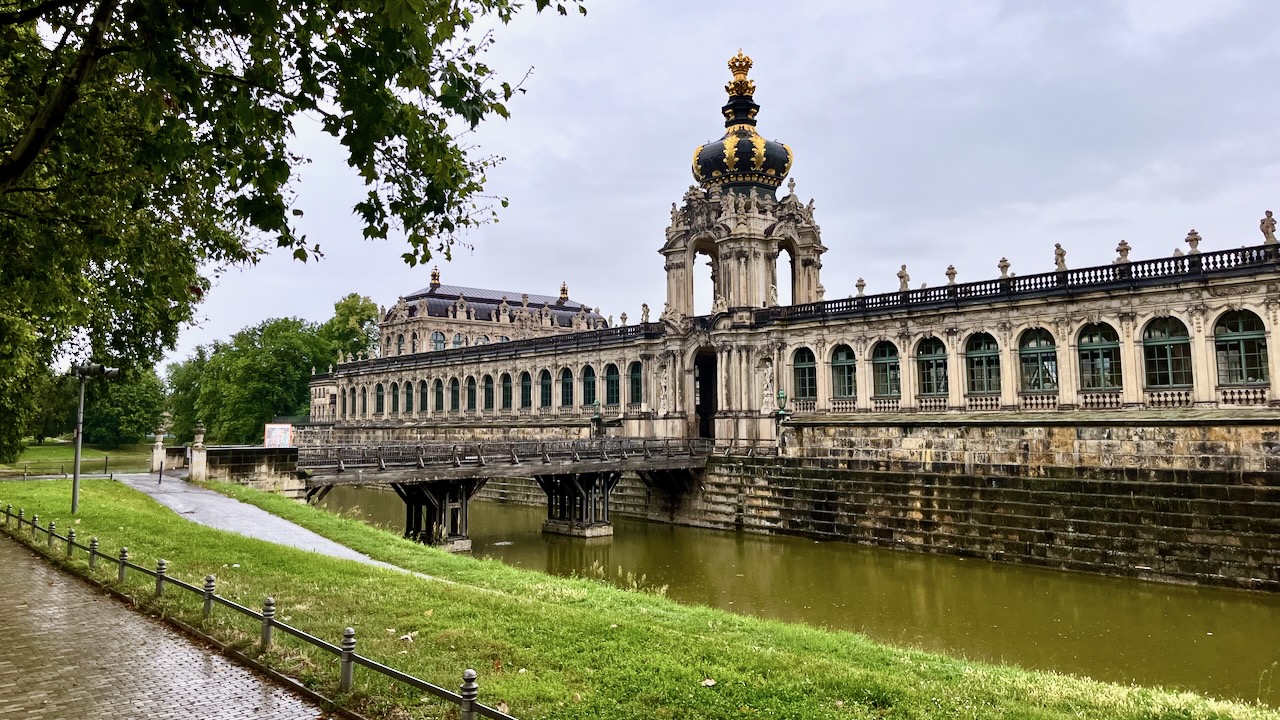
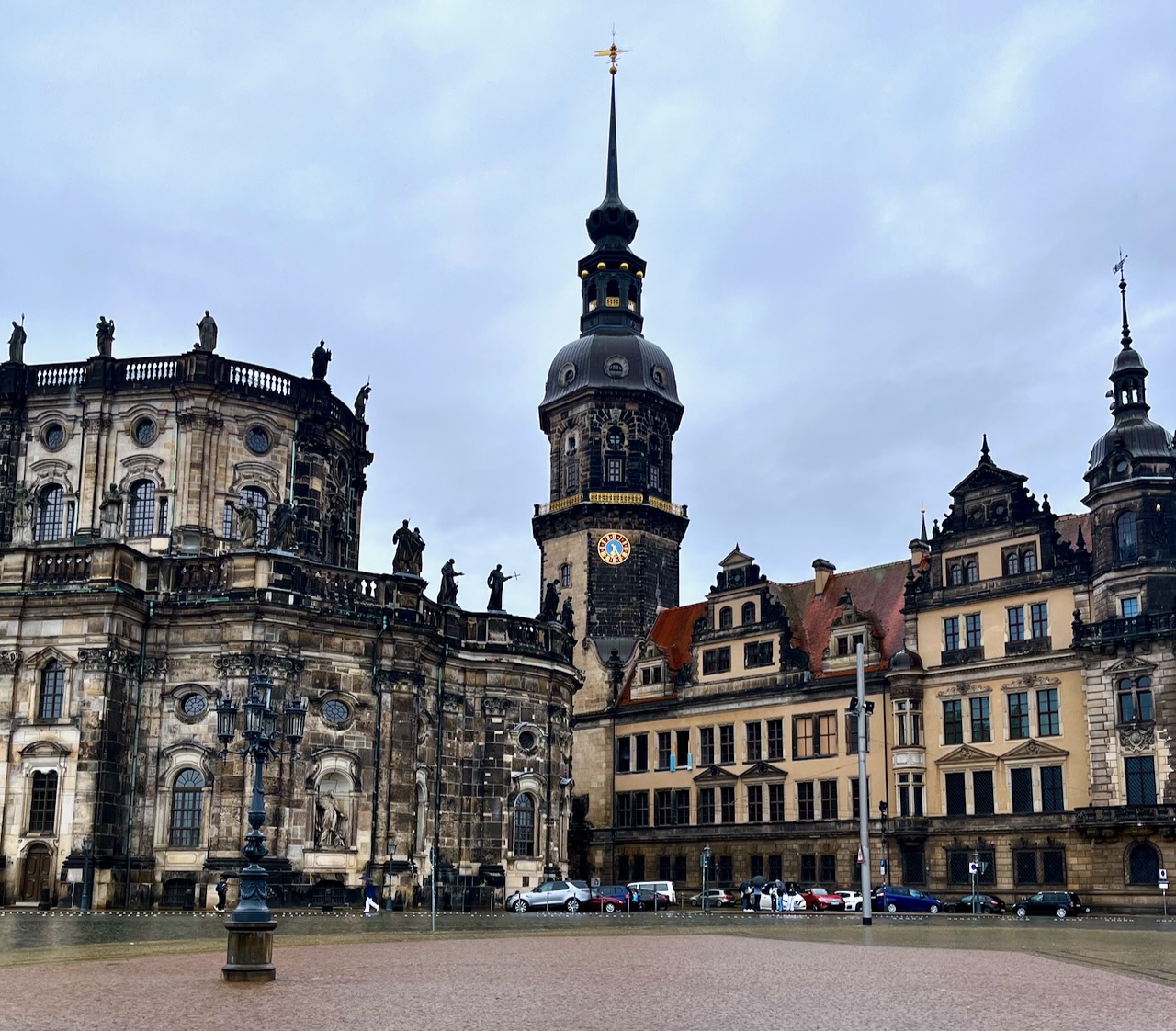
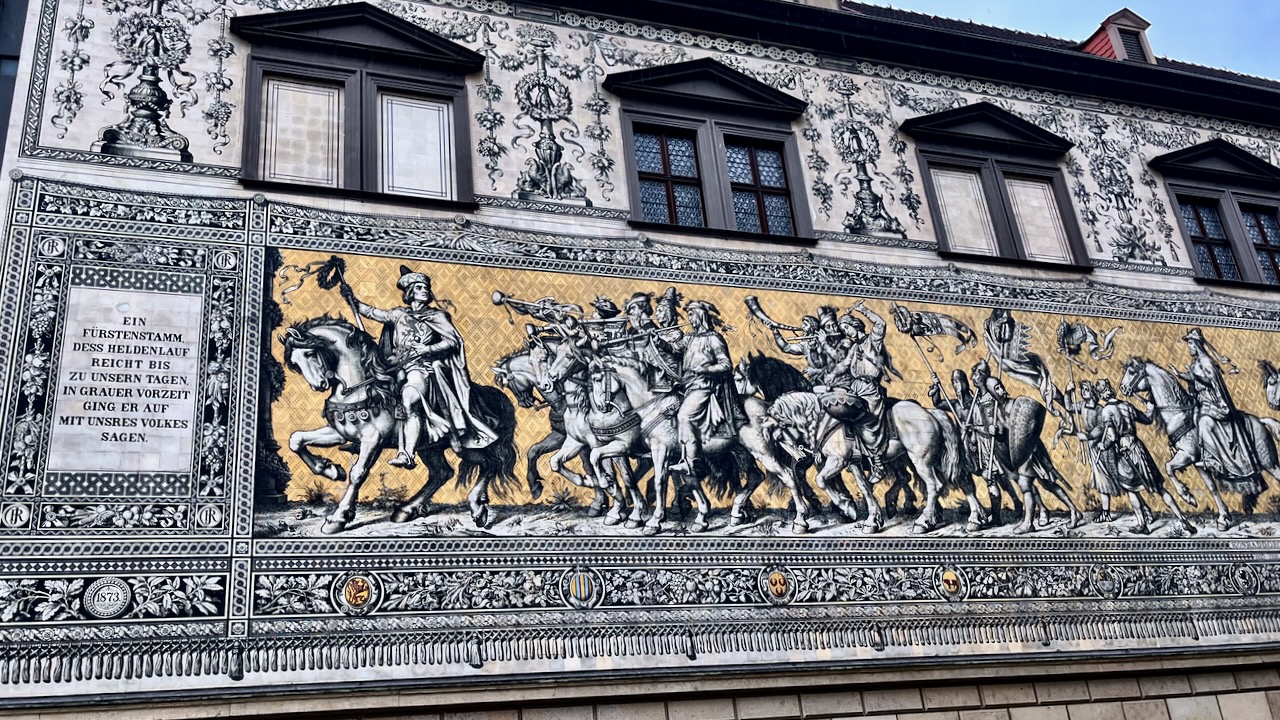
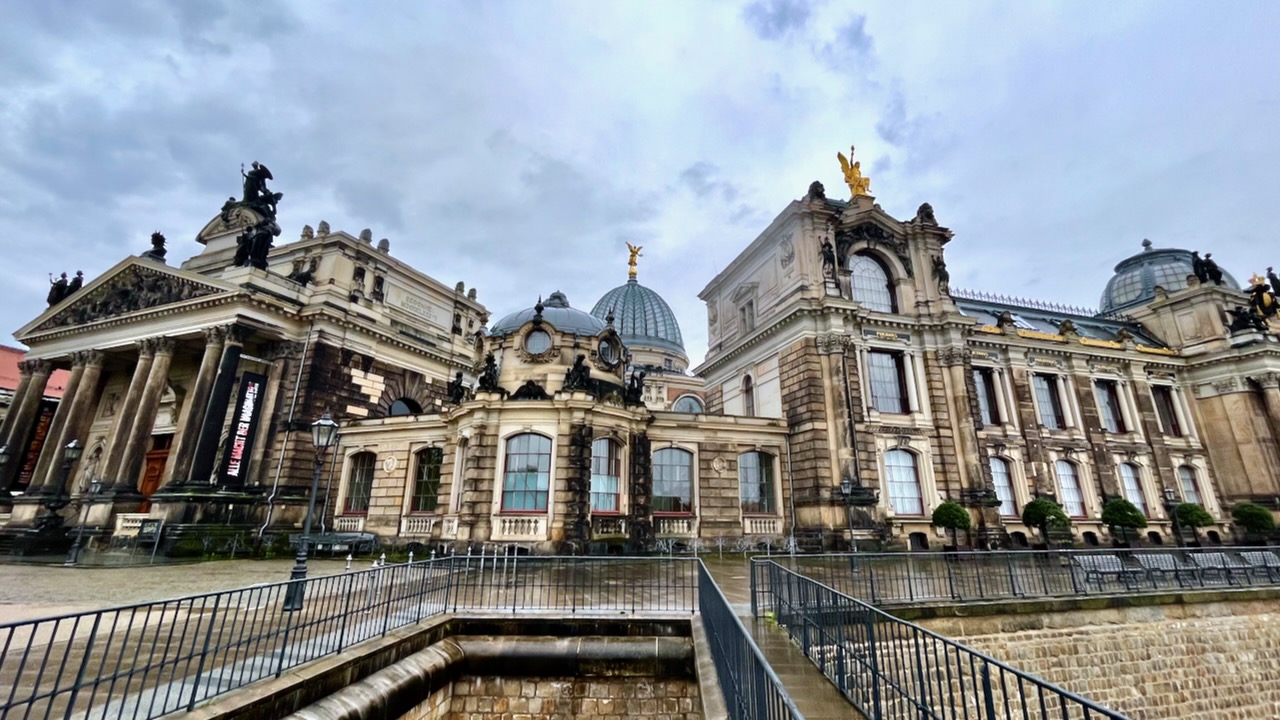
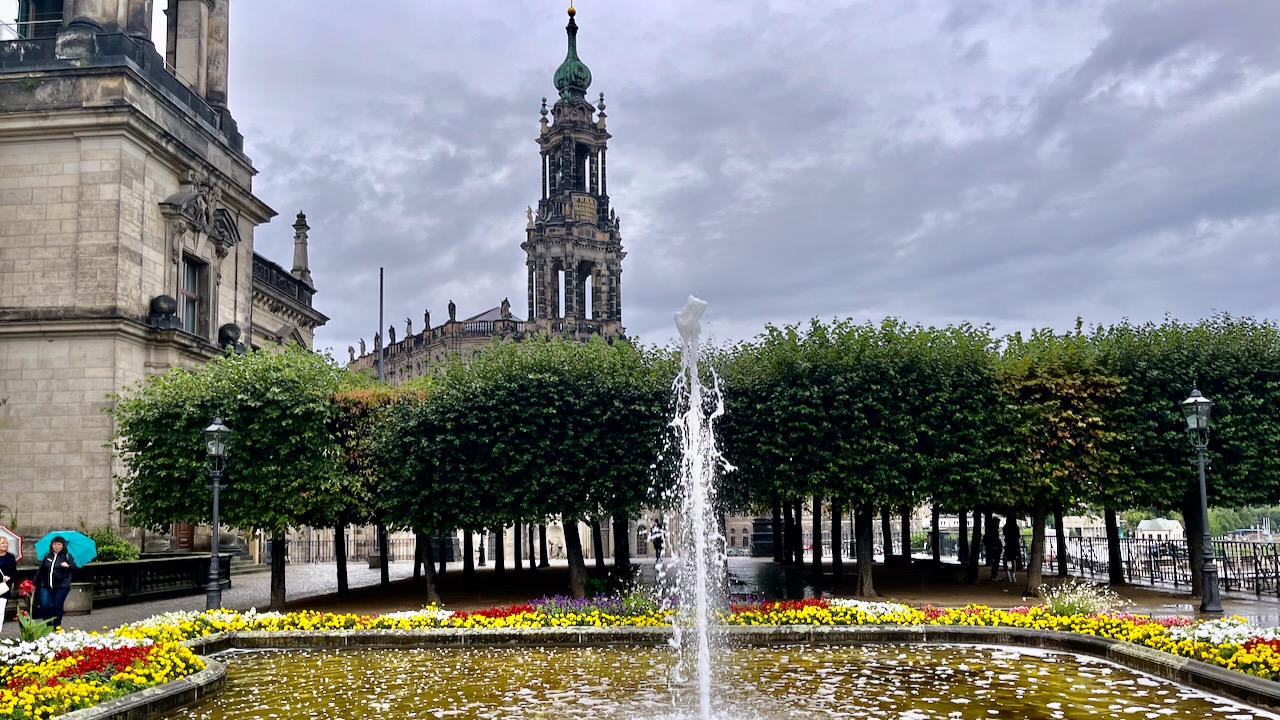
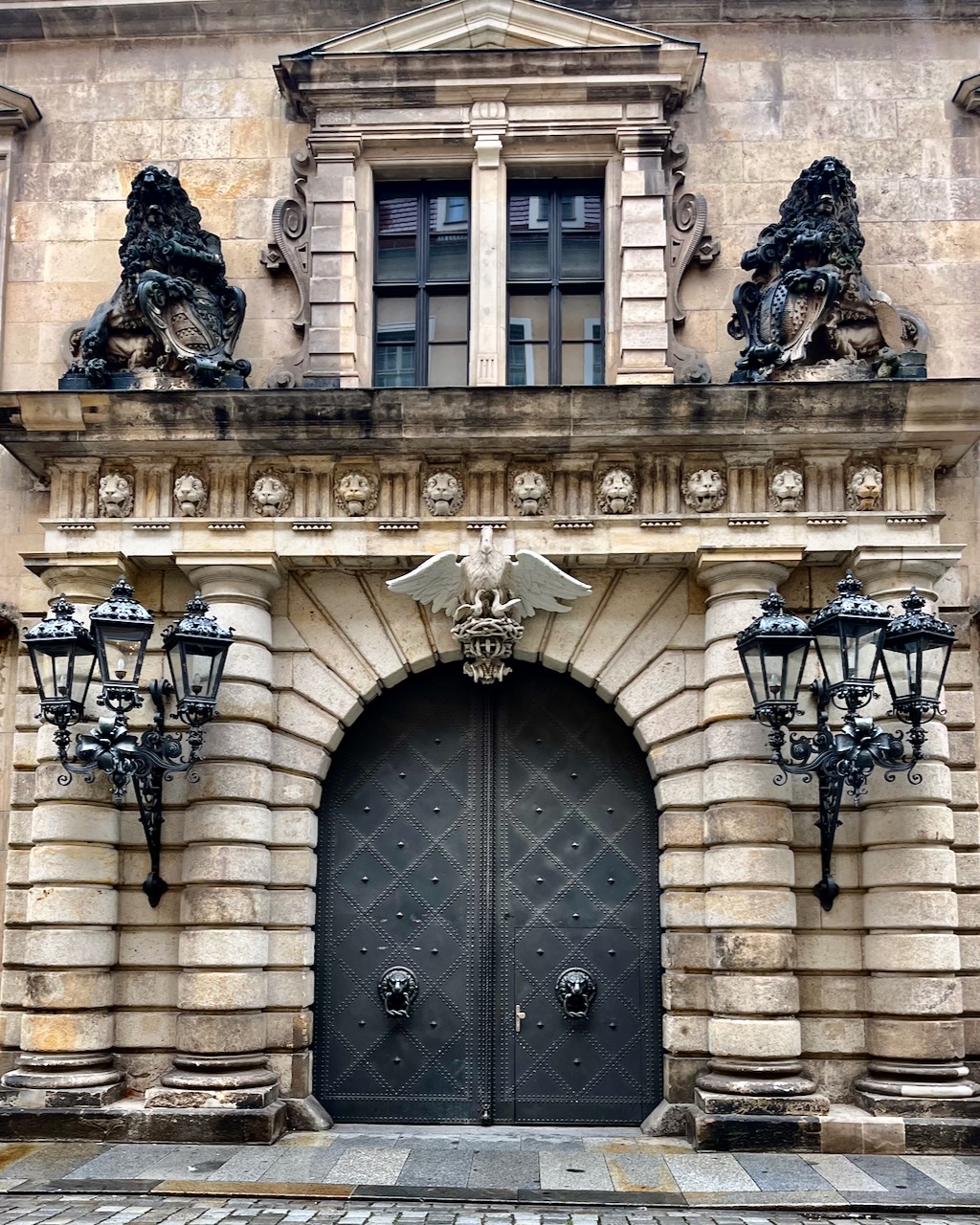
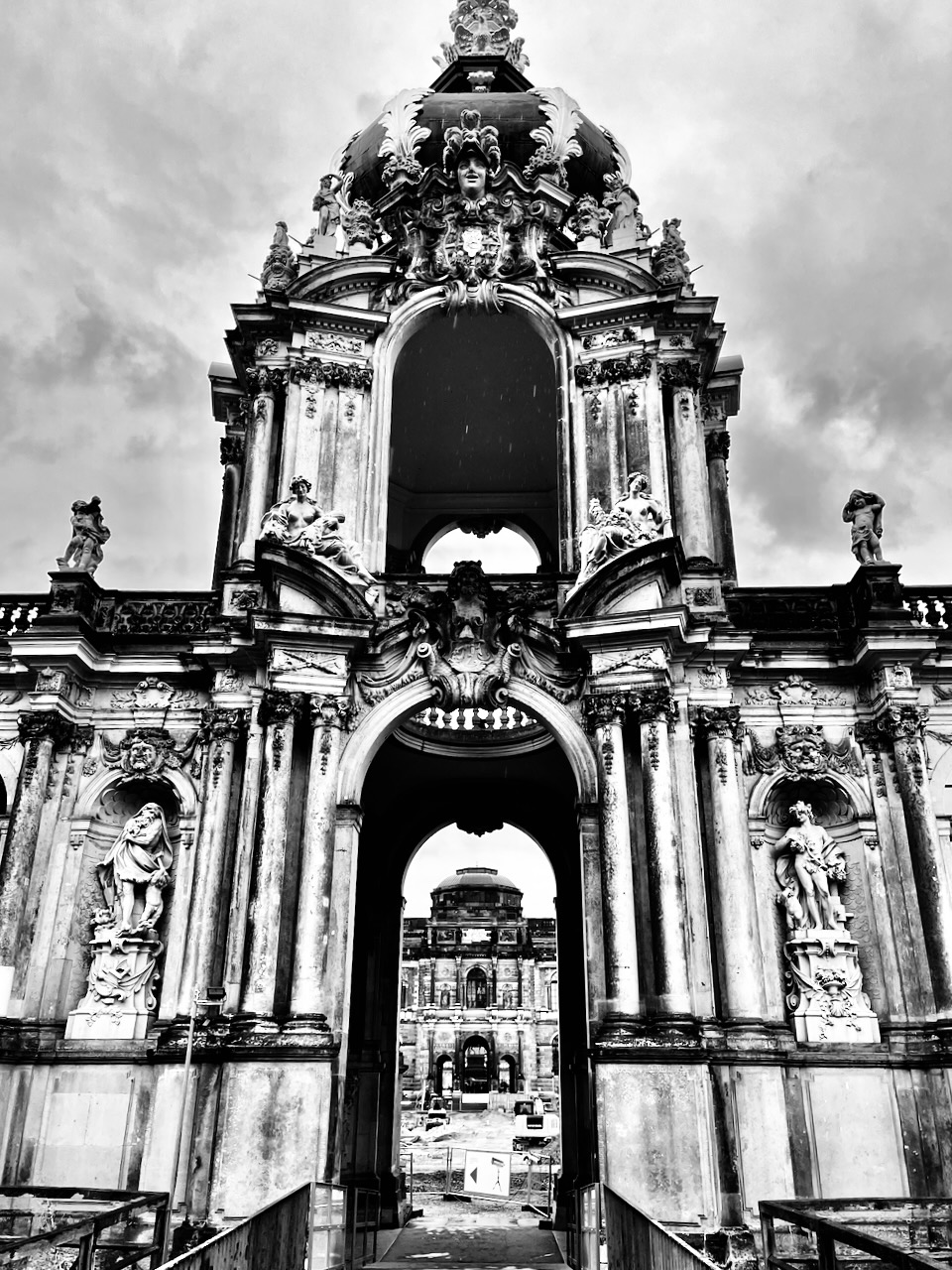
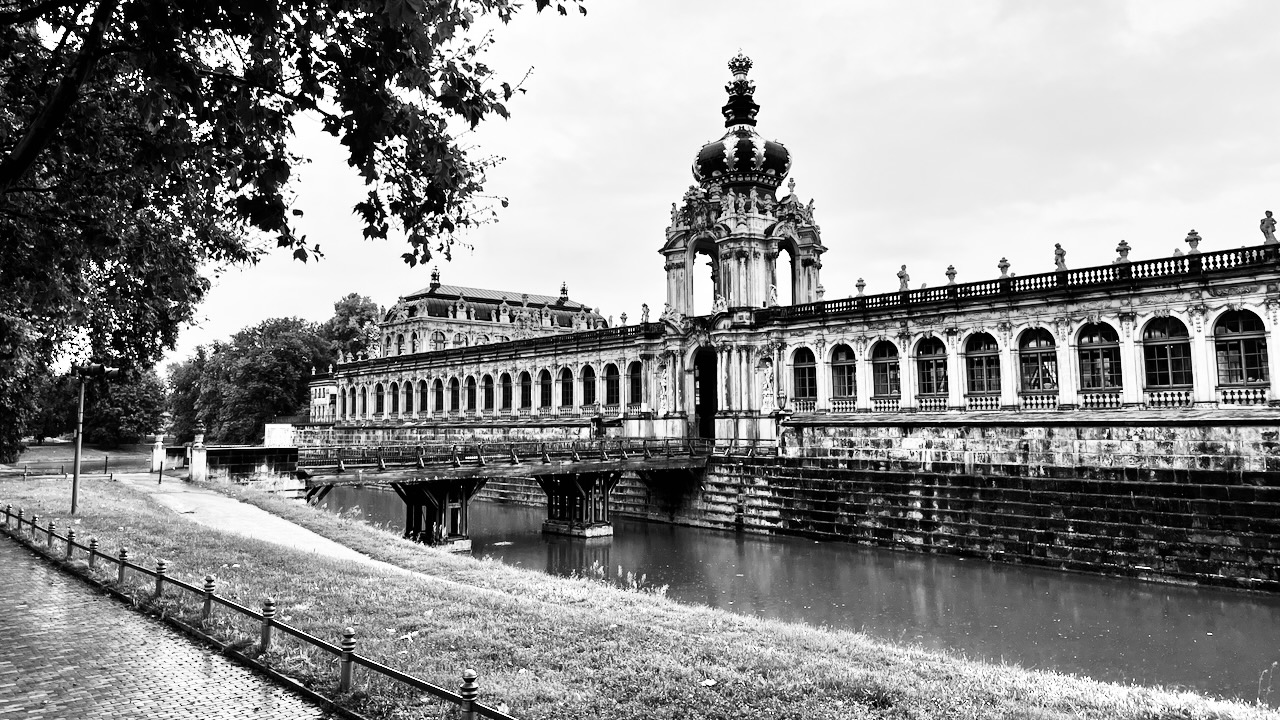
Dresden is as interesting for the visitor as any city in Europe.
Best of all, there are very few tourists here compared with Prague or Budapest.
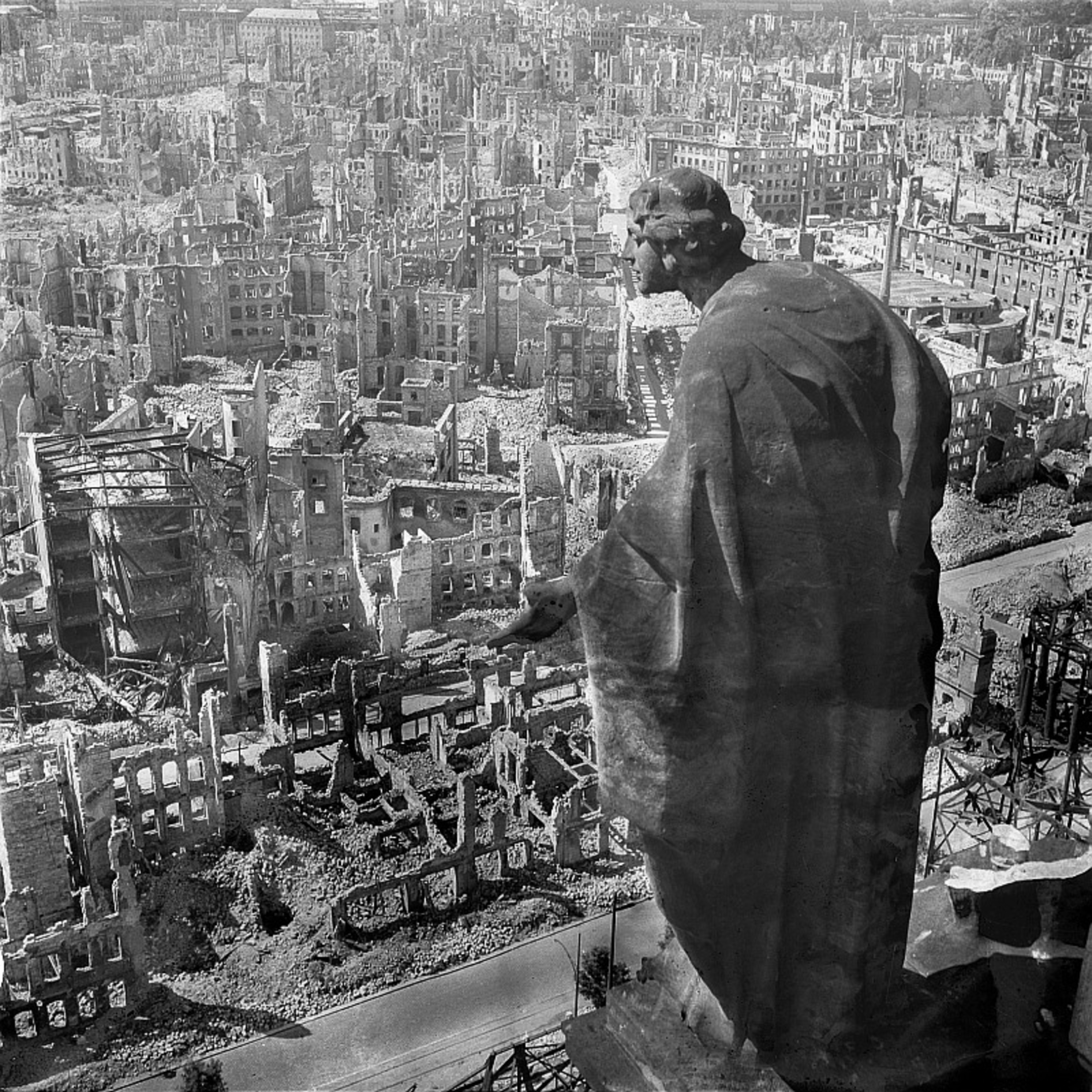
Like many English speakers my age, I first learned of Dresden from Kurt Vonnegut’s book. The author was in Dresden during the devastating and controversial Allied firebombing of the city that left it in ruins.
Vonnegut survived the attack by hiding in a meat locker of the slaughterhouse, hence the name of his breakthrough novel, Slaughterhouse-Five (1969).
It’s grim. Bombs killed approximately 25,000 people, most of whom were civilians, and destroyed most of the major buildings.
Dresden 1945. Facing south from the town hall (Rathaus) tower.
I had low expectations on arrival, mainly wanting to connect to nearby National Park of Saxon Switzerland for cycling and hiking:
What I liked best about Dresden, Germany was how few tourists cluttered up the great sights. Of the languages I heard, almost everyone spoke German. A few Russian. And a few spoke English.
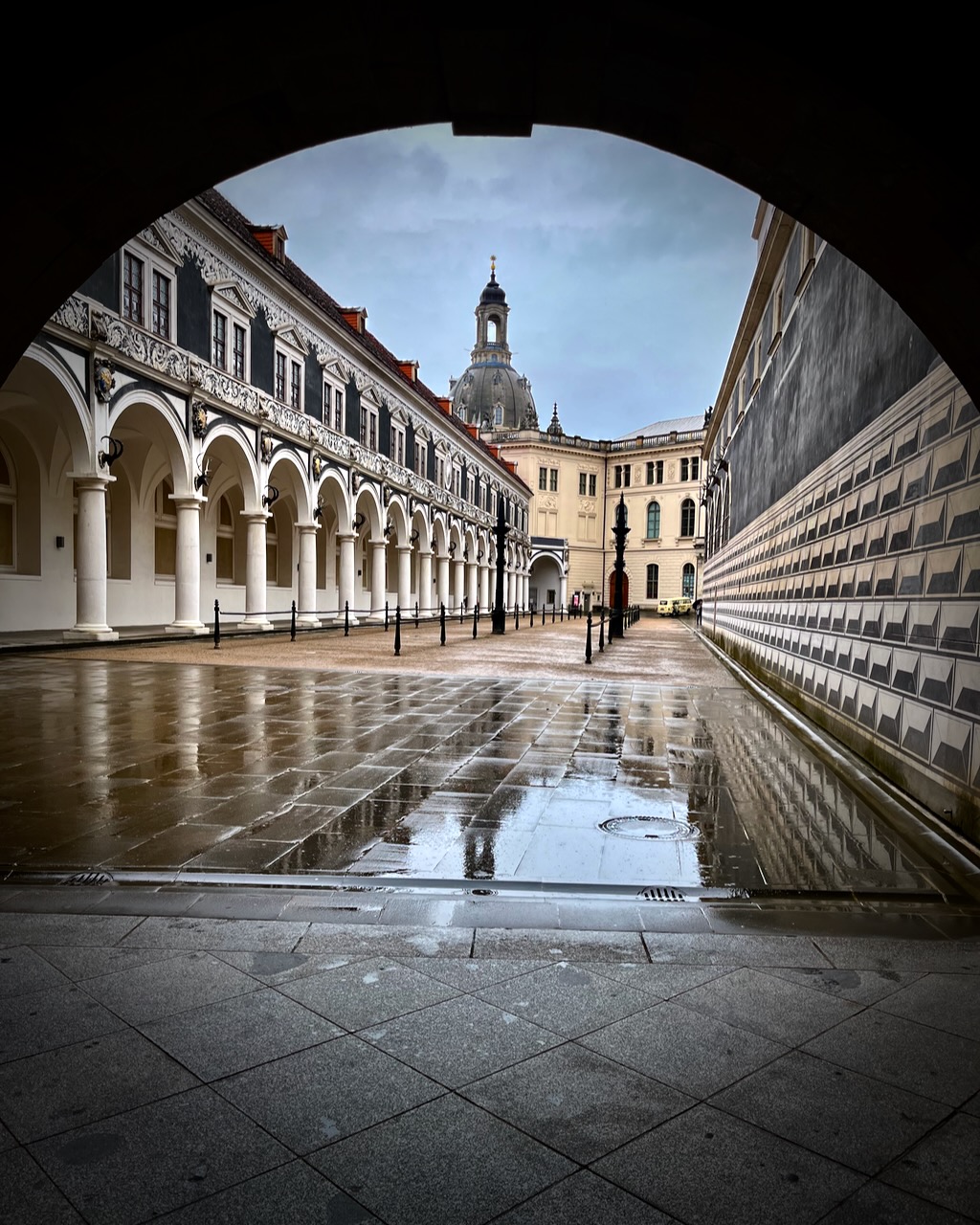
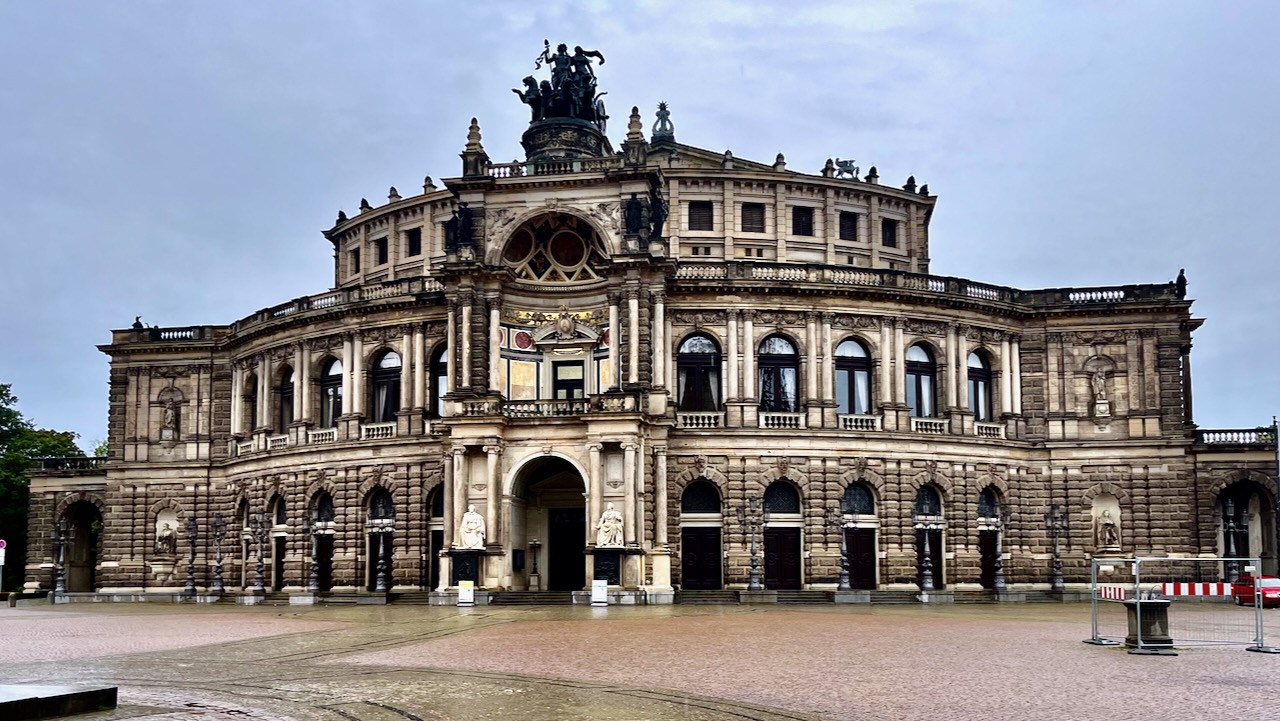
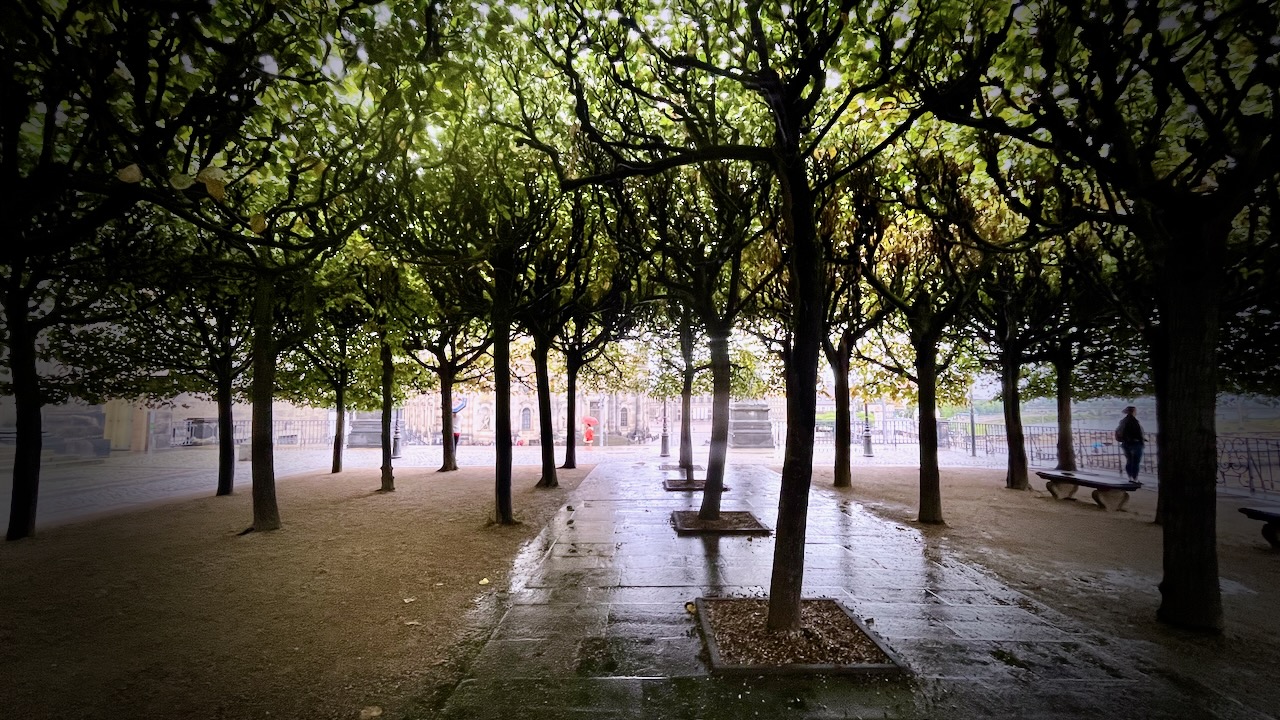
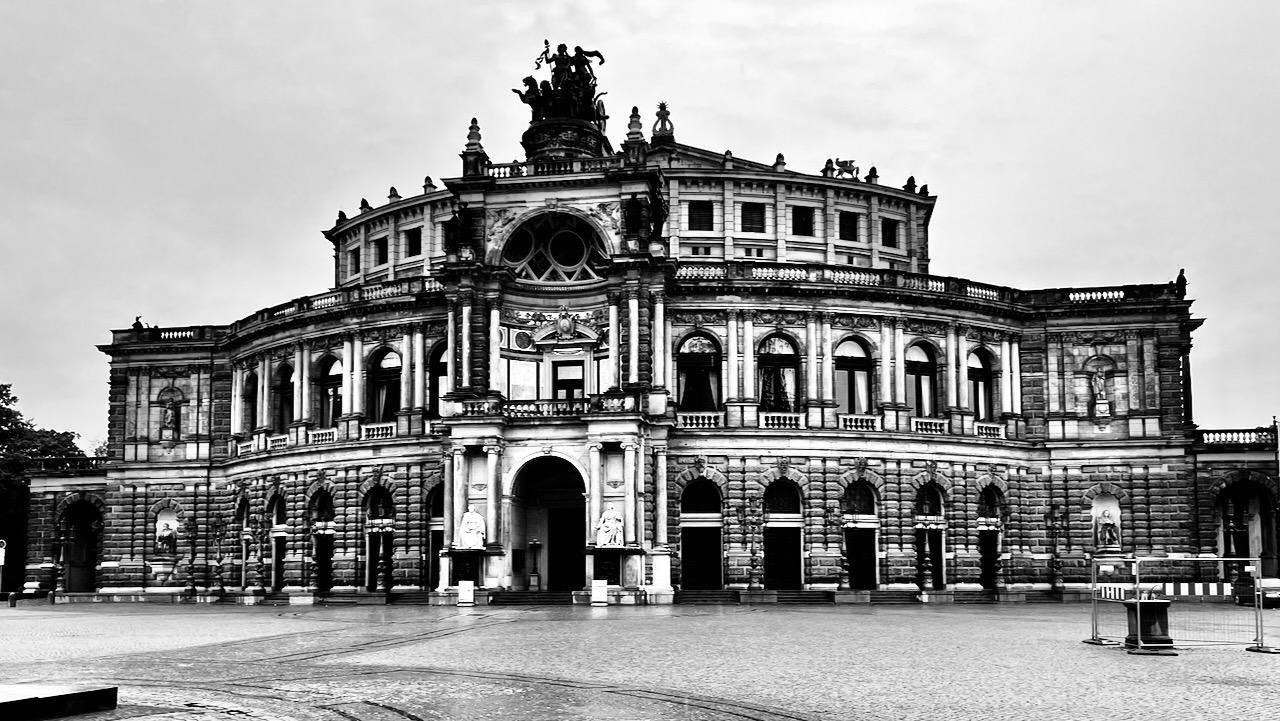
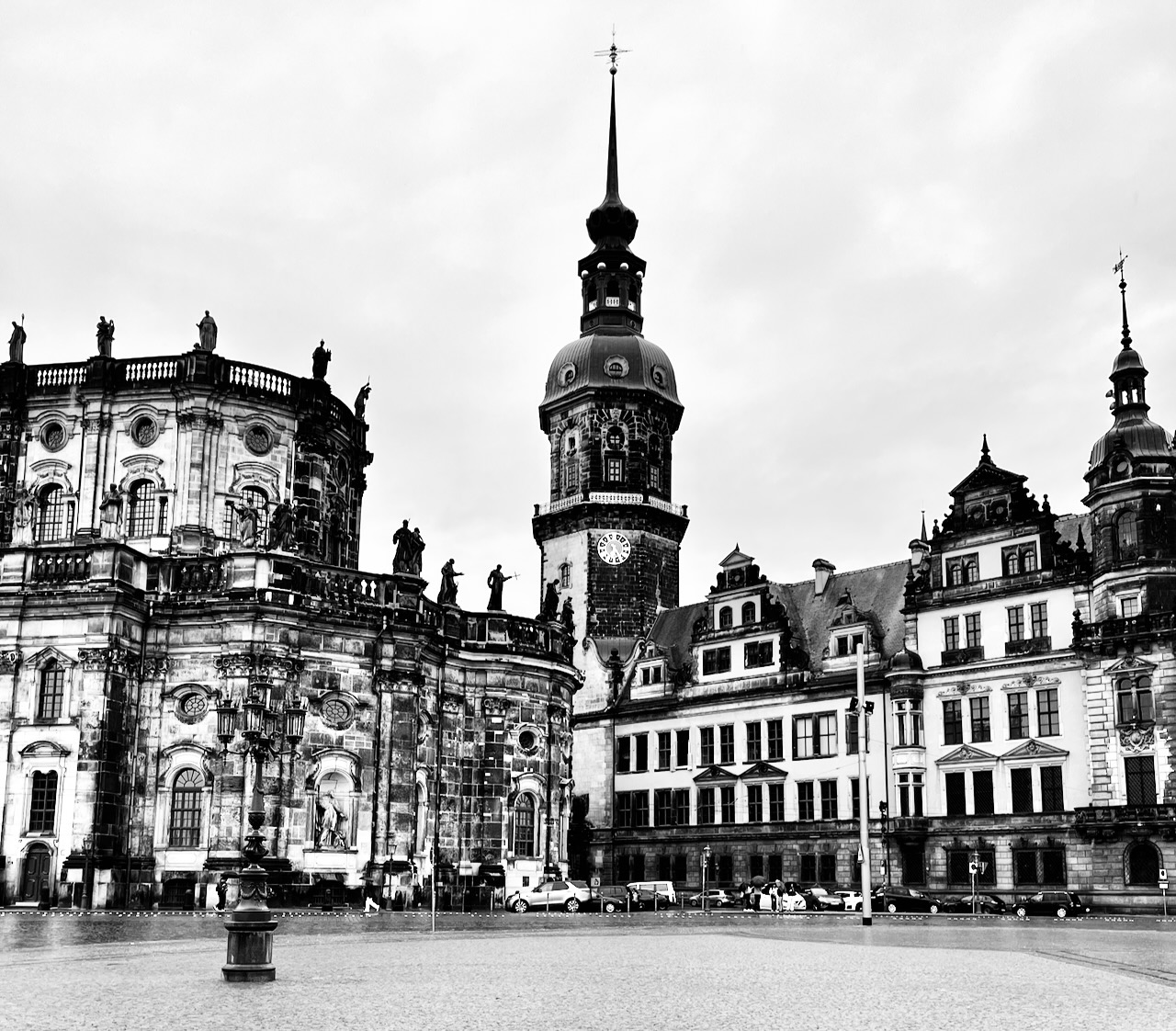
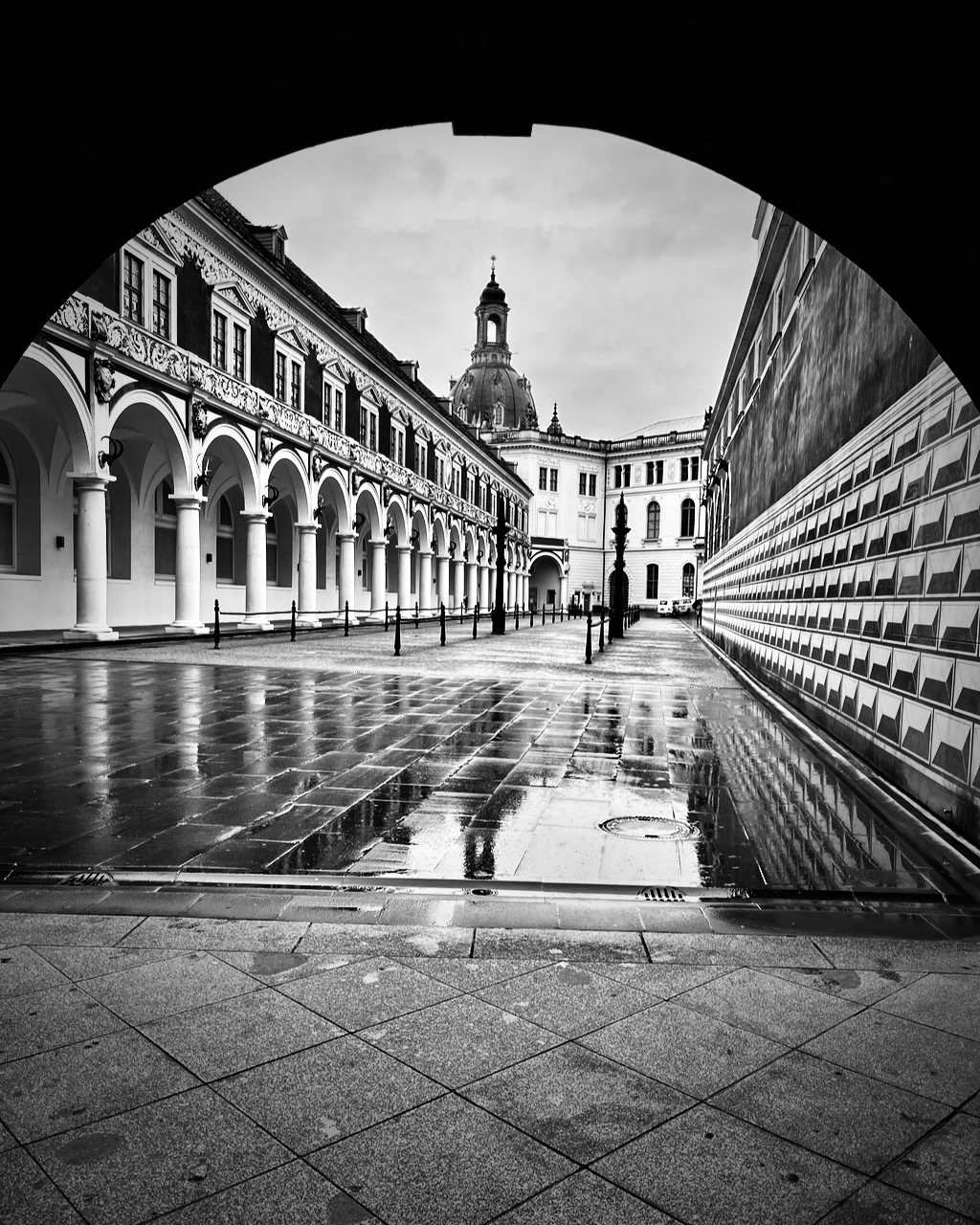
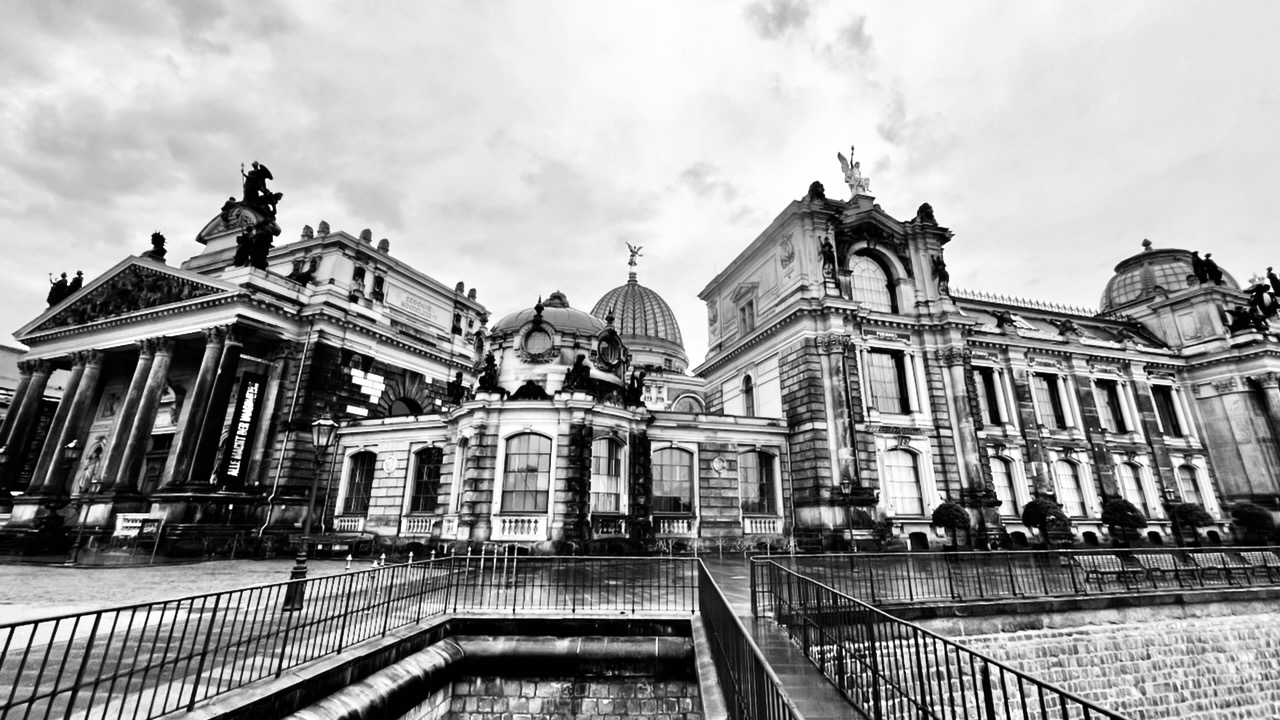
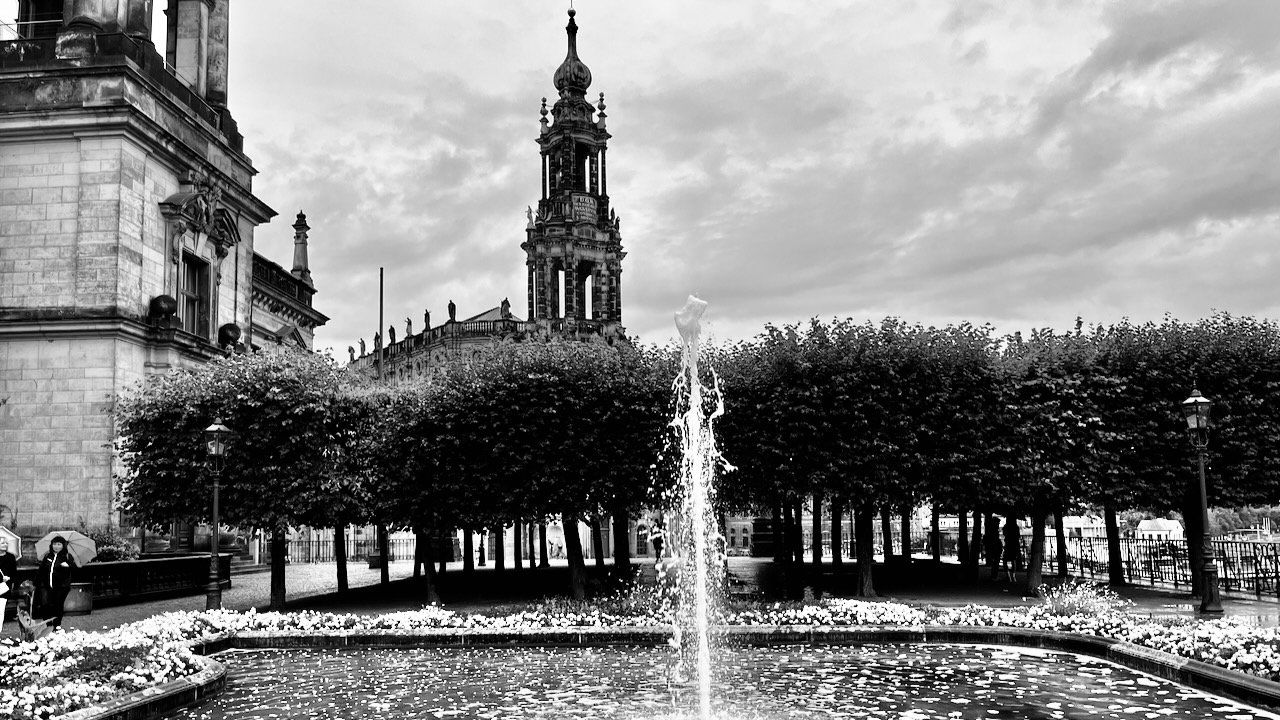
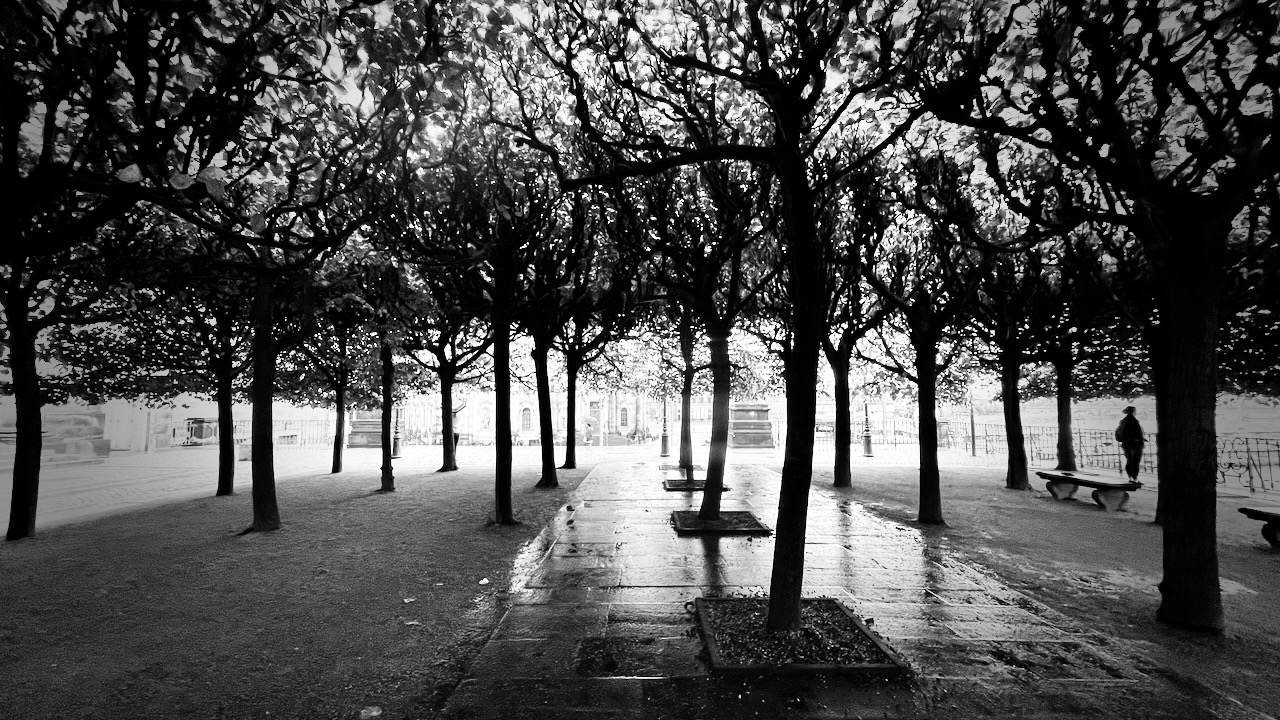
Early or late in the day — or, especially, in the rain — I had the huge plazas nearly to myself even at the end of August.
Unlike Florence which is swarming with tourists at all times, my photos were mostly unpopulated.
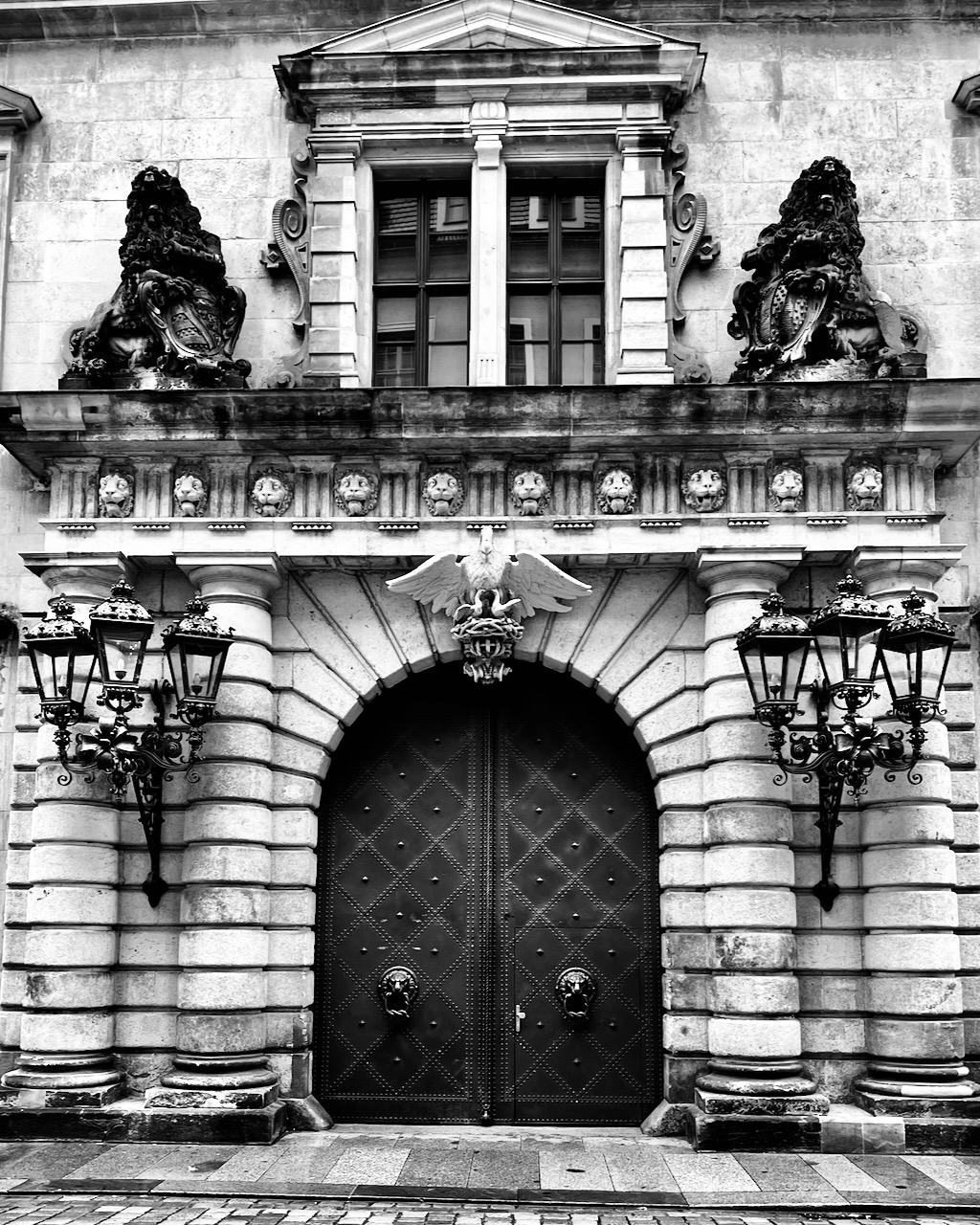
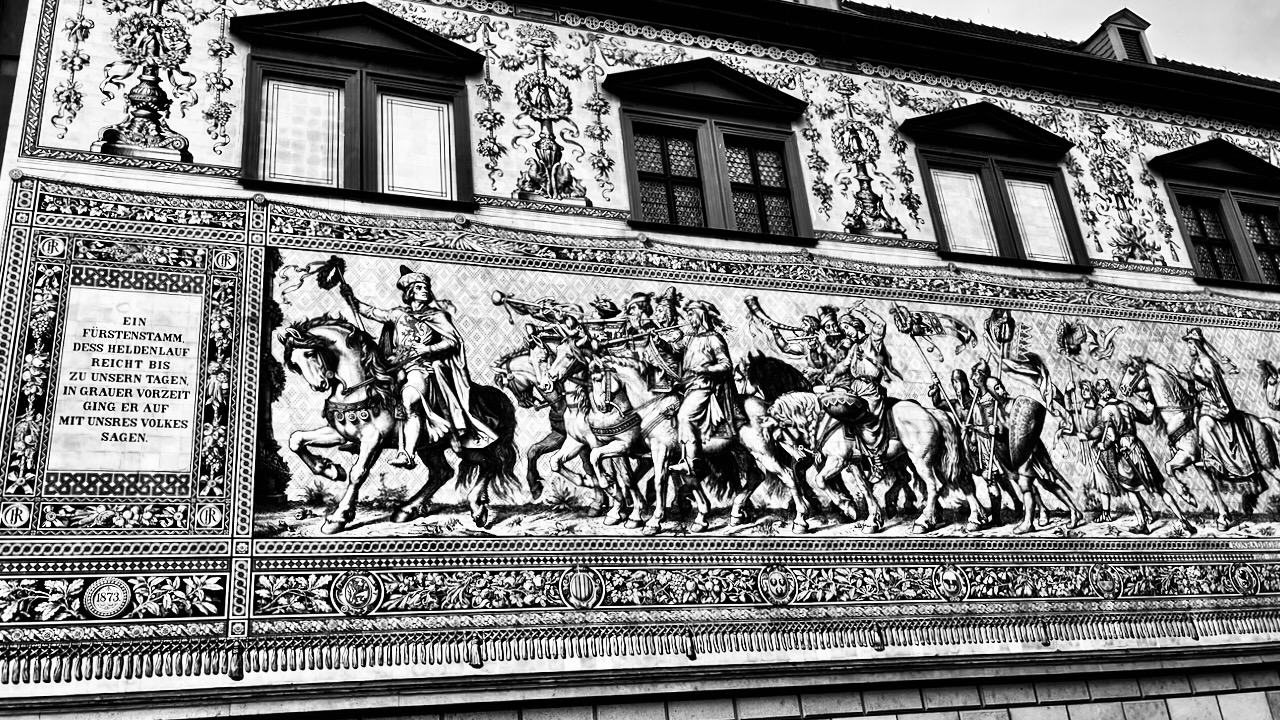
For fun I decided to experiment with editing in black & white (Noir filter) and see if I could capture a feeling of the old East Germany.
I had quite a bit of time there as the police made ALL cyclists take their bikes off my train leaving town. Apparently some had argued with the conductor — so we ALL had to leave. And wait a couple of hours for the next train. 😀
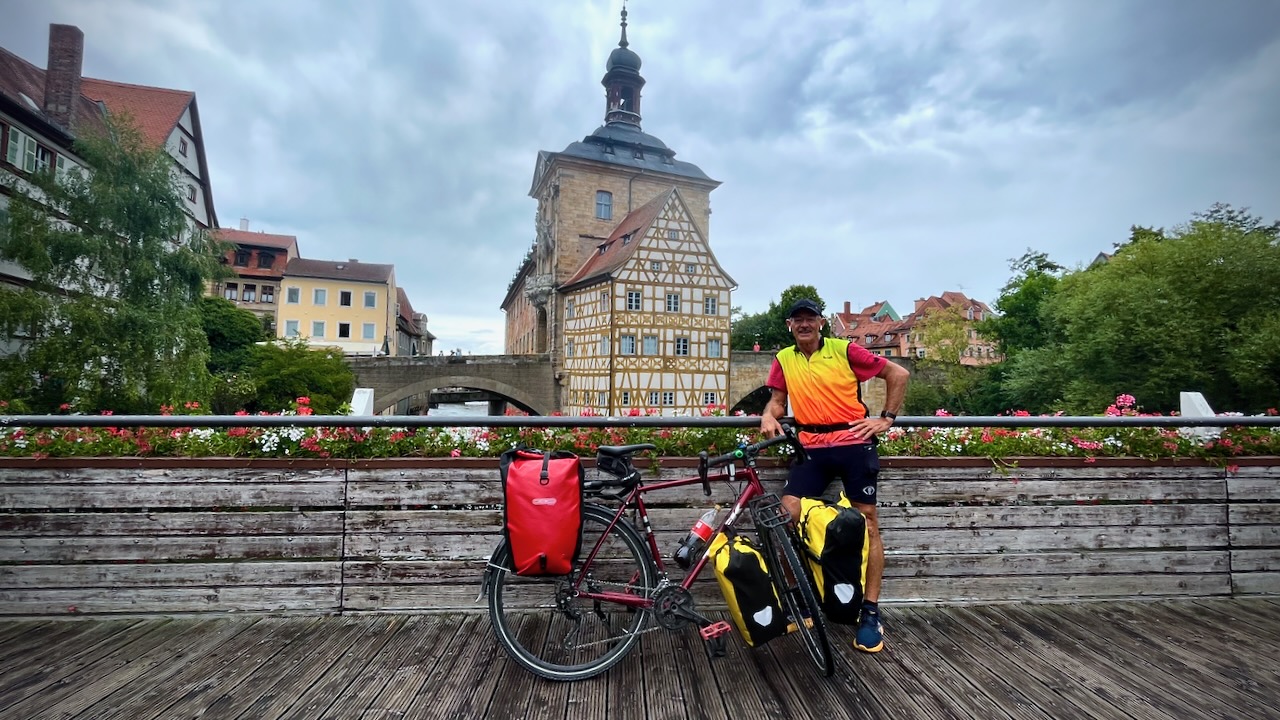
Bamberg is quaint. It was crowded on a summer day.
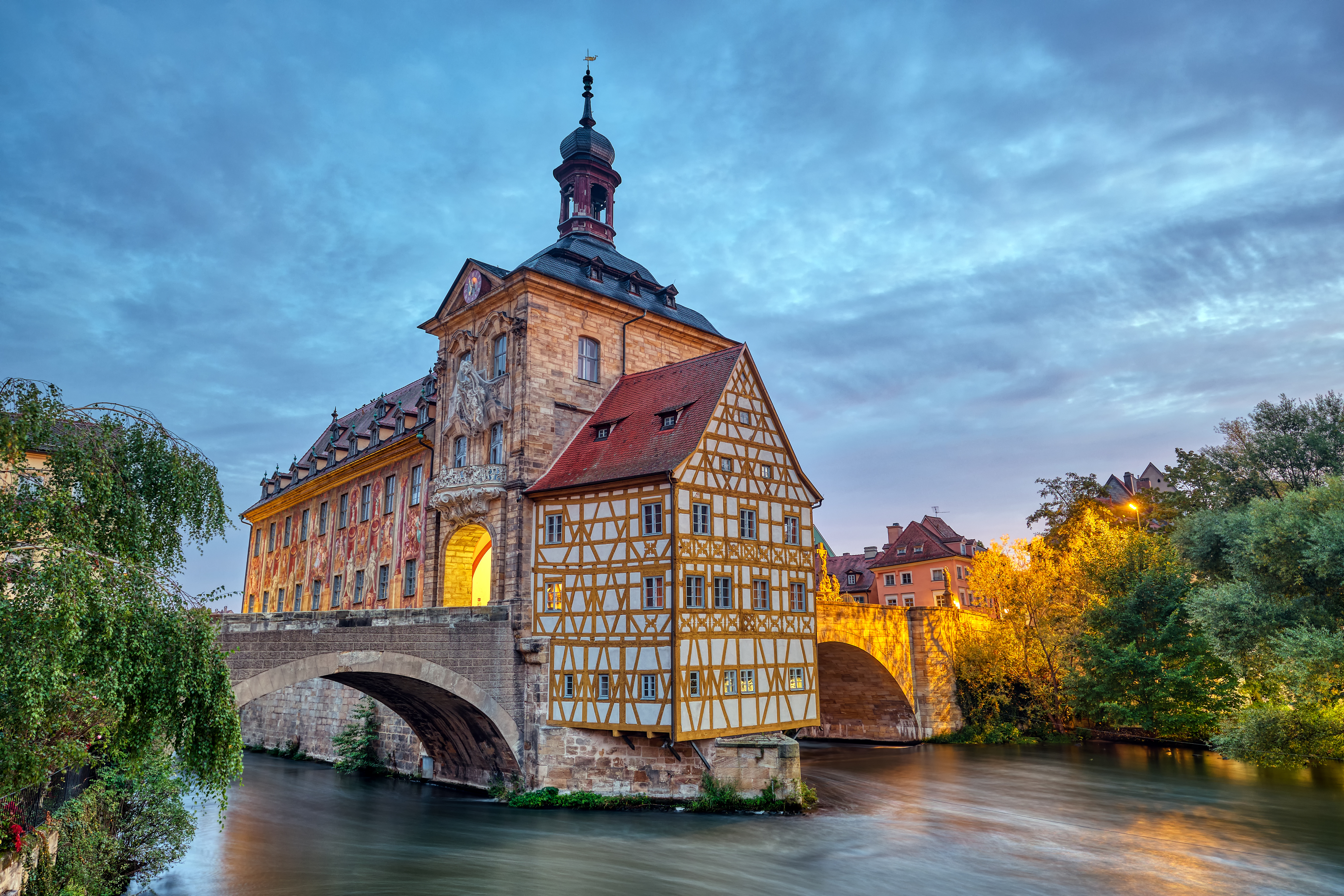
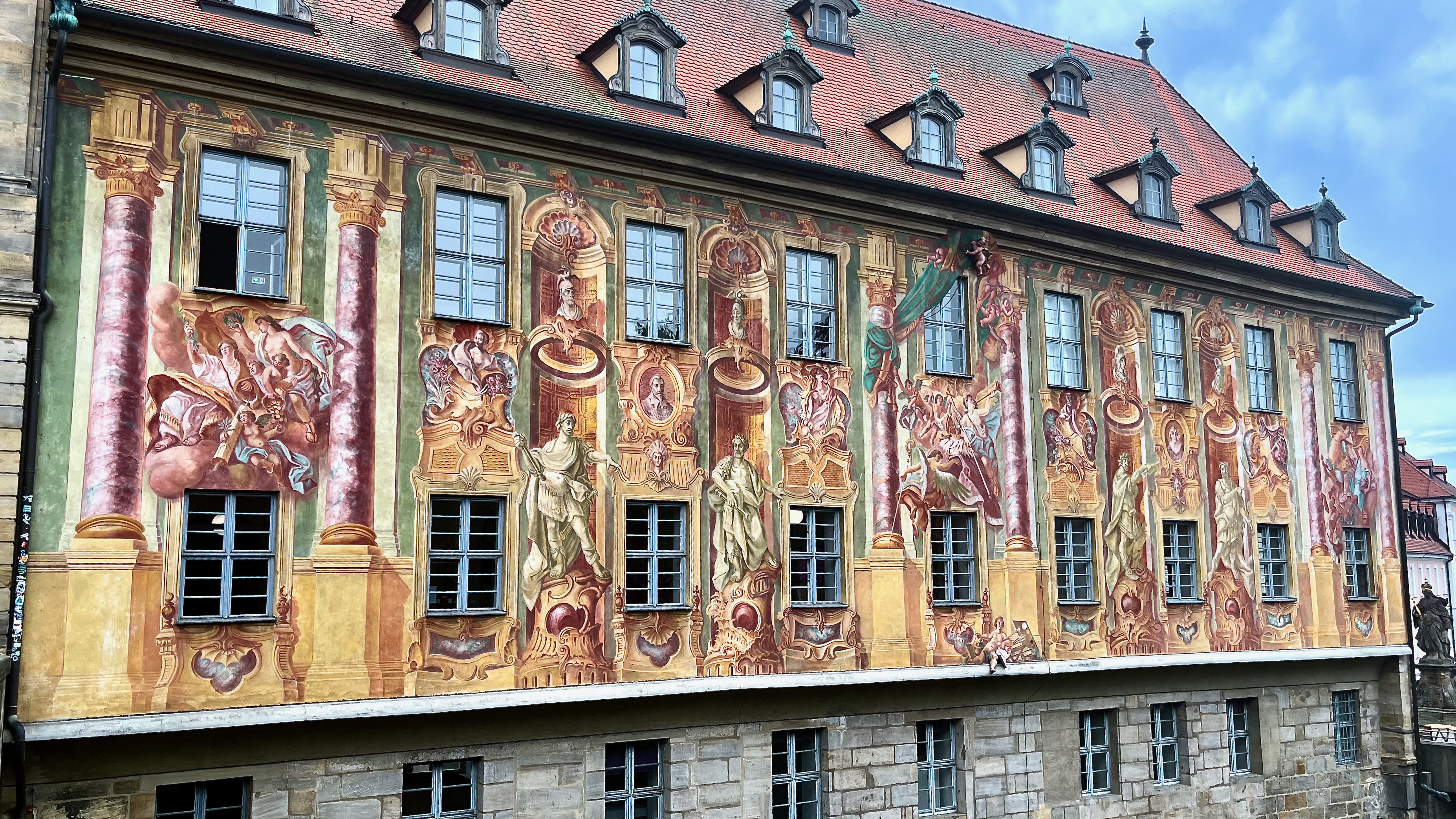
For sure my highlight was the Old town hall (1386), built in the middle of the Regnitz river, accessible by two bridges.
Beautiful.
It’s sometimes called Klein-Venedig (“Little Venice”) … and there are some pretty canals.
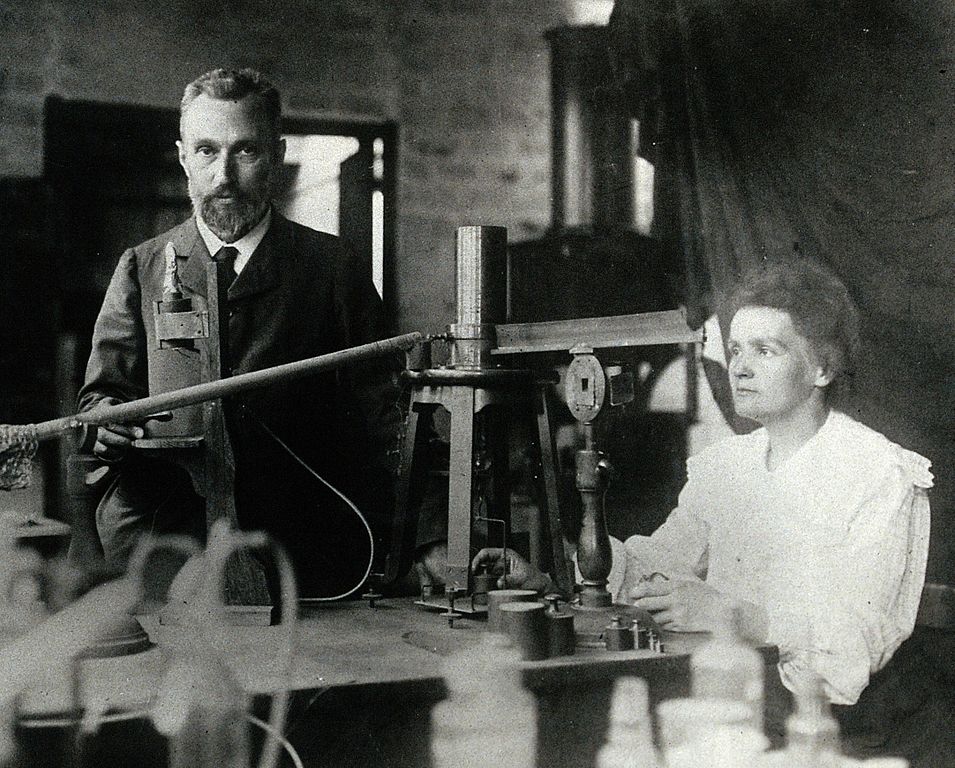
The Curies announced the existence of an element they named “polonium“, and of a second element, which they named “radium“, from the Latin word for “ray”. In the course of their research, they also coined the word “radioactivity“.
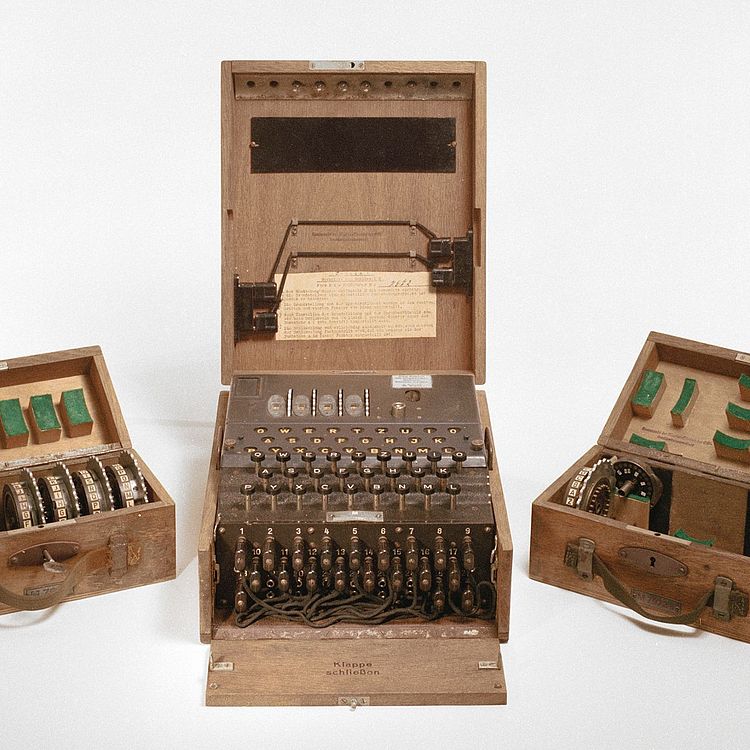
The Brits famously broke the Enigma machine code at Bletchley Park. Gordon Welchman, who became head of Hut 6 working on that project, admitted they wouldn’t have been successful without consulting cipher-breakers Poles who had cracked Enigma in 1932.
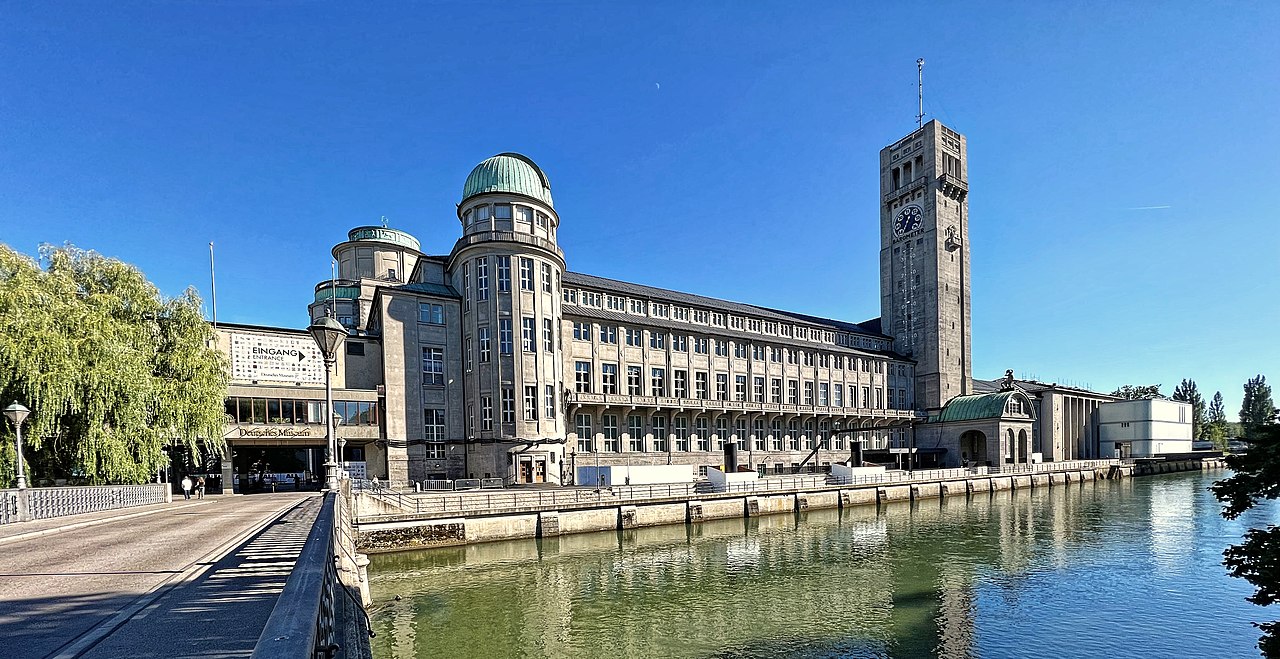
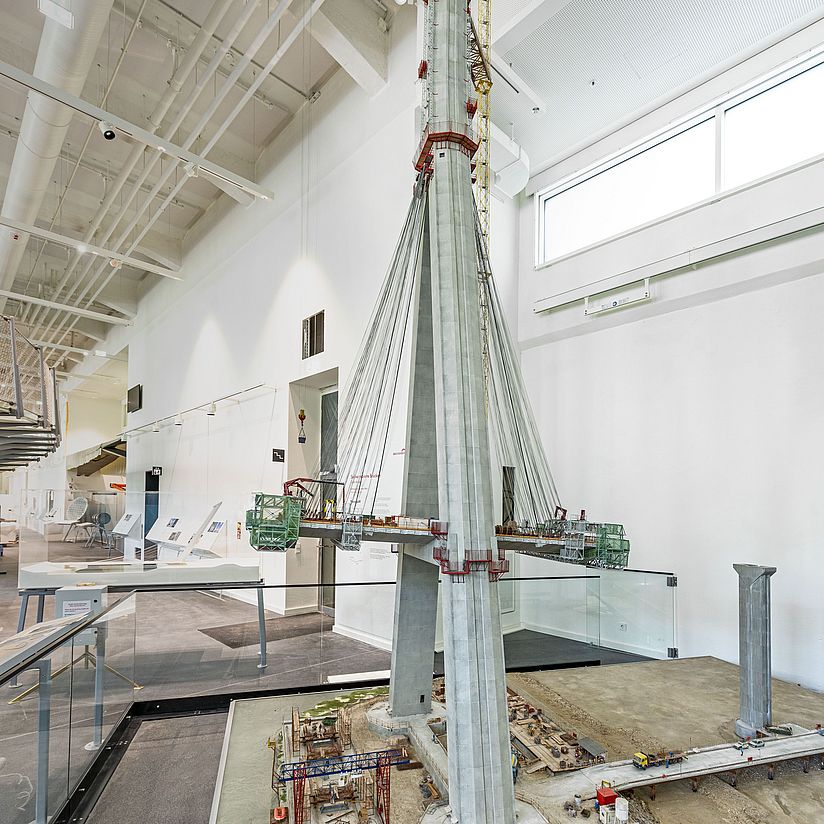
It would take hundreds of hours to look at all 28,000 exhibited objects in the Deutsches Museum.
I downloaded the app and took a “highlights tour” with audio. Recommended for the first time visitor to the museum.






 Rick McCharles