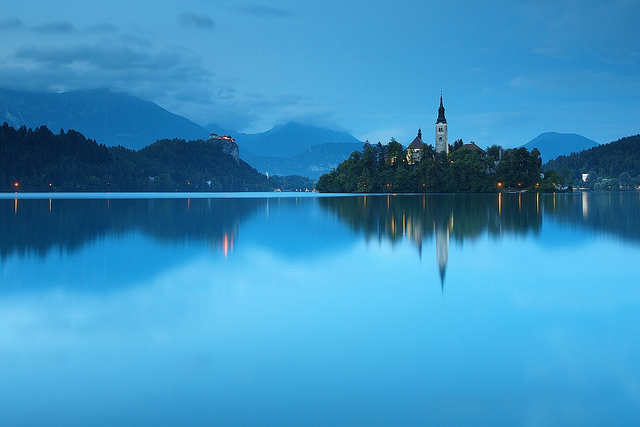
Bled is a super popular tourist town on a tiny, lovely lake.
I had arrived at the hostel in Ljubljana at 10pm. Next morning by 9am I had joined a group headed for Bled.
It’s an adventure tourism mecca: rafting, canyoning, cycling, rock climbing, mountain climbing. I watched scuba divers climb into the lake first thing in the morning.
We had 2 cars and one motor bike. Fellow travellers from the U.K., California, Belgium, France and Singapore. One reason why I like hostels so much better than hotels.
I paid for my ride in beer. Standard hostel currency.
We circumambulated the lake. Visited the “castle“. Then drove off to hike Vintgar Gorge.
An excellent day was punctuated by this sunset.
Don’t forget your camera.
At dinner we met two guys from Zurich. One hoped to climb Triglav 2864m. With guide that costs about 200€. It’s tough to get an alpine hut booking during high season so he came in October.
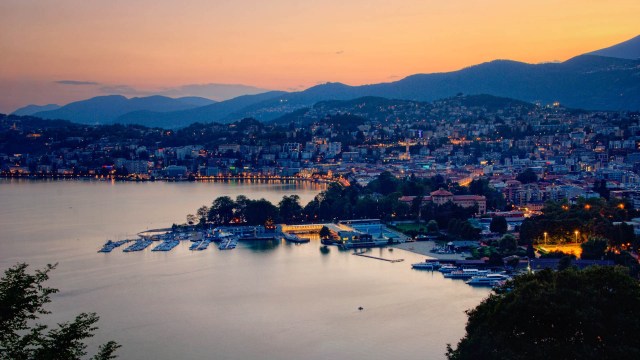
Like many other mountain lake towns, it’s stunning. Especially at night.
The climate of Ticino, while remaining alpine, is noticeably milder than the rest of Switzerland’s, enjoying a higher number of sunshine hours and generally warmer temperatures. …
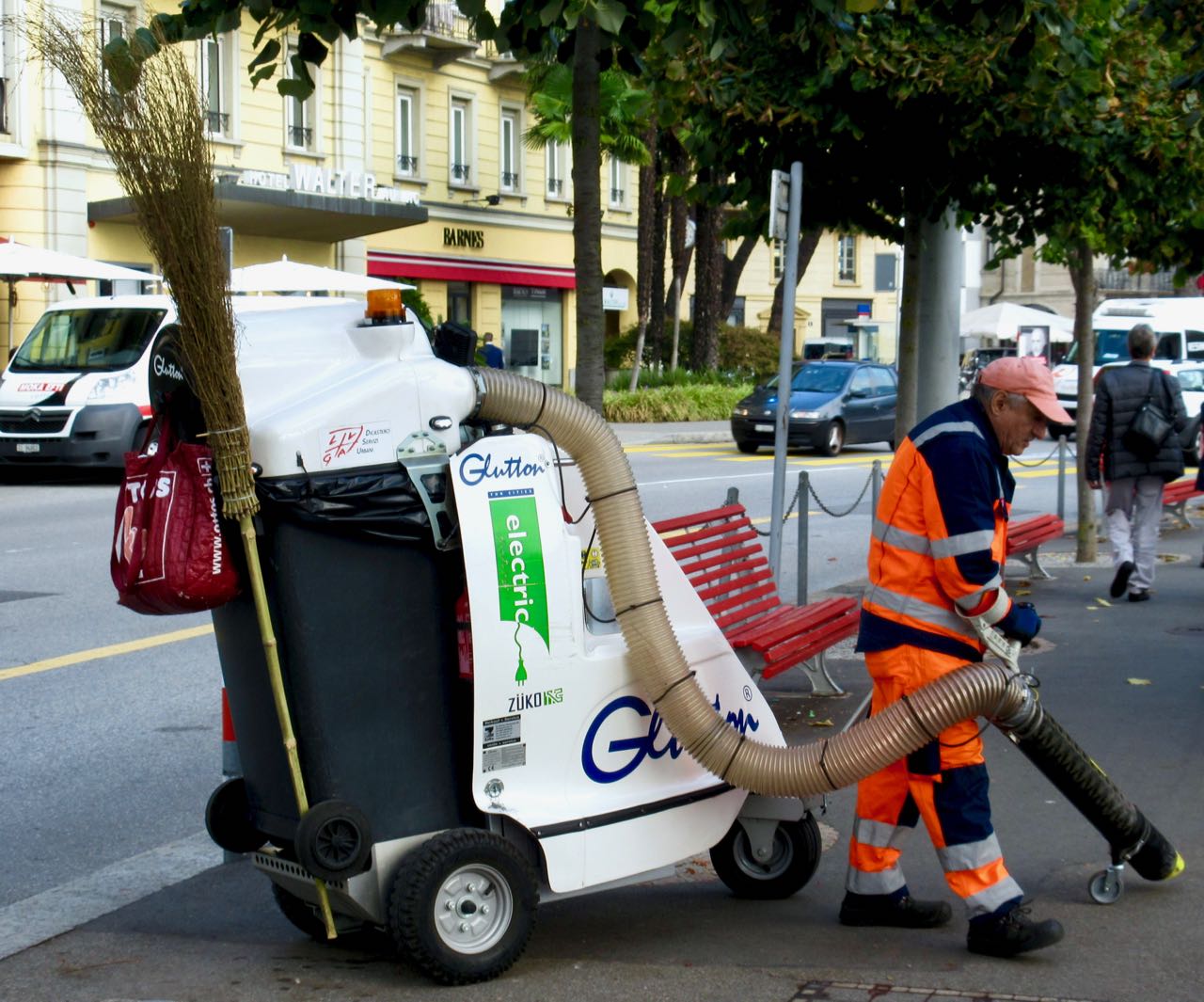
In Lugano they vacuum leaves. That ain’t happening in Italy.
Tam had come to Europe with her daughter who’s doing a semester in Spain.
Cal and Maria are starting their 3rd year living in small villages near Bern.
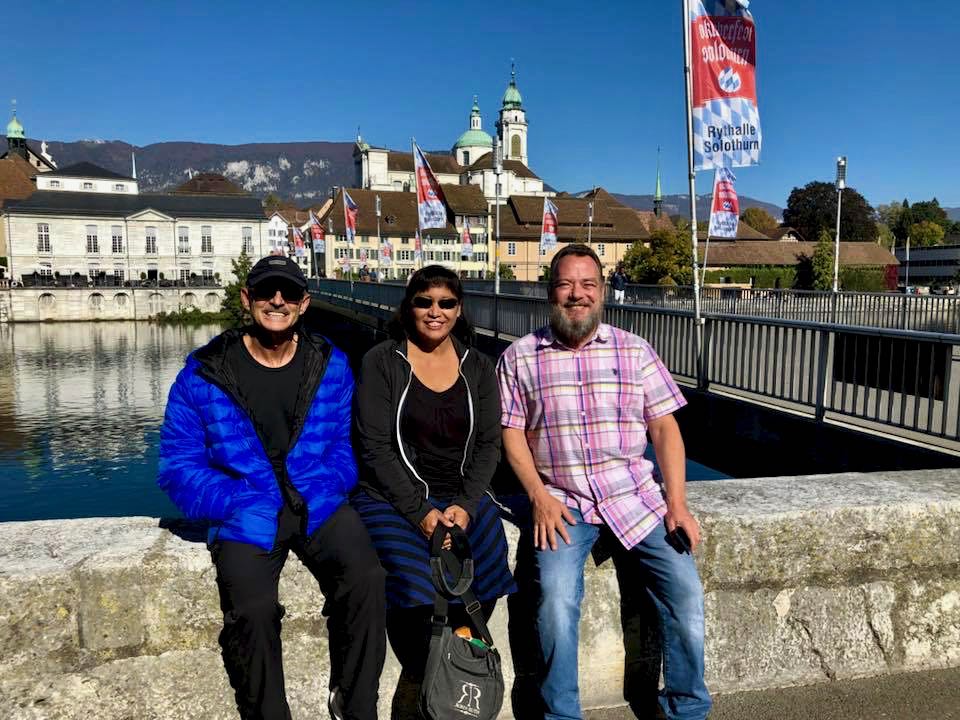
The first two years they lived in Solothurn, a lovely place popular with Swiss but almost unknown by foreign tourists. Population is about 17,000 with 20% of those being resident foreign nationals.
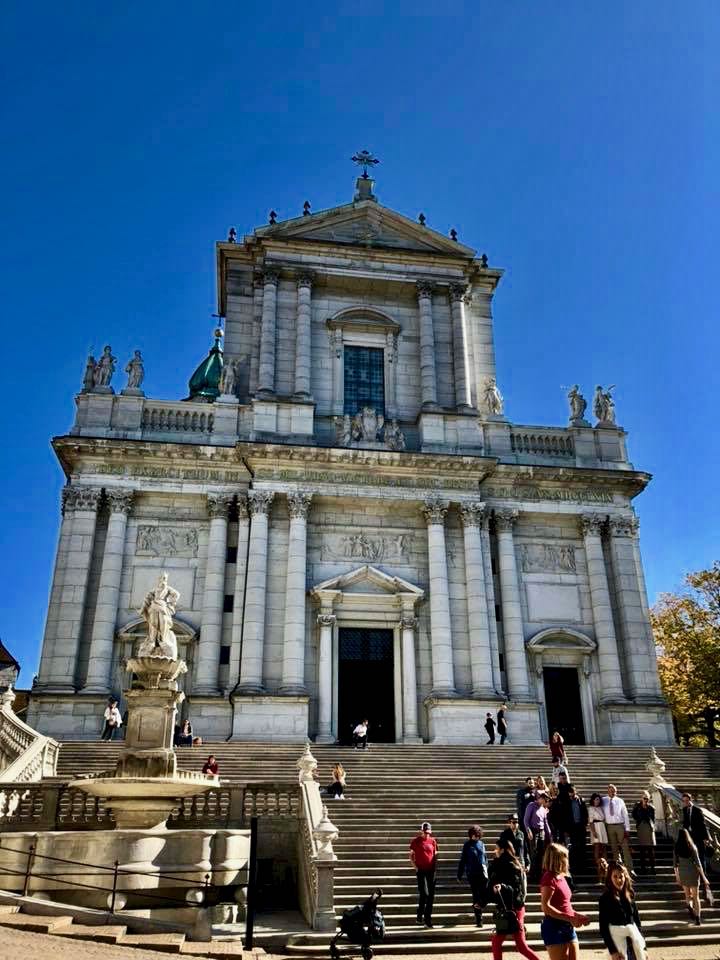
St. Ursus Cathedra, Solothurn.
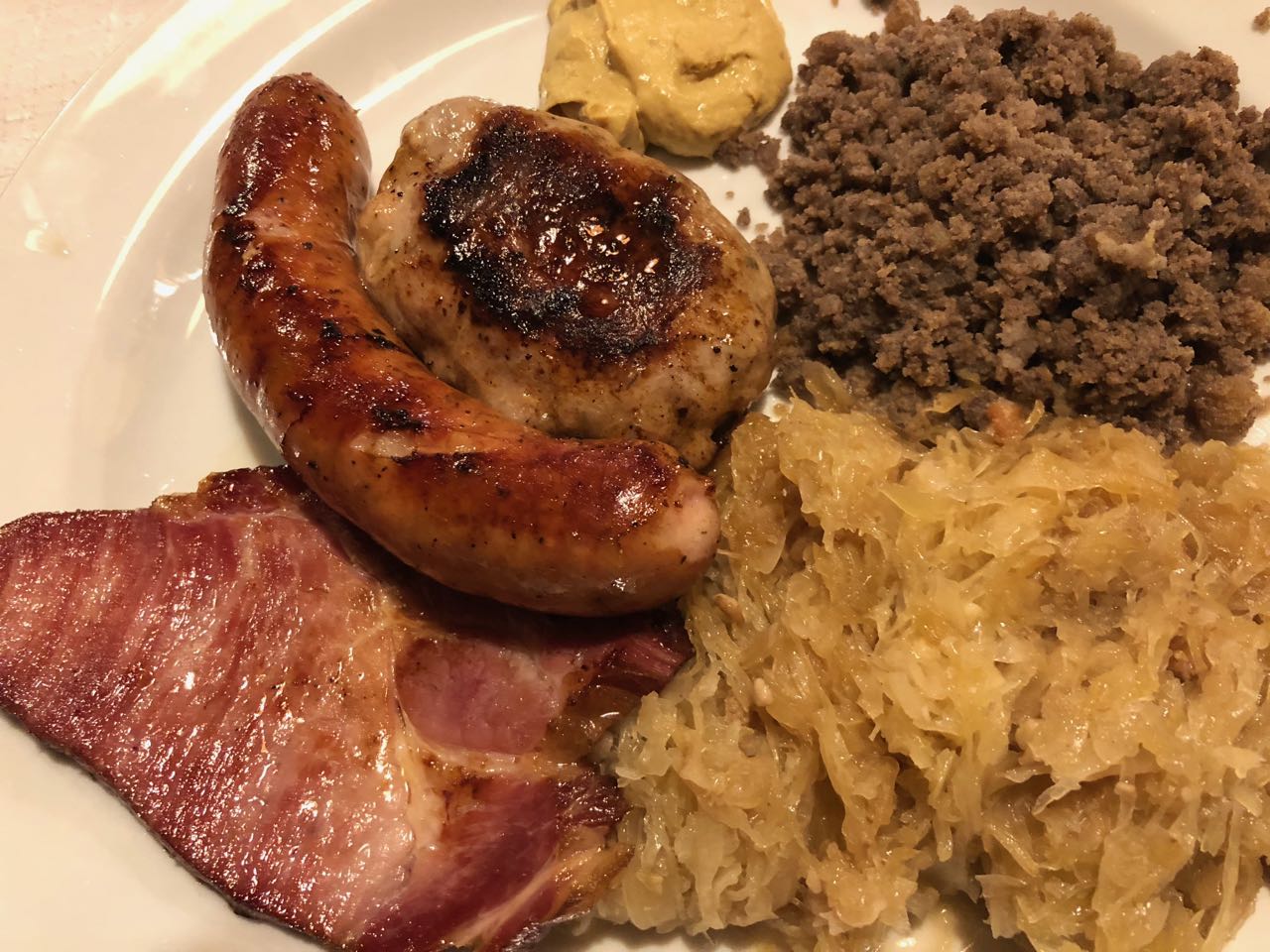
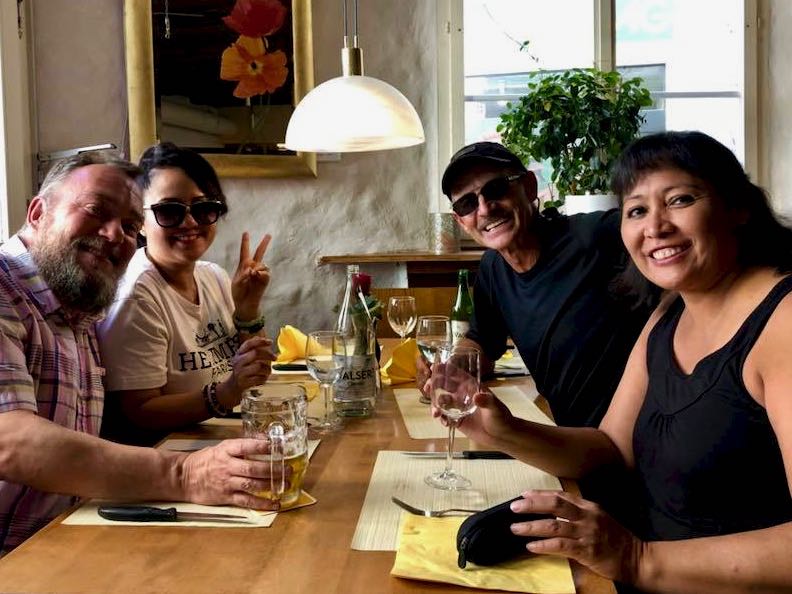
We enjoyed a terrific meal in Solothurn. It was Tam’s farewell. She flew home to Seattle same day.
I stayed the night with Cal and Maria, learning much about Switzerland. It’s a unique place which many other nations should study.
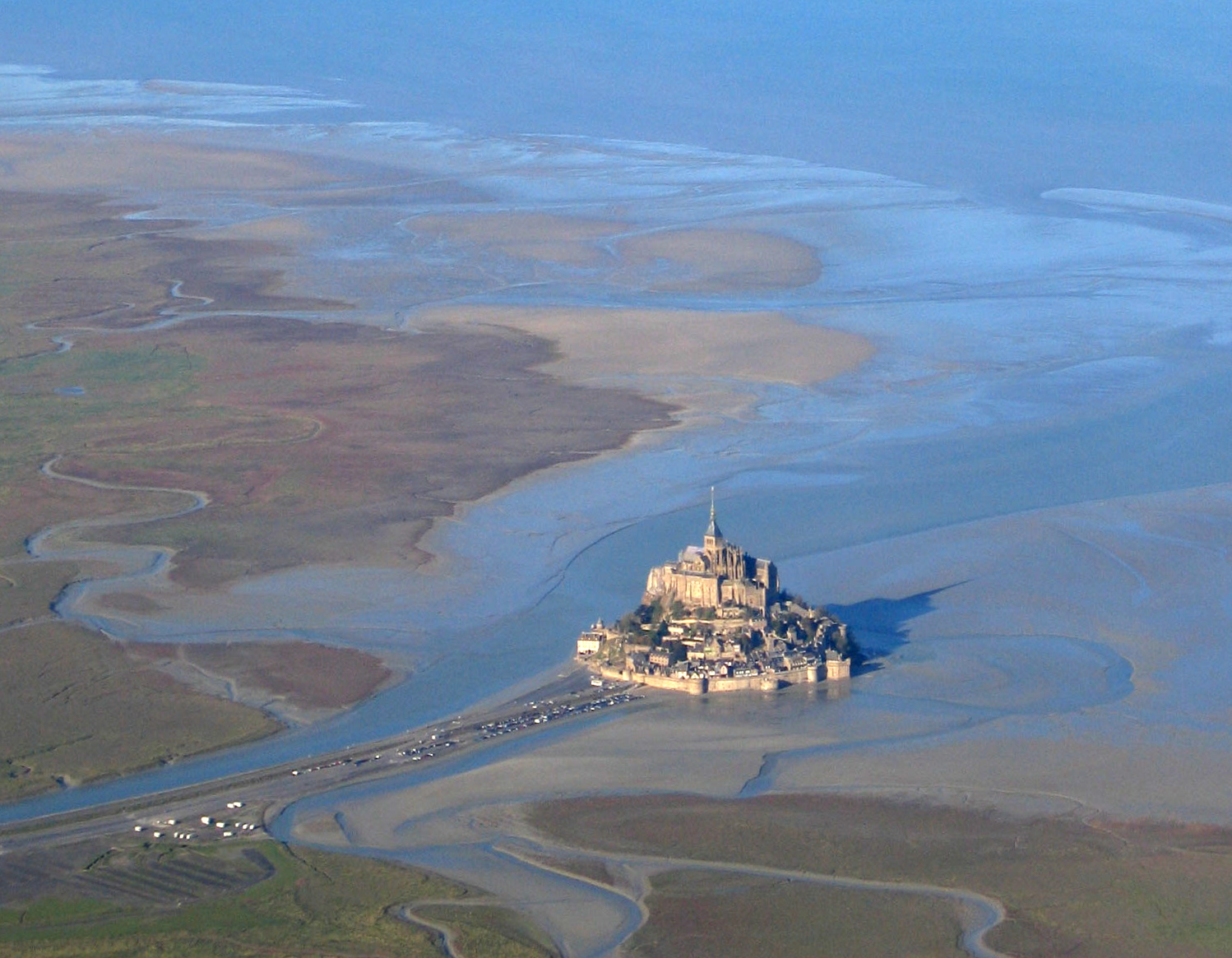
It’s a little known treasure visited by a scant 3 million tourists a year.
Still, I didn’t find it all that crowded. It’s a huge site.
The island has held strategic fortifications since ancient times and since the 8th century AD has been the seat of the monastery from which it draws its name. …
… just a few hundred metres from land — made it accessible at low tide to the many pilgrims to its abbey, but defensible as an incoming tide stranded, drove off, or drowned would-be assailants. The Mont remained unconquered during the Hundred Years’ War; a small garrison fended off a full attack by the English in 1433. …
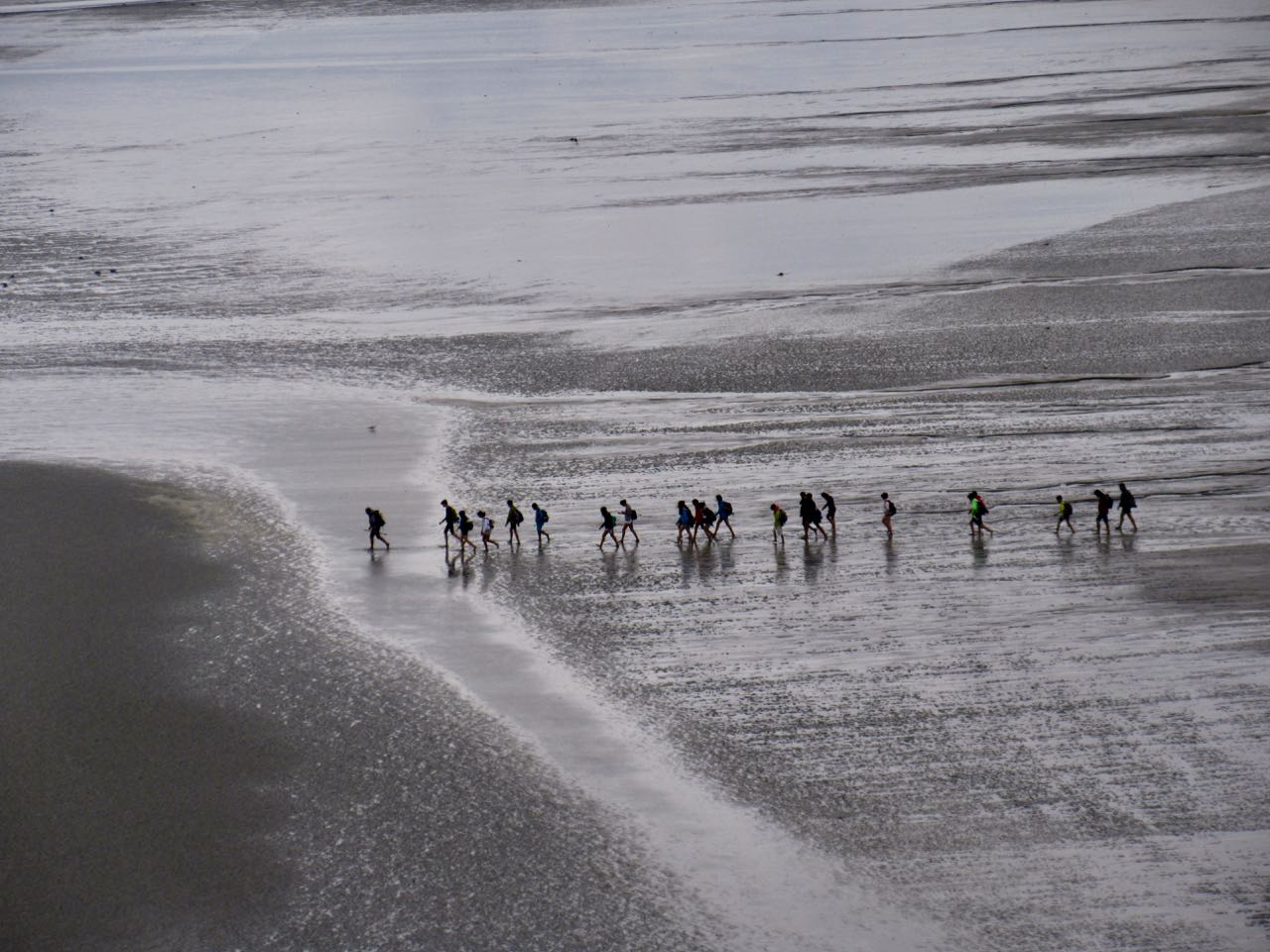
I had expected to wade out to the Abbey. But you can only do so now with a guide.
I stayed in an excellent hostel in the nearby town of Dol-de-Bretagne famed for the weird and wonderful Saint Samson cathedral.
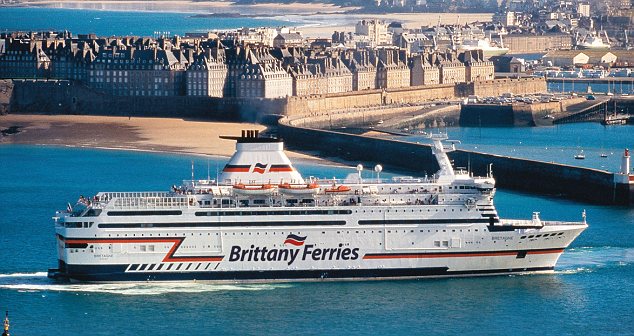
I hadn’t before taking the ferry there from Portsmouth, England en route to famed Mont-Saint-Michel.
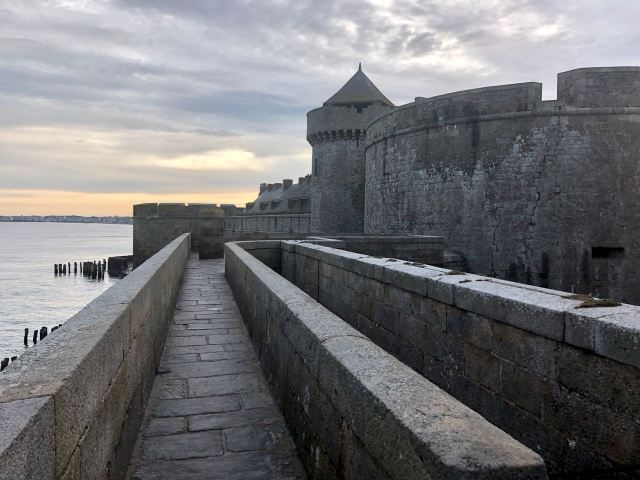
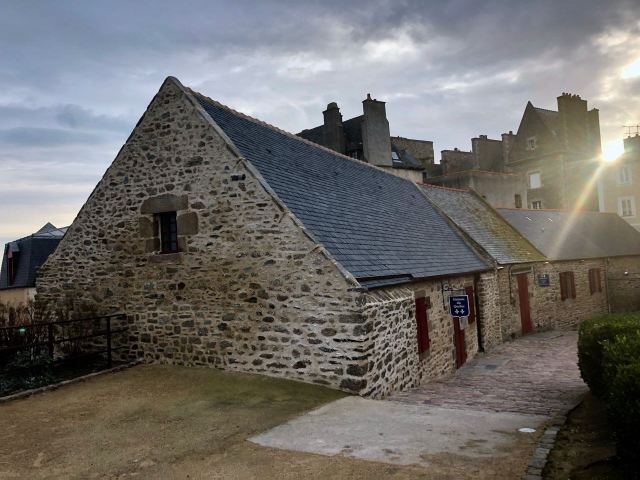
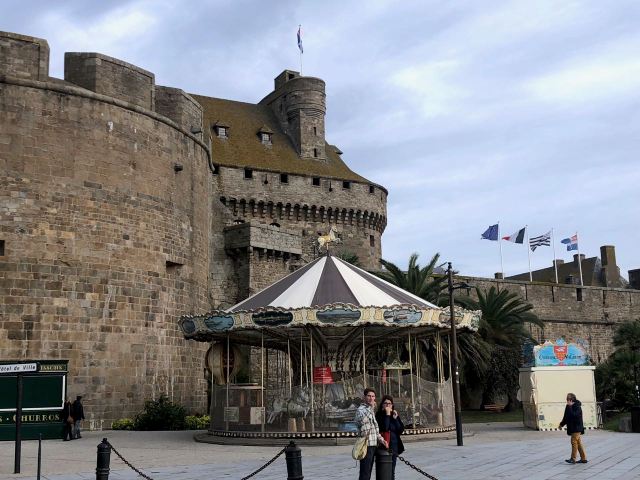
It was a surprise to see the old city of Saint-Malo on arrival early morning.
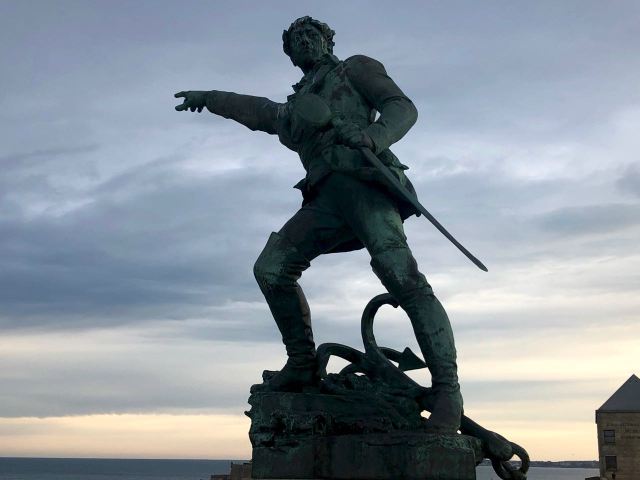
The walled city had a long history of piracy, earning much wealth from local extortion and overseas adventures. …
In World War II, during fighting in late August and early September 1944, the historic walled city of Saint-Malo was almost totally destroyed by American shelling and bombing as well as British naval gunfire …
Saint-Malo was rebuilt over a 12-year period from 1948 to 1960. …
My friend in Wales couldn’t get rid of me. I hung around for a couple of weeks.
She heads the European branch of the Tumbl Trak UK Gymnastics equipment company. Moved from Michigan to Wales 3 years ago.
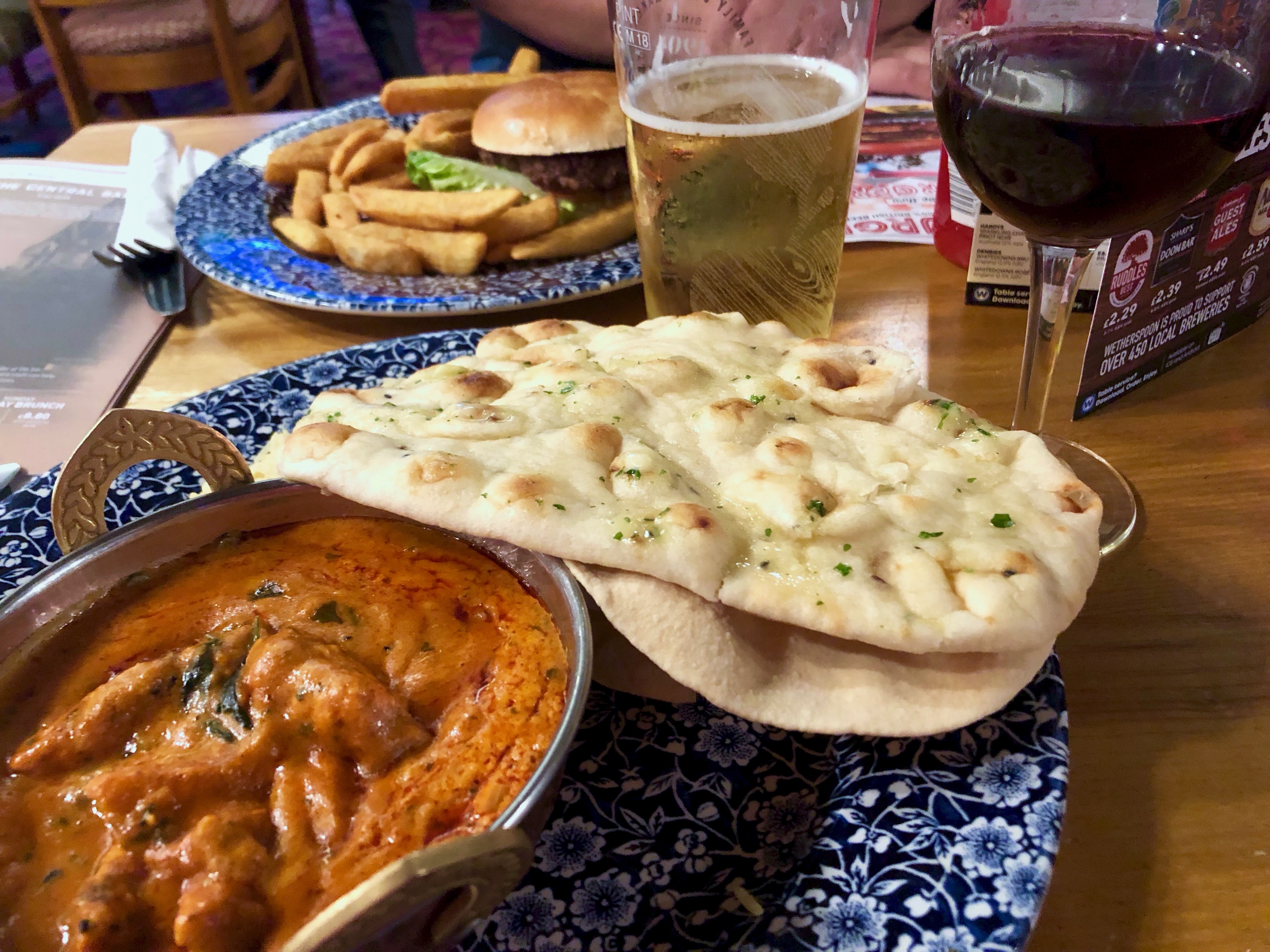
We had a number of excellent meals.
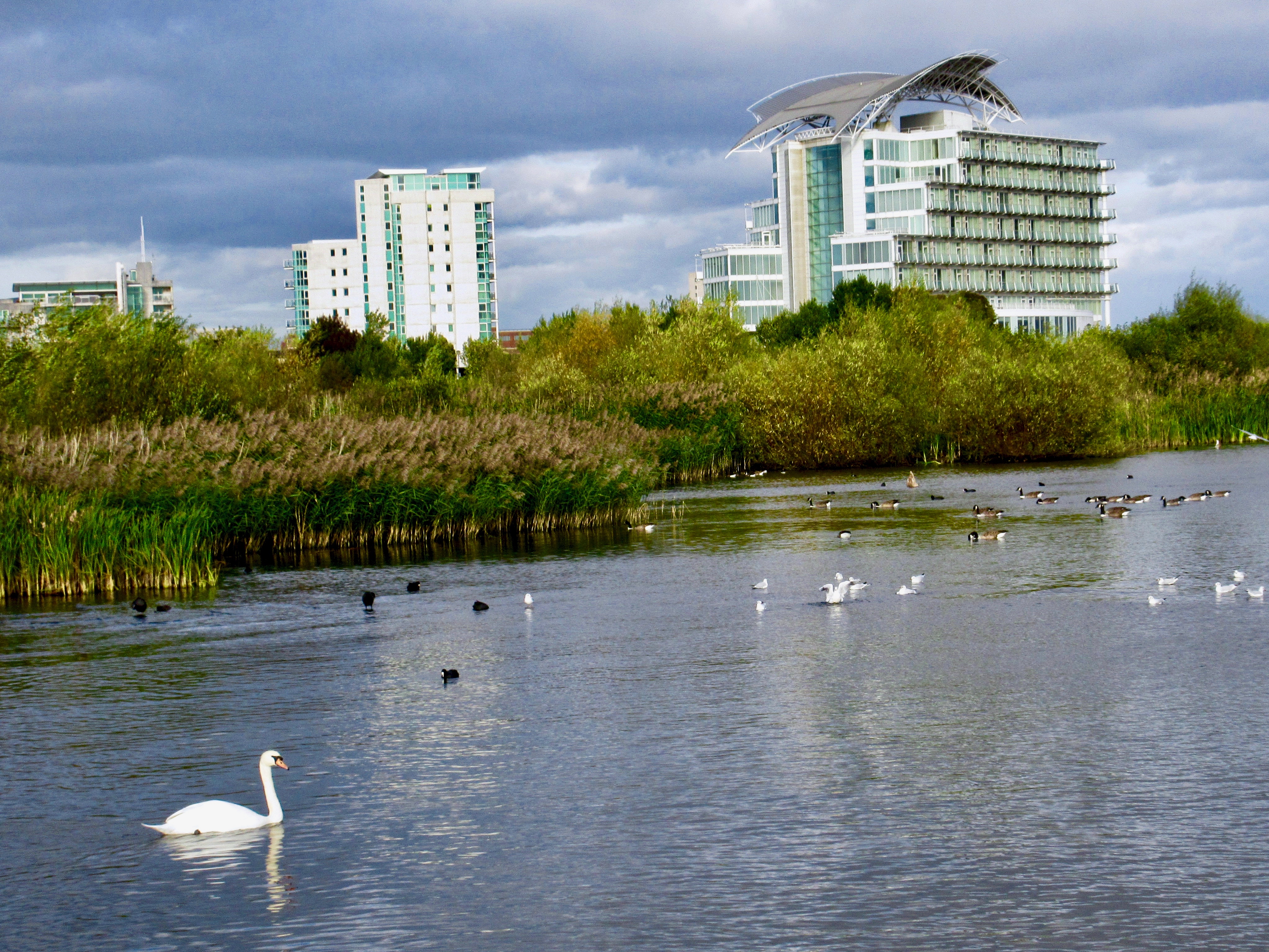
I’d been trying to find a time to visit the Wales office since she got there. When my laptop battery died in Morocco, I desperately wanted to get to an Apple Store for repair. Happily the Geniusesesss‘ at Apple Cardiff did a terrific job.



.jpg)









 Rick McCharles