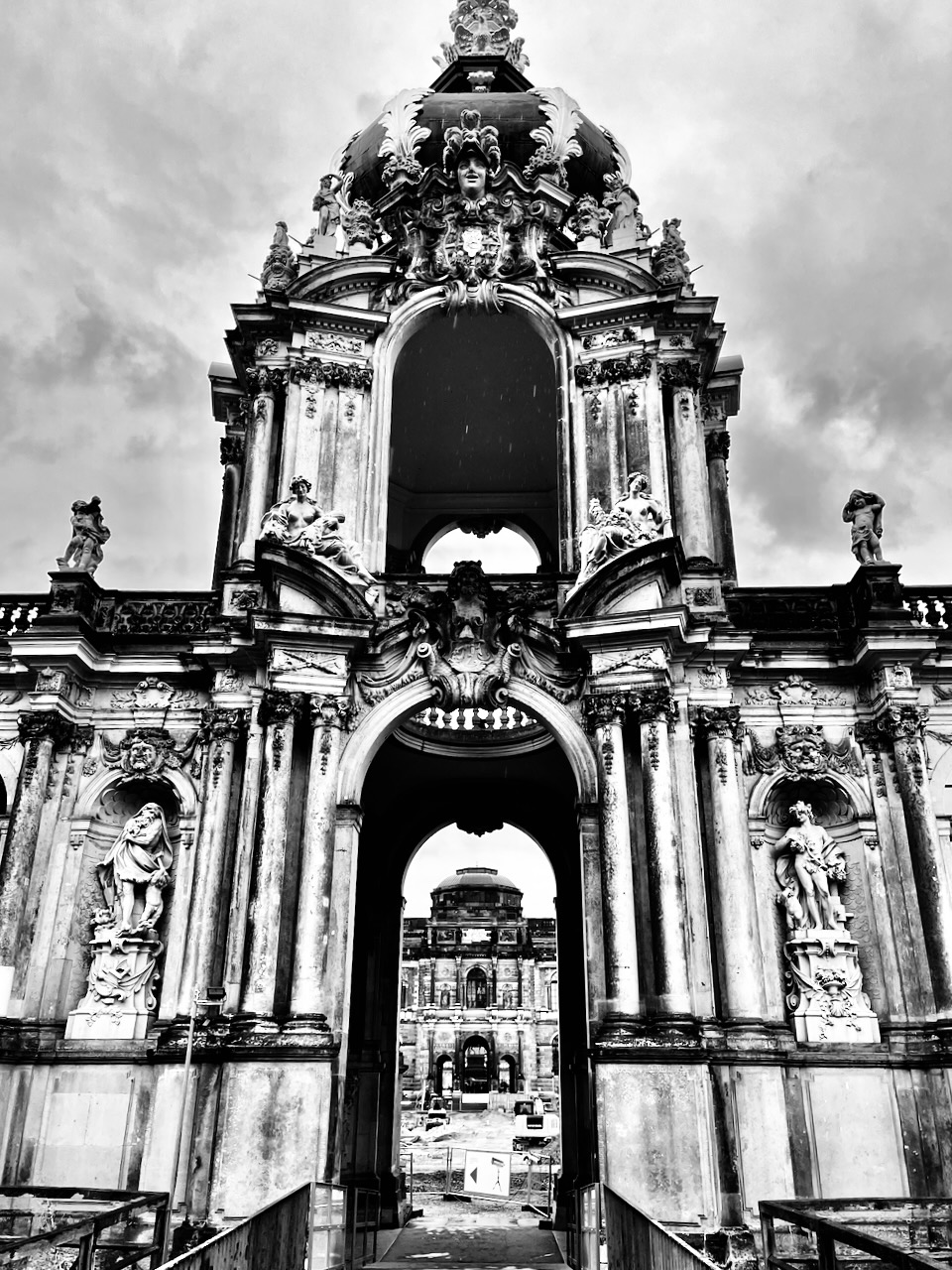
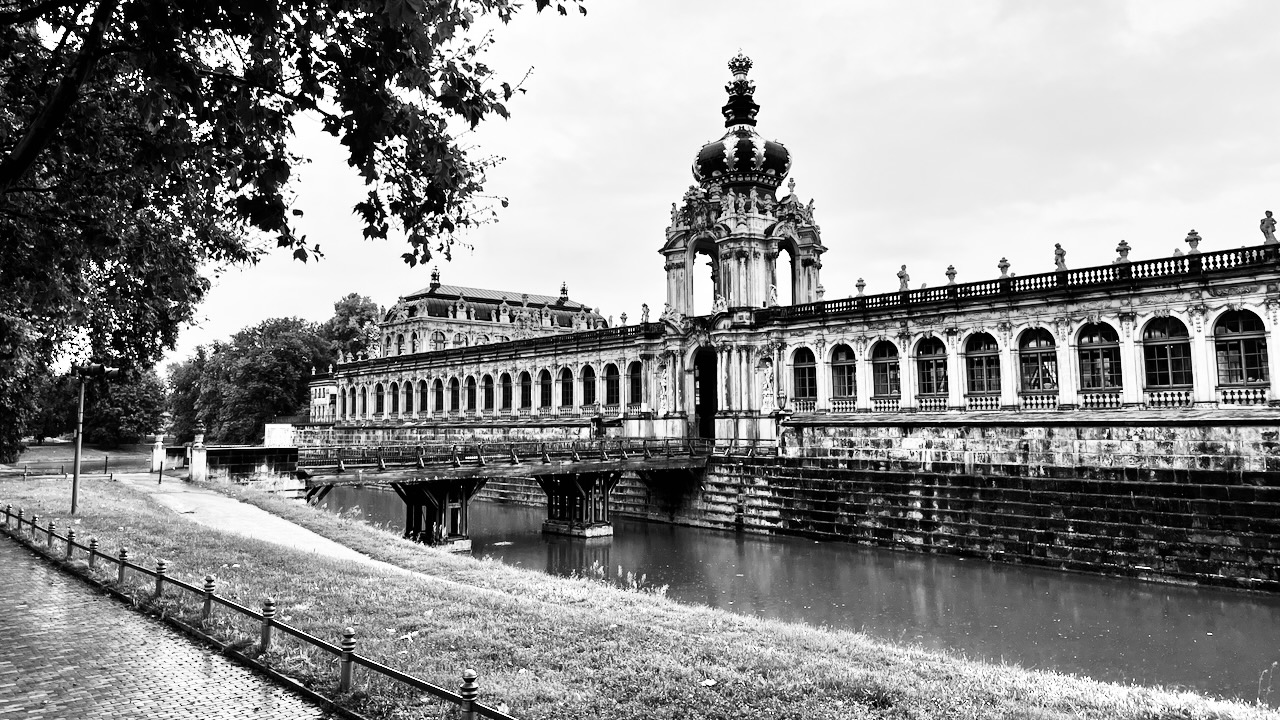
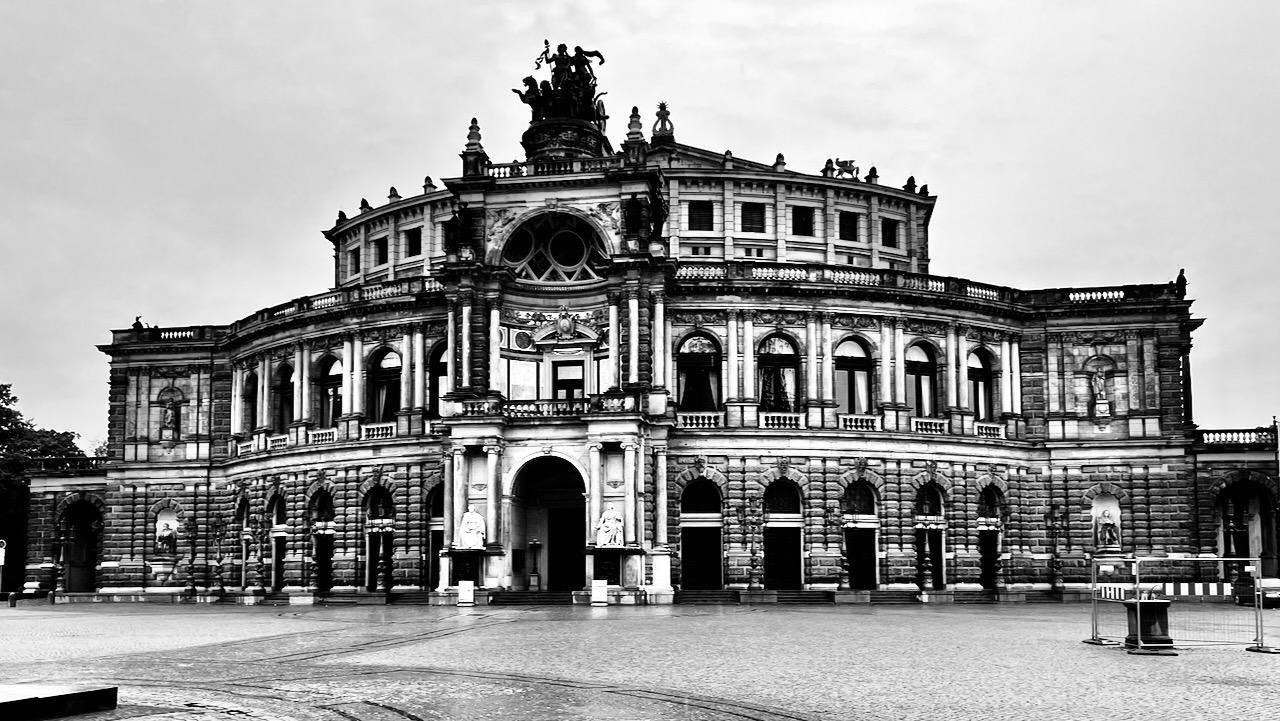
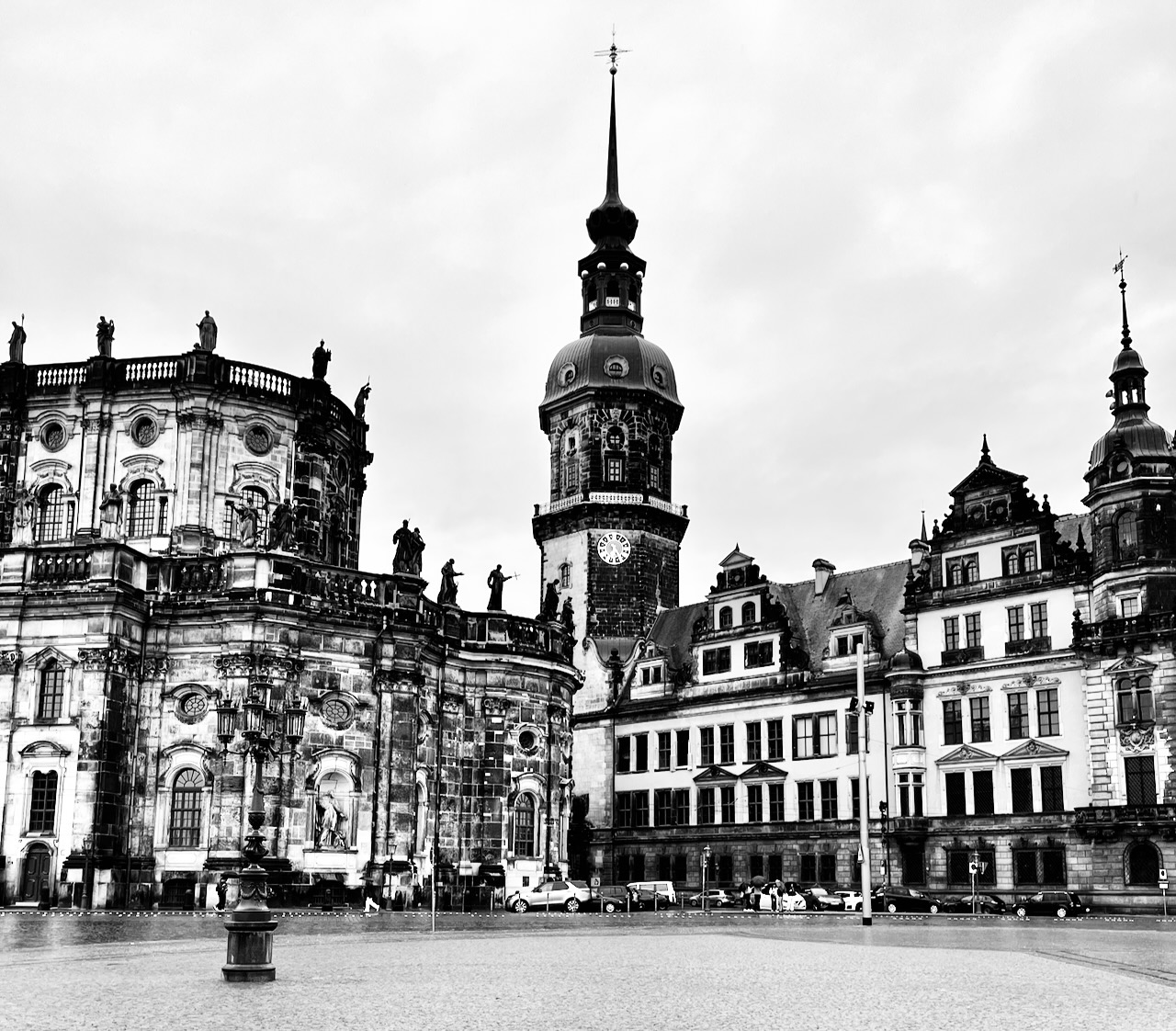
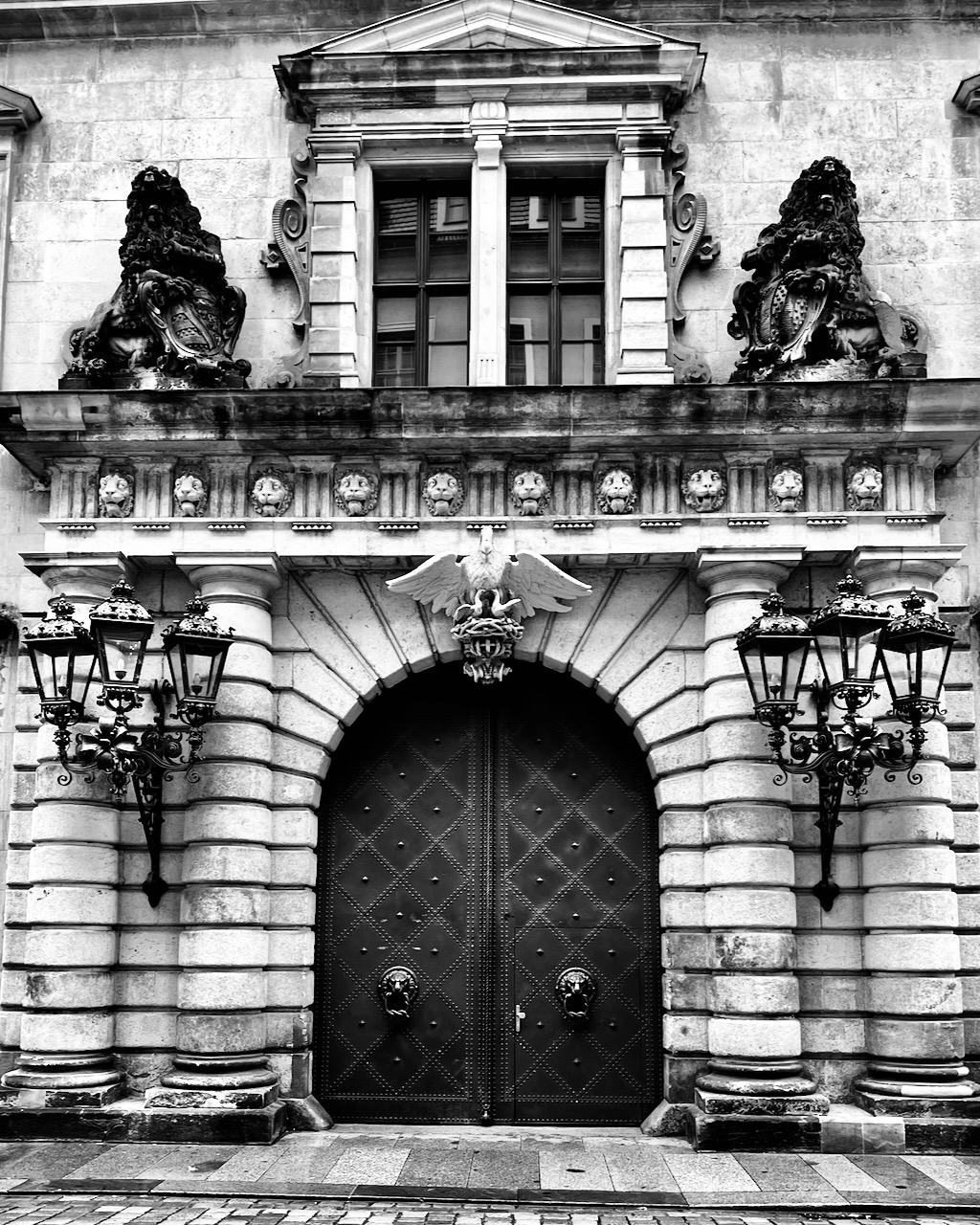
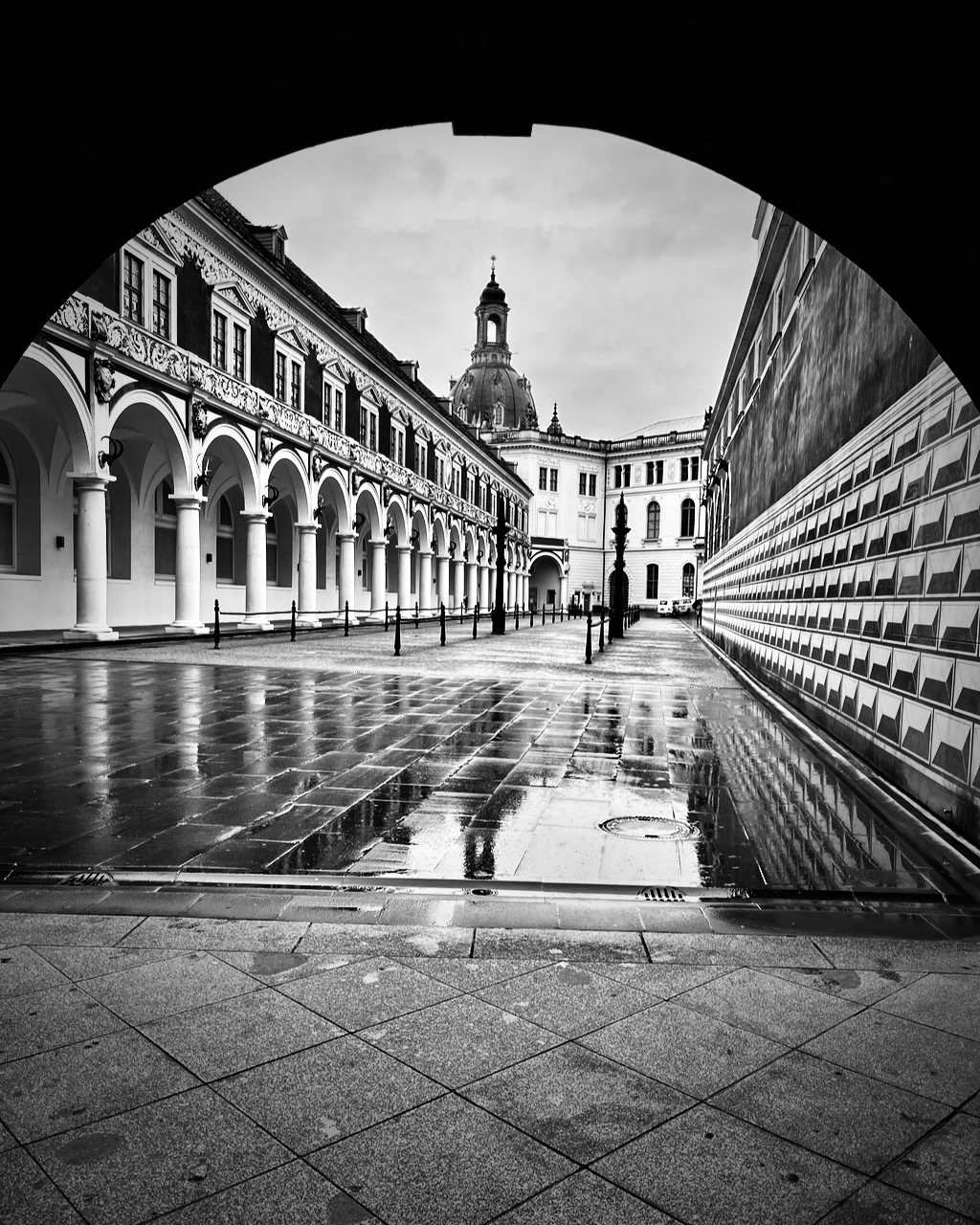
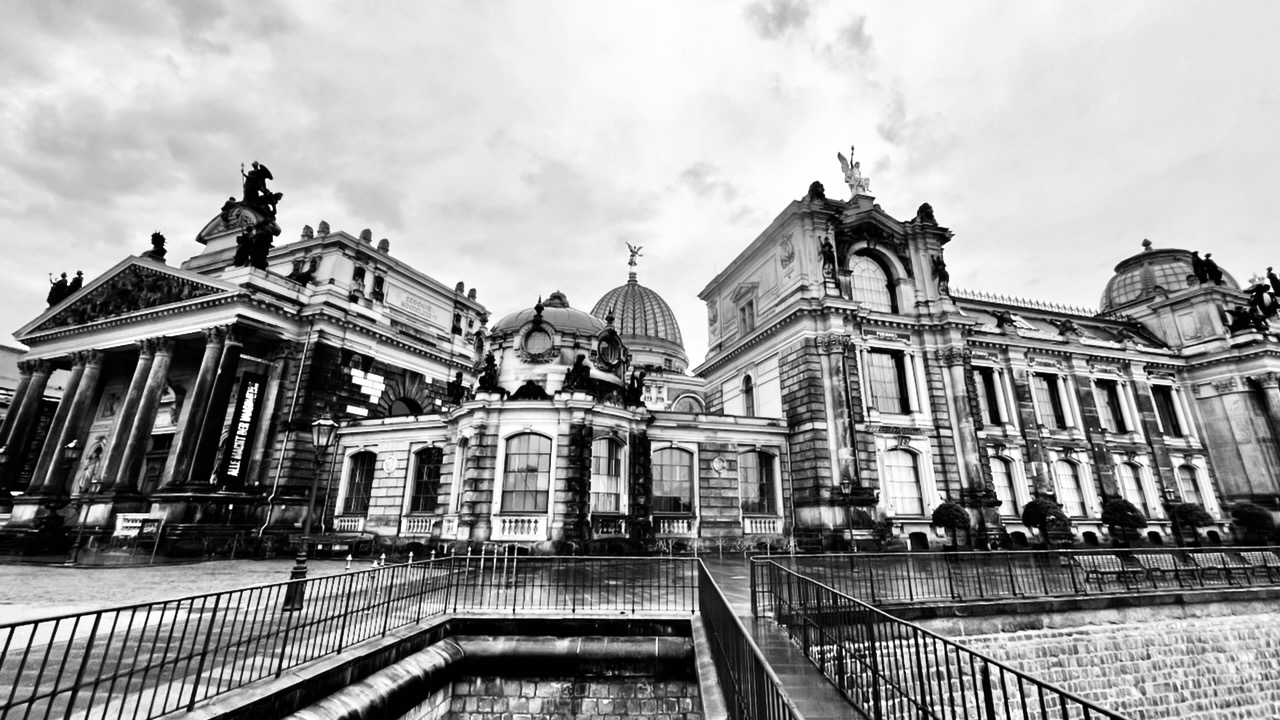
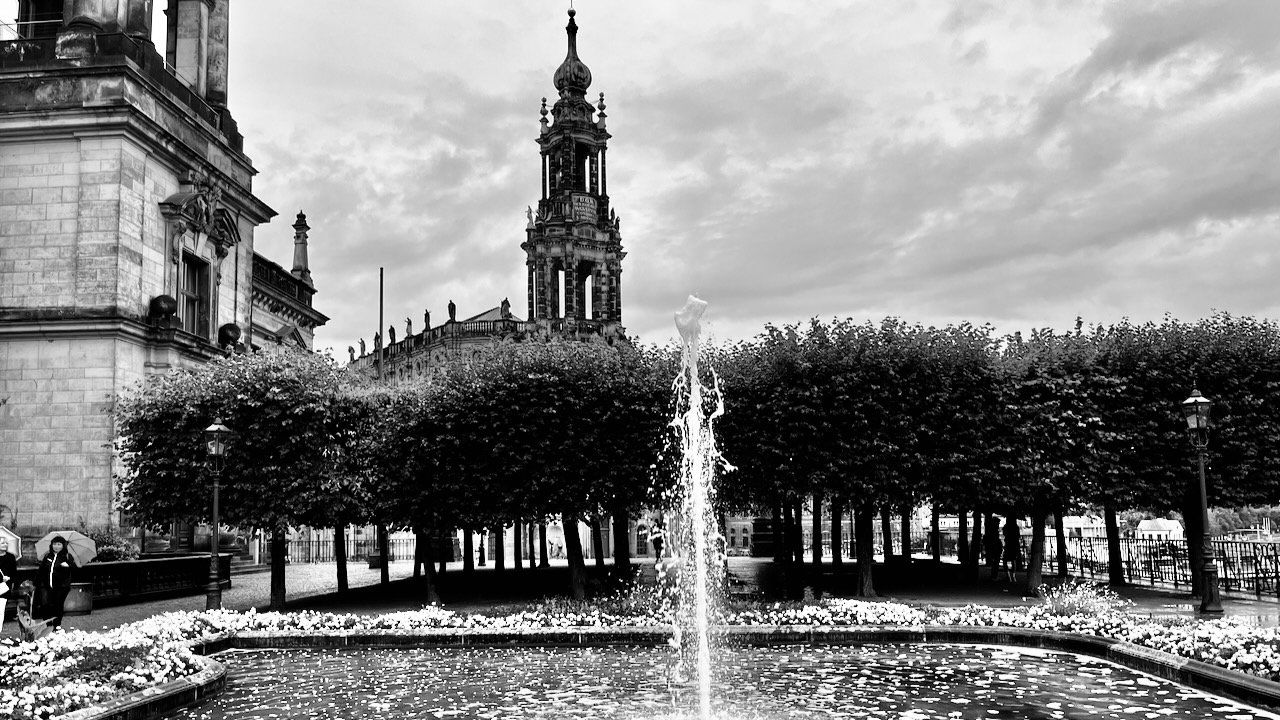
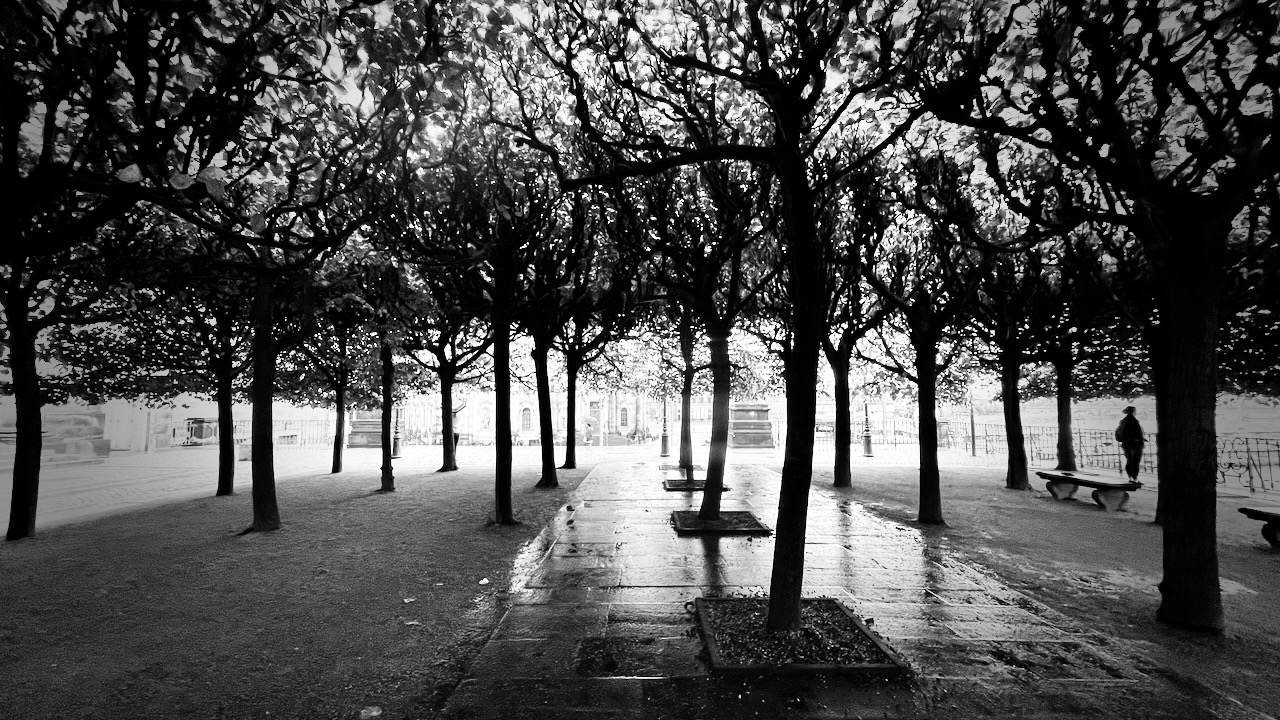
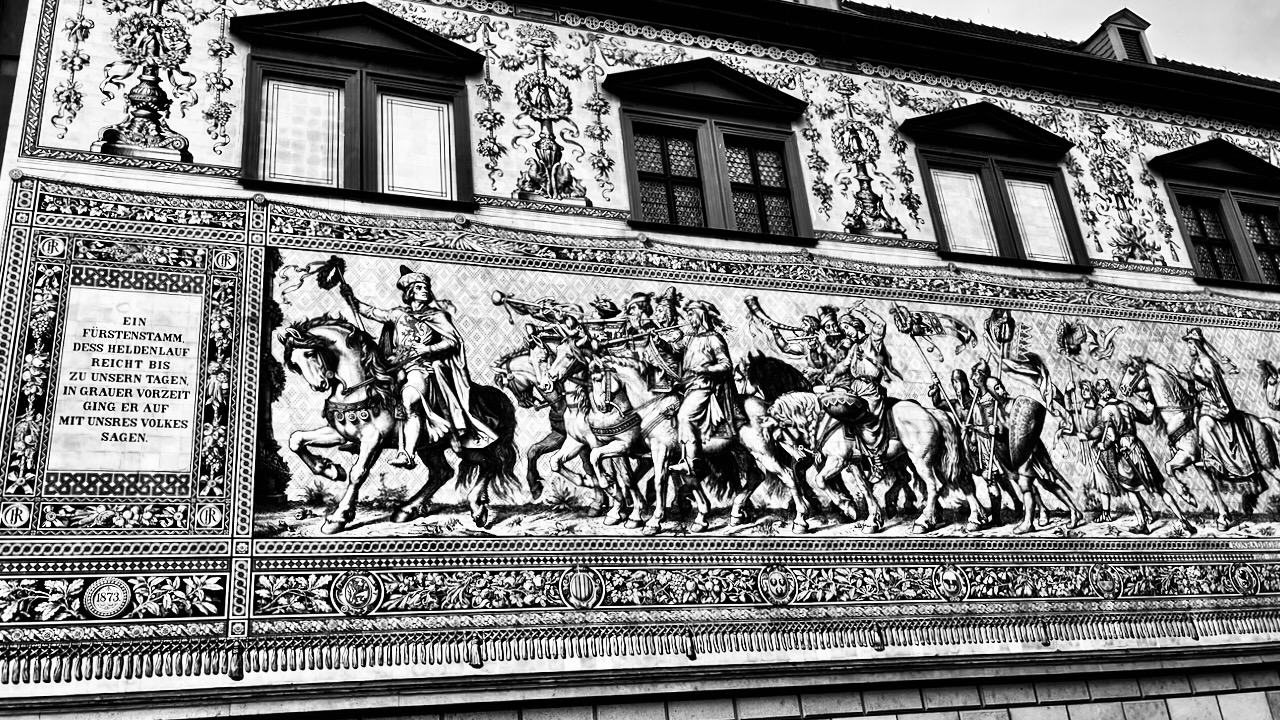
Dresden in Black & White

Faux-tography. 😀

What I liked best about Dresden, Germany was how few tourists cluttered up the great sights. Of the languages I heard, almost everyone spoke German. A few Russian. And a few spoke English.

Early or late in the day — or, especially, in the rain — I had the huge plazas nearly to myself even at the end of August.

Unlike Florence which is swarming with tourists at all times, my photos were mostly unpopulated.

For fun I decided to experiment with editing in black & white (Noir filter) and see if I could capture a feeling of the old East Germany.

My Pilgrimage to Garmisch-Partenkirchen

You might know the (typically) long, hyphenated name Garmisch-Partenkirchen as it was the host of the 1932 Winter Olympics.

It’s the best hiking town in the Bavarian Alps — yet it took me 65 years to get there. 😀

I waited on a good weather window to make the trip down from Munich, and got some of the best days of the year.

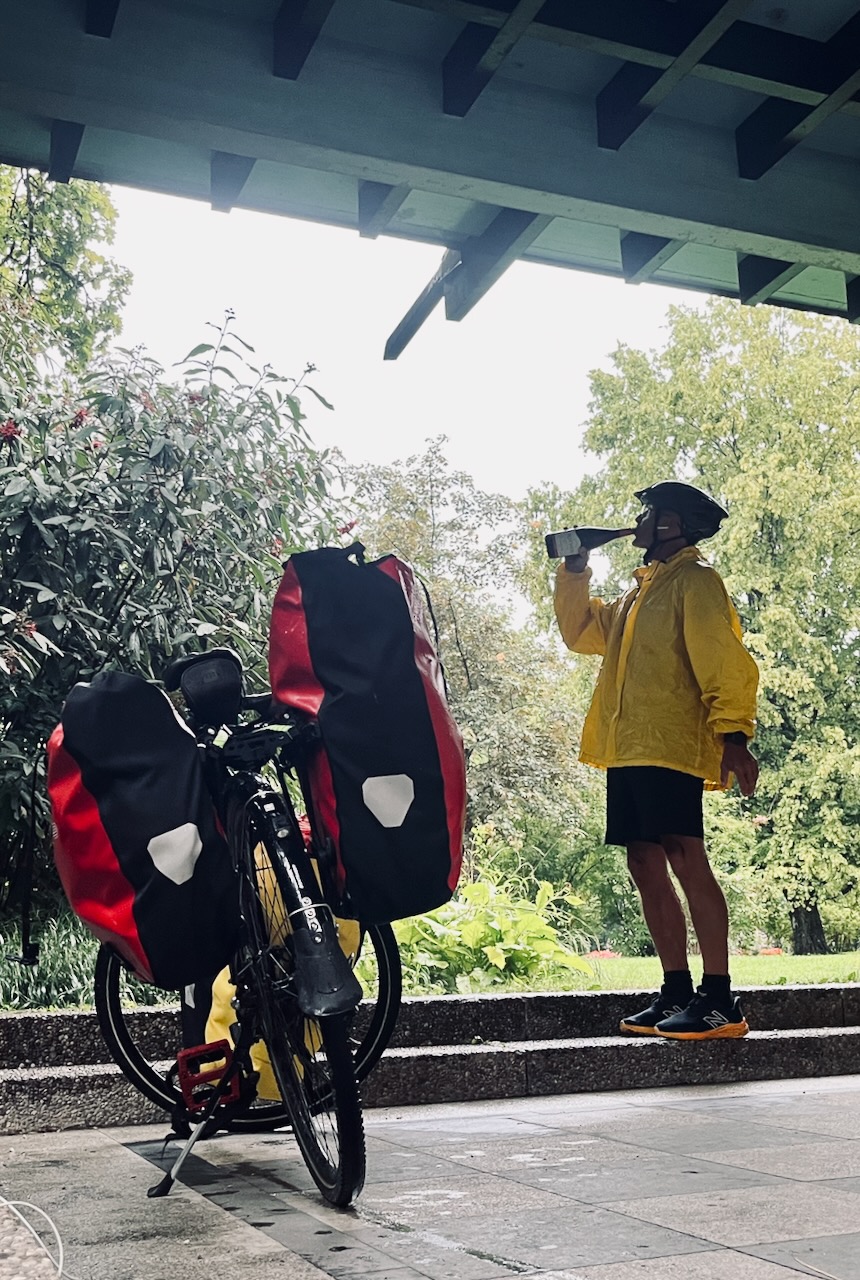
Actually … I had hail and hard rain my first afternoon. Here I am sitting out the deluge in a city park.

Moon & Honey recommended the 7 best hikes in Garmisch-Partenkirchen:

With 3 nights, 2 days I managed five:

Click PLAY or watch it on YouTube.

Excellent.

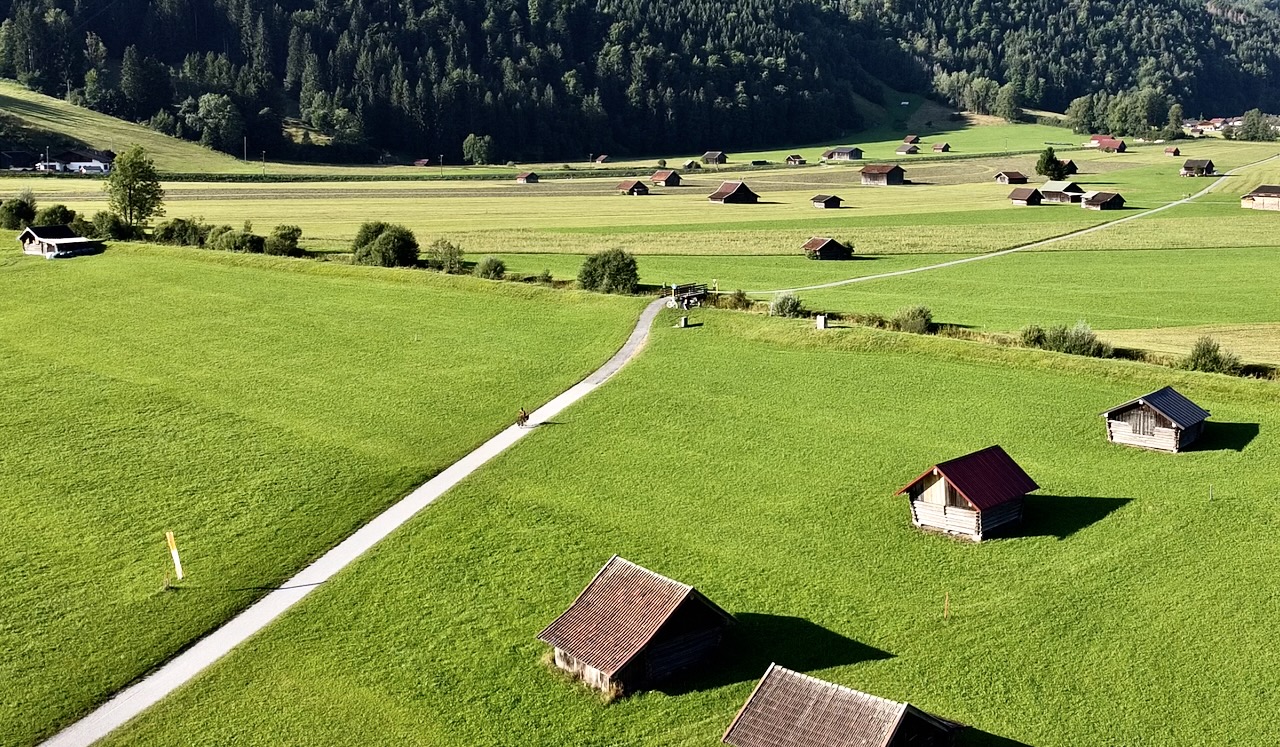
I enjoyed the cycling, as well.

The valley looks something like Switzerland. But different in the many stark sheds in the fields.

Rick cycling early morning

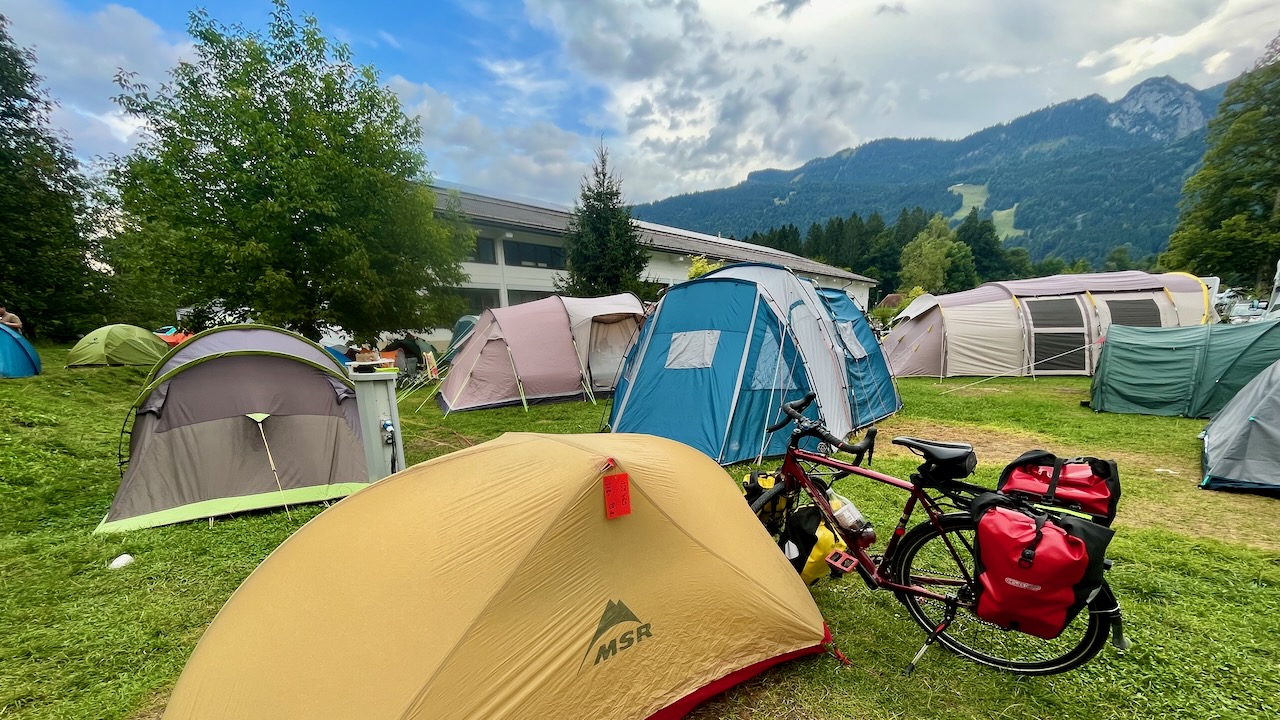
The valley being super busy, I decided to tent legally rather than wild camp.

Campgrounds are generally lousy in Europe, compared with spacious Canada. This one is typical.

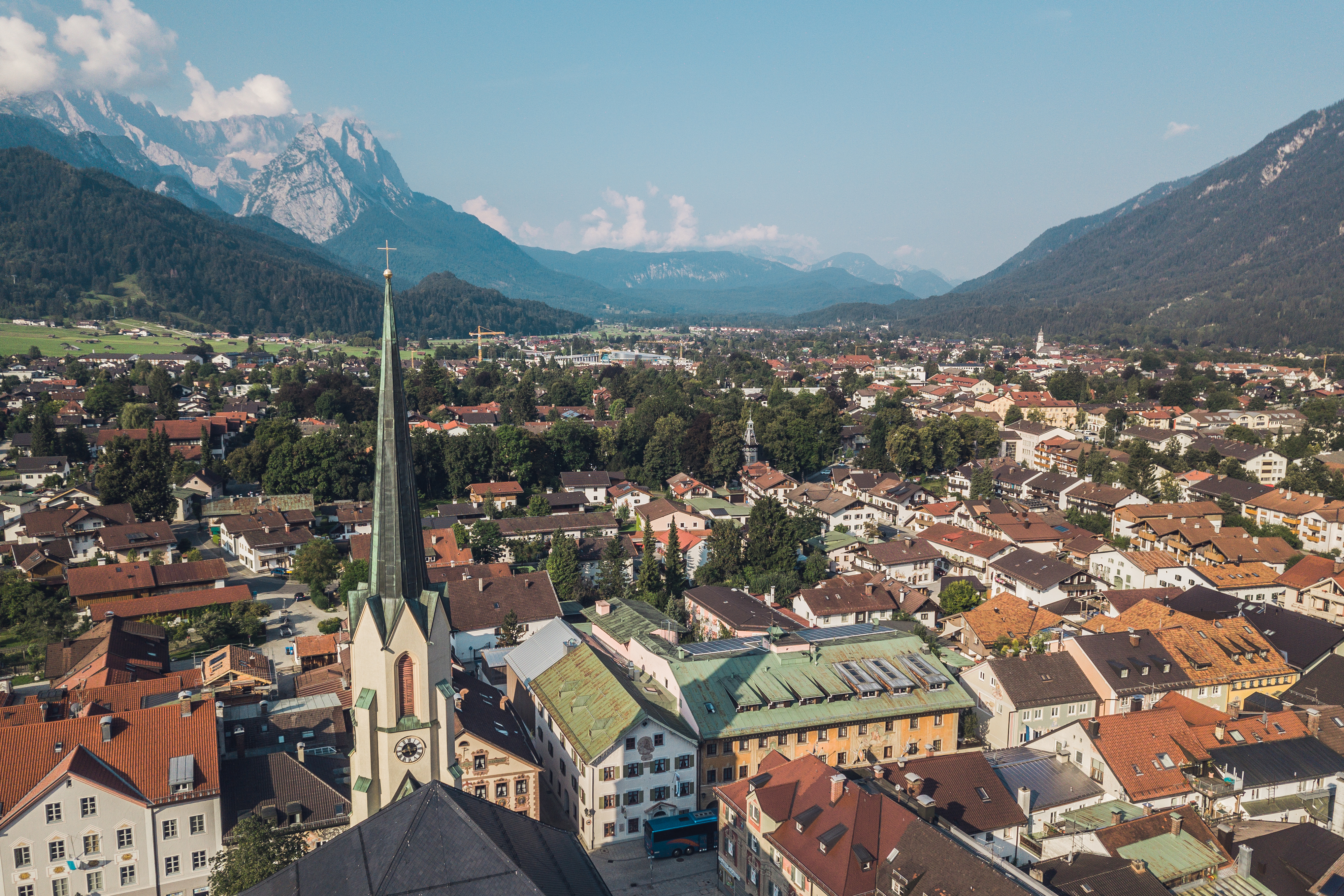
The towns of Garmisch and Partenkirchen are nothing special. I much prefer Chamonix, France, and even Whistler, Canada, as scenic ski towns.

The trains, cog railways, and cable cars are superb, however.

It’s still a terrific base for outdoor adventure sport.

Garmisch-Partenkirchen

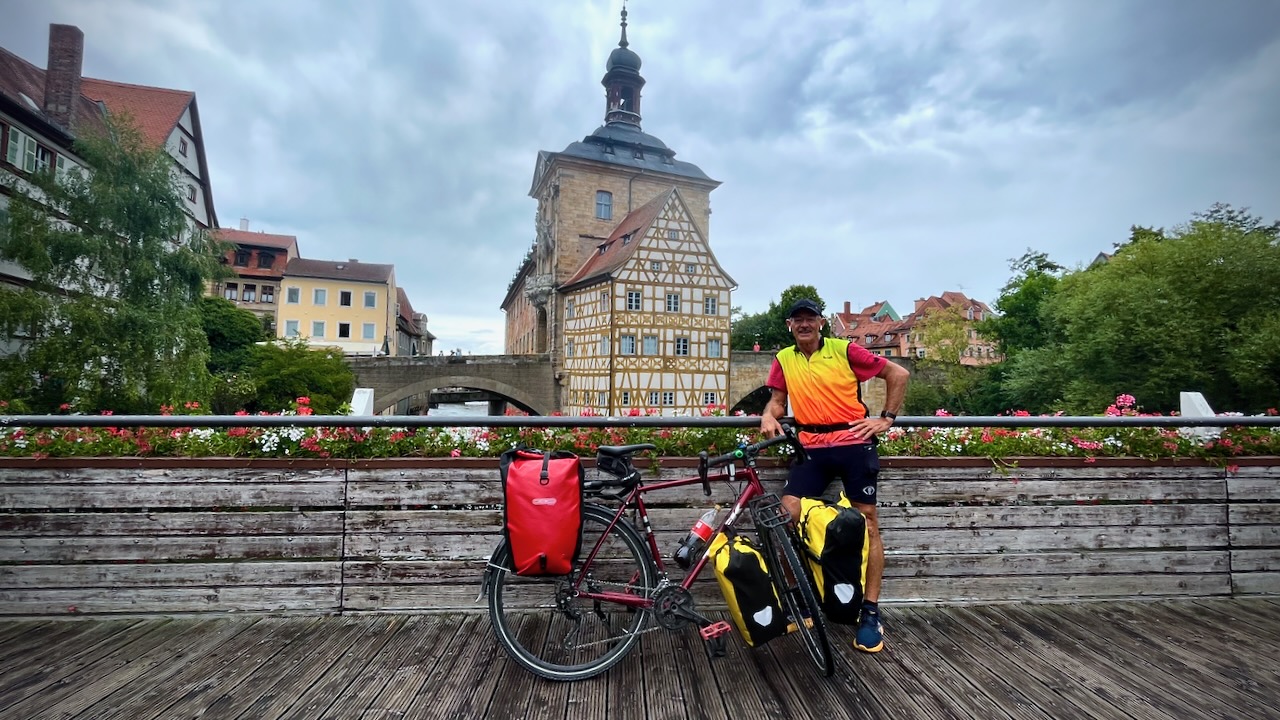
Visiting Bamberg, Bavaria

A small city, the old town of Bamberg has been a UNESCO World Heritage Site since 1993.

I had quite a bit of time there as the police made ALL cyclists take their bikes off my train leaving town. Apparently some had argued with the conductor — so we ALL had to leave. And wait a couple of hours for the next train. 😀

Bamberg is quaint. It was crowded on a summer day.

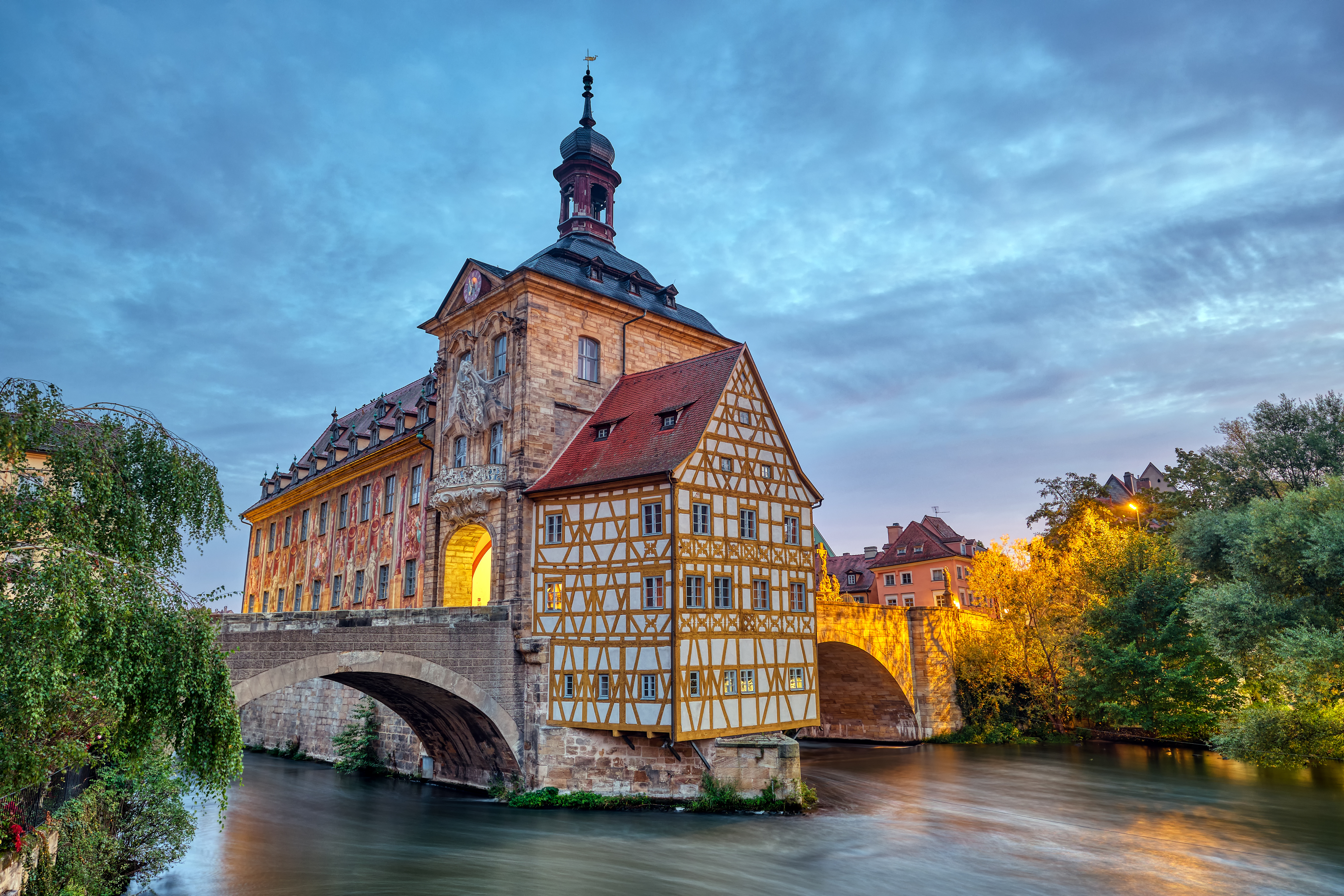
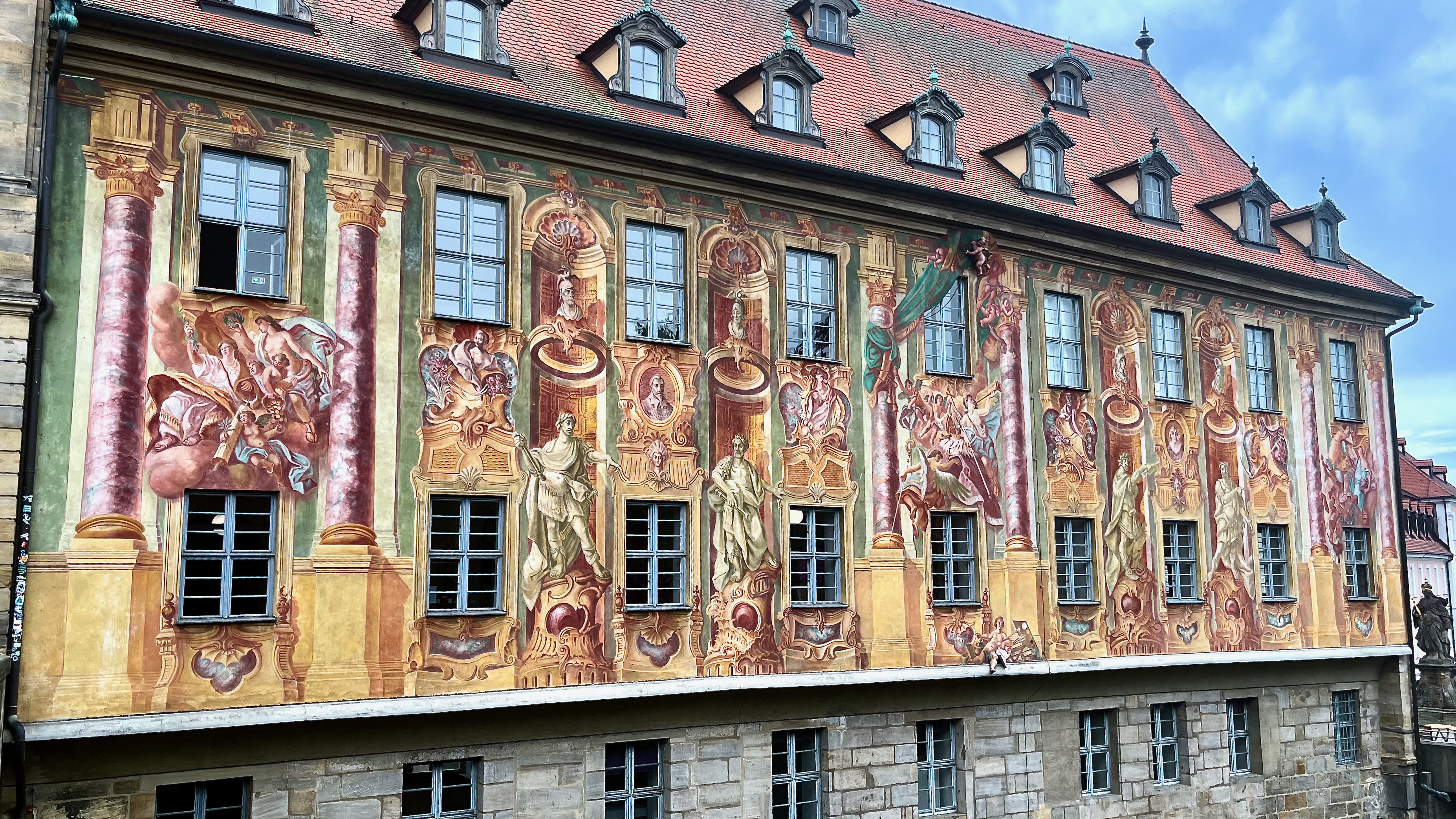
For sure my highlight was the Old town hall (1386), built in the middle of the Regnitz river, accessible by two bridges.

Beautiful.

It’s sometimes called Klein-Venedig (“Little Venice”) … and there are some pretty canals.

Click PLAY or or get the drone’s eye view on YouTube.

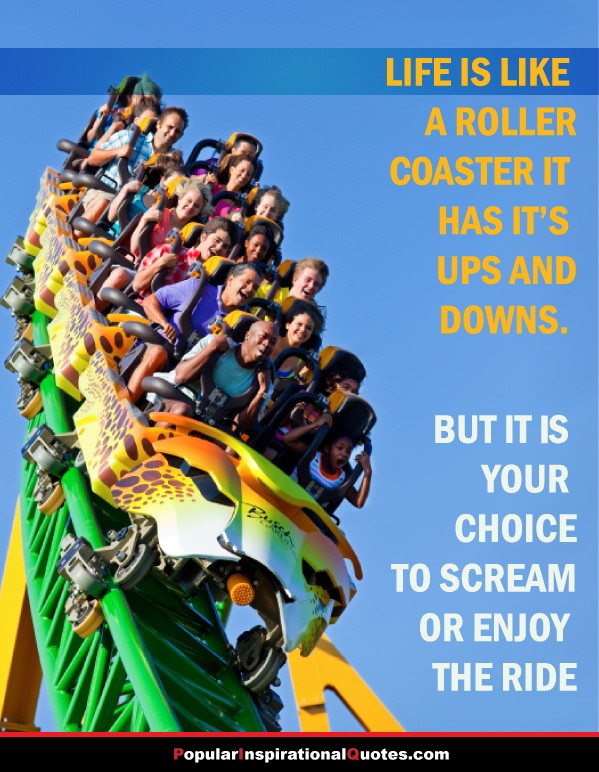
Life … ENJOY the Ups and Downs

The rain. And the rainbows.

Sean Kitching, one of my favourite YouTube editing experts, is giving up his house. Going full-time on the road in a camper van.

Click PLAY or watch it on YouTube.

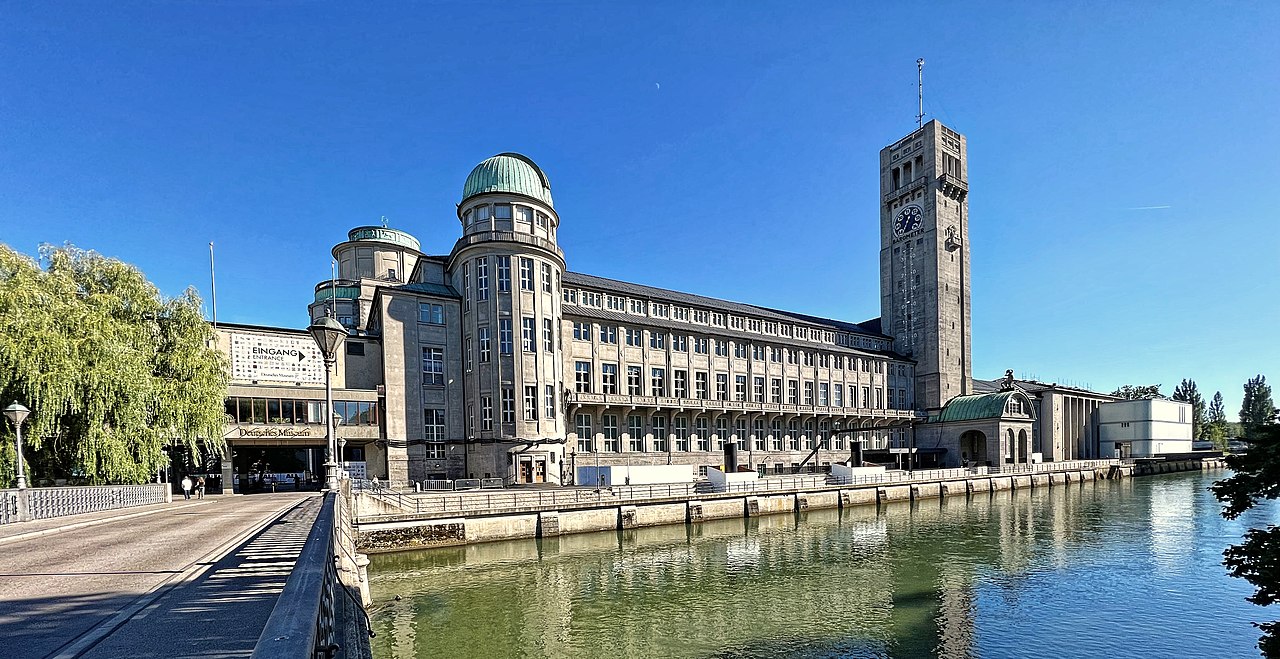
Deutsches Museum, Munich

As teenagers, we were blown away when first visiting the Deutsches, the world’s largest museum of science and technology.

I’m talking about the main museum founded 1903. There are two more branches , one in Bonn, and one in Nuremberg.

There is a huge line-up for entry so I bought my ticket online. No lineup for me.

It’s great for kids as there are so many hands-on exhibits.

50+ science subject areas.

Click PLAY or see the entire museum in 4 minutes on YouTube. Some impressive drone work.

IF the world ends, we could rebuild modern science from scratch IF we had everything in the Deutsches Museum. 😀

In 1976 we Canadian tourists were intrigued with the Foucault Pendulum. And it’s still there.

A demonstration of the Earth’s rotation

Click PLAY or watch it on YouTube.

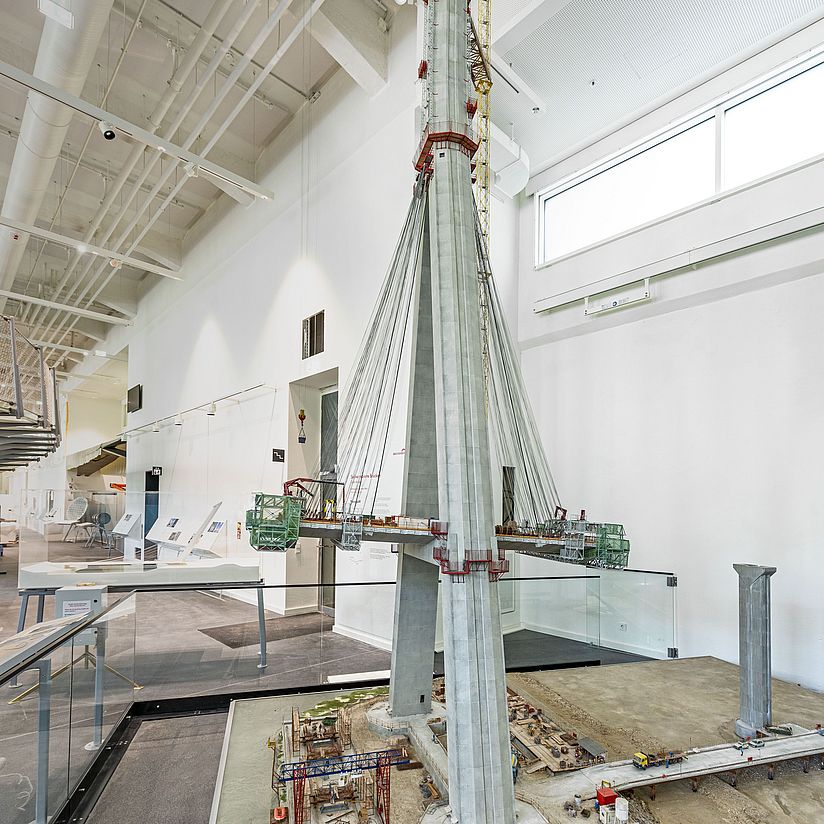
Bridge making is an art and science well covered in the Deutsches Museum.

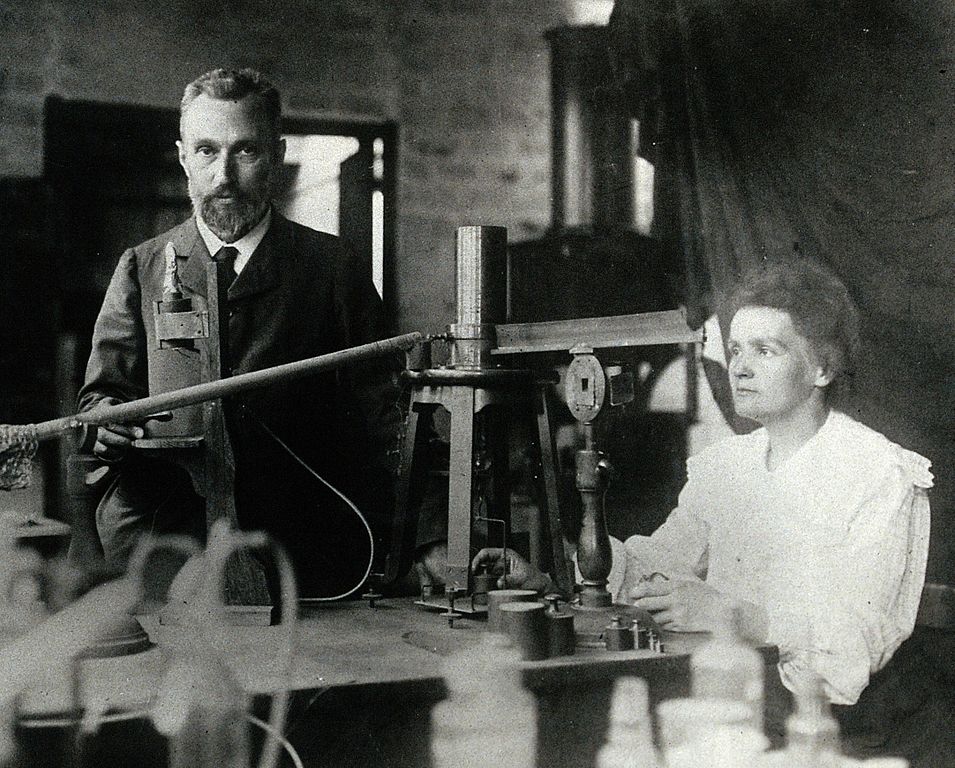
I saw the very desk used by the Curies.

Marie and Pierre Curie

Maria Salomea Skłodowska-Curie, born in Poland, was the first woman to win a Nobel Prize, the first person to win a Nobel Prize twice, and the only person to win a Nobel Prize in two scientific fields. Her husband, Pierre Curie, was a co-winner of her first Nobel Prize, making them the first-ever married couple to win the Nobel Prize.

The Curies announced the existence of an element they named “polonium“, and of a second element, which they named “radium“, from the Latin word for “ray”. In the course of their research, they also coined the word “radioactivity“.

Marie died in 1934, aged 66, at the Sancellemoz sanatorium in Passy (Haute-Savoie), France, of aplastic anemia, likely from exposure to radiation in the course of her scientific research.

Pierre Curie died after being struck in the street by a horse-drawn vehicle.
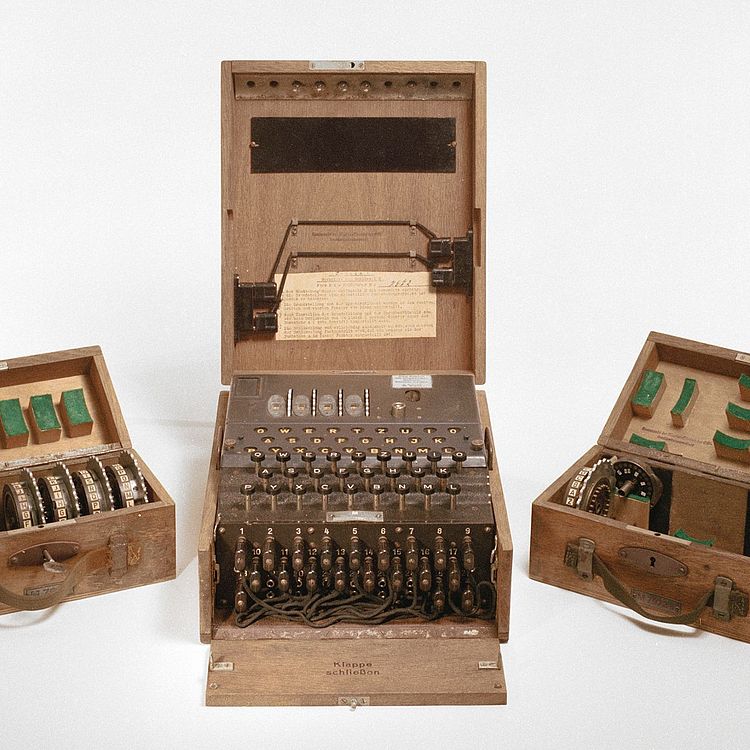
There’s a good section on the Enigma machine, employed extensively by Nazi Germany during World War II.

The Brits famously broke the Enigma machine code at Bletchley Park. Gordon Welchman, who became head of Hut 6 working on that project, admitted they wouldn’t have been successful without consulting cipher-breakers Poles who had cracked Enigma in 1932.

It would take hundreds of hours to look at all 28,000 exhibited objects in the Deutsches Museum.

I downloaded the app and took a “highlights tour” with audio. Recommended for the first time visitor to the museum.

Visiting Tegernsee, Bavaria

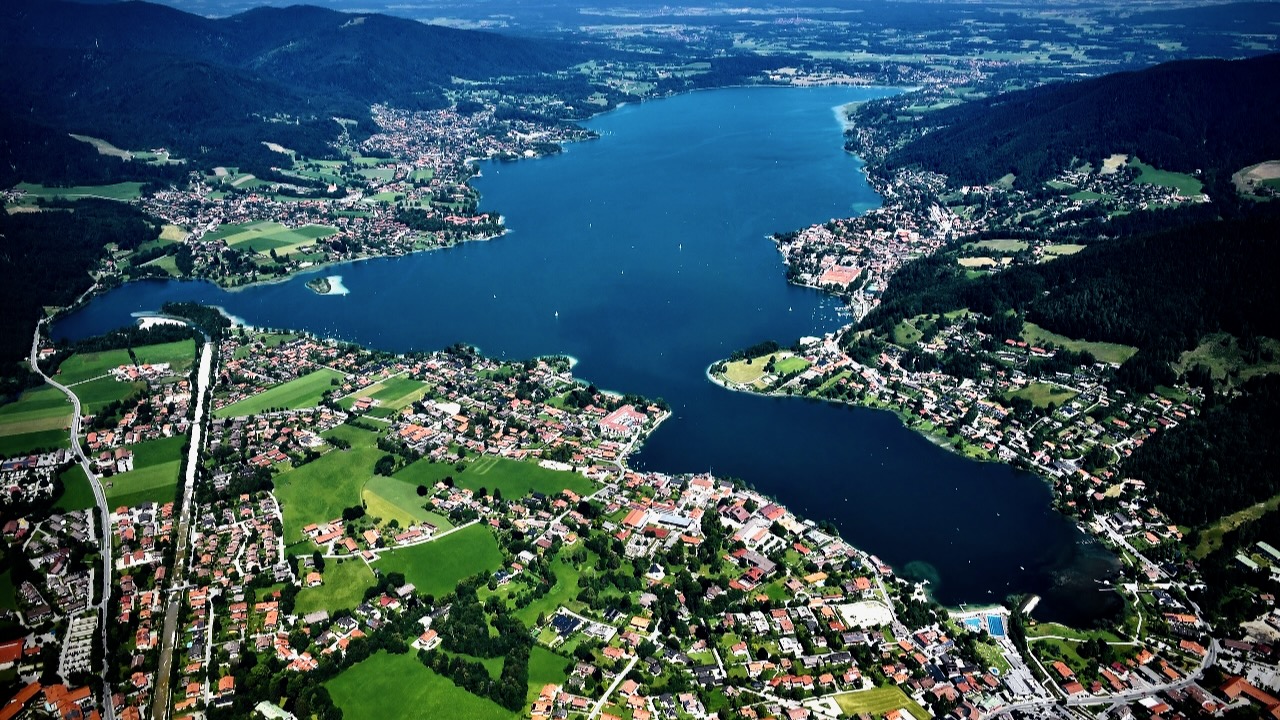
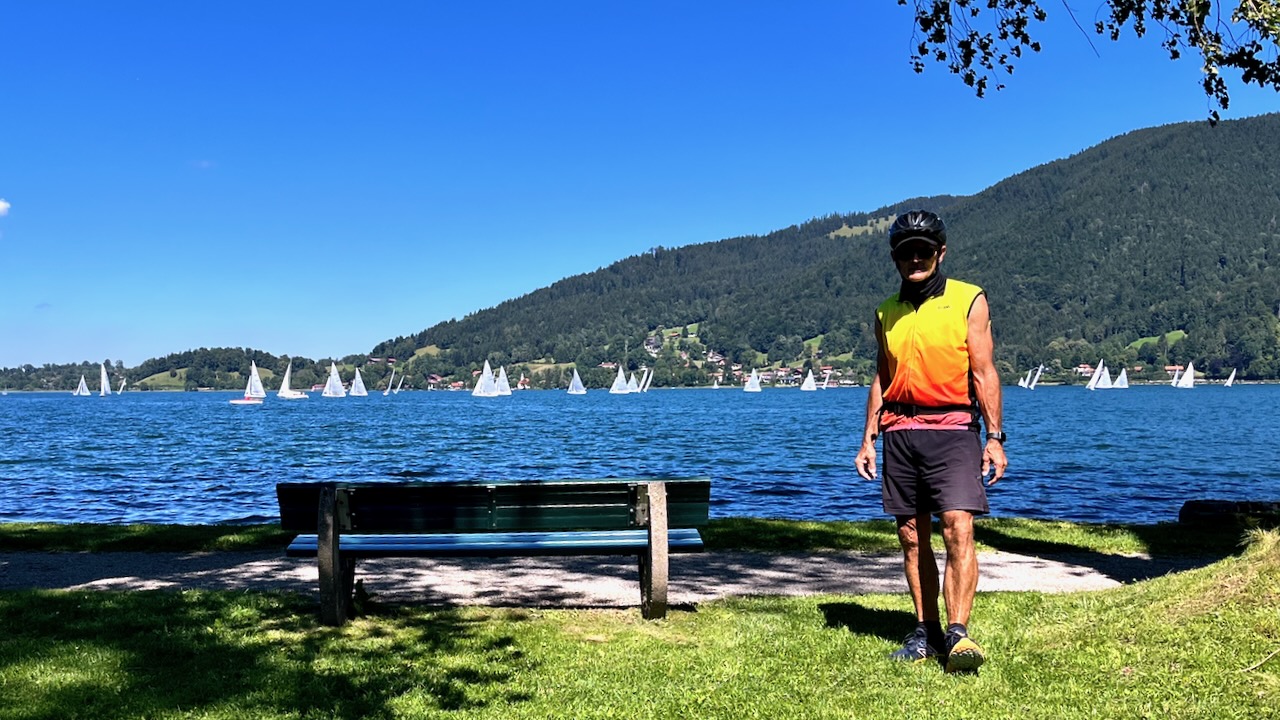
Lake Tegernsee is surrounded by an alpine landscape of Upper Bavaria, and has an economy mainly based on tourism.

Carsten Steger – photo

It’s about an hour by train from Munich. Even closer to Austria.

I cycled the 18.8-km loop around the lake. Plus side trips.
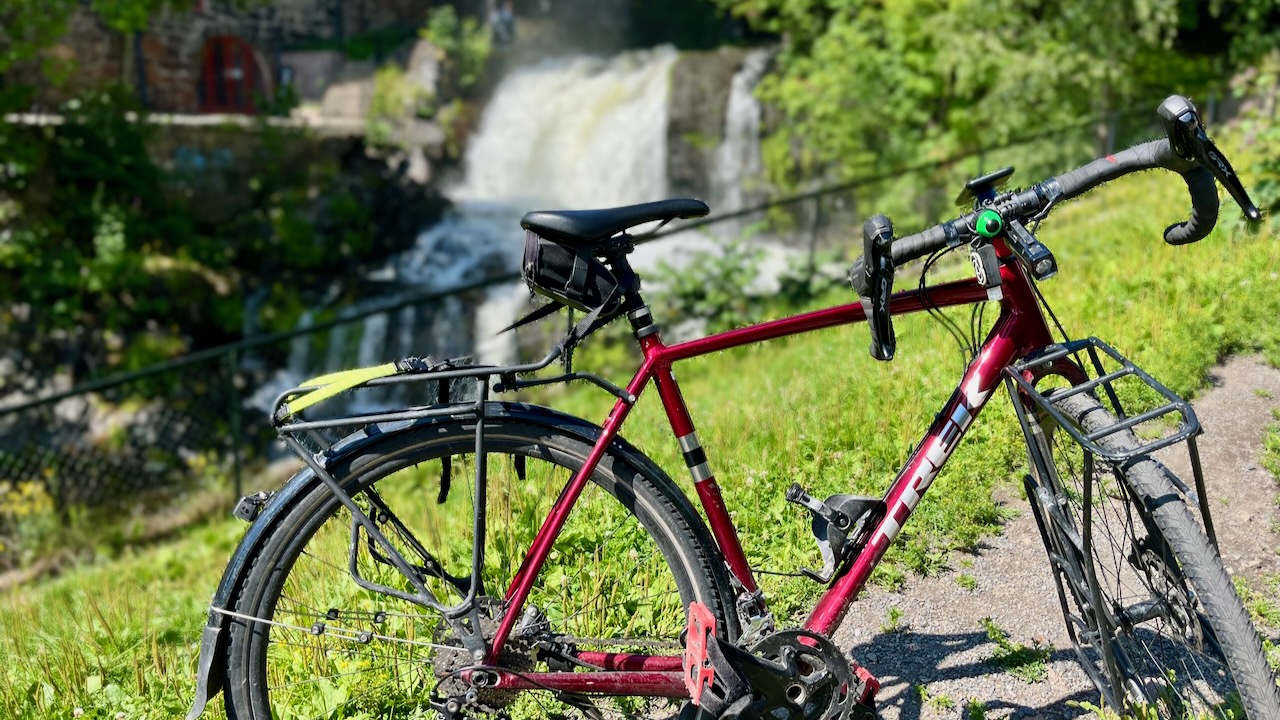
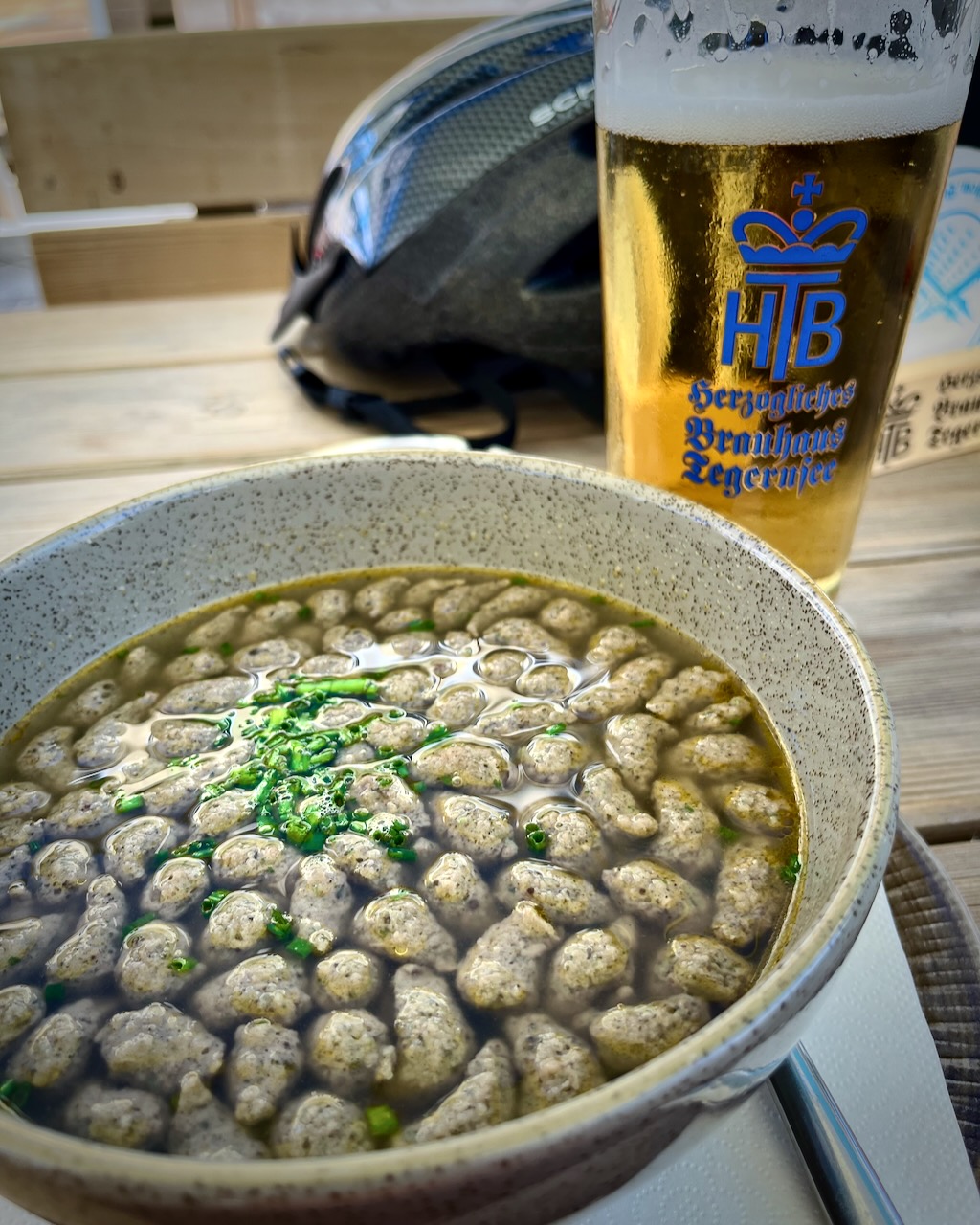
Then — on Claudia’s recommendation — had soup and a beer at famed Restaurant Bräustüberl.

I tried the leberspatzlesuppe (liver dumpling soup). Not visually appealing, but tasted great.

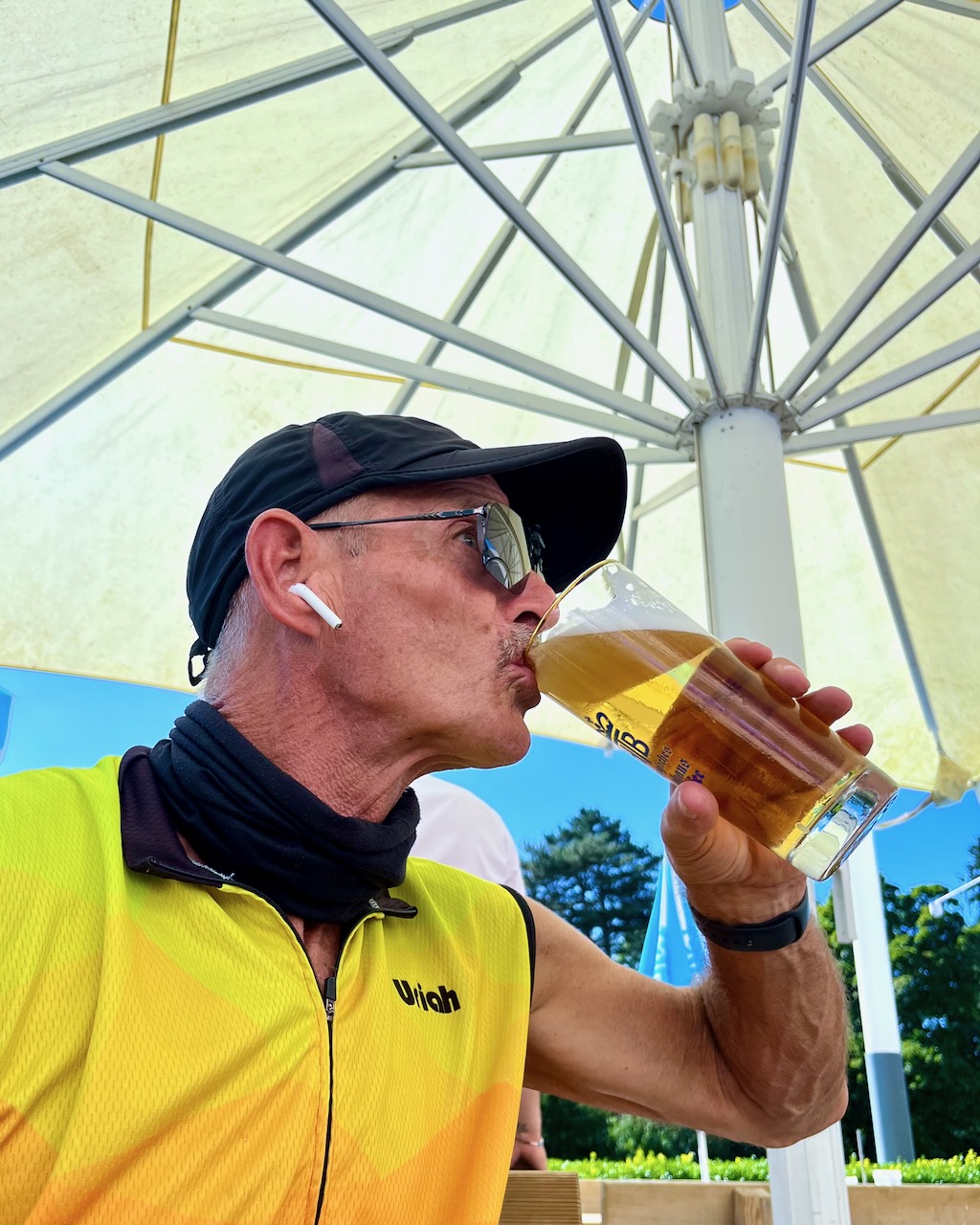
I drink only 1 beer / year. But where better than Bavaria on a hot afternoon?

Hop-On / Hop-Off Munich 

Reconnaissance is often a good idea.

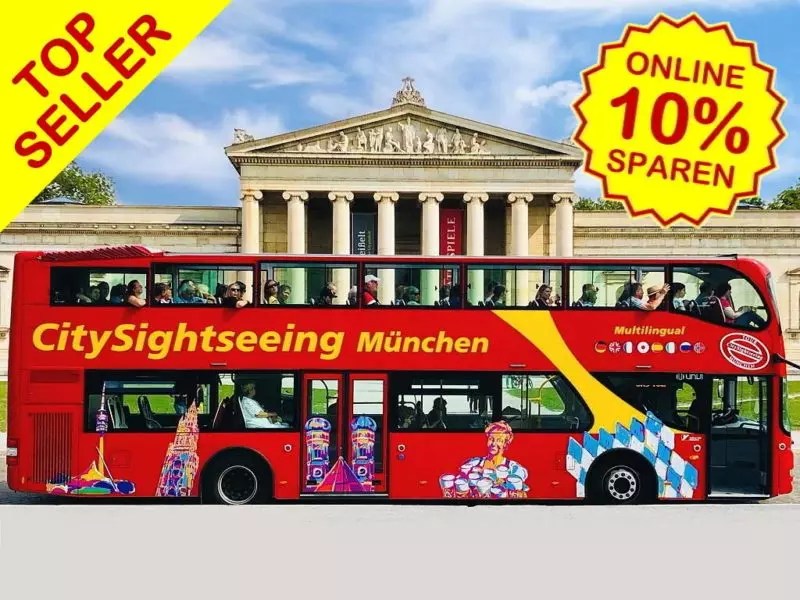
For bigger cities, I find buying a Hop-On / Hop-Off bus ticket is a good way to grok the big picture for tourists.  

Usually 24-hours is enough for me. I do the afternoon day 1. Morning day 2.

Typically I’ll ride the entire loop first, deciding on priorities for later.

In Munich I want to visit and/or revisit:

And more. There’s an interesting Italian market called Eataly, for example.

When I went looking for a good bus video, I found my cycling guru Ryan Van Duzer from 2012.

He was vlogging for Viator Travel at the time.

Click PLAY or watch it on YouTube.

A Deep Dive into … Bread

Norway has cheaper and far better bread than Canada.

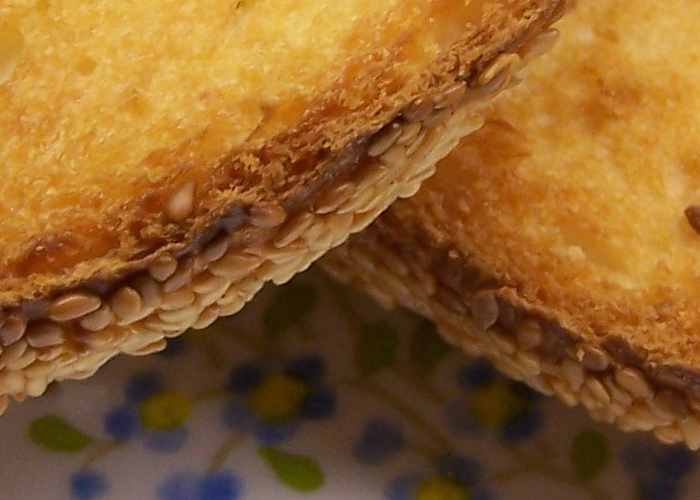
Kneippbrød, for example, is the most popular. 100% whole wheat flour. The whole grain (shell, kernel, and germ) is used.

In Canada, bagels are the most popular bread. I love bagels. No complaint there. 🙂

#2 is packaged sliced white bread. Not good.

I believe the main reason bread is better in Europe than North America is competition. There are far more bakeries and producers — still — in Europe.

Since fewer Canadians buy good break, it’s comparatively expensive compared with the Superstore white bread sold as a loss leader at CAD $.97.

Click PLAY or watch it on YouTube.

Visiting Oslo, Norway

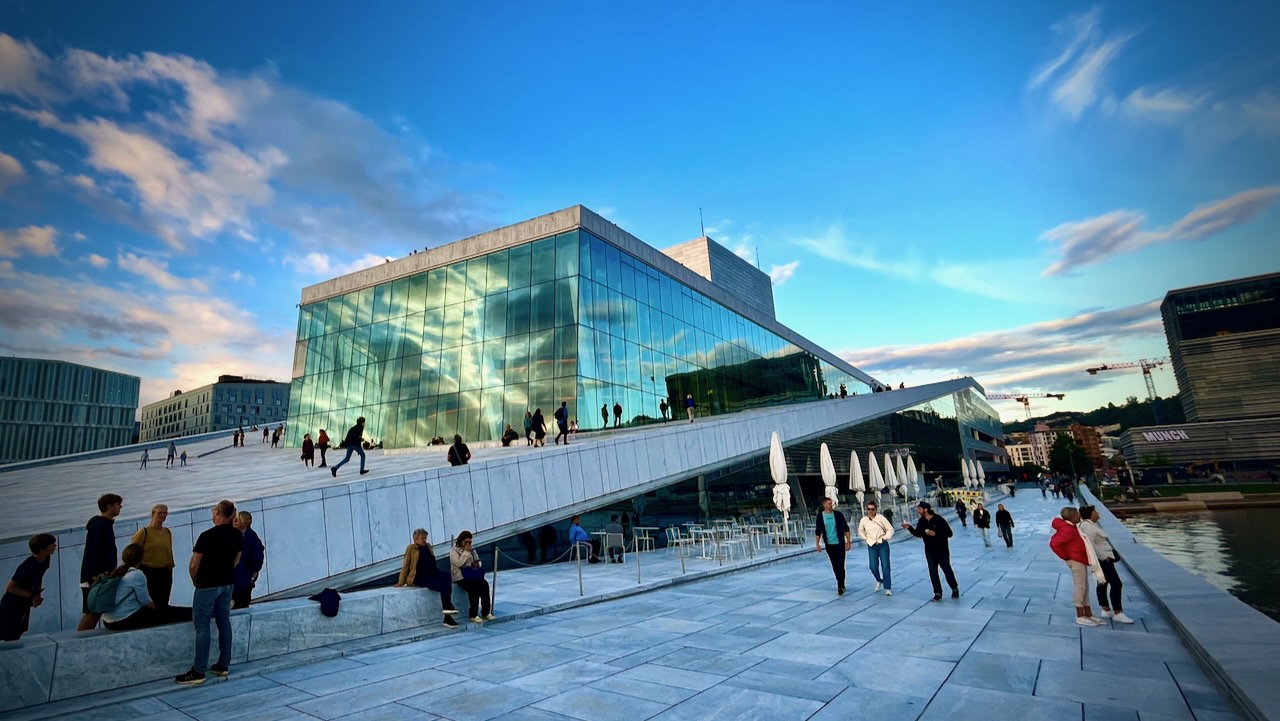
In 2018, Lonely Planet named Oslo one of the ten best cities in the world to visit, citing the Norwegian capital’s “innovative architecture and unmissable museums alongside cool bars, bistros and cafés“.

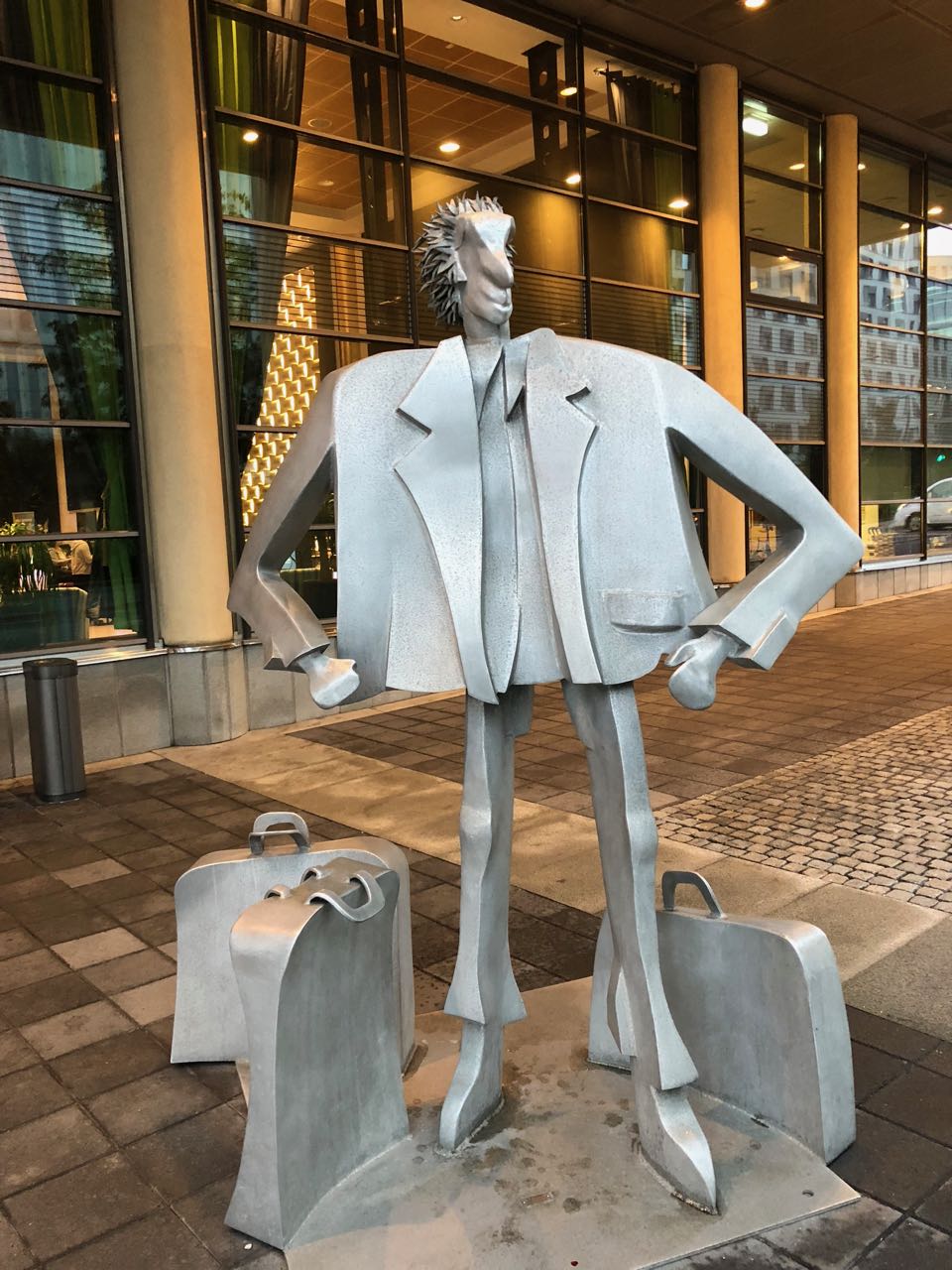
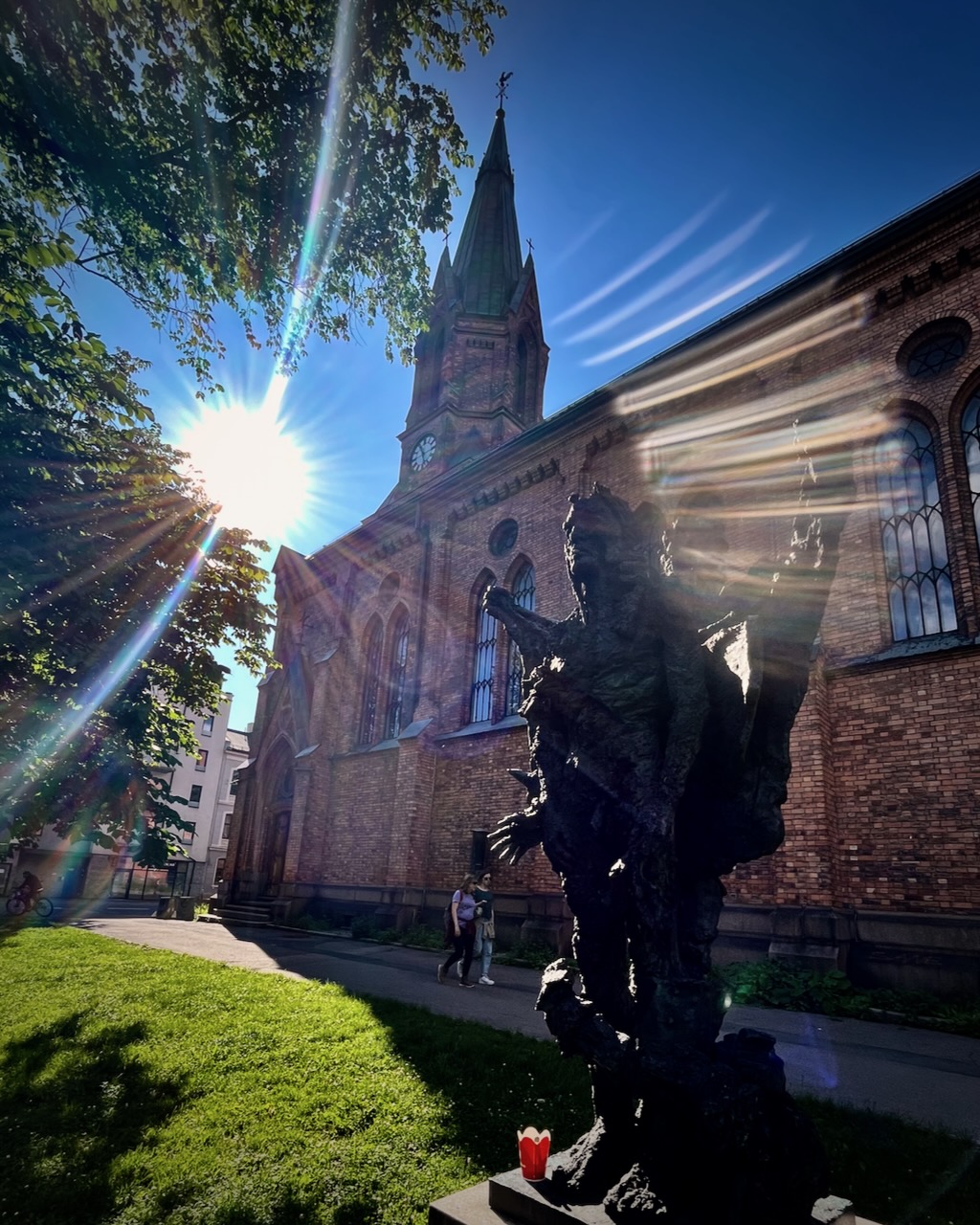
I was there in 2018, appreciating most the many weird and wonderful public sculptures.

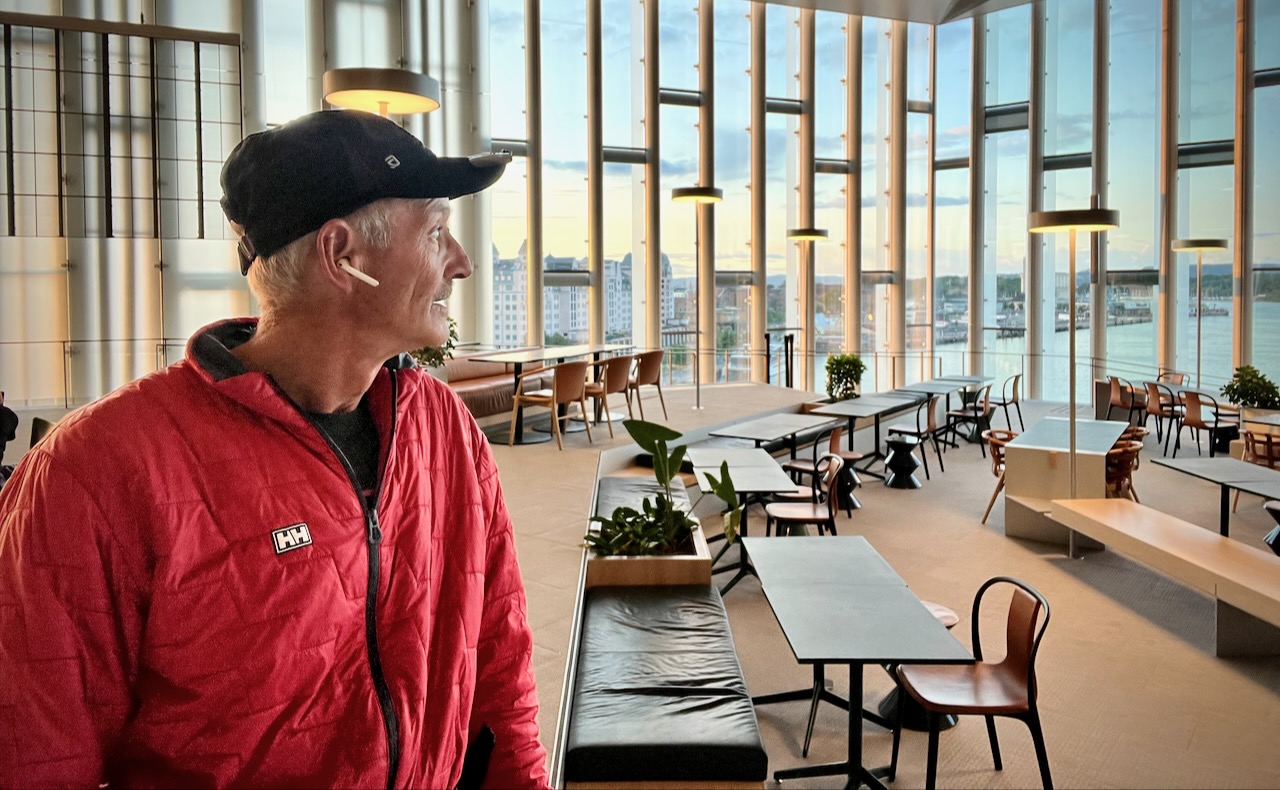
I stayed close to the Opera House. Walking tours.

Returning in 2023, I explored other tourist highlights.

BEST was the Bygdøy district, home of 5 national museums as well as famous estates. Quisling’s home is here, for example.

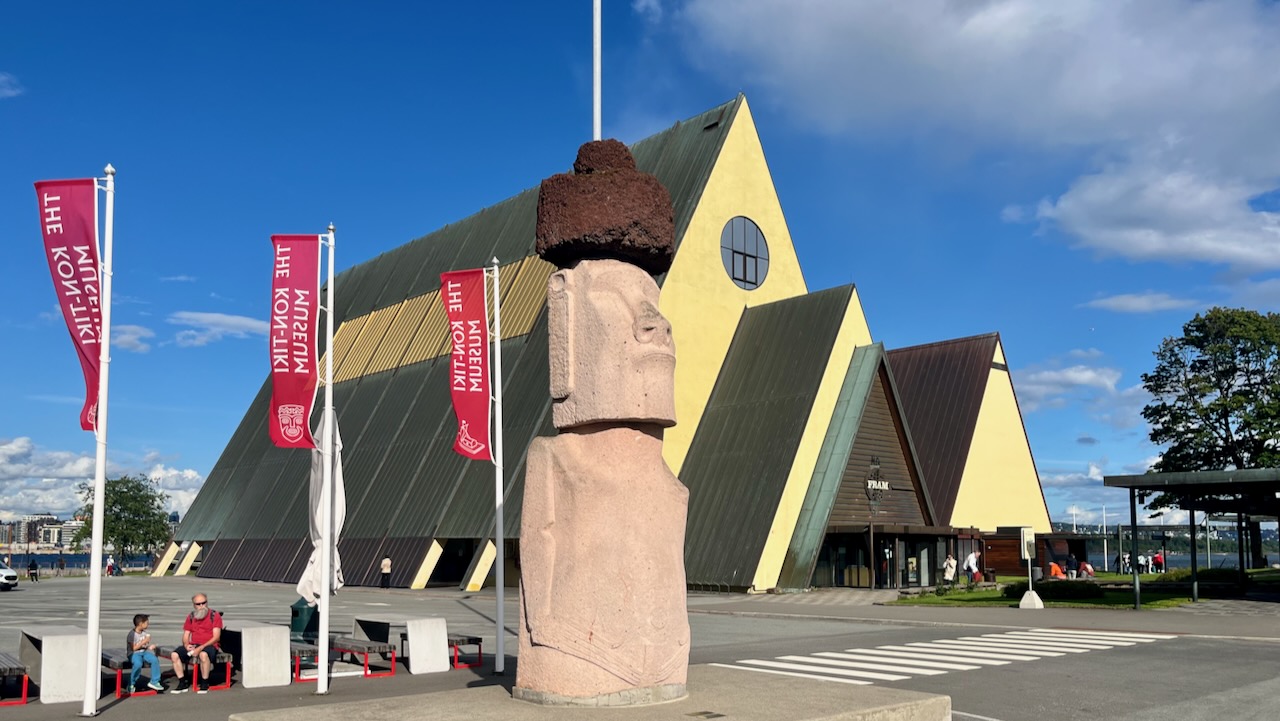
The Kon-Tiki museum is excellent. I was reminded of Thor Heyerdahl‘s many adventures.

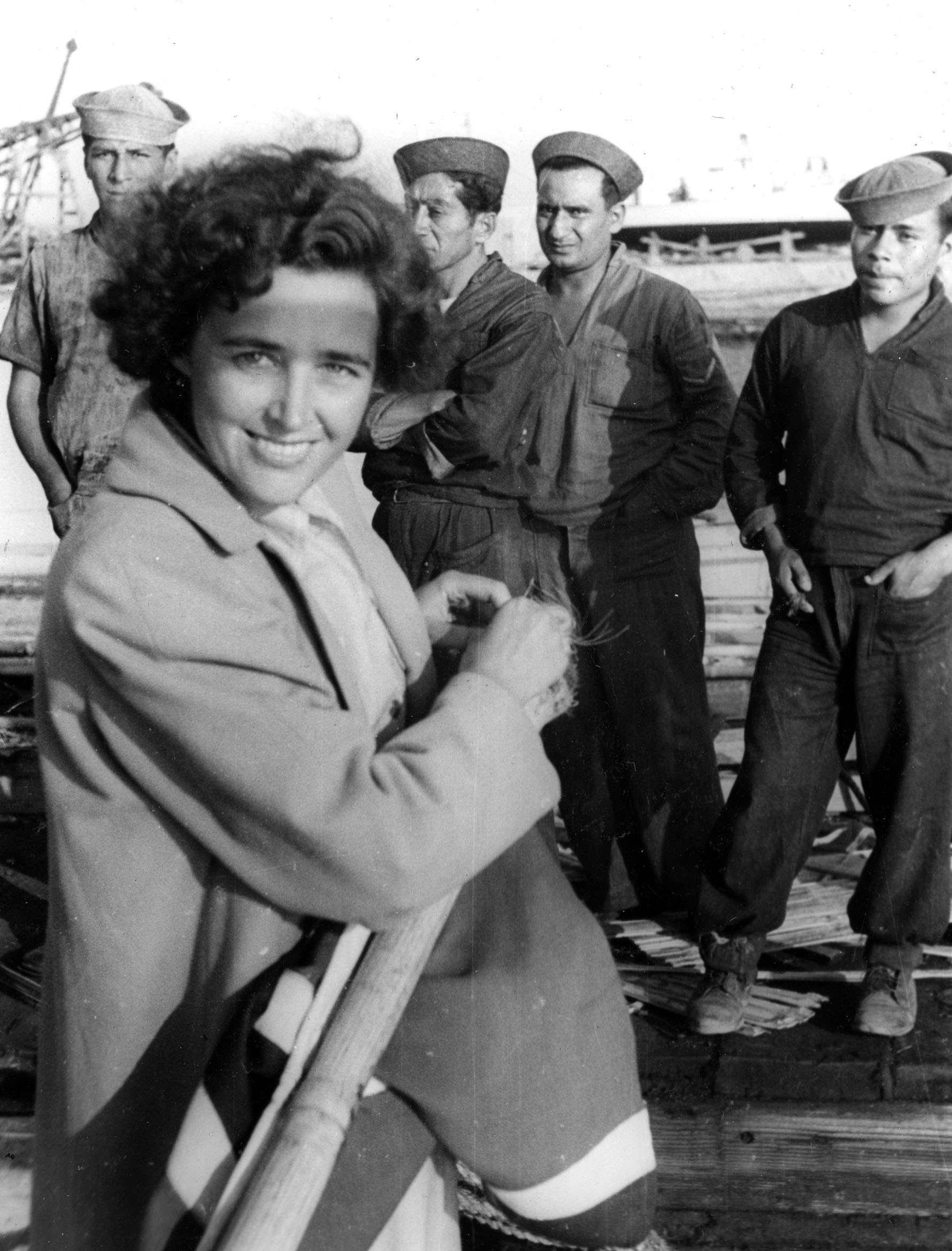
I learned about Gerd Vold Hurum, the secret 7th member of the Kon-Tiki expedition. She was key in organizing the expedition on shore. But never got famous. After all, Gerd was only a woman. 😕

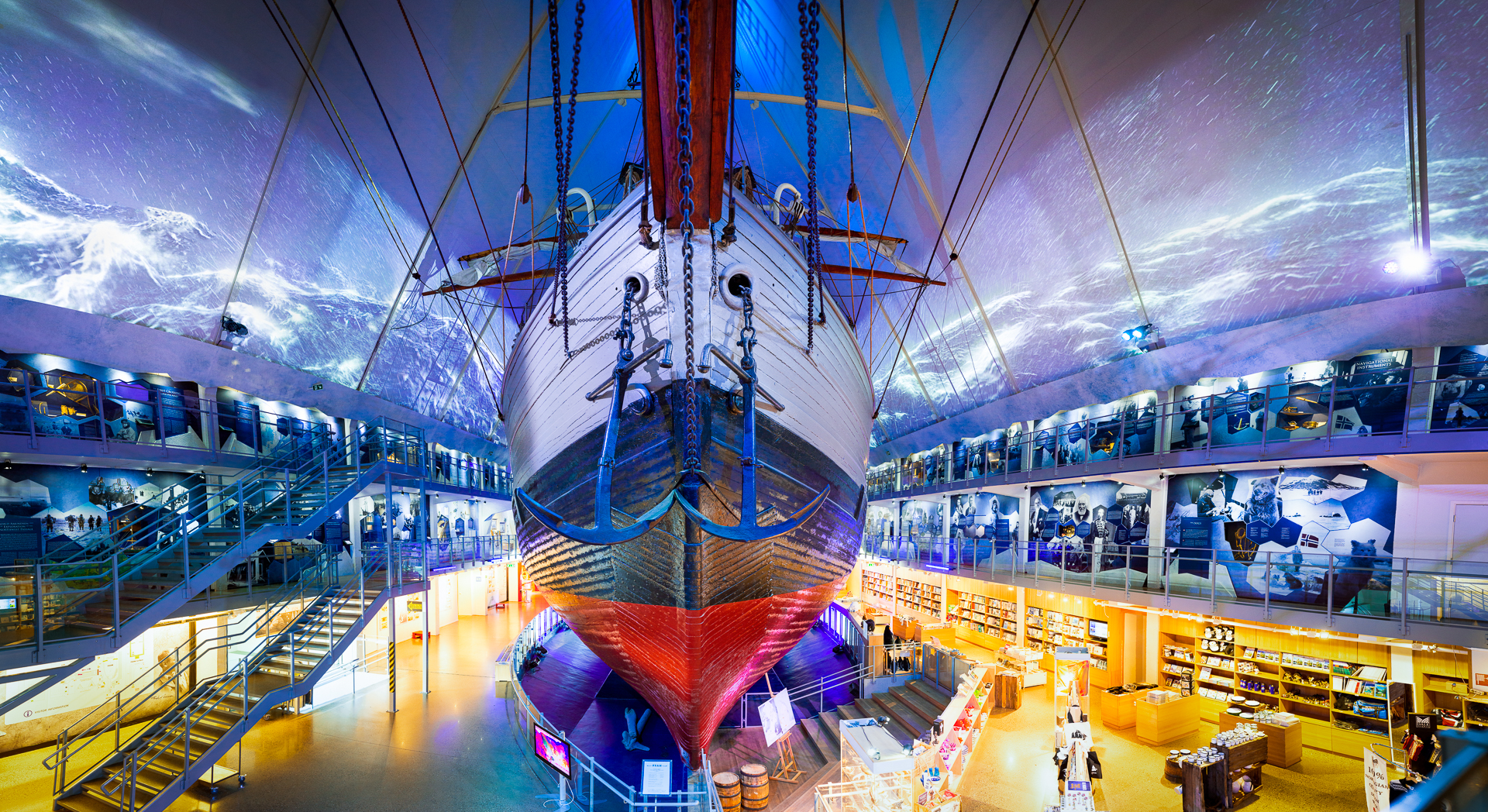
The Fram Museum is perhaps even better.

photo by Tore Storm Halvorsen 

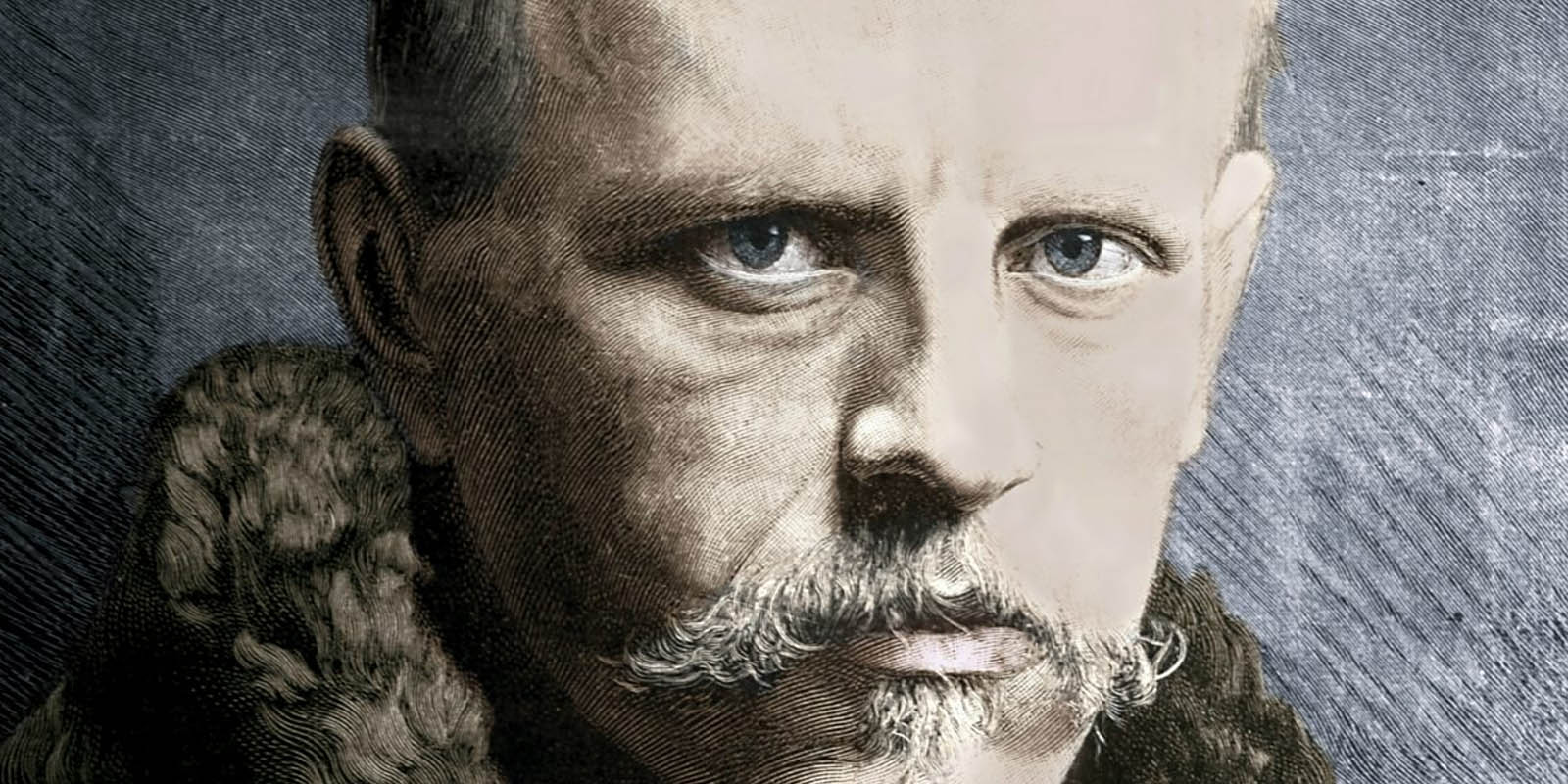
It honours Norwegian polar exploration in general and three great Norwegian polar explorers in particular – Fridtjof NansenOtto Sverdrup and Roald Amundsen

The museum shares entertaining stories of each.

Norwegians were the most successful of the Arctic and Antarctic explorers, I’d say, because they were smart enough to learn from native peoples. And understood the importance of dogs in crossing snow and ice.

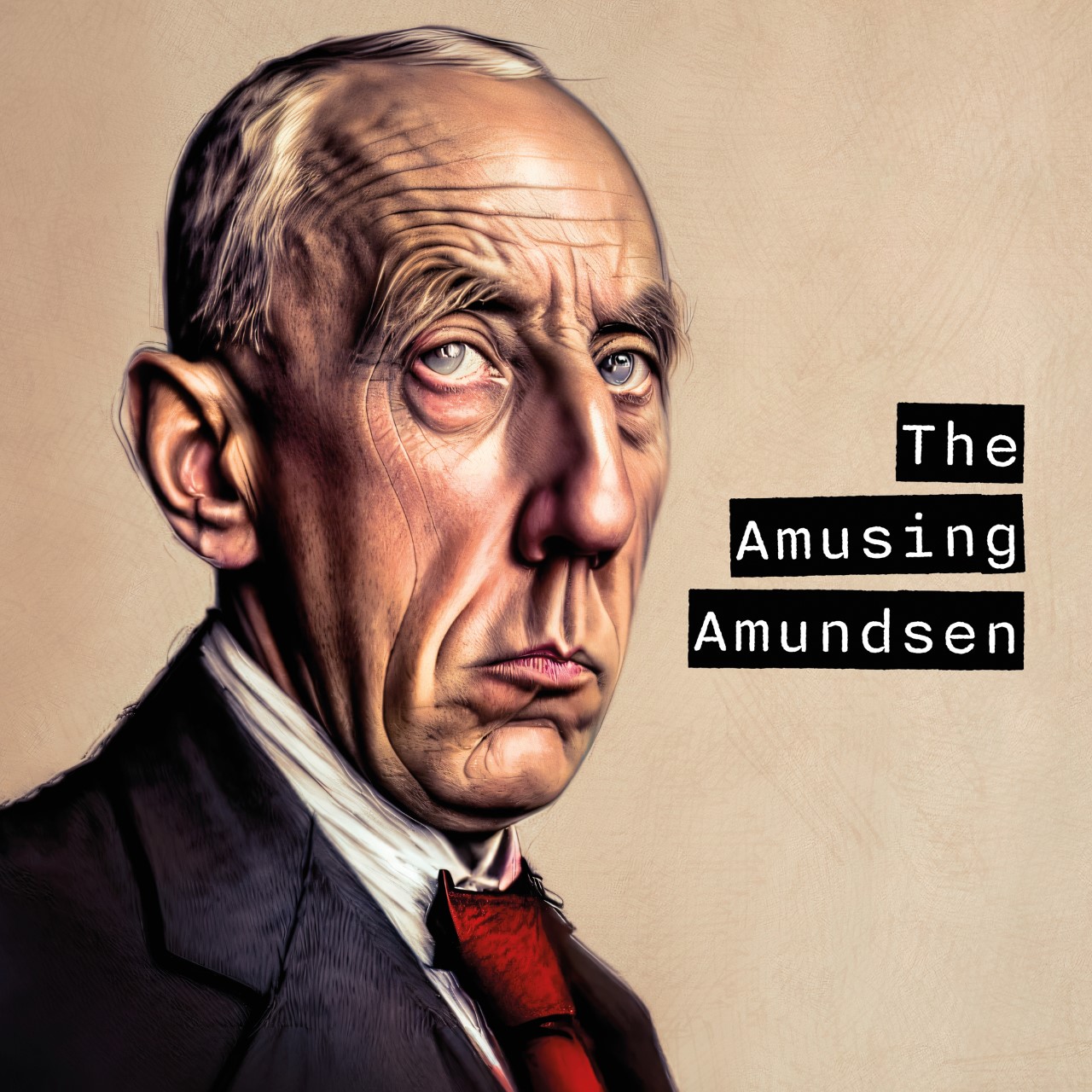
Roald Amundsen’s team was the first to reach the South Pole on December 14th, 1911; five weeks later the polar party led by Robert Falcon Scott was second.

Amundson was a dedicated explorer. Life long. Arrogant and competitive.

Despite his hard man exterior, those who knew him well found a humorous, self-deprecating storyteller.

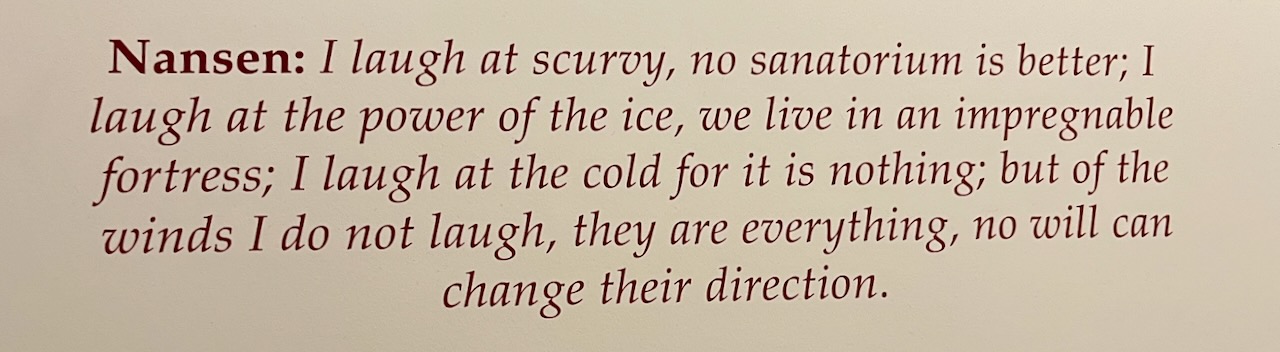
Fridtjof Nansen was oft quoted. He led the team that made the first crossing of the Greenland interior in 1888.

Scurvy was a huge problem for the Norwegians. All they carried with vitamin C was pemican. It wasn’t enough.

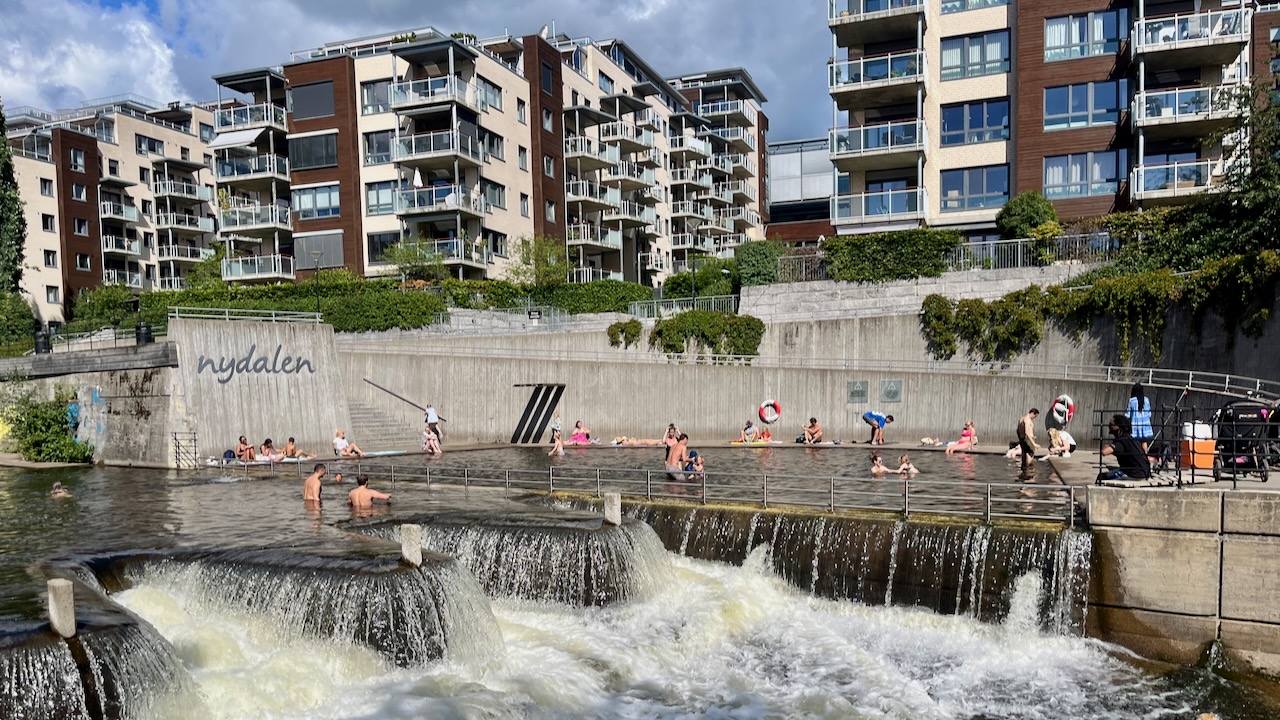
I could travel the city more widely as I had my bike this time.

This was one of the warmest days of the year.

Farewell Oslo.

Oslo Public Library

Quisling – Collaborating with the Enemy

The word quisling has come to mean  a citizen or politician of an occupied country who collaborates with an enemy occupying force – or more generally as a synonym for traitor.

The word originates from the surname of the Norwegian war-time leader Vidkun Quisling, who headed a domestic Nazi collaborationist regime during World War II.

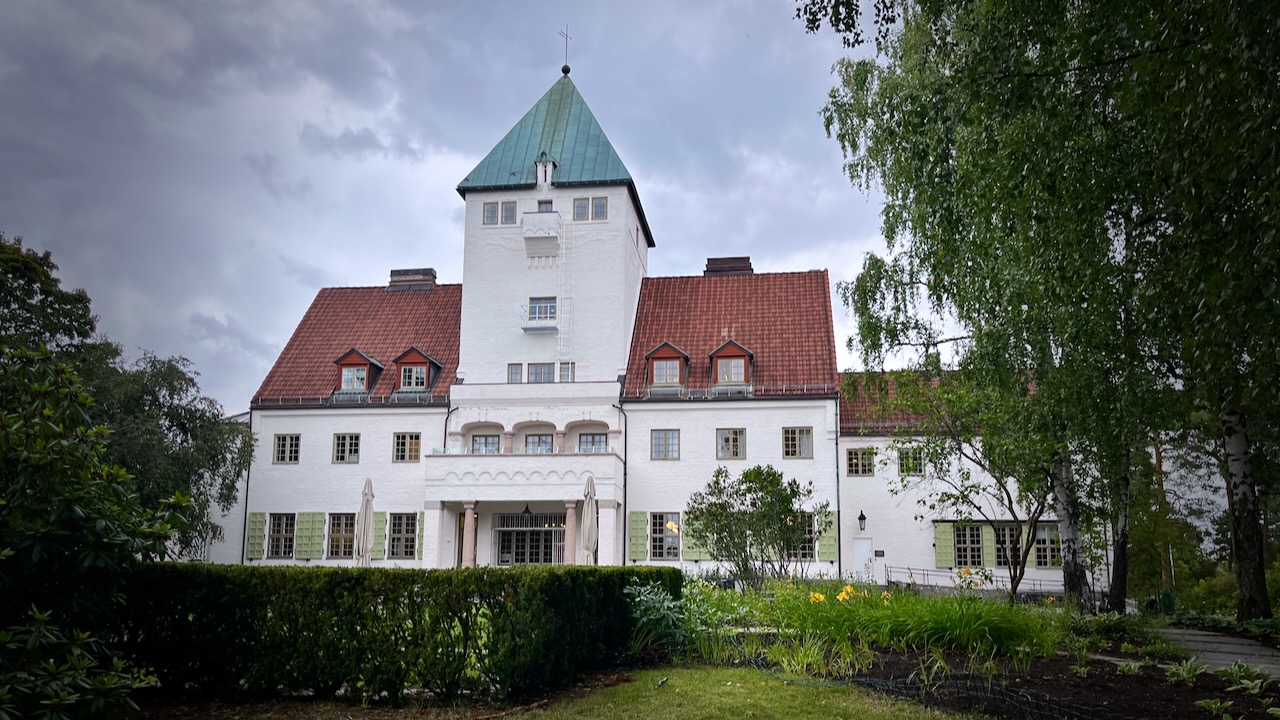
In Oslo, I visited Quisling’s residence, Villa Grande, which he called “Gimlé“, a name taken from Norse mythology.

He last met with Hitler January 1945.

Quisling was executed by firing squad at Akershus Fortress 24 October 1945.

I was surprised to learn his wife Maria lived in Oslo until her death in 1980. Never charged with any crime, despite the fact that she spent a lot of money supporting their opulent life style.