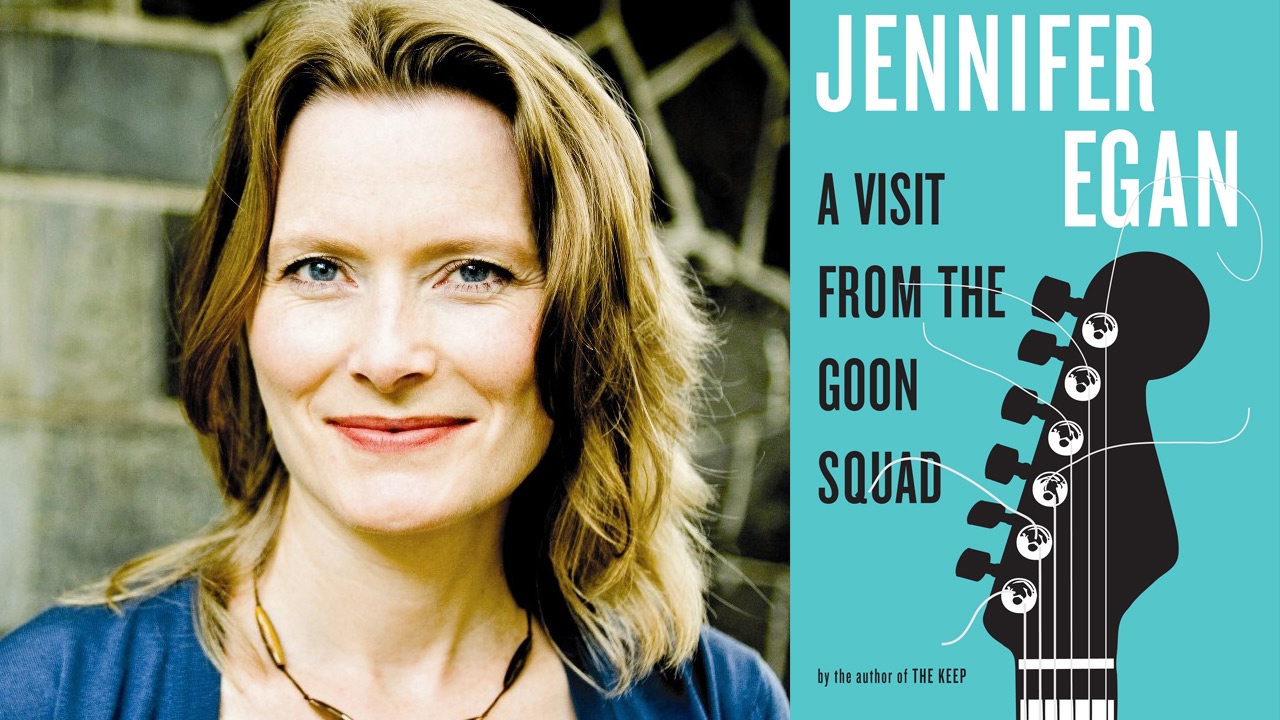
… a set of thirteen interrelated stories with a large set of characters all connected to Bennie Salazar, a record company executive, and his assistant, Sasha. …
Original. Well written. Well researched. BUT I only got halfway through.
Egan is a great writer. But this book centers on mostly self-destructive characters none of whom I liked nor related with.
I’ve had it with narratives with only unlikable characters — for example, Succession on TV.
When published in 2010 nobody liked this book aside from critics. I’m not surprised.
The most impressive thing about the first 60% of this book 😀 for me was her take on how people age. It has a nonlinear chronology with different character’s point of view at different times of life.
Missing Pieces (2021) is set in the same fictional world as Grainger’s DC Smith — but Smith doesn’t actually appear in this novel. He’s mentioned. Often.
I enjoyed this book. It’s a slow burn. Not much action. Plenty of detail on how murder investigations are conducted.
As the first anniversary of the formation of the Kings Lake murder squad approaches, there is a problem—they’ve run out of murders.
As a result, they are given the task of reviewing unsolved cold cases. One of these comes back to life in unexpected ways as the team try to discover the identity of the young woman whose body was found in the Norfolk countryside two decades ago.
And even if they can give her a name, how can they possibly find her killer after so many years?
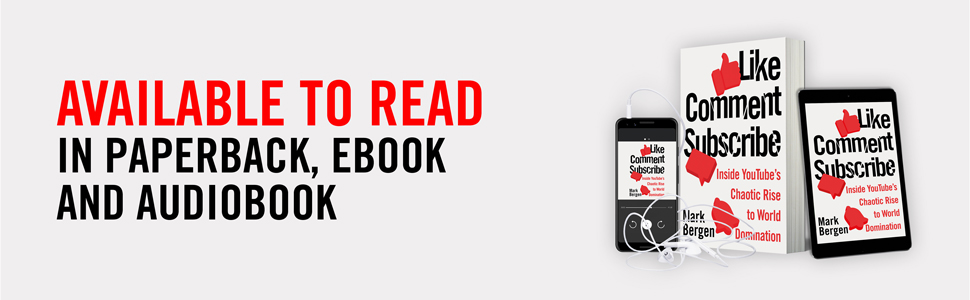
By Mark Bergen, a technology reporter at Bloomberg.
Published Sept 2022.
The biggest surprise was learning that YouTube’s algorithm actually kept most of Trump’s BIG LIE from getting promoted in early 2021. They were ready.
YouTube did a surprisingly good job of not promoting vaccine misinformation, as well.
You can find that stuff on YouTube, for sure. But it’s not being massively promoted for money.
As FREE enterprise, YouTube is FREE to post and promote whatever they want.
I’ve removed monetization from all my videos and websites.
If you eliminate ads and ad-driven algorithms, most social media problems disappear.
Google is a great search engine but I find YouTube to be quite lousy at listing either popular, quality, or related videos. Search for any topic you know well. Disappointing.
I spend a couple of hours most days on YouTube. No ads as I pay CAD$12 / month for YouTube Premium.
YouTube was super disorganized right from the start.
After Google bought the video site and made it #1, problems evolved as millions of “creators” devised hacks to make money off the site.
Despite all its growth and success, YouTube has been widely criticized.
YouTube released a mobile app known as YouTube Kids in 2015, designed to provide an experience optimized for children. …
YouTube removed public display of dislike counts on videos in November 2021, claiming the reason for the removal was, based on its internal research, that users often used the dislike feature as a form of cyberbullying and brigading. …
On October 9, 2006, Google announced that it had acquired YouTube for $1.65 billion in Google stock. It would have been Google or Yahoo. Google was willing to pay more.
FOX was also interested, but Rupert Murdoch’s News Corporation had wasted $580m buying Myspace in 2005. They eventually sold MySpace for $35m.
YouTube had $19.8 billion in revenue in 2020. I send YouTube CAD $12 every month for YouTube Premium. Ad free videos. My music subscription. And a few other perks.
One of my most popular videos is from the early days. 😀 Low resolution. No editing. #bad
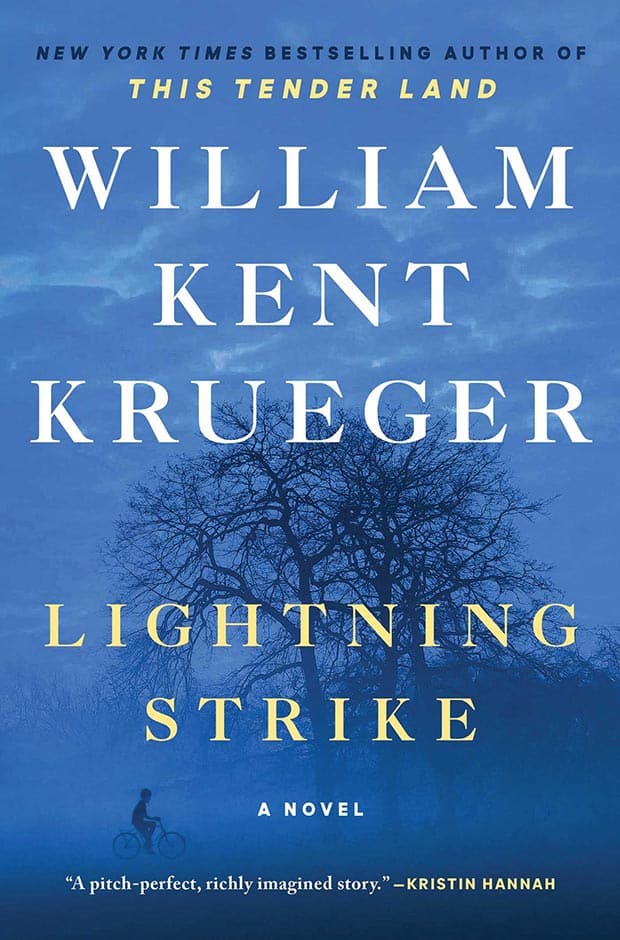
It follows Cork in his adolescence, shortly before he turns thirteen, the year before his father is killed in the line of duty.
There are mysterious deaths at the heart of the story, of course, but it also explores the relationship Cork had with his father, which shaped him significantly in becoming the man who occupies center stage in the series. …
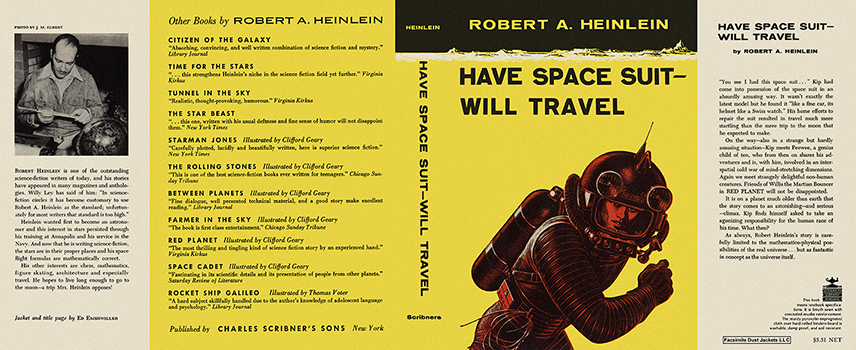
High school senior Clifford “Kip” Russell is determined to get to the Moon, but the price of a ticket is far beyond his reach. His father suggests he enter an advertising jingle-writing contest; first prize is an all-expenses-paid trip there. Instead, he wins a used space suit.
… He is shocked when a flying saucer lands practically on top of him. An 11-year-old girl (Peewee) and an alien being (the “Mother Thing”) flee from it, but all three are quickly captured and taken to the Moon. …
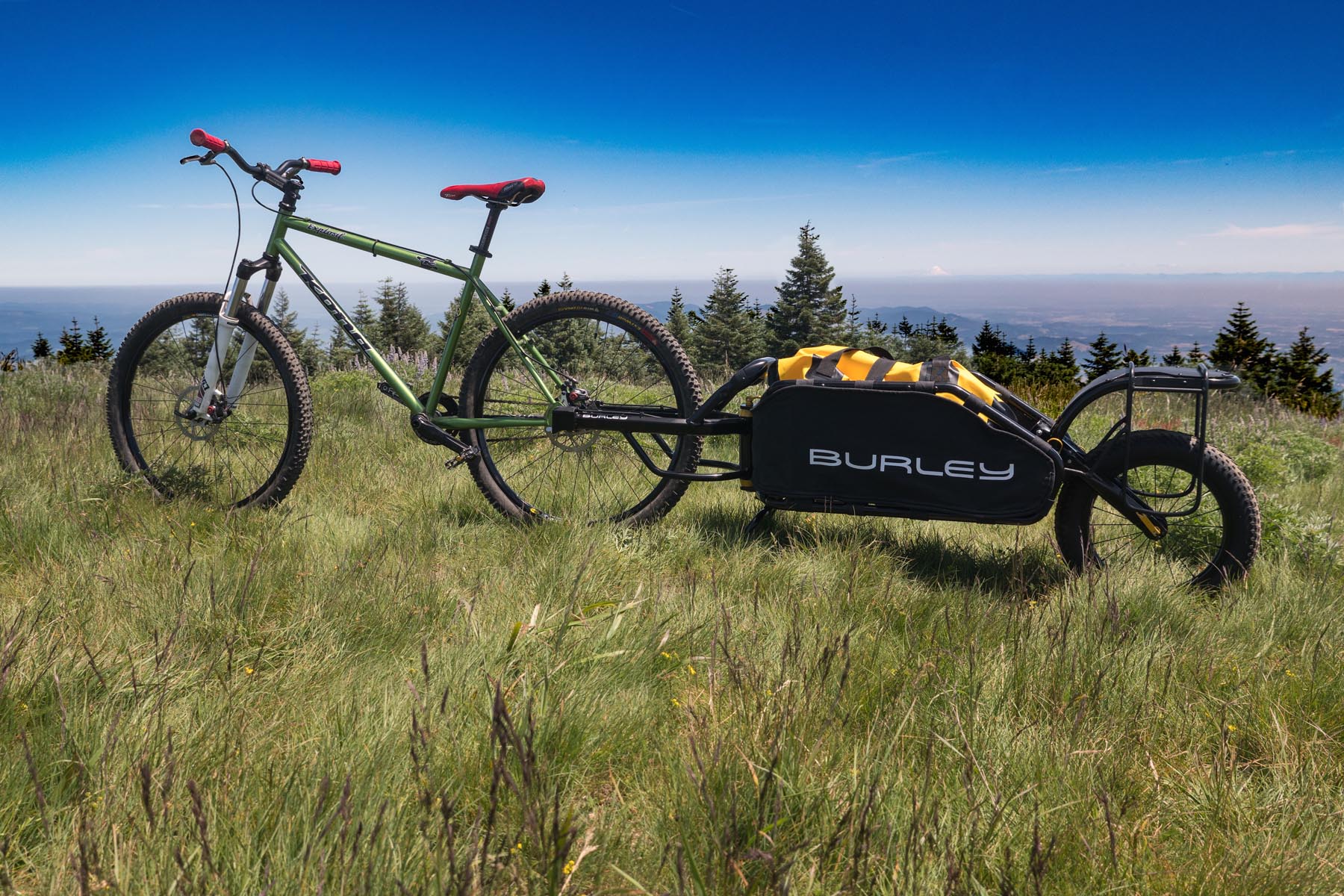
I love the kickstand. It holds up the bike, as well.
Hike-a-bike will be tougher, for sure. I might want to avoid steep hills. This adds 20 pounds to your total weight. When cycling, however, you don’t notice the weight.
Expensive at U.S. $500. As little as $350 if you get a deal.



 Rick McCharles