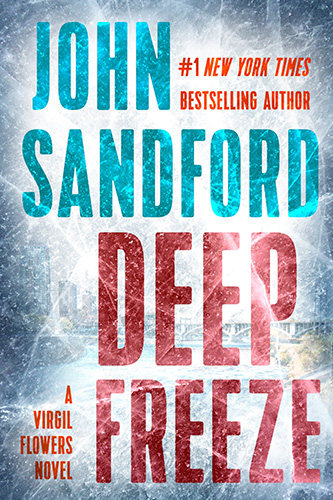
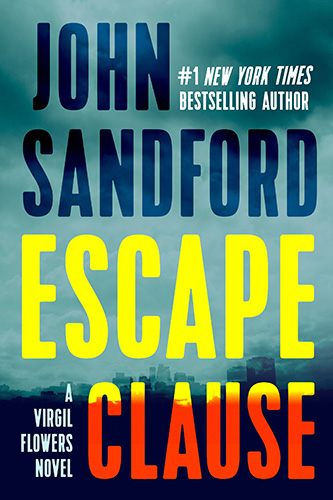
The 10th book (2017) in the Virgil Flowers series ➙ Deep Freeze.
Originally disappointed in these Virgil Flowers books, I’ve come to like them. Or … perhaps they got better over the years.
Class reunions: a time for memories — good, bad, and, as Virgil Flowers is about to find out, deadly — in the thrilling new novel in the #1 New York Times-bestselling series
Virgil knows the town of Trippton, Minnesota, a little too well. A few years back, he investigated the corrupt — and as it turned out, homicidal — local school board, and now the town’s back in view with more alarming news: A woman’s been found dead, frozen in a block of ice.
There’s a possibility that it might be connected to a high school class of twenty years ago that has a mid-winter reunion coming up, and so, wrapping his coat a little tighter, Virgil begins to dig into twenty years’ worth of traumas, feuds, and bad blood. In the process, one thing becomes increasingly clear to him. It’s true what they say: High school is murder.
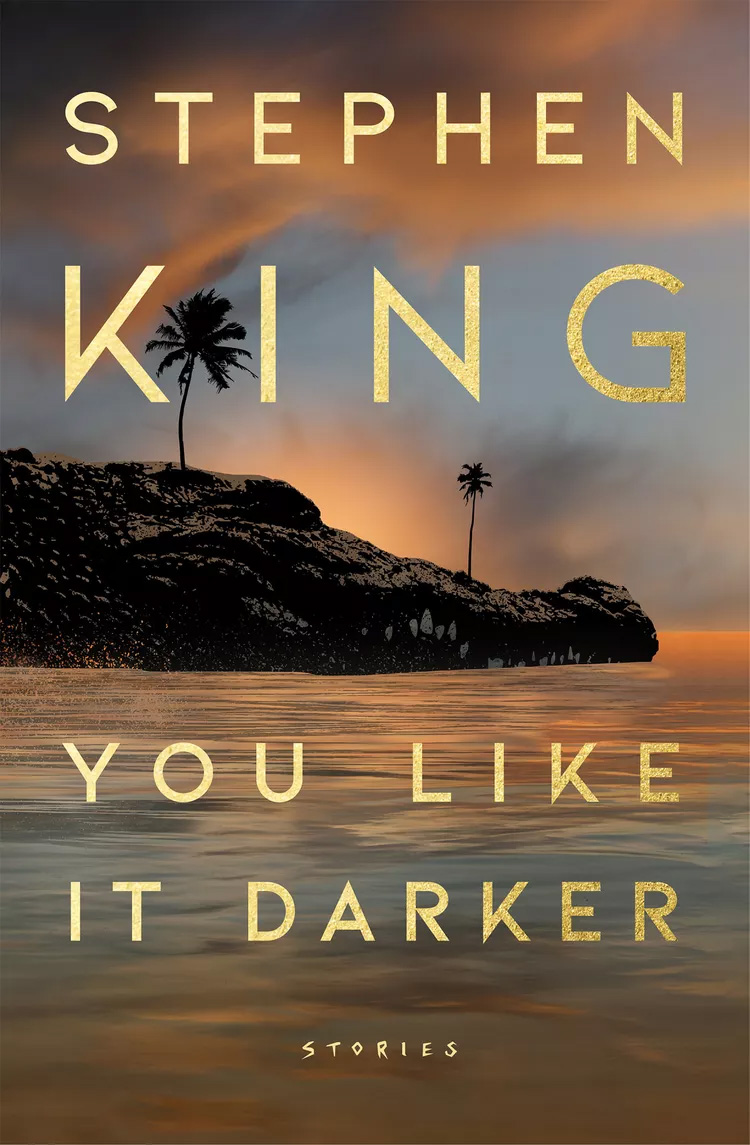
You Like It Darker (2024) is a collection of 12 short stories.
Stephen King modified the title from a Leonard Cohen lyric.
I love King the story teller. But generally don’t like horror. #conflicted
I did like this collection. He’s amazingly good at drawing you into unusual characters in unexpected situations.
“You like it darker? Fine, so do I,” writes Stephen King in the afterword to this magnificent new collection of twelve stories that delve into the darker part of life—both metaphorical and literal.
“Two Talented Bastids” explores the long-hidden secret of how the eponymous gentlemen got their skills.
In “Danny Coughlin’s Bad Dream,” a brief and unprecedented psychic flash upends dozens of lives, Danny’s most catastrophically.
In “Rattlesnakes,” a sequel to Cujo, a grieving widower travels to Florida for respite and instead receives an unexpected inheritance—with major strings attached.
In “The Dreamers,” a taciturn Vietnam vet answers a job ad and learns that there are some corners of the universe best left unexplored.
“The Answer Man” asks if prescience is good luck or bad and reminds us that a life marked by unbearable tragedy can still be meaningful.
Two large, and very rare, Amur tigers have vanished from their cage, and authorities are worried sick that they’ve been stolen for their body parts. Traditional Chinese medicine prizes those parts for home remedies, and people will do extreme things to get what they need. Some of them are a great deal more extreme than others — as Virgil is about to find out.
Then there’s the homefront. Virgil’s relationship with his girlfriend Frankie has been getting kind of serious, but when Frankie’s sister Sparkle moves in for the summer, the situation gets a lot more complicated. For one thing, her research into migrant workers is about to bring her up against some very violent people who emphatically do not want to be researched. For another… she thinks Virgil’s kind of cute.
But it received mixed-to-negative reviews from critics, and was considered a box-office bomb for losing up to $75 million.
A bad plot. But super interesting special effects on the Great Wall of China.
During the reign of Renzong Emperor, a group of European mercenaries travels to China, searching for gunpowder. A few miles north of the Great Wall, they are attacked by a monster.
Only Irishman William Garin and Spaniard Pero Tovar survive.
They sever the monster’s arm and bring it with them. Upon reaching the Wall, they are taken prisoner by the Nameless Order, led by General Shao and Strategist Wang.
The Nameless Order exists to combat Tao Tie, alien monsters that arrived from a meteorite and attack once every sixty years.
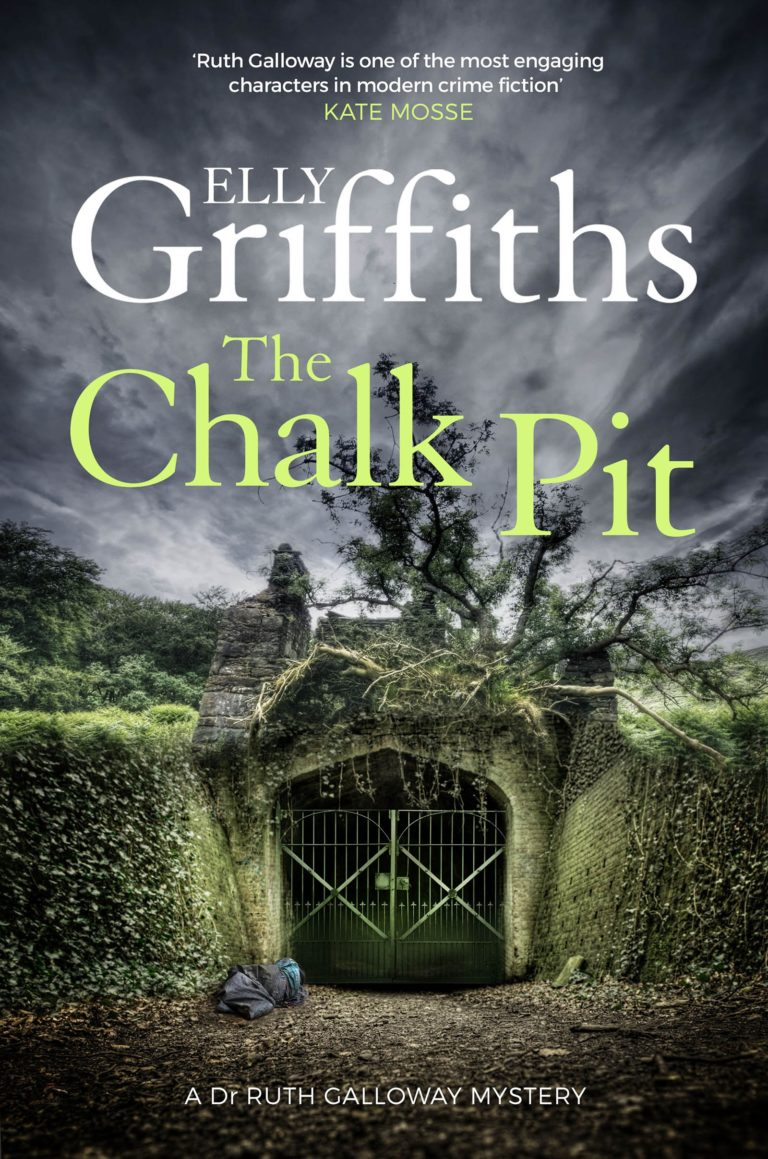
The Chalk Pit (2017) is the 9th book in the Ruth Galloway series.
Boiled human bones have been found in Norwich’s web of underground tunnels.
When Dr Ruth Galloway discovers they were recently buried, DCI Nelson has a murder enquiry on his hands. The boiling might have been just a medieval curiosity – now it suggests a much more sinister purpose.
Meanwhile, DS Judy Johnson is investigating the disappearance of a local rough sleeper. The only trace of her is the rumour that she’s gone ‘underground’. This might be a figure of speech, but with the discovery of the bones and the rumours both Ruth and the police have heard that the network of old chalk-mining tunnels under Norwich is home to a vast community of rough sleepers, the clues point in only one direction.