
Many recommended this book:
Game Change: Obama and the Clintons, McCain and Palin, and the Race of a Lifetime (2010)
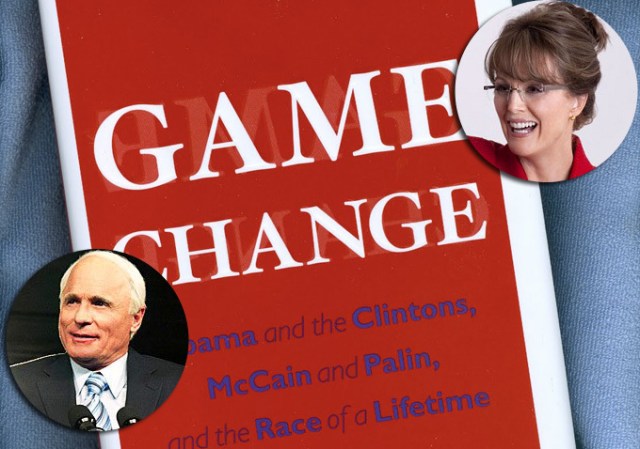
… In 2008, the presidential election became blockbuster entertainment. Everyone was watching as the race for the White House unfolded like something from the realm of fiction. The meteoric rise and historic triumph of Barack Obama. The shocking fall of the House of Clinton—and the improbable resurrection of Hillary as Obama’s partner and America’s face to the world. The mercurial performance of John McCain and the mesmerizing emergence of Sarah Palin. …
It’s the definitive account of what happened.
You learn that you’d NEVER want to run for President of the USA. It’s ugly. It’s dirty.
Of the lead characters, John Edwards (in prison, I hope) and his wife Elizabeth (1949-2010) come off worst. A horror show.
Bill Clinton won’t be going to Heaven. I wouldn’t share a beer with him.
Michelle Obama comes out of the slime pit cleanest.
Actually, my opinion went UP for John McCain and Hilary. I personally campaigned against McCain in 2008, thinking him spawn of the Devil. He’s not as bad as I thought. I particularly liked how he backed Sarah Palin even after it became obvious that she was an insanely bad choice for VP.
Hilary would have been a great President.
If this stuff bores you to tears, you might want to wait on Game Change – the movie:
… an upcoming (March 2012) Jay Roach film based on the book of the same name by journalists John Heilemann and Mark Halperin. The film will primarily track the actions of the Republican Party during the 2008 Presidential Election.
Click PLAY or watch it on YouTube.
Staring Sarah, I assume it’s a comedy. 🙂




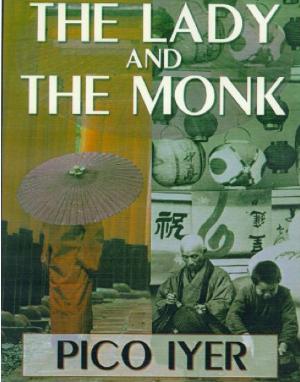 When Pico Iyer decided to go to Kyoto and live in a monastery, he did so to learn about Zen Buddhism from the inside, to get to know Kyoto, one of the loveliest old cities in the world, and to find out something about Japanese culture today — not the world of businessmen and production lines, but the traditional world of changing seasons and the silence of temples, of the images woven through literature, of the lunar Japan that still lives on behind the rising sun of geopolitical power.
 Rick McCharles