The ideal music/book player. IF it ever becomes available for sale.
Click PLAY or watch it on YouTube.
… I’m worried about battery life in a device so tiny.
(via Gear Junkie – 10 Innovations From CES 2015)

The ideal music/book player. IF it ever becomes available for sale.
Click PLAY or watch it on YouTube.
… I’m worried about battery life in a device so tiny.
(via Gear Junkie – 10 Innovations From CES 2015)
Everything I Never Told You: A Novel is a 2014 debut novel by Celeste Ng.
The story of a Chinese American family living in Ohio in the 1970s.

Critics love it:
NEW YORK TIMES BESTSELLER
AMAZON’S #1 BEST BOOK OF 2014
NEW YORK TIMES NOTABLE BOOK OF 2014
NPR, BEST BOOKS OF 2014
ENTERTAINMENT WEEKLY, 10 BEST FICTION BOOKS OF 2014
BOOKLIST, EDITORS’ CHOICE 2014
TIME OUT, 10 BEST BOOKS OF 2014
OPRAH.COM, 15 MUST-READ BOOKS OF 2014
LA Times – Review ‘Everything I Never Told You’ a moving tale of a dysfunctional family
Family dramas are simply not my cup of tea, however. No matter how well written.
Pretty much anything Oprah recommends I should avoid.
Joseph Conrad’s Heart of Darkness is a short novel (1899) about Charles Marlow’s life as an ivory transporter down the Congo …
The story is a complex exploration of the attitudes people hold on what constitutes a barbarian versus a civilized society and the attitudes on colonialism and racism that were part and parcel of European imperialism …
Joseph Conrad acknowledged that Heart of Darkness was in part based on his own experiences during his travels in Africa. In 1890, at the age of 31, he was appointed by a Belgian trading company to serve as the captain of a steamer on the Congo River. …
He reportedly became disillusioned with Imperialism, after witnessing the cruelty and corruption perpetrated by the European companies in the area. …
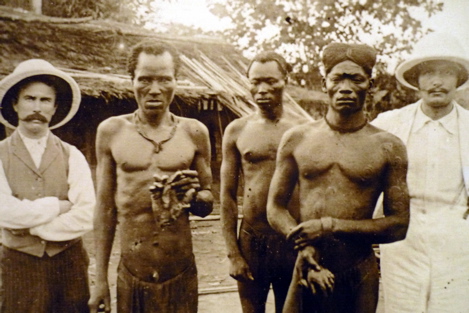
Leopold II (9 April 1835 – 17 December 1909), second King of the Belgians, was responsible for the deaths of an estimated 2 to 15 million Congolese. Yet very few remember him as one of the worst mass killers all time.
A single death is a tragedy; a million deaths is a statistic.
– Joseph Stalin
In 2014 Africans are quick to blame European imperialists for … everything.
Yet in 2014 if you see something of QUALITY in sub-Saharan Africa, you assume some foreigner is involved. Africans have been – in the main – very unsuccessful in moving themselves from tribal cultures to modern societies.
Long term, I’m not optimistic for Africa. Despite tremendous economic opportunities.
For example – Bill Gates – Can the Asian Miracle Happen in Africa?
To move forward, Africa needs clean drinking water, education of girls and good leadership.
Will that happen?
In nations like Congo Brazzaville, the richest Africans move money out of the country faster than foreign aid comes in. They steal as much as they can, moving their families to Paris or London.
With African leadership like this, what future for Congo?
Corruption is killing African potential.
The most corrupt nations in the world 2014:
Somalia
North Korea
Sudan
Afghanistan
South Sudan
Iraq
Turkmenistan
Uzbekistan
Libya
Eritrea
One bright spot, I hear, is Rwanda. A British woman living there told me the nation is moving forward rapidly. Internet is faster than in London.
If another dozen nations make progress like Rwanda, over the next ten years, then there is hope. Those nations will thrive, draw business investment. Forcing the corrupt, less efficient nations to compete.
In the end, it’s competition that improves the world.
___
related – The 10 least corrupt countries in the world:
Denmark
New Zealand
Finland
Sweden
Norway
Switzerland
Singapore
Netherlands
Luxembourg
Canada
Wilbur Smith is a great story teller. He’s now age-81. But still writing.
I’m totally enjoying his latest.
The Ancient Egypt series is an historical fiction series based in a large part on Pharaoh Memnon’s time, addressing both his story and that of his mother Lostris through the eyes of his mother’s slave Taita, and mixing in elements of the Hyksos’ domination and eventual overthrow.
River God (1994)
The Seventh Scroll (1995)
Warlock (2001)
The Quest (2007)
Desert God (2014)
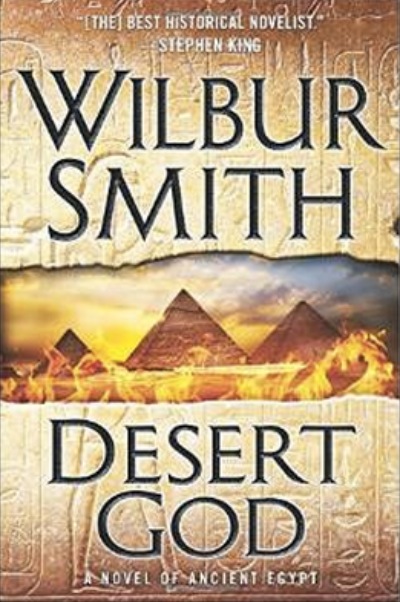
“My life is as good now as it’s ever been, if not very much better since I met Niso,” he says, and so it should be, as his Tajik-born wife is 39 years younger than he is, and startlingly pretty. They met 14 years ago, when he stalked and bagged her in WH Smith’s, catching sight of her browsing the John Grishams and directing her to the shelf groaning under his own novels. …
He has an appropriate level of modesty for a man whose books have sold more than 120 million copies – that is, minimal. …
Wilbur Smith interview for Desert God: ‘My life is as good as it’s ever been’
No, not me.
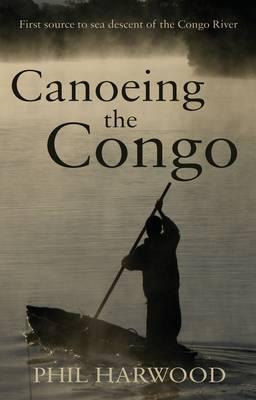 former Royal Marine Commando Phil Harwood from England.
Canoeing the Congo: The First Source-to-Sea Descent of the Congo River (2014)
His book and an amateur film “Mazungu Canoeing the Congo” document his five month adventure.
It was harrowing. I’m surprised he made it. Surprised he lived to tell the tale.
How many times did he face possible death on this journey?
Dozens of times.
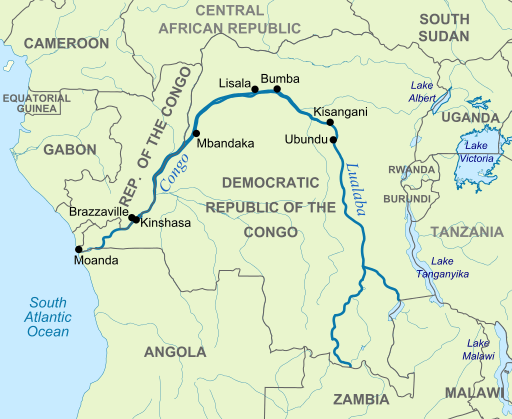
The Congo River … the world’s deepest … It is the second largest river in the world by discharge (after the Amazon). …
It looked pretty impressive from Brazzaville.
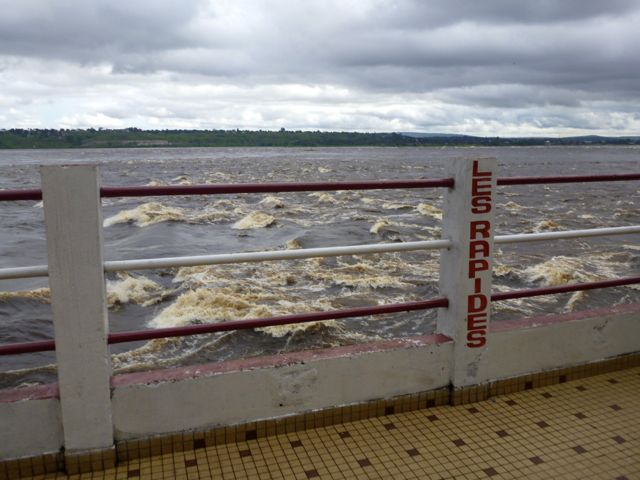
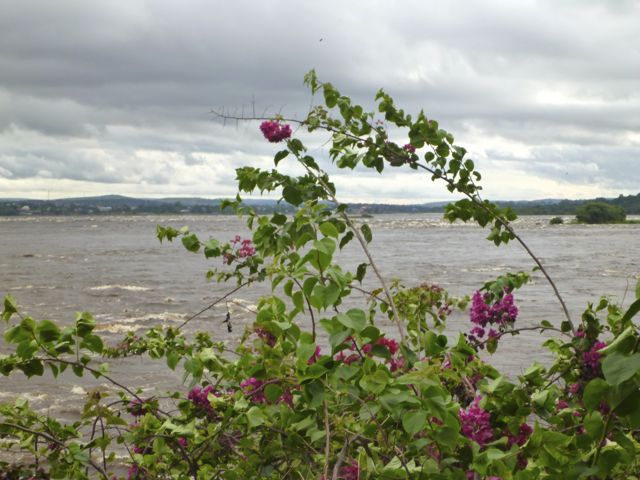
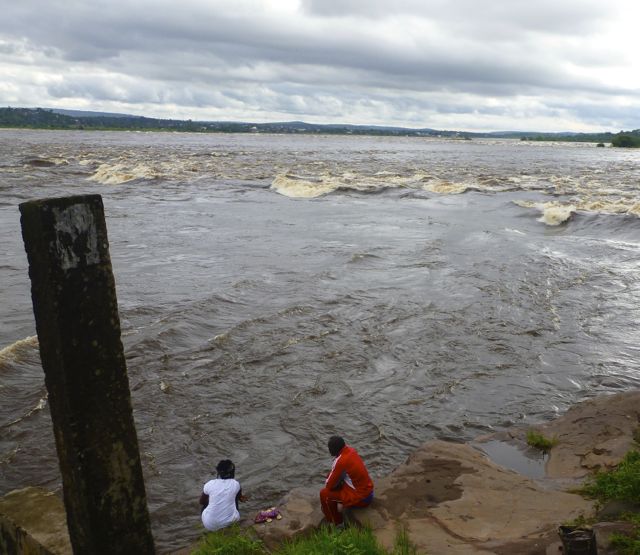
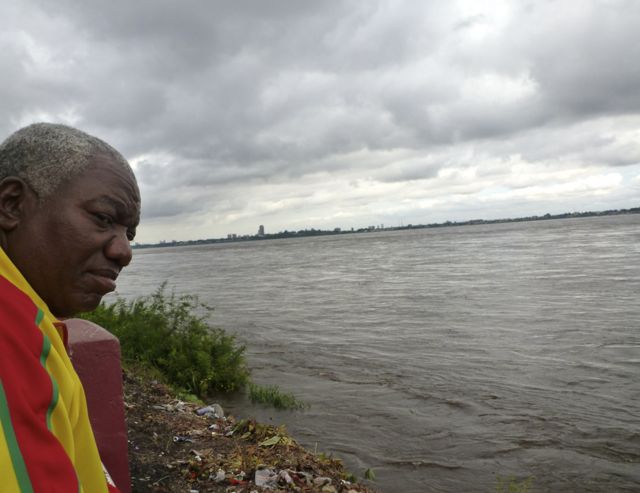
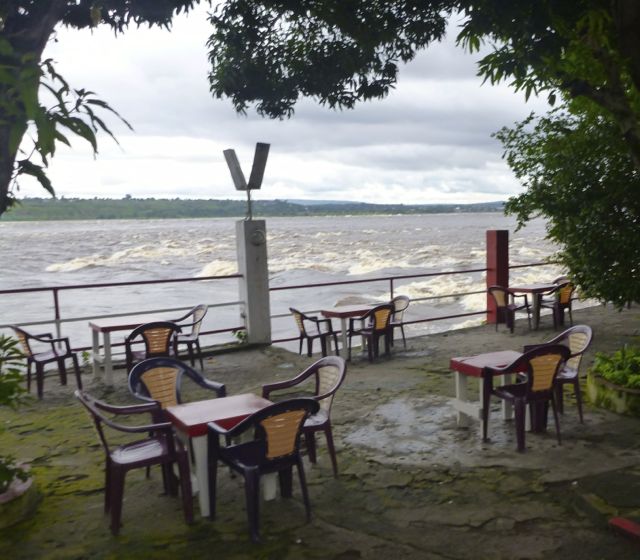
One of the very worst sections is just below the cities. Harwood put his canoe on the roof of a bus and drove around.
Not great, despite prizes and rave reviews.
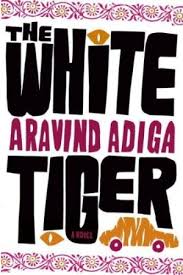
The White Tiger is the debut novel by Indian author Aravind Adiga.
It was first published in 2008 and won the 40th Man Booker Prize in the same year. The novel provides a darkly humorous perspective of India’s class struggle in a globalized world as told through a retrospective narration from Balram Halwai, a village boy. In detailing Balram’s journey first to Delhi, where he works as a chauffeur to a rich landlord, and then to Bangalore, the place to which he flees after killing his master and stealing his money, the novel examines issues of religion, caste, loyalty, corruption and poverty in India. …
I did like the vision of modernizing India as seen through the eyes of one of the poorest Indians.
But – as is the case in many prize winning novels – there is weirdness for the sake of being original.
The protagonist is writing to the Premier of China. Admitting to murder.
Why?
In order to be considered for the Man Booker. It’s stupid. Makes no sense. I won’t read his follow-up novels. 😦
I spent my 57th birthday tenting in a stone Yak shack at 4110m, close to the Tibet border in Nepal.

Next morning I scrambled up that gap towards Tilman’s Pass.
During the long, cold night cocooned in down and nylon, I listened to one of my favourite authors, Peter Matthiessen, read one of my favourite books, The Snow Leopard.
It’s his classic philosophical account of a November 1973 Nepal trek to Shey Gompa, Crystal Mountain. A spiritual journey.
If you wonder why I keep returning to Nepal, read Snow Leopard. Matthiessen is most eloquent on the joys and challenges.
J. Maarten Troost 2004
Hilarious.

At the age of twenty-six, Maarten Troost—who had been pushing the snooze button on the alarm clock of life by racking up useless graduate degrees and muddling through a series of temp jobs—decided to pack up his flip-flops and move to Tarawa, a remote South Pacific island in the Republic of Kiribati. He was restless and lacked direction, and the idea of dropping everything and moving to the ends of the earth was irresistibly romantic. He should have known better.
While his wife worked, Troost planned to write:
It would be a big book. Tolstoyan in scale, Joycean in its ambition, Shakespearean in its lyricism.
He ended up with this. 🙂
He and his stalwart girlfriend Sylvia spend the next two years battling incompetent government officials, alarmingly large critters, erratic electricity, and a paucity of food options (including the Great Beer Crisis); and contending with a bizarre cast of local characters, including “Half-Dead Fred” and the self-proclaimed Poet Laureate of Tarawa (a British drunkard who’s never written a poem in his life).
AMAZON – The Sex Lives of Cannibals: Adrift in the Equatorial Pacific
another book by Troost – Lost on Planet China
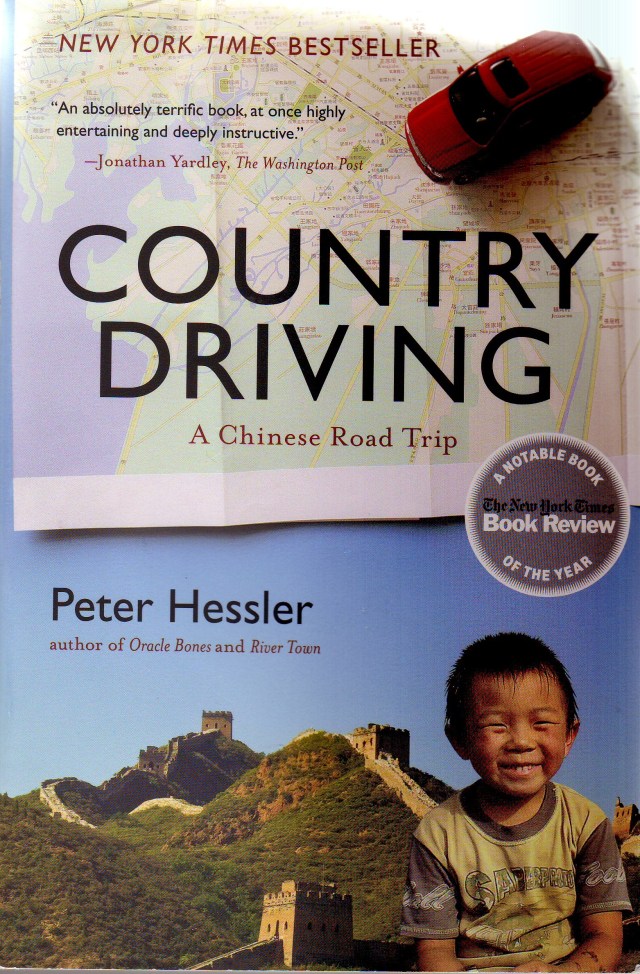
Peter Hessler (born June 14, 1969) is an American writer and journalist. He is the author of three acclaimed books about China …
River Town: Two Years on the Yangtze 2001
Oracle Bones: A Journey Between China’s Past and Present 2006
Country Driving: A Journey Through China from Farm to Factory 2010
I read his third book while in China. It’s excellent. Hessler does a terrific job of painting a picture of how China has changed since he first arrived 1996 with the Peace Core.
Emulating the USA, China built many roads before the population had cars to drive them.

Surprisingly, the stories of what happens to him while driving rent-a-cars across the new roads of the emerging nation are fascinating and informative.
Every Province is different. Every town within a Province is different. And every Chinese citizen he meets is a unique individual with their own story.
So different than the simplistic stereotypes assumed by myself and most other westerners.
In 2011, Hessler received a MacArthur Foundation “genius grant” in recognition and encouragement of his “keenly observed accounts of ordinary people responding to the complexities of life in such rapidly changing societies as Reform Era China.
Those 3 books are highly recommended for anyone visiting China.
Maura Elizabeth Cunningham, in 2010, posted a review of all the writing by foreigners who have lived and traveled in China. She rates Hessler high.
Highly recommended. The plot of the Daemon (book series) is brilliant. And important.
Picking up a few months after the end of Daemon (2009), Suarez continues his popular technothriller and SF saga.
The computer program Daemon has taken over the Internet, and millions have joined its virtual world. Now the effect is spilling into the real world as Daemon assumes control of financial institutions, and the program’s real-life converts flock to small towns to re-create a sustainable lifestyle amid the agribusiness monoculture of the Midwest. …

It would make a great movie. But nothing is in the works yet.