Are you buying meatless meat?

Cows belch methane. They are a bigger environmental problem than pigs or chicken for that reason.

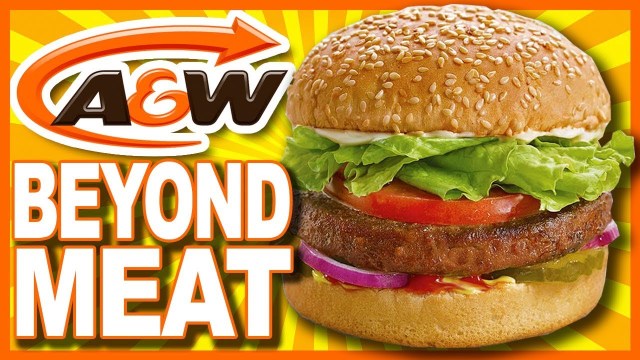
Personally I’m trying to eat less beef.  When the meatless meat came along, I rushed to try as many of those products as possible. There are two main companies out of the USA, so far.

      1. Beyond Meat
      2. Impossible Foods

So far I’m not buying their products in preference to meat. The meatless meats I’ve tried are equally good or worse, are more expensive, and are not much more healthy.

I’ll keep trying. Both companies are still changing their products to better compete. Both are now very well funded. I’d love to switch to plant-based alternatives if it was worth it for me.
If you want to know more, the best source I’ve found is the Freakonomics podcast:

The Future of Meat (Ep. 367)

Global demand for beef, chicken, and pork continues to rise. So do concerns about environmental and other costs …

The average American consumes roughly 200 pounds of meat a year. …

The meat industry is massive and complicated — and often heavily subsidized. …

The agricultural historian James McWilliams, in a book called Just Food, argues that “every environmental problem related to contemporary agriculture … ends up having its deepest roots in meat production: monocropping, excessive applications of nitrogen fertilizer, addiction to insecticides, rain-forest depletion, land degradation, topsoil runoff, declining water supplies, even global warming — all these problems would be considerably less severe” if people ate meat “rarely, if ever.” …

The United States Cattlemen’s Association welcomes the competition. More food choices are good for consumers. But they want to be sure that labeling is accurate; that  “beef” or “meat” means the product came from a walking, belching cow.

They note that Almond milk is not milk. It should be called Almond beverage.
 

The Rooster Bar by Grisham

Rooster Bar (2017) is the 25th legal thriller novel by John Grisham.

Grisham was inspired to create the story after reading an article entitled “The Law-School Scam” that appeared in The Atlantic magazine in 2014. …

I continue to be impressed with Grisham. He’s getting better as an author.

This entertaining and unpredictable plot touches on many current topics including:

  • Law School diploma mills
  • American student debt
  • Medical malpractice
  • U.S. Immigration and Customs Enforcement (ICE)
  • Corruption in Sengal

In the novel the fictional law school is based on REAL for profits like the Florida Coastal School of Law, part of the InfiLaw System of law schools owned by Sterling Partners.

Florida Coastal is ranked in the bottom 25% of U.S. law schools. About 35% of graduates — most with student debt of about $200k — found full-time long-term jobs practicing law within nine months of graduation.

Students should be very wary of signing on with InfiLaw.

Amazon

related – “The Law-School Scam,” by Paul Campos

No sympathy for Trump supporters

Here’s another article telling me I should be recognizing and caring about this Trump supporter as a human being.

But I don’t. He’s wrong. He’s unethical and immoral. If this farmer goes bankrupt due to Trump’s stupid trade war with China, he deserves it.

The same person votes against the social safety network he might one day need. You can’t fix stupid.

why are TAXES so complicated?

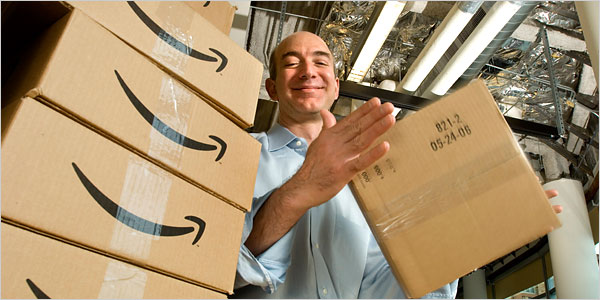
Rich people and corporations pay accountants to find every loophole. That’s why Amazon reported $11 billion of U.S. income yet claimed a federal income tax rebate of $129 million.

Complicated systems benefit the rich, make those of us who don’t hire accountants pay.

Click PLAY or watch it on YouTube.

That’s in the USA.

For my low income and simple return, I’ve never been upsold by online software. I use SimpleTax Canada and have been very happy.

related – Elizabeth Warren has a great idea for making Tax Day less painful
You shouldn’t have to file your taxes. The government should do it for you.

Lyft or Uber?

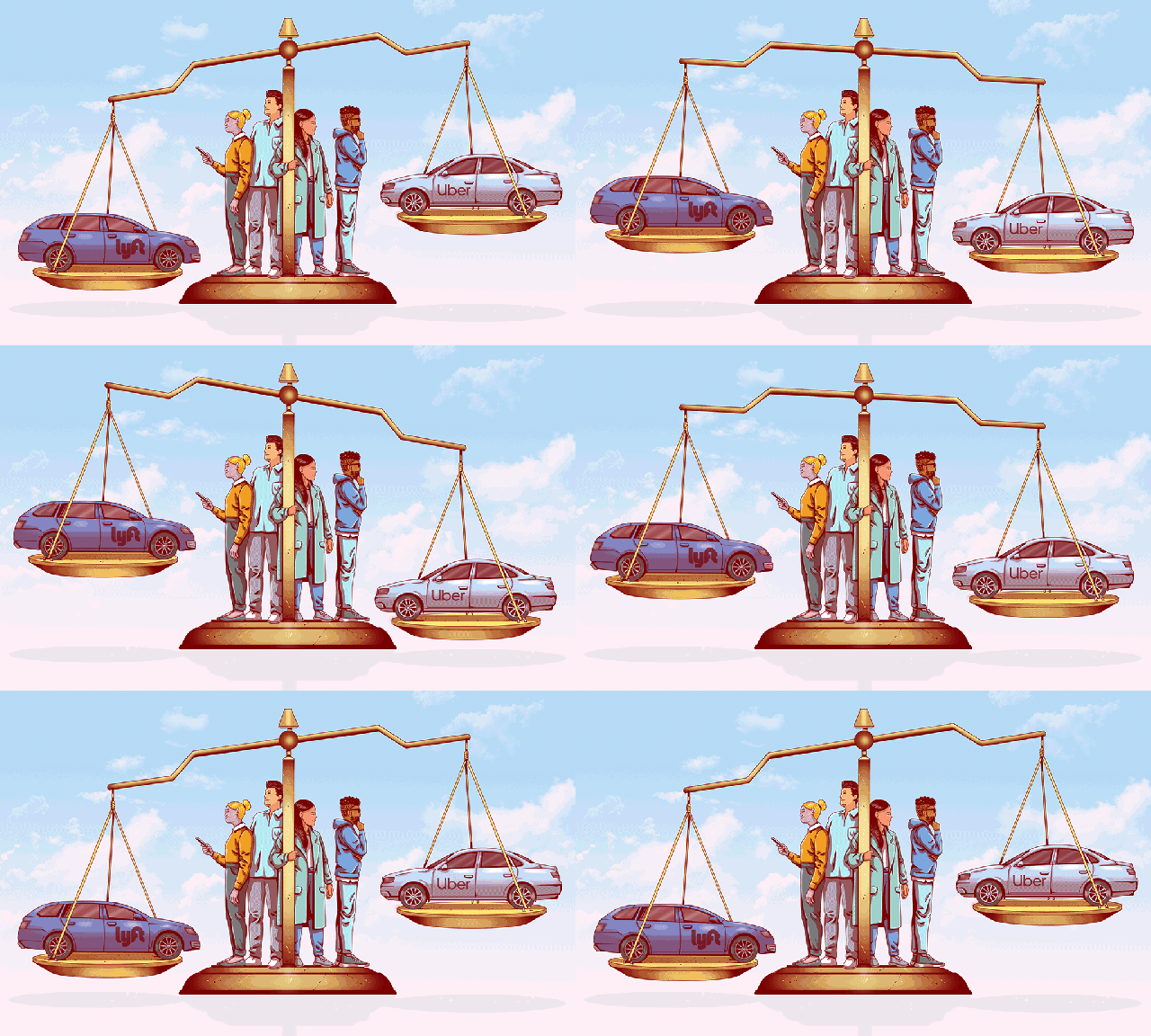
Cool kids like Lyft better. But Uber is far more available in far more places.

While both services look identical, there are major differences. Uber is richer in features and available in more cities. Yet Lyft is more transparent in its receipts about the details of a trip …

In terms of ride-summoning features, Uber wins hands down.

The verdict: Lyft wins, in part for greater transparency.

The verdict: Frequent riders will benefit more from Uber’s rewards program, which is more comprehensive and compelling.

What about reputation?

The verdict: Though neither company is innocent, Lyft wins by a long shot.

Where Uber and Lyft are available

Uber has an advantage because of its broad availability worldwide. The company, which has operations in 63 countries, is a behemoth compared with Lyft, which is available in just the United States and Canada.

Uber vs. Lyft: Which Ride-Hailing App Is Better?

COMPETITION improves the world

Corporations want to be monopolies. Then raise prices as high as they want.

Consumers want competition.

Sadly there’s LESS competition today than in the past. At this rate Amazon will have all the money.

  • Four have 70% of airline flights. (hat tip: The Economist)
  • Four companies control 66% of U.S. hogs slaughtered in 2015, 85% of the steer, and half the chickens. (h/t Open Markets Institute)
  • Four companies control 85% of U.S. corn seed sales, up from 60% in 2000.
  • Three companies control about 80% of mobile telecoms.

Axios

I MIGHT support governments breaking up some of the largest corporations, even if it’s for the wrong reasons.

Hilton is getting into hostels

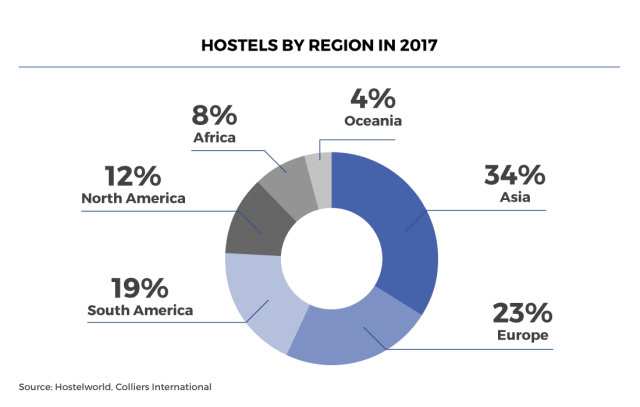
I’ve stayed in many hundreds of different hostels around the world. I like them much better than hotels. 

Cost in 2018 runs about $15 / night for a bunkbed. $35 / night for a private room. 

Most of the best I can recall were in New Zealand. The worst in North America.

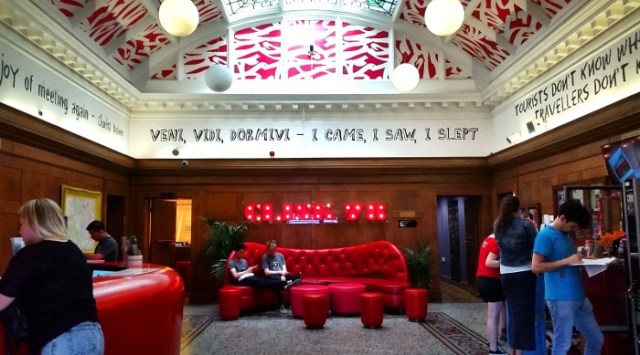
One of the new upscale chains is called Clink. I recently tried to book at Clink London but it was booked out for weeks.

Click PLAY or watch it on YouTube.

Happily we are soon to have more and better hostels. Companies like the Hilton chain are getting into the low end market.

… Private rooms are much more common than they once were and some of the properties are starting to mirror the design-led approach of boutique hotels. …

There’s even a debate about using the word hostel itself with many of those making the most noise preferring to use terms such as “hybrid,”  “open house” or poshtel instead. …

Hostels or youth hostels aren’t a new phenomenon. The movement goes back to Richard Schirrmann, a German teacher who founded the first one in 1912. …

“We see a massive demand in America and there is no supply, actually… and this is why we also, absolutely, think it’s the right time to step into the U.S. market,” Spanring said. …

The Big-Money Reinvention of the Humble Hostel


Best of the best for me are bunk beds … but bunk beds that are privacy pods.

the BUSINESS of American Politics

I’ve followed politics in the USA since G.W. Bush was elected a second time in 2004. I had one question:

Why are so many Americans so stupid?

And why are Americans so close to a 50/50 split in so many elections.

Here’s one possible explanation. Many, MANY make a lot of money when American elections are close: lobbyists, consultants, media, broadcasters. They have incentive to try to keep it close.

In the most recent two-year election cycle, the political industry generated roughly $16 billion in revenue. Meanwhile, customer satisfaction — that is, from voters — is at a historic low. (Photo: Bill Pugliano/Getty)

Freakonomics audiocast:

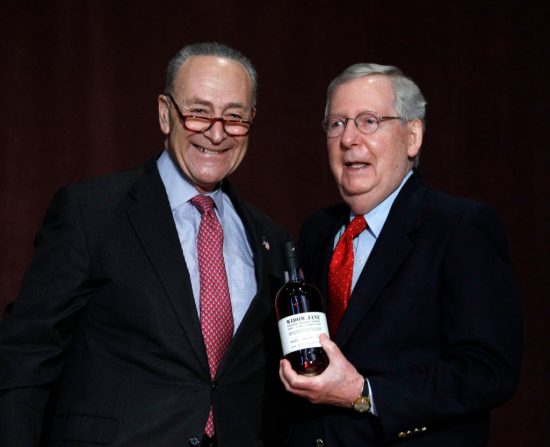
Some say the Republicans and Democrats constitute a wildly successful industry that has colluded to kill off competition, stifle reform, and drive the country apart.

America’s Hidden Duopoly (Ep. 356)