Ethiopian food

Tourists like Ethiopia. Many LOVE Ethiopian food.

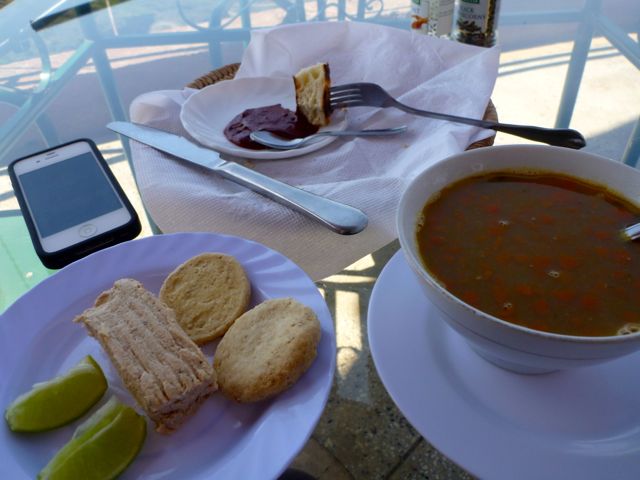
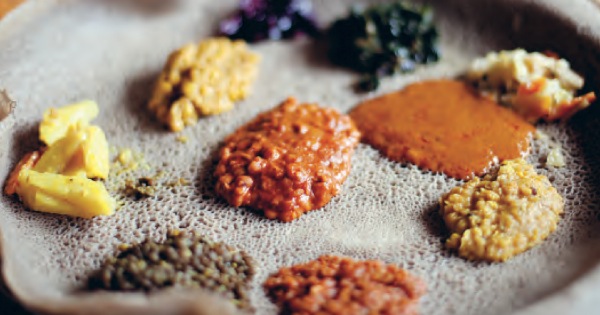
Ethiopian cuisine characteristically consists of vegetable and often very spicy meat dishes, usually in the form of wat, a thick stew, served atop injera, a large sourdough flatbread, which is about 50 centimeters (20 inches) in diameter and made out of fermented teff flour.

Ethiopians eat exclusively with their right hands, using pieces of injera to pick up bites of entrées and side dishes. Utensils are rarely used …

Ethiopian food

Meat along with vegetables are sautéed to make tibs. Tibs is served in a variety of manners and can range from hot to mild or contain little to no vegetables. There are many variations of tibs, depending on type and size or shape of the cuts of meat used. …
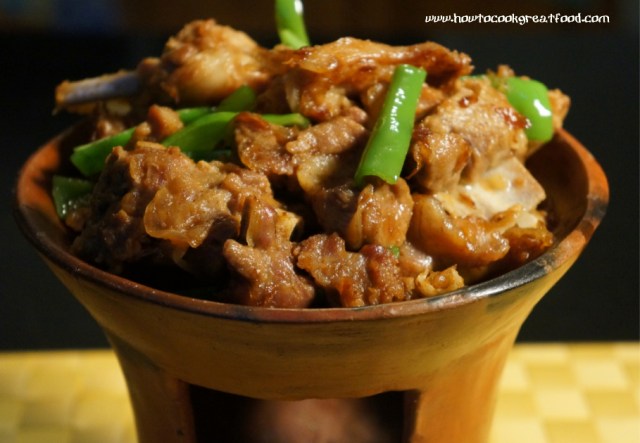
ethiopian-food-tibs-recipes-goat-feyell

I enjoyed Ethiopian food, being completely ignorant of the unique cuisine before traveling there.

My favourite, however, was Ethiopian coffee. 🙂
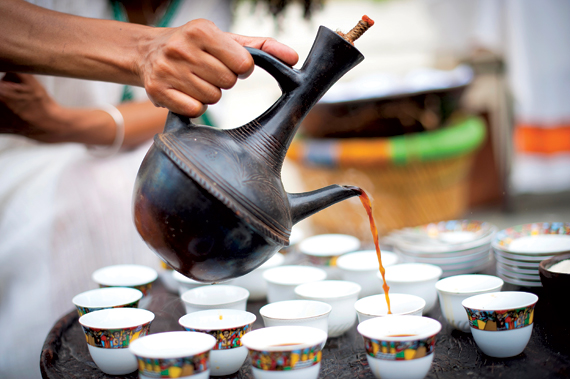
coffee

related – Lonely Planet – Ethiopian food for beginners

Red Terror Museum, Ethiopa

The Ethiopian Red Terror, or Qey Shibir … was a violent political campaign in Ethiopia and Eritrea that most visibly took place after Communist Mengistu Haile Mariam achieved control of the Derg, the military junta, on 3 February 1977.

It is estimated that between 30,000 and 500,000 people were killed over the course of the Red Terror. …

Mengistu was found guilty of genocide in absentia and was sentenced to life in prison in January 2007. After his conviction, Zimbabwe, where he received sanctuary due to friendship with Robert Mugabe, said it would not extradite him. …

The Red Terror Martyrs Memorial Museum in Addis is the #1 tourist attraction.

It’s sobering.

red-terror-martyrs-memorial

The museum is well laid out and incredibly moving. Nothing more so than the walls of photos and names of just some of the estimated half a million killed under the Derg, or the display cabinets filled with human remains dug out of mass graves. Some of the skulls and other bones are displayed alongside a photo of the victim and personal artefacts they had on them when they died. …

Lonely Planet

There’s very little reason, aside from this museum, for tourists to spend many days in Addis Ababa. It’s a dusty construction nightmare right now.

I’d like to return some day, but only after the new Addis Ababa Light Rail opens.

It looks great. Addis Ababa’s rail project keeps Ethiopia on track for transformation.

Even more ambitious is the new Grand Ethiopian Renaissance dam. Ethiopia’s Nile dam project signals its intention to become an African power.

I wish them luck.

Lalibela rock-hewn churches

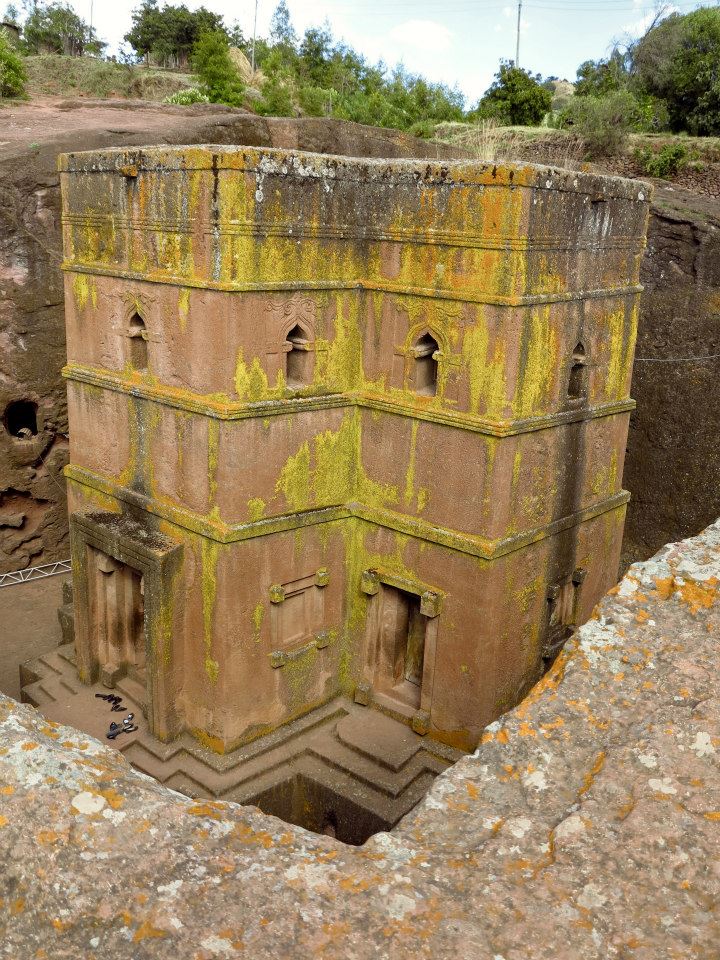
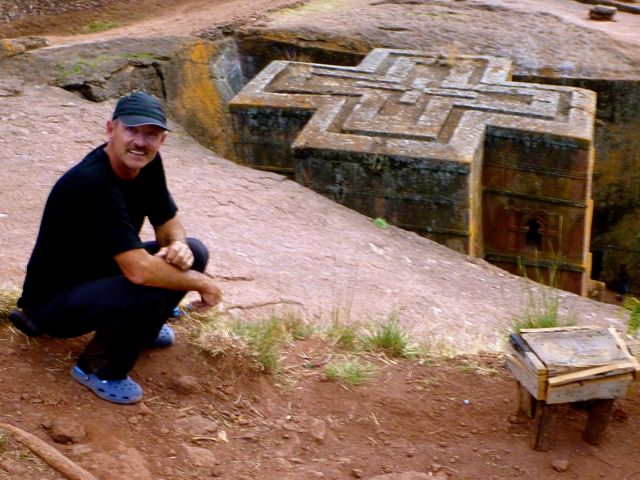
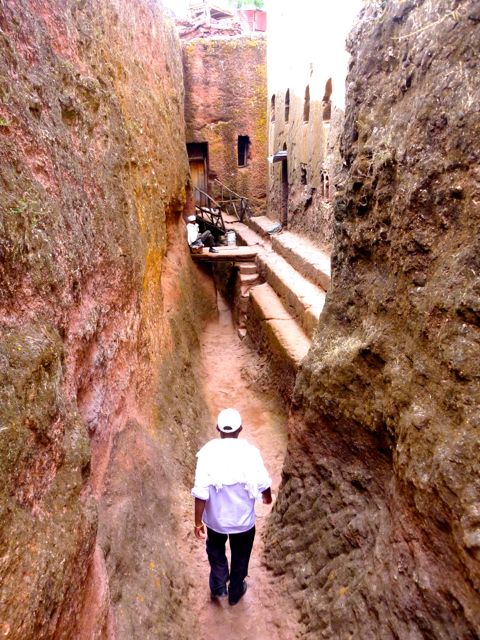
Lalibela 2,600m (8,500ft) is a rural town of 15,000 people on a stunning escarpment in the eastern highlands of northern Ethiopia. It is famous for rock-cut architecture churches hewn from living rock, most built more than 900 years ago. They were declared a UNESCO World Heritage site in 1978.

King Gebre Mesqel Lalibela wanted to create a “new Jerusalem” in Africa. The layout and names of the major buildings are accepted by the local clergy to be a symbolic representation of Jerusalem. The town’s river is known as the River Jordan.

Of the 11 churches, St George’s is considered the masterpiece.

photo by Victor Watt

P1340258

I was pleased to finally see the churches, yet wasn’t blown away.

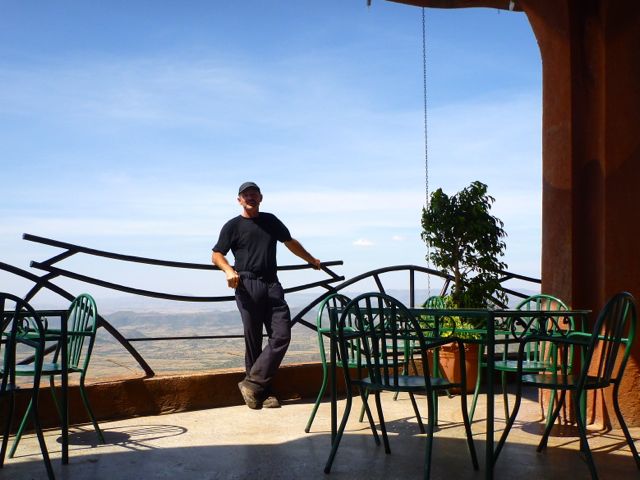
In fact, my most memorable highlight of Lalibela is a weird restaurant.

The churches are sometimes compared with Jordan’s Petra. Sometimes with the amazing Kailasa temple at Ellora in India. Lalibela is more impressive.

Nobody likes the ultramodern protective roofs added a few years ago to most of the 11 churches.

P1340318

Cost of entry is $50, high most agree. I hired a guide ($40 for 6 hours over 2 days). That’s not mandatory, but recommended. Guides at Lalibela are not all that great, I found.

P1340237

They go through the motions without much passion. A priest in training at the attached museum was excellent, however.

This slideshow requires JavaScript.

Ben Abeba restaurant, Ethiopia

Wikivoyage:

Whimsical looking (Gaudi meets Mad Max) restaurant that was planned by a Scots woman, Susan, and her Ethiopian business partner, Habtamu, and opened in October 2011. It has a gob-smacking location on a little hillock standing on a rock promontory to give in-cre-di-ble 360 degree views and is surrounded by rock gardens and flowers (Ben means hill in Scots Gaelic and Abeba means flowers in Amharic).
P1340337

P1340192

The menu is one of the most imaginative in Ethiopia (you should try the tuna pate drizzled in lemon juice with tiny home-made oatcakes and their savoury home-made bread is delicious) and reasonably priced.
P1340193

Get up early and go to Ben Abeba for breakfast to see the sun rise over the valleys. This is a terrific spot for watching brightly coloured weaver birds investigating the variegated seed sources in this restaurant’s garden and you are on the same level as soaring birds such as lammergeier, falcons and eagles. …

Trip Advisor – Ben Abeba:

“Worth travelling to Ethiopia just for the experience”

You meet other visitors at night around the campfire. 🙂

P1340274

more photos

Gelada baboons, Ethiopia

I hiked the Simien mountains in northern Ethiopia with Joshua and Nadine from Edmonton. They are nurses living in Africa for the past 2 years, putting together a rural Health Clinic in Burundi.

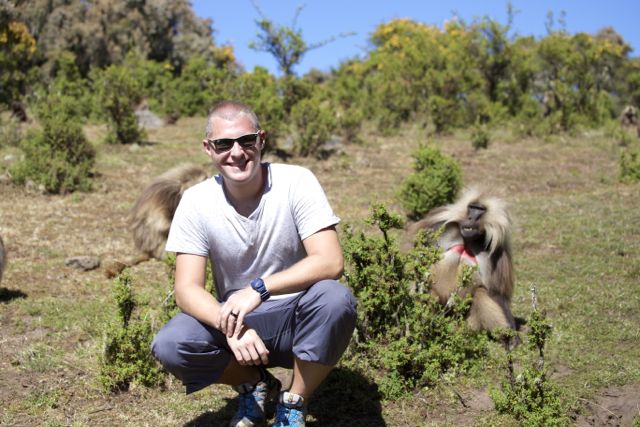
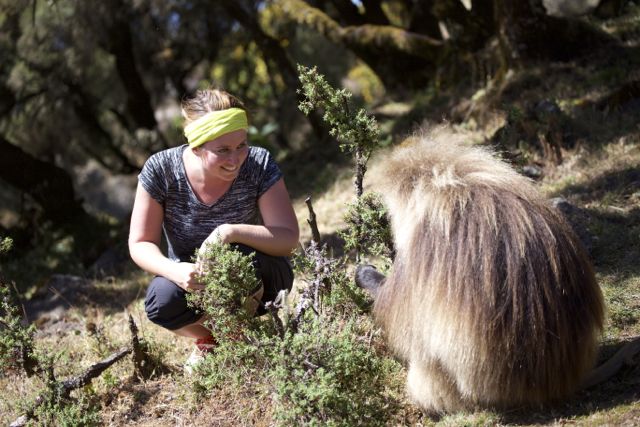
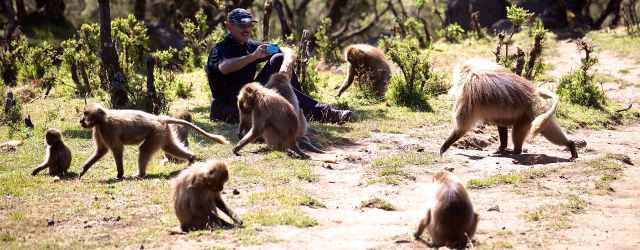
The biggest highlight was hanging out with Geladas, the friendliest simians anywhere.

Simien - Josh and Nadine-28

Simien - Josh and Nadine-26

Protected and not endangered, these grass eaters are comfortable with people coming close. A few of the curious babies reached out and almost touched us.

Simien - Rick baboons

Here are more of Josh and Nadine’s photos.

This slideshow requires JavaScript.

I posted high resolution versions of those on my flickr.

my last Gondar photos

A former capital of Ethiopia for over a century, the population today is about 200,000.

Gondar map

A welcome change from polluted, dusty Addis, most everyone likes Gondar. It’s at high altitude in the highlands, warm in the day, cold at night.

P1330314

The population is 83% Ethiopian Orthodox Christianity, 16% Muslim.

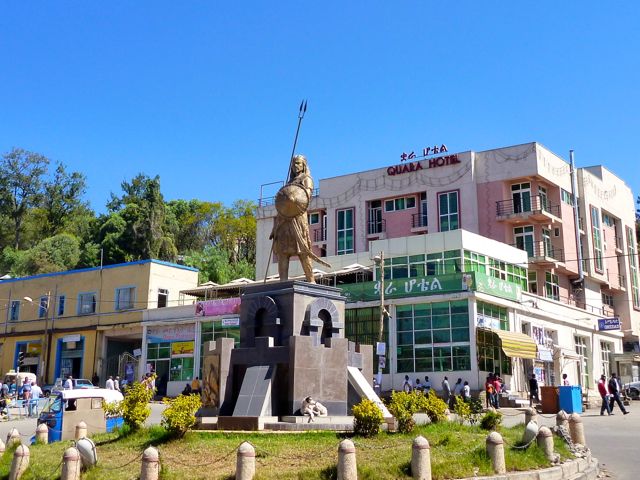
The center of the widely sprawling town is this statue of warrior emperor Tewodros II (ruler from 1855 to 1868). Tourists are hassled a fair bit here but not much anywhere else in Gondar.

P1330273

I was very happy at the L-Shape hotel. $16/night.

P1330264

Yep. The shape of that hotel is perfectly rectangular. 🙂

During the Second World War, Italian forces in Ethiopia made their last stand in Gondar November 1941. Addis Ababa had fallen to British forces 6 months before.

I was here to visit the Royal Enclosure, some of the best historical ruins in Africa.

Gondar is the jumping off point for the Simien trek, 3hrs further north.

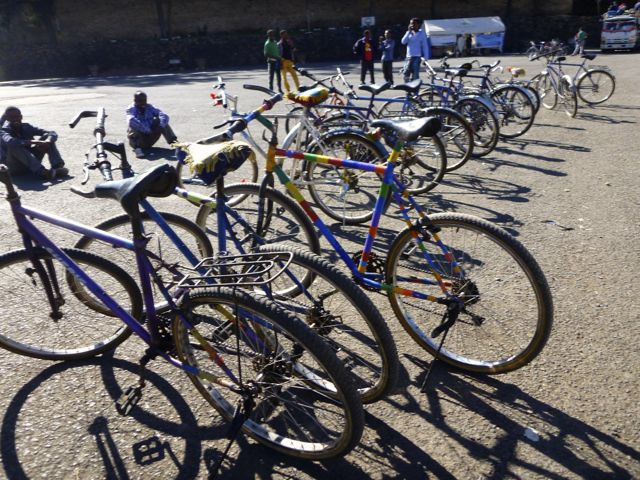
There are surprisingly few bicycles in Ethiopia. Those who own one can bring them here, then RENT them to those who want to cycle around the parking lot.

P1330321

Gondar is also a noted center of ecclesiastical learning of the Ethiopian Orthodox having 44 churches – for many years more than any other settlement in Ethiopia.

P1330410

P1330326

Most of the imagery shows Jesus and Mary whiter than me. A shame.

P1330420

Pilgrims, the poor, homeless and dying hang about the Churches.

P1330333

I wasn’t sure if this man was drunk, sleeping or dead.

P1330414

Farewell Gondar.

P1330277

P1330280

P1330494

P1340181

more photos

Timkat in Ethiopia

Timkat (Amharic: “baptism”) (also spelled Timket, or Timqat) is the Ethiopian Orthodox celebration of Epiphany. …

Timket celebrates the baptism of Jesus in the Jordan River. This festival is best known for its ritual reenactment of baptism …

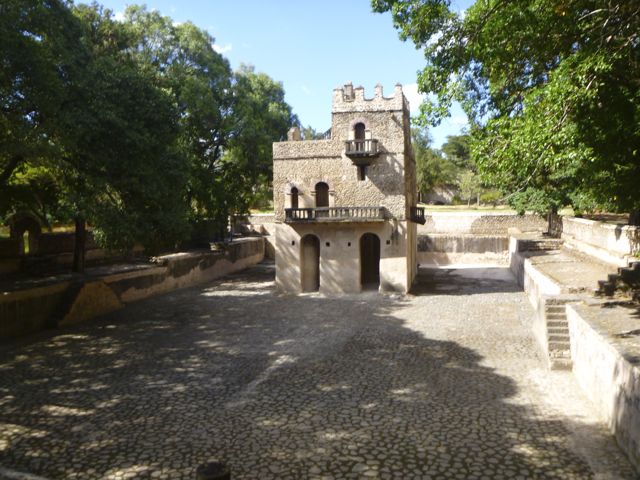
Fasilides' Bath in Gondar, Ethiopia
Fasilides’ Bath in Gondar, Ethiopia

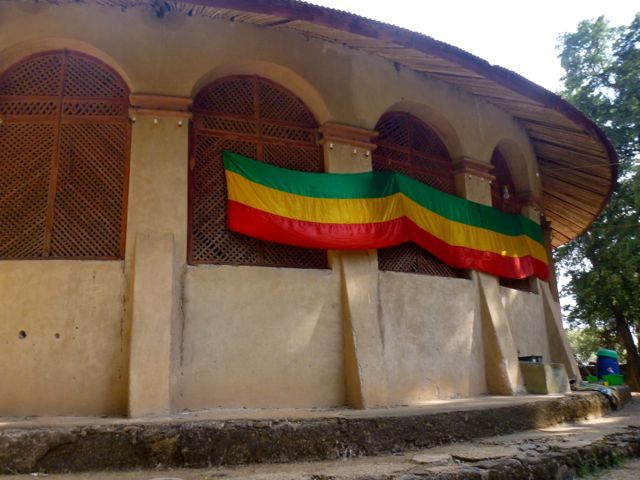
It is celebrated in January, right after Christmas, two of their biggest festivals back-to-back. Fasilides’ Bath is one of the very best places to see it.

I visited the ruins in December. No water. It was pretty quiet.

P1330453

P1330432

P1330437

P1330438

P1330439

P1330441

P1330445

P1330450

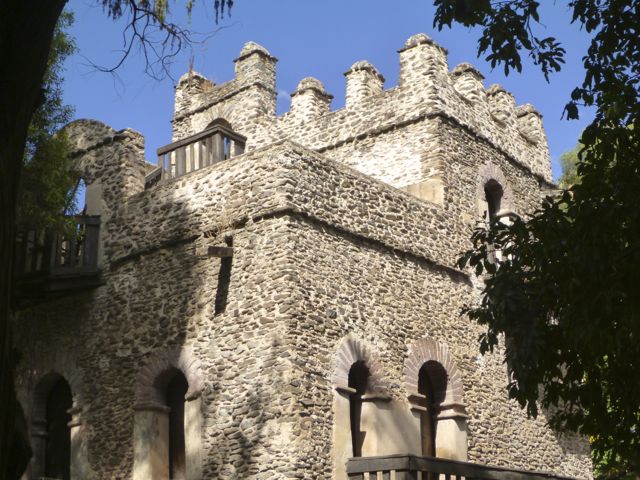
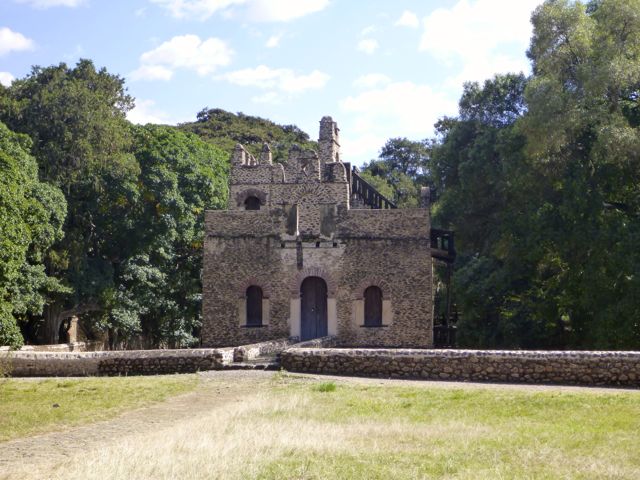
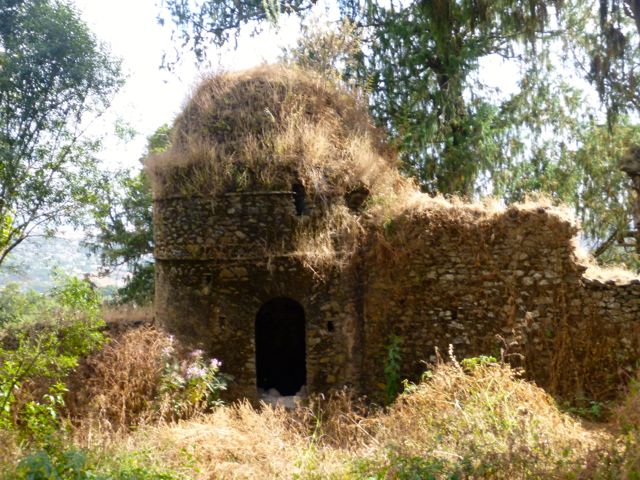
Empress Mentewab’s Castle

Ethiopian Queen.

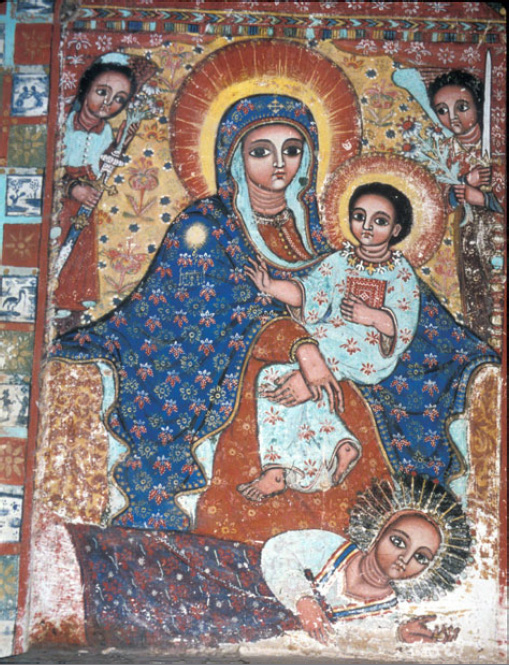
Mentewab laying prostate at Mary's feet
Mentewab laying prostate at Mary’s feet

Mentewab was a major political figure during the reigns of her son the Emperor Iyasu and grandson Iyoas. …

Mentewab married Emperor Bakaffa in Qwara 6 September 1722, becoming his second wife (his first wife having mysteriously died on the day she was crowned immediately following her coronation banquet). …

Empress Mentewab was crowned co-ruler upon the succession of her son Iyasu II in 1730, and held unprecedented power over government during his reign. …


P1340135She was quite a character.

From 1723 to 1730 she lived in this Palace, some distance away from the Royal court. She liked men too much, they say. Some speculate that she was removed to reduce Royal gossip.

Scottish traveller and travel writer James Bruce discovered more than just the source of the Blue Nile when he visited Mentewab.

P1340158

P1340161

P1340169

P1340138

P1340150

P1340152

P1340153

P1340154

more photos

4 Sisters Restaurant, Gondar

Wow.

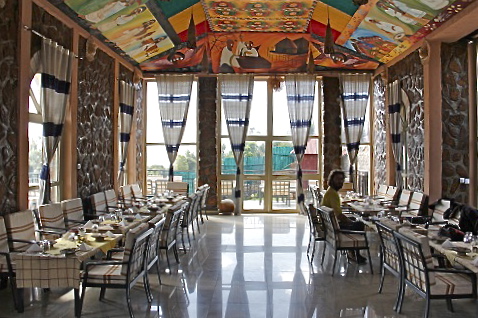
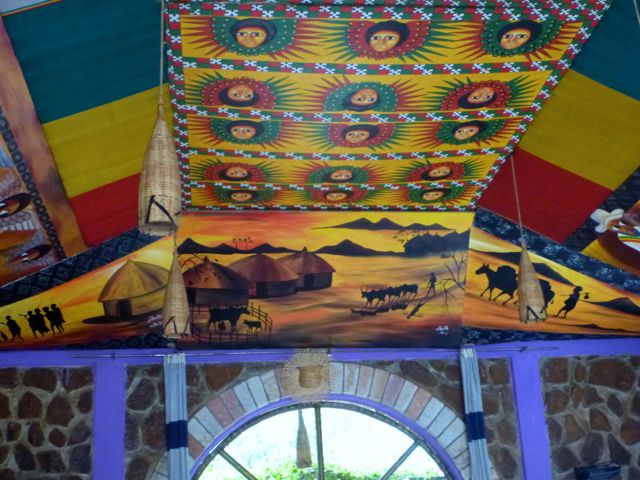
Opened July 2011, this is one of the best restaurants I’ve ever seen in the developing World.

inside

The Four Sisters: Helen, Senait, Tena, and Eden. No foreign partners.

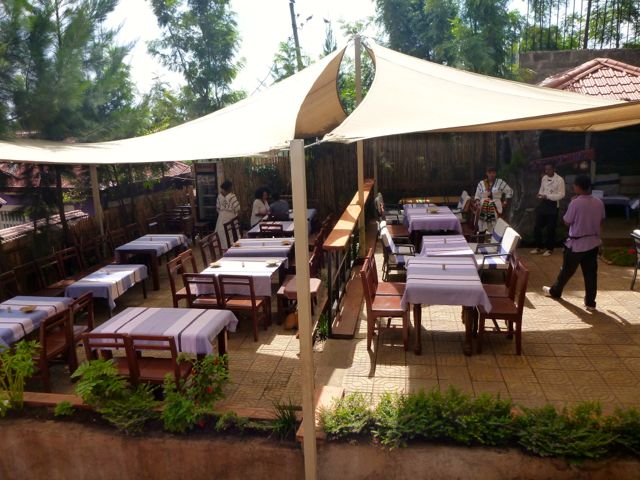
Staff wears traditional dress during the day, then changes to new dress for the evening.

You are welcomed at the gate by a bugle man who alerts staff that you are on your way.

I had the lunch buffet one day. And our trekking group celebrated with dinner there another.

P1340127

P1340131

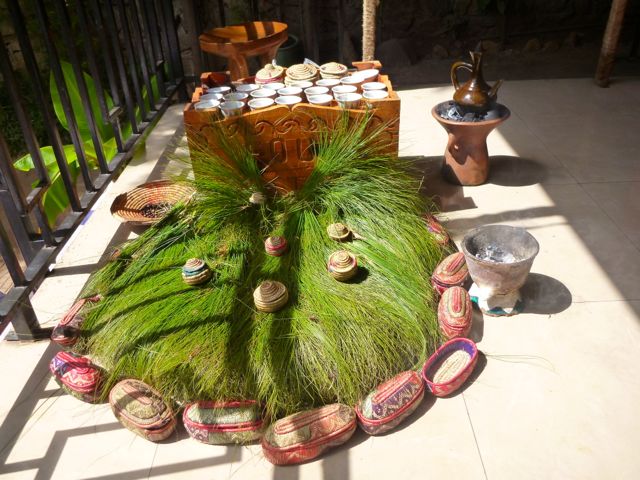
traditional Ethiopian coffee service

Fantastic.

Trip Advisor

TheFourSistersRestaurant.com

Castles of Gondar, Ethiopia

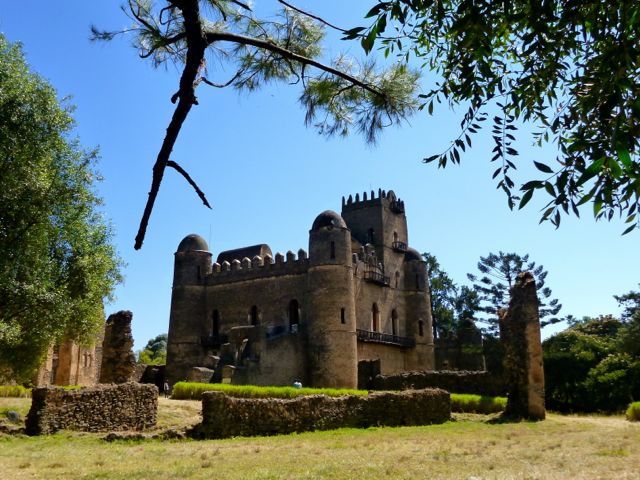
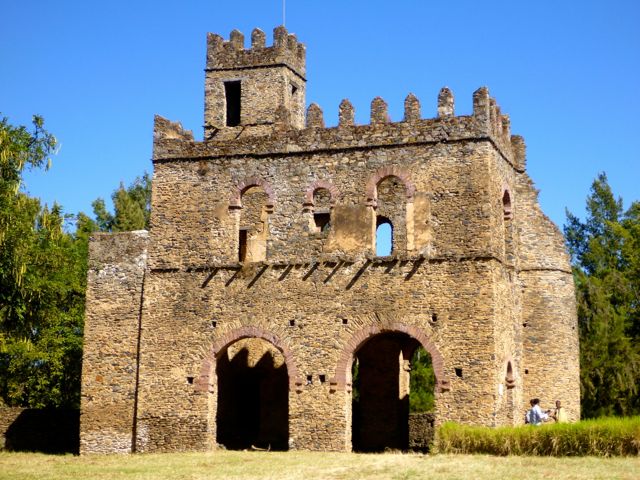
Gondar was the home of the Ethiopian emperors in the 17th and 18th centuries.

Price of entry is $10, a big increase over just a few years ago. Money well spent, I thought, as was my additional $10 (plus tip) for a personal guide. Fautalwn was excellent, making the bizarre and exotic story of the Gondar emperors come alive.

He suggested I return late afternoon for the best photos.

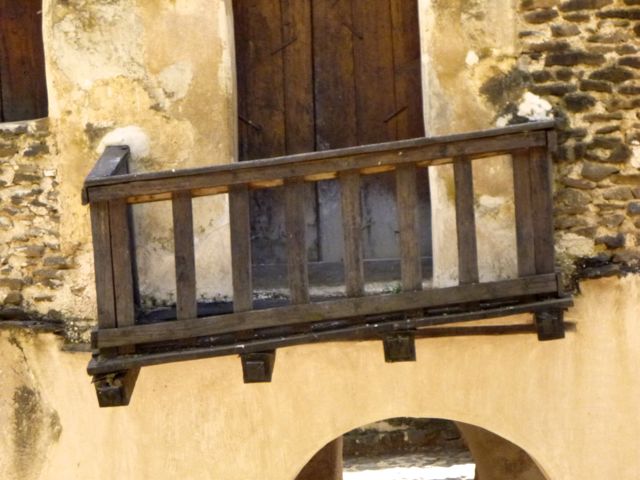
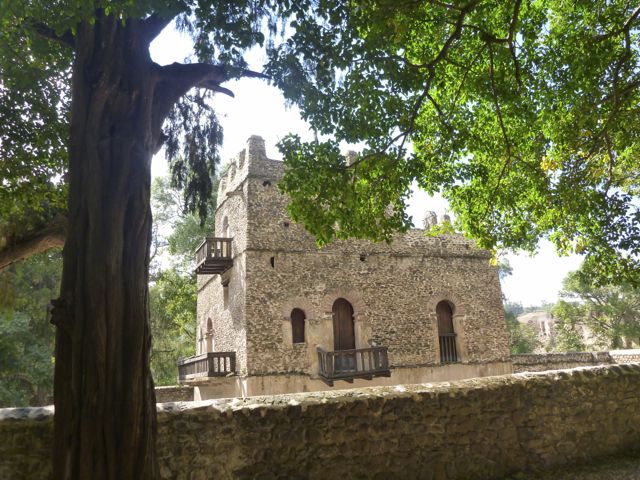
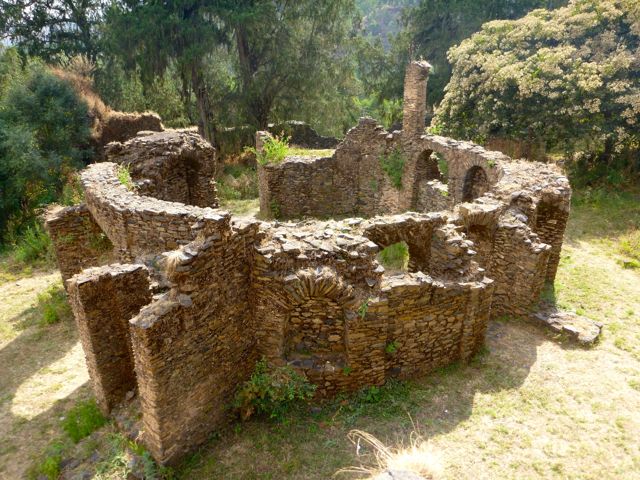
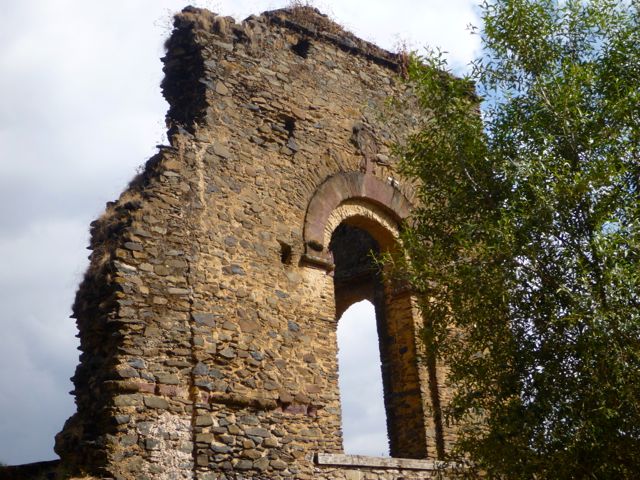
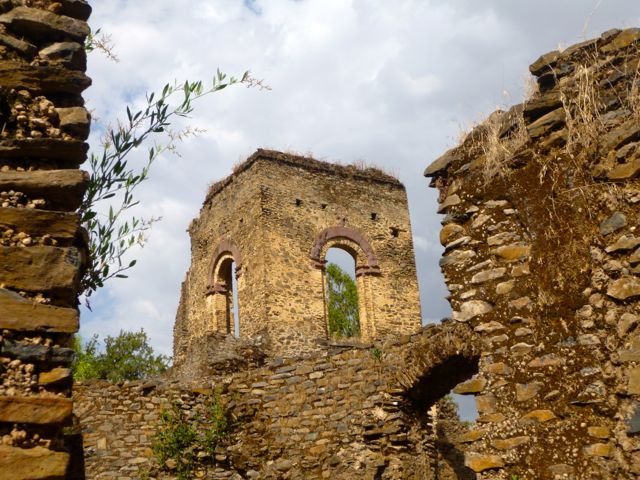
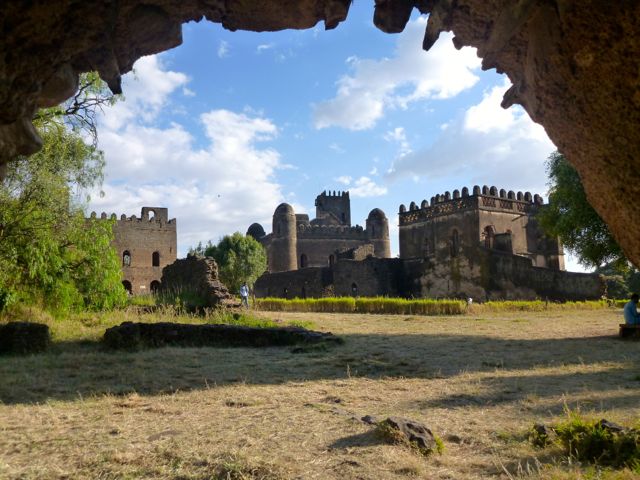
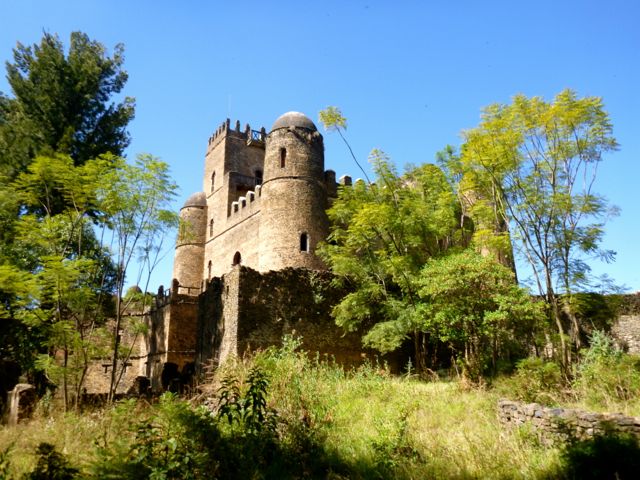
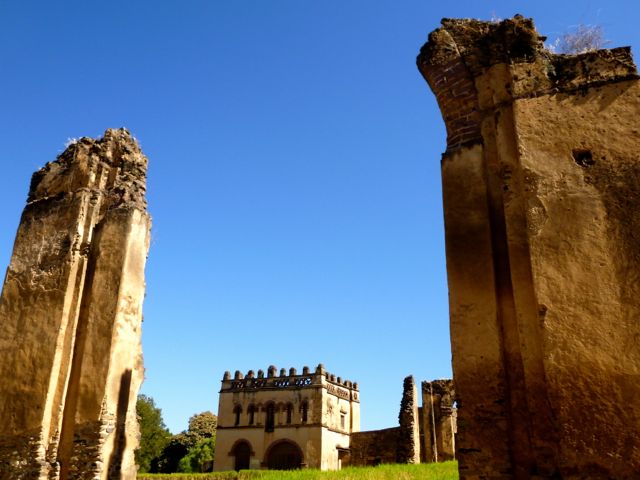
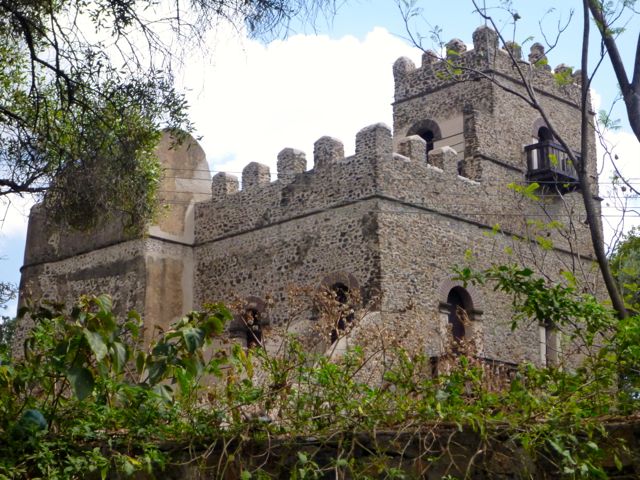
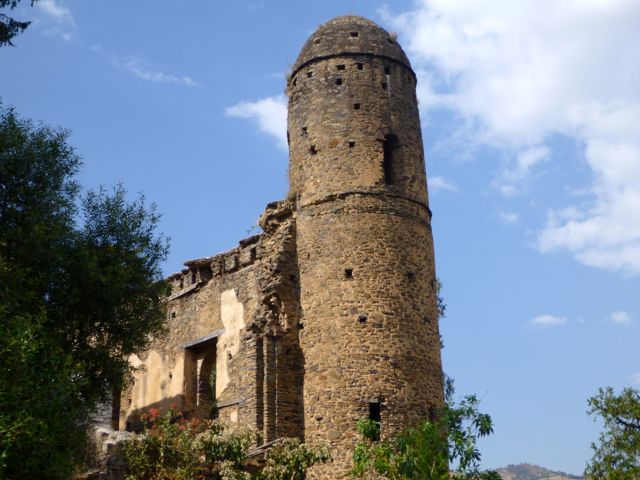
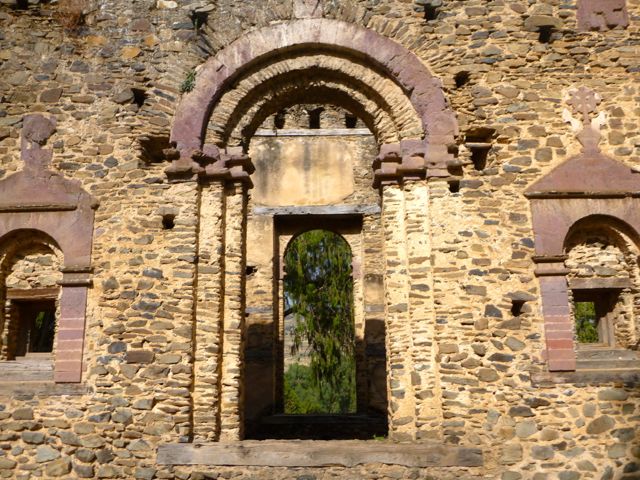
P1330464These are the picturesque ruins of Fasil Ghebbi (Royal Enclosure).

P1330467There are disappointingly few historical ruins in Africa. This is one of the best. It is on the UNESCO World Heritage List.

Banqueting hall, stables, kitchens, steam baths and chapels. Even lions’ cages (now vacant).

P1330483

P1330484

P1330368P1330482
Renovations are ongoing. The ladies are mixing the same lime that was used in the original construction. Part of the process is buying the crushed stone for 3-5 years.

P1330380

P1330391

P1330392

P1330406

P1330460

P1330338

P1330340

P1330358


P1330315

P1330337more photos