Trivia ➙ she dated her Bohemian Rhapsody co-star Rami Malek from 2017 to 2023.
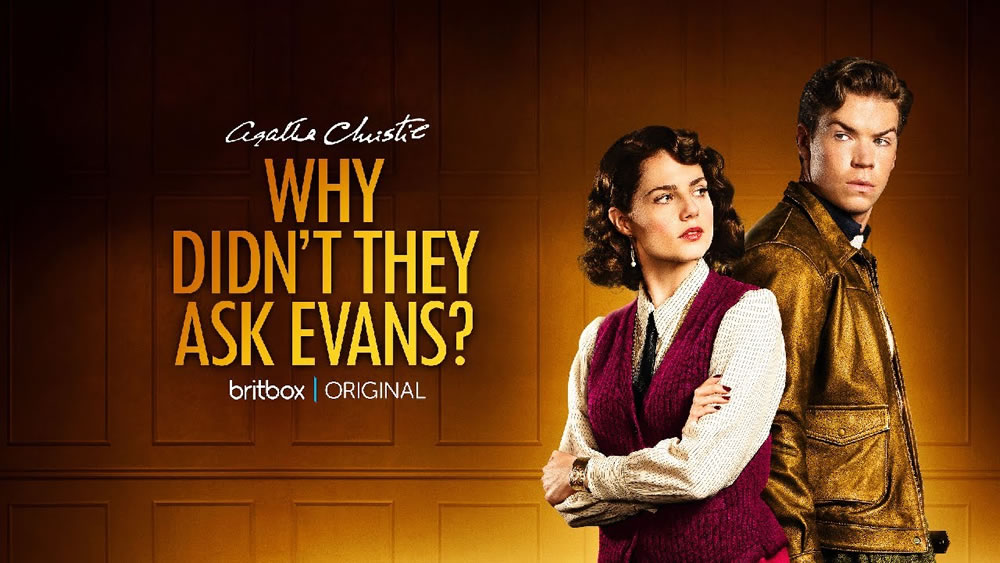
The book is a non-Marple, non-Poirot Christie, which gives the writer adapting it some freedom.
The mystery hinges on the cryptic question of the title – why didn’t they ask Evans? – pronounced by a dying man, after a fall from the cliffs on a north Wales golf course.
Bobby and his friend Lady Frances Derwent have adventures as they solve the mystery of the man’s last words.
The three-part series became available on BritBox on April 2022.
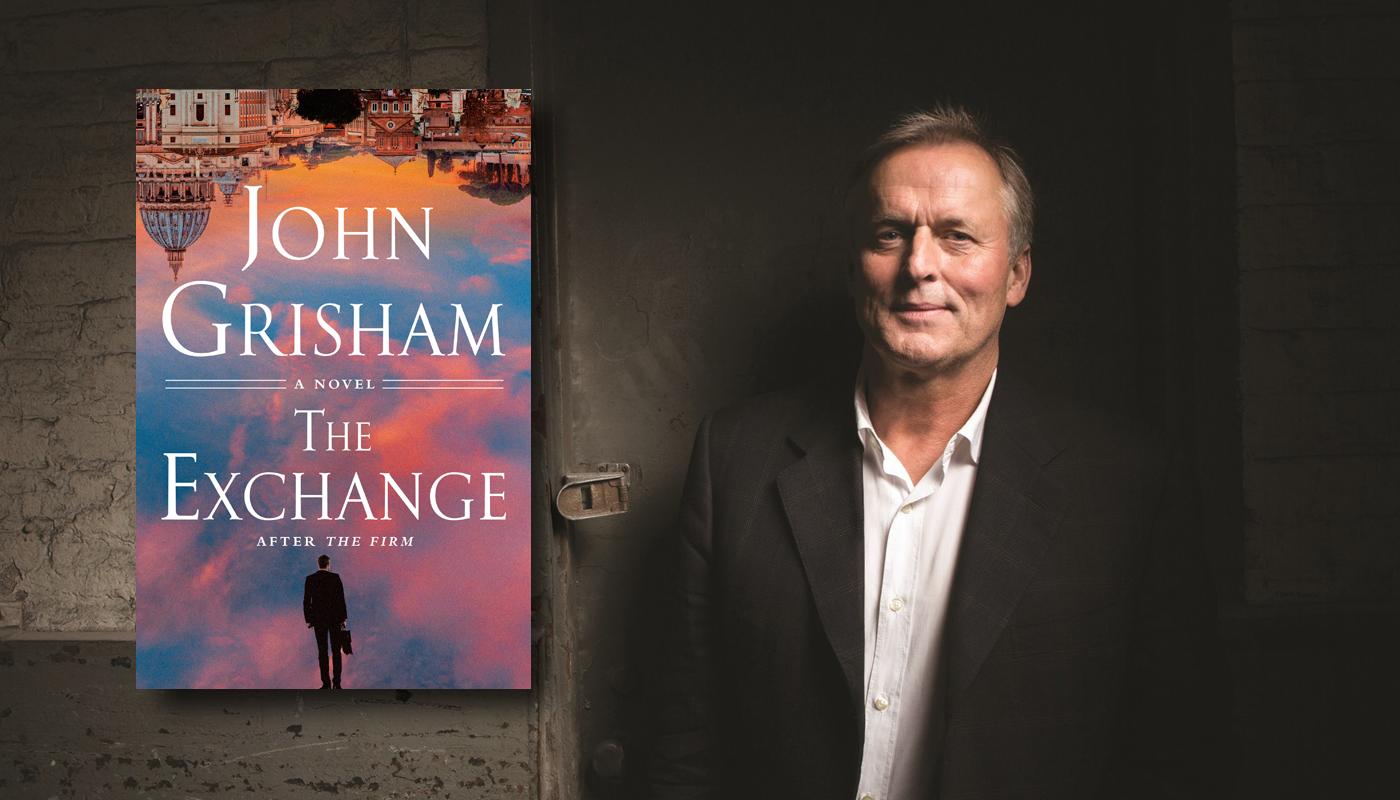
The Exchange (2023) — Grisham’s 49th book — is supposed to be a sequel to The Firm (1991) — his 2nd book — but can certainly be read as a stand alone novel.
I liked the book, as always, but it’s — perhaps — not as good as most of the rest.
The big issue ➙ whether or not to pay kidnappers.
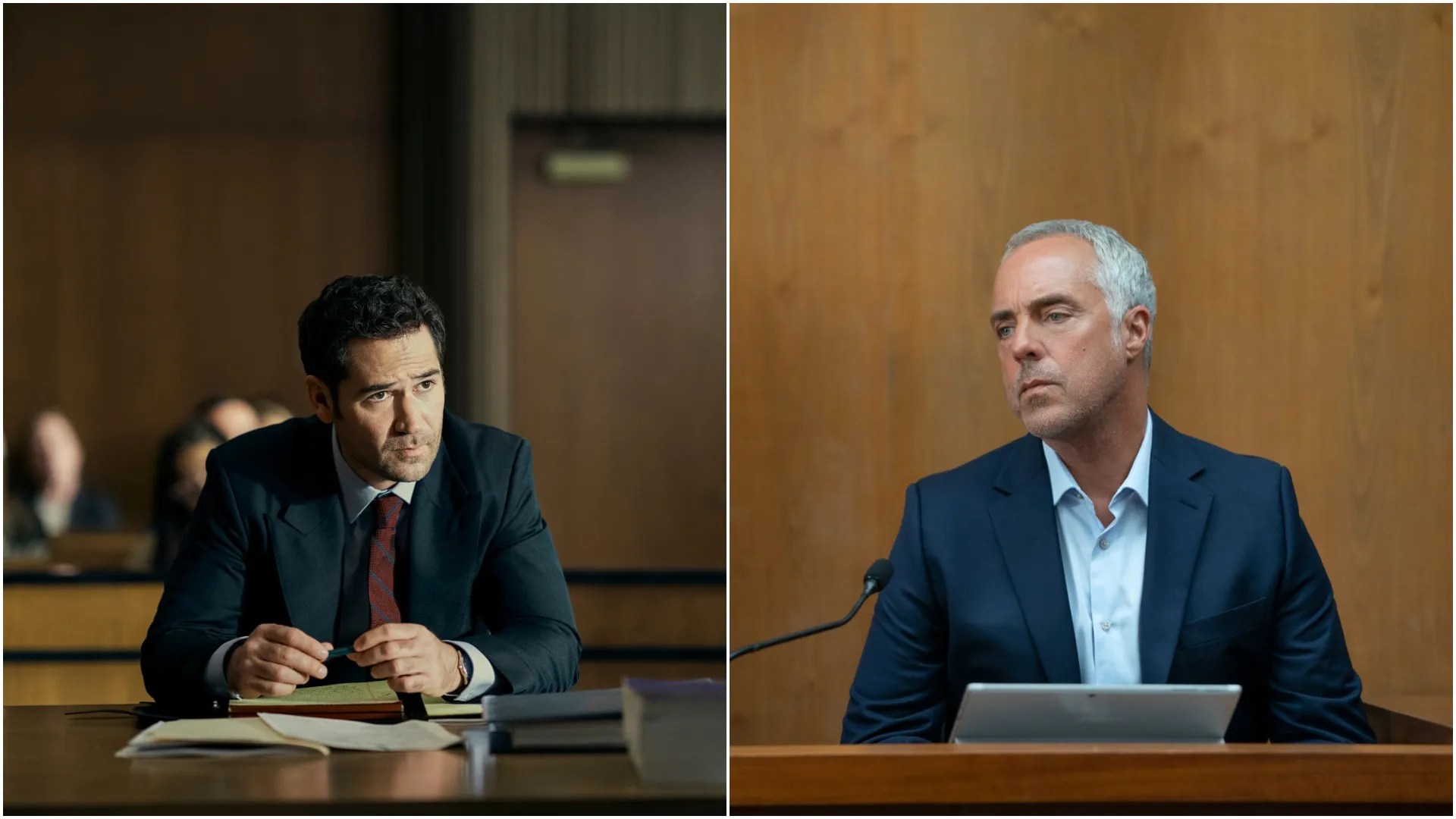
Mitch and Abby are living in Manhattan, where Mitch is a partner at the largest law firm in the world.
When a mentor in Rome asks him for a favor that will take him far from home, Mitch finds himself at the center of a sinister plot that has worldwide implications—and once again endangers his colleagues, friends, and family.
Mitch has become a master at staying one step ahead of his adversaries, but this time there’s nowhere to hide.
The drama is not legal, but financial, after Giovanna Sandroni, an Italian / British associate, has been kidnapped in Libya and is being held for a $100 million ransom by some murderous villains. This is in the era of dictator Muammar Gaddafi.
After being fired from her job as a lab tech, chemist Elizabeth Zott uses her new job hosting a 1950s TV cooking show titled Supper at Six to educate housewives on scientific topics.
Alice Halsey as daughter Madeline “Mad” Zott is perfect.
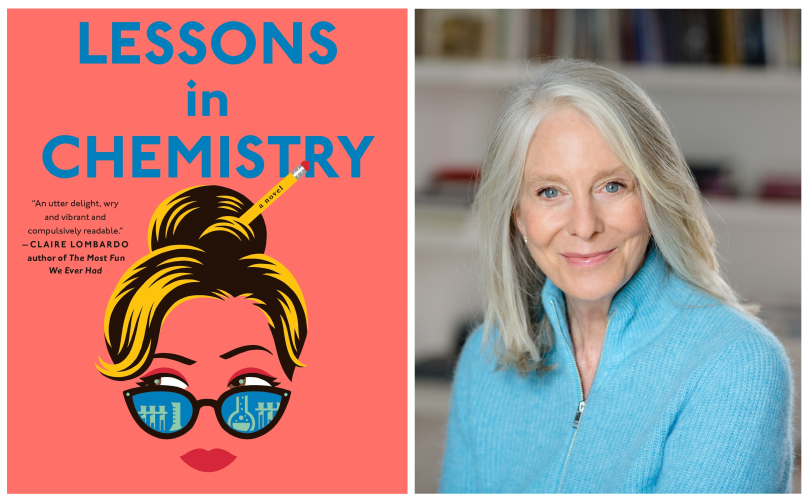
I liked the show so much I downloaded Lessons in Chemistry, the novel by Bonnie Garmus (2022).
Stephanie Merritt of The Guardian praised the author’s ability in creating a “richly comic novel around a character who is entirely deadpan” …
Elisabeth Egan called the book “irresistible, satisfying and full of fuel” and claimed that “feminism is the catalyst” …
Michael Byers from Cascadia Daily News wrote that the “heroine is brave, original and completely unafraid” …
The debut novel was a hit when published 2022.
A brilliant idea, I feel. In an era when ReTrumplicans want to go back to the 1950s — this book reveals how unfairly women were treated in the not-so-distant past.
When they say MAGA — the Great Again was this era of American history when women and minorities were treated so badly. For me, MAGA = racist. MAGA = sexist.
A highlight of the book is the dog Six-Thirty. And that’s well done in the show, as well.
All of the changes made from book to screen were for the better, I feel.
Aja Naomi King as Harriet Sloane is a much more interesting friend / neighbour on TV than in the novel.
It’s Vera Wong herself that makes this book. The plot and other characters simply support her.
Funny.
Vera Wong is a lonely little old lady—ah, lady of a certain age—who lives above her forgotten tea shop in the middle of San Francisco’s Chinatown. …
… one morning, Vera trudges downstairs to find a curious thing—a dead man in the middle of her tea shop.
In his outstretched hand, a flash drive. Vera doesn’t know what comes over her, but after calling the cops like any good citizen would, she sort of . . . swipes the flash drive from the body and tucks it safely into the pocket of her apron.
Why? Because Vera is sure she would do a better job than the police possibly could, because nobody sniffs out a wrongdoing quite like a suspicious Chinese mother with time on her hands.
Vera knows the killer will be back for the flash drive; all she has to do is watch the increasing number of customers at her shop and figure out which one among them is the killer. …
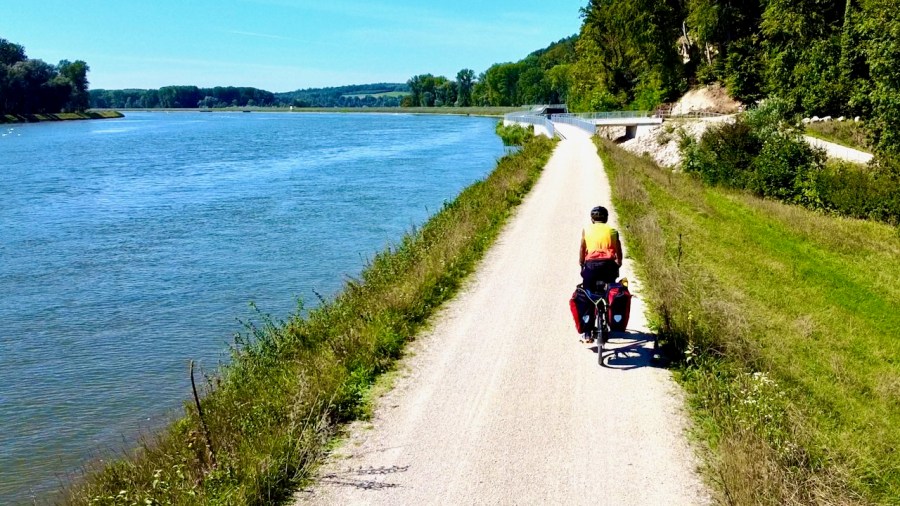
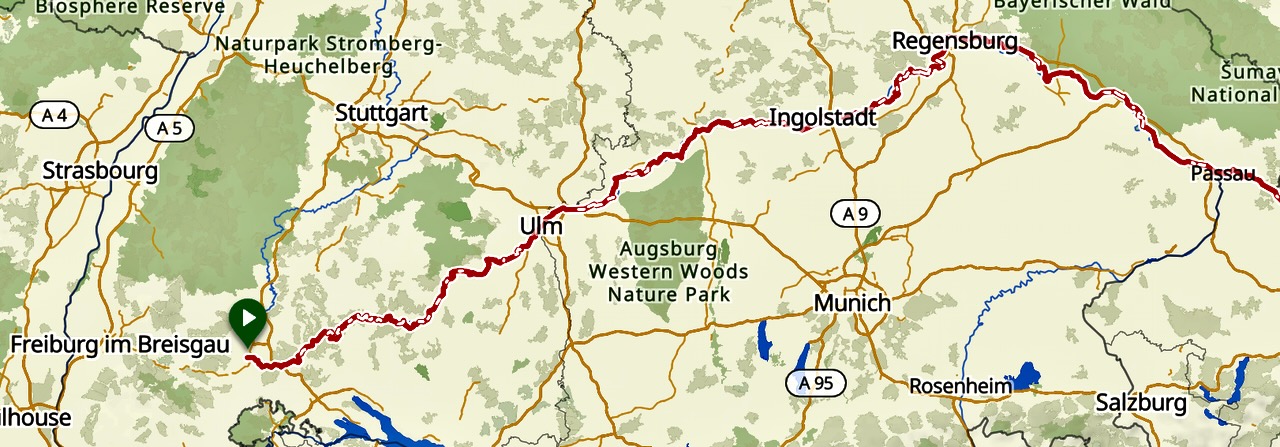
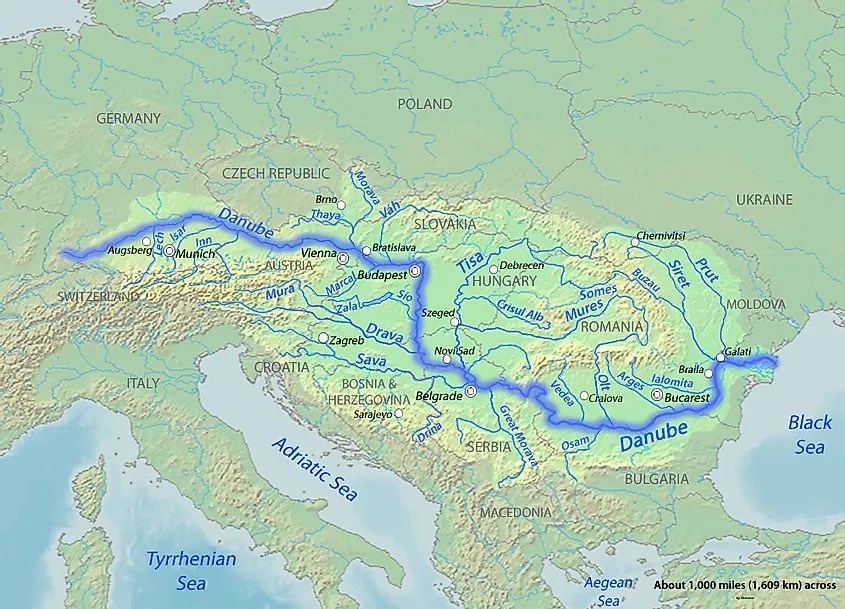
I started in Passau, Germany, cycling to Ulm. About 238-miles (383km) over 5 days.
It follows the rail corridor of the Danube Valley Railway for long stretches. And alongside the river for even more.
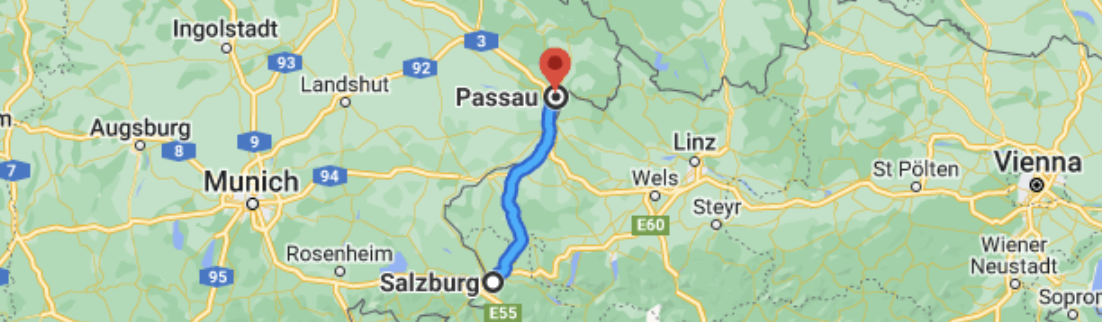
To get to the Danube at Passau, I cycled from Salzburg mostly along the Austria / German border. Much along the Inn river, which had recently flooded. Some of the bike paths were still closed. Many more were MUDDY.
About 130km over a day and a half.
Beautiful scenery. In many ways, I liked it better than the Danube as the Inn river is less developed. And you are closer to the water more often.
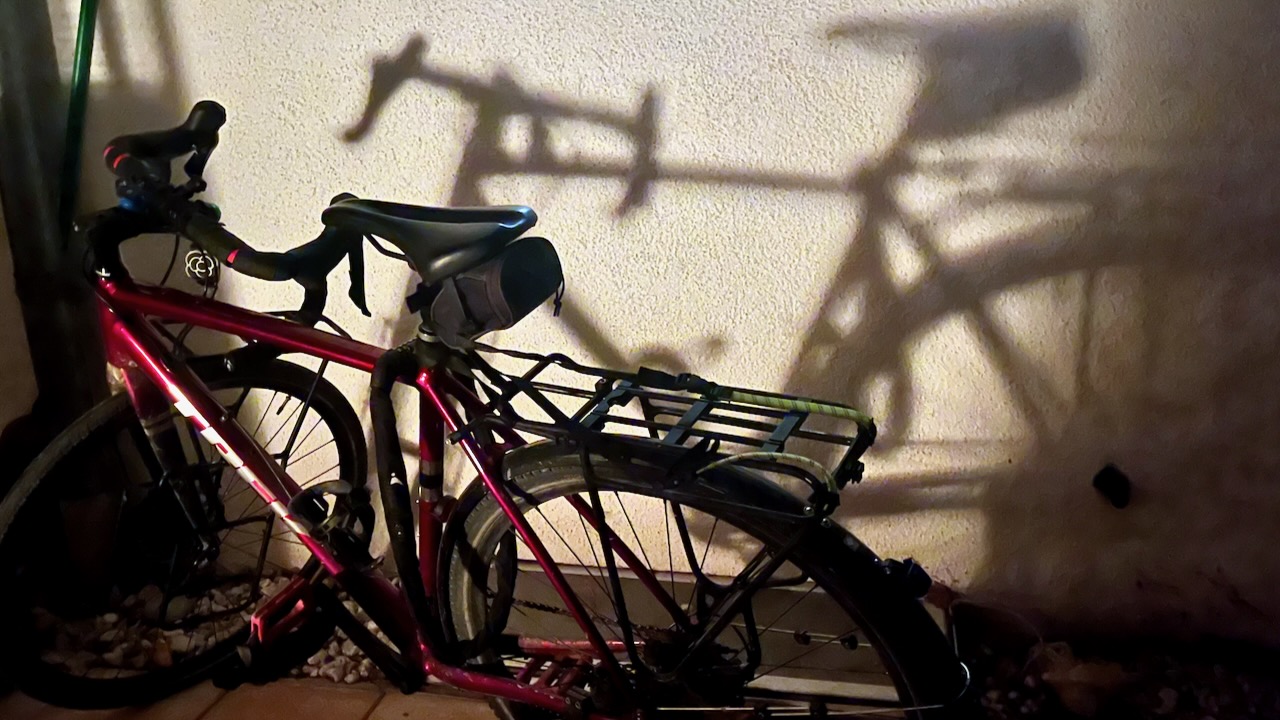
I arrived Passau very tired —a long day in the saddle. Had to push my bike up this hill to get to the Youth Hostel.
Yeesh. Toughest part of the day.
The official German Youth Hostel is part of one of largest castle complexes in Europe.
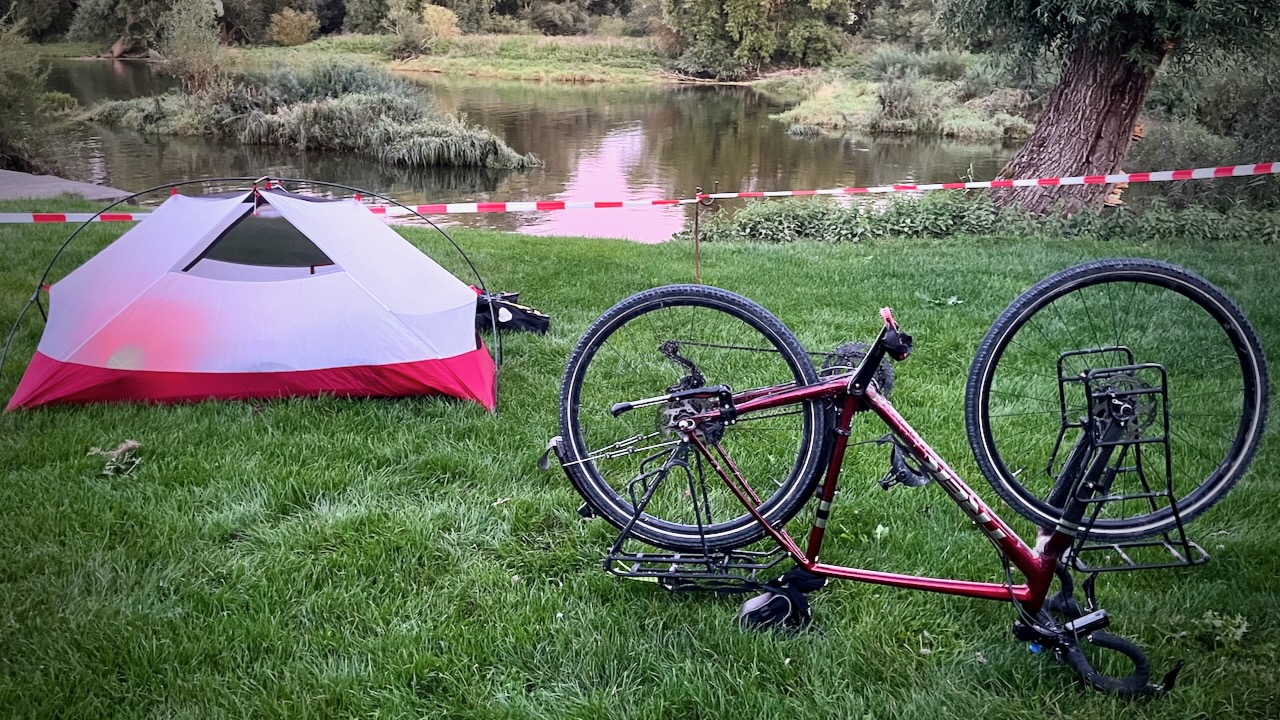
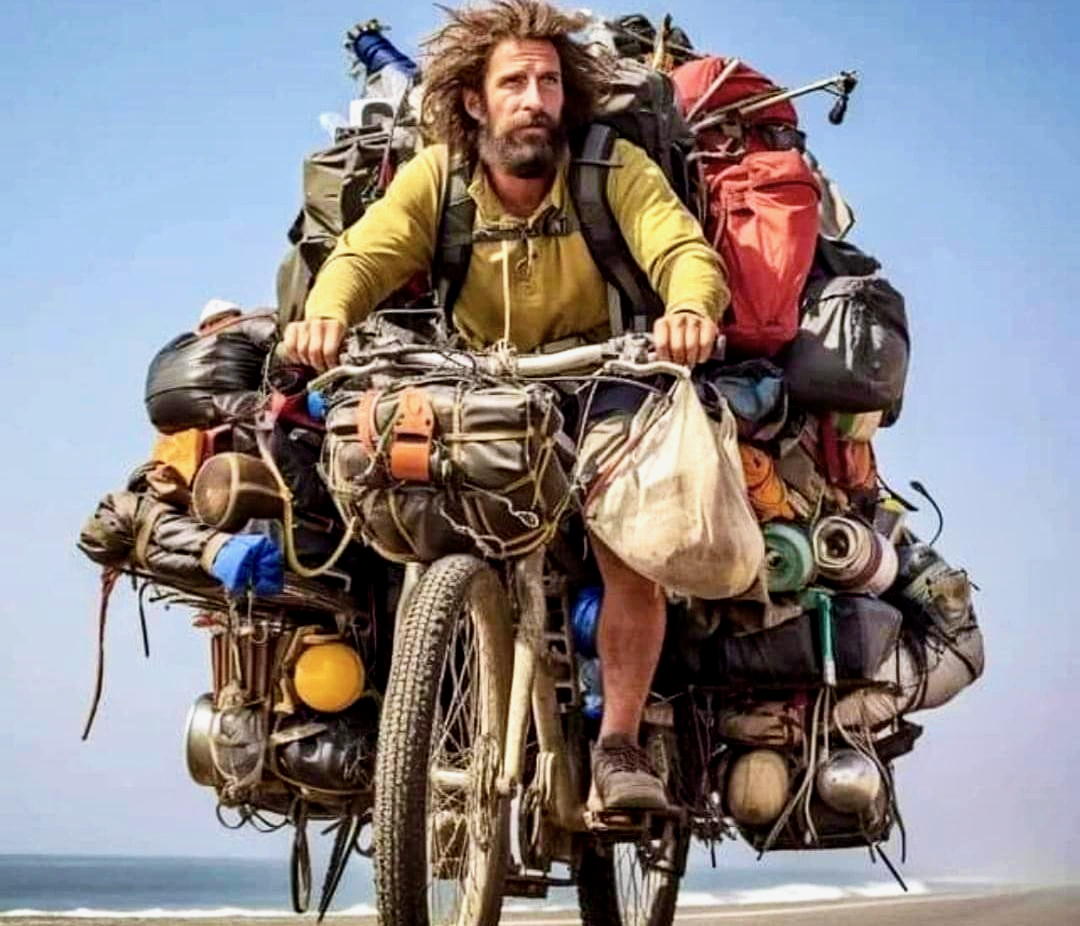
After wild camping the first night on the bike, I ended up staying either at youth hostels like this one. Old. Huge. Retro. Something out of the 1960s.
OR …
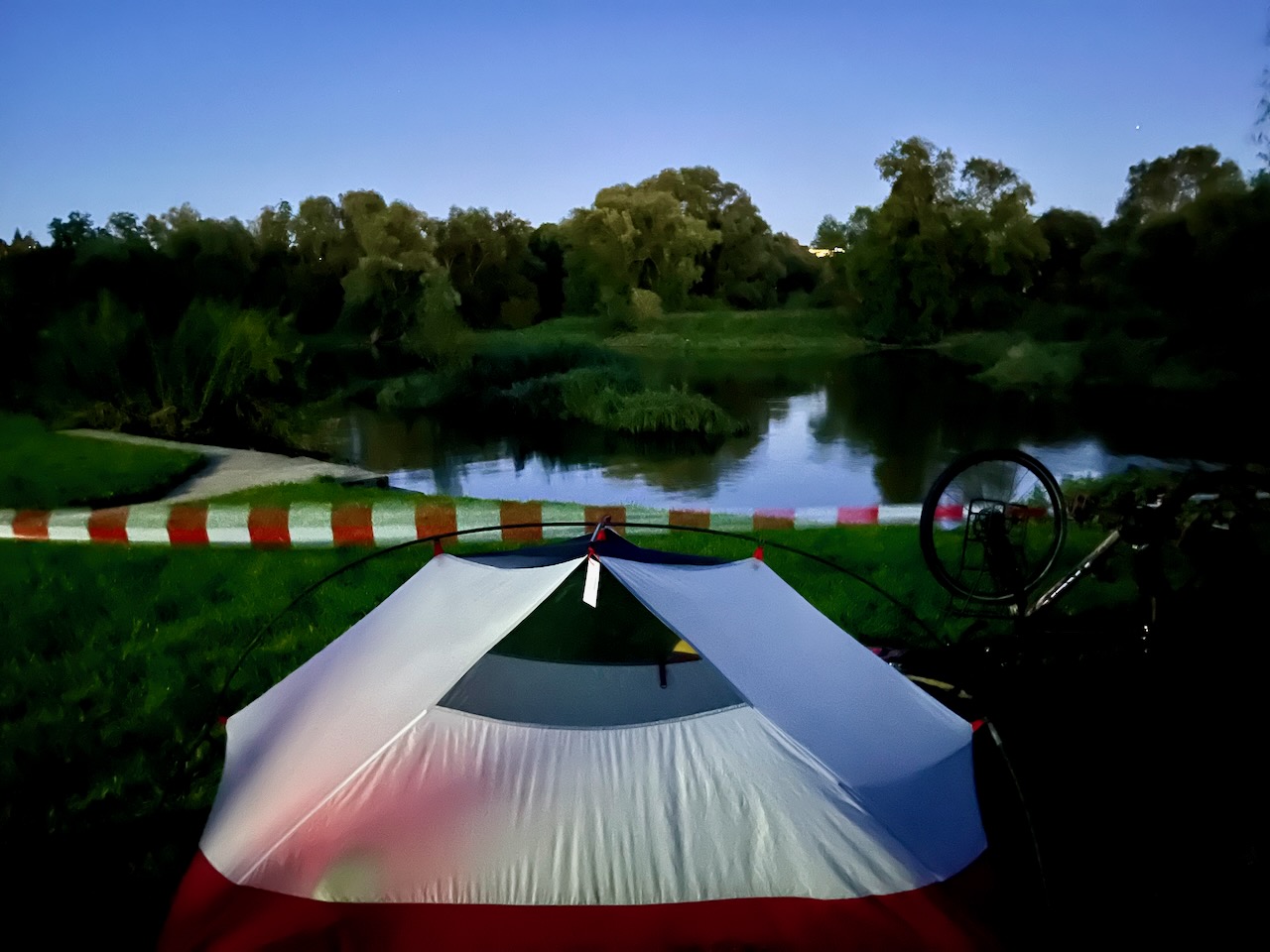
… simply stopping at one of the small, crowded campgrounds. There’s always space for one more tent. 😀 Cost is less than $15 / night at most.
This one associated with the local canoe club was my favourite.
Though I did do quite a bit of sightseeing along the way, here I’ll present just a sampling of the highlights.
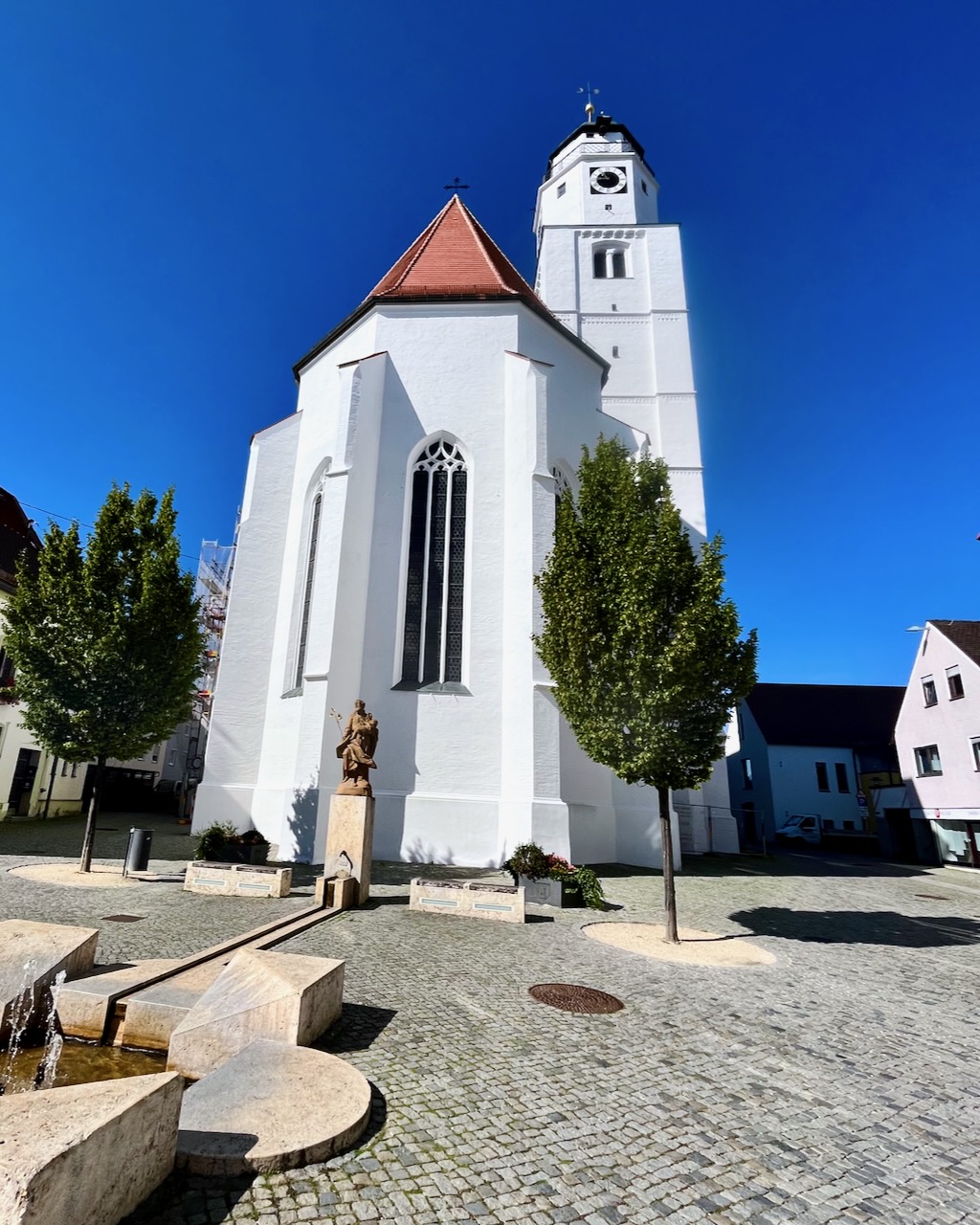
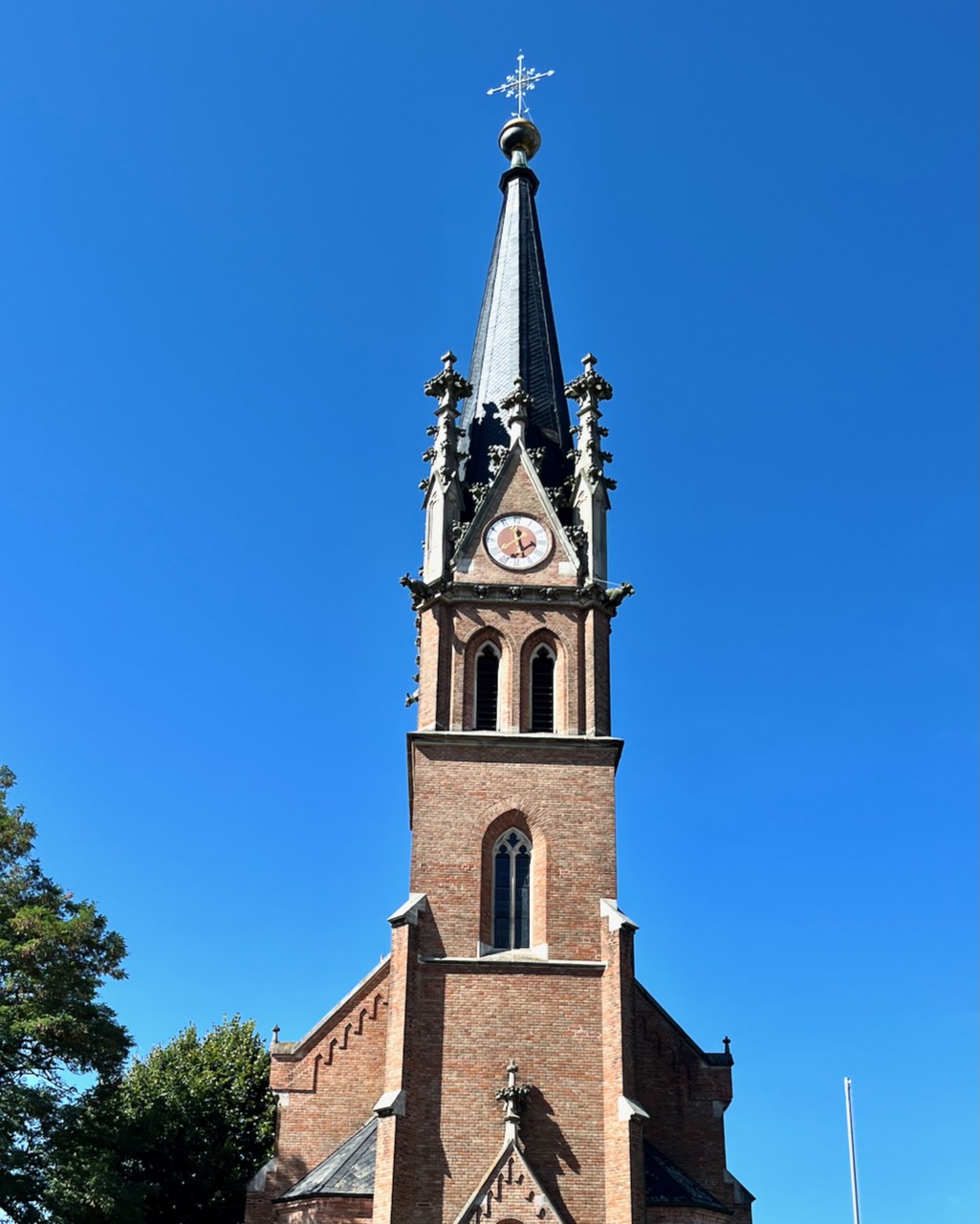
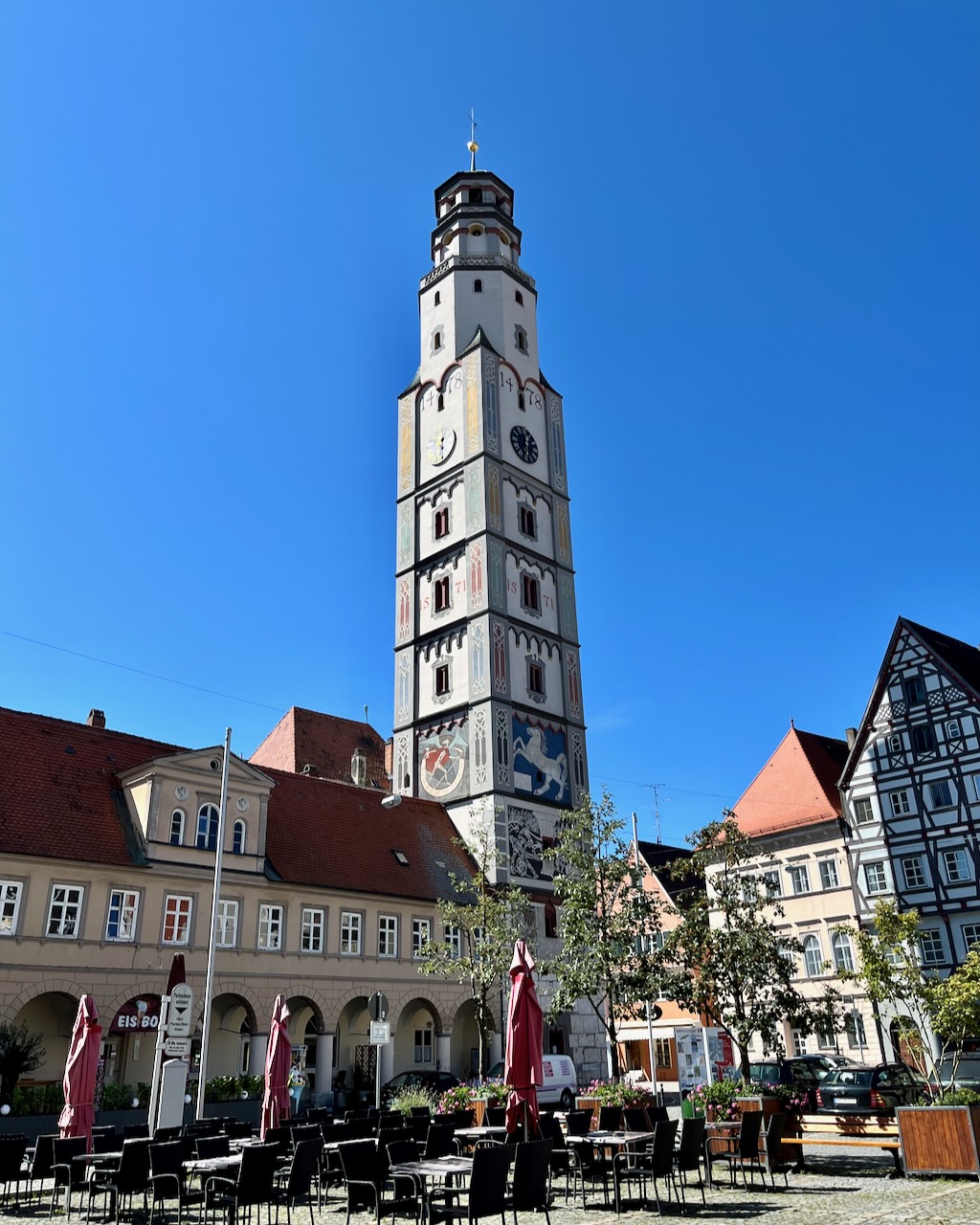
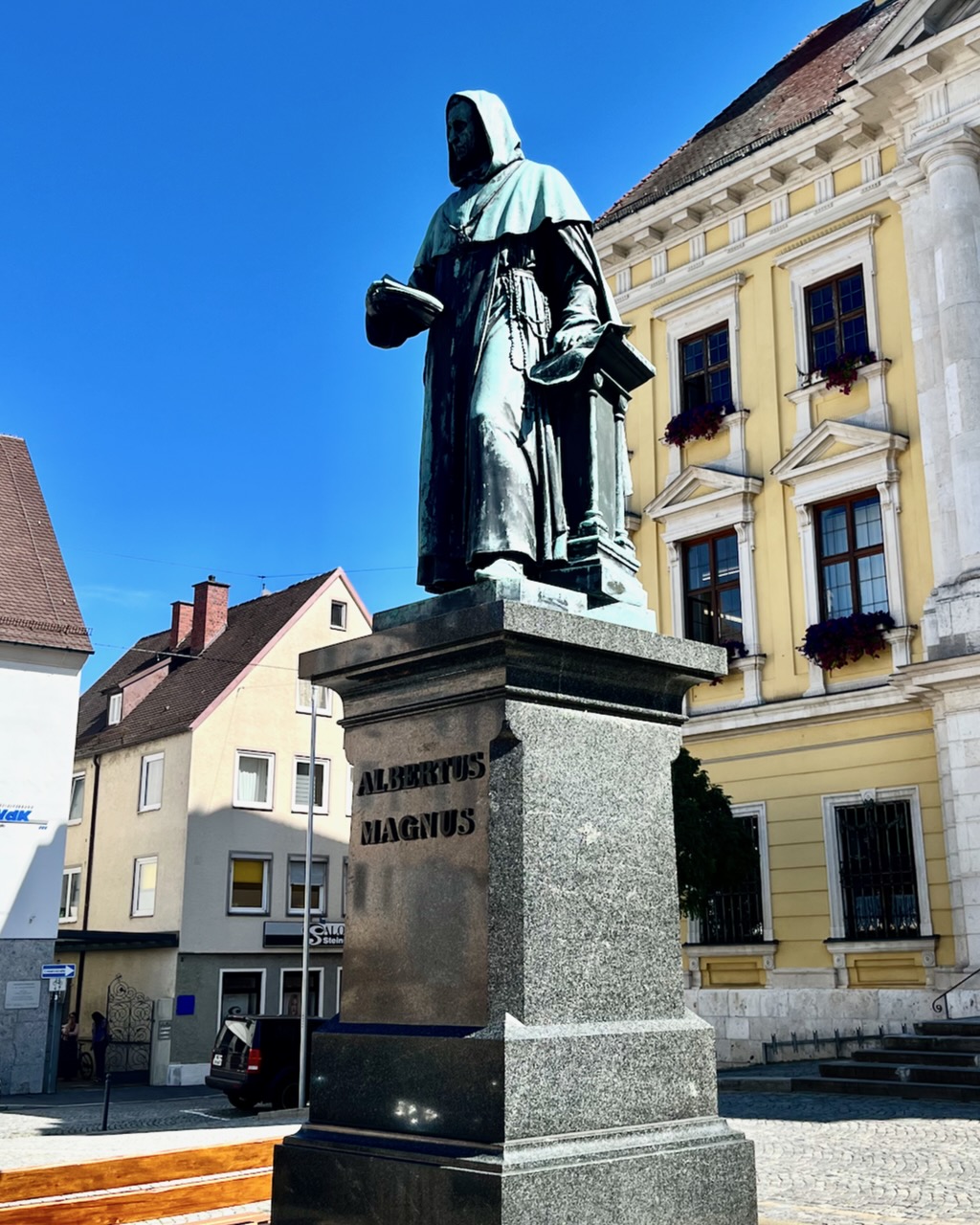
In my own brain 😀 it all merges into one long week of castles, churches, and pretty German architecture.
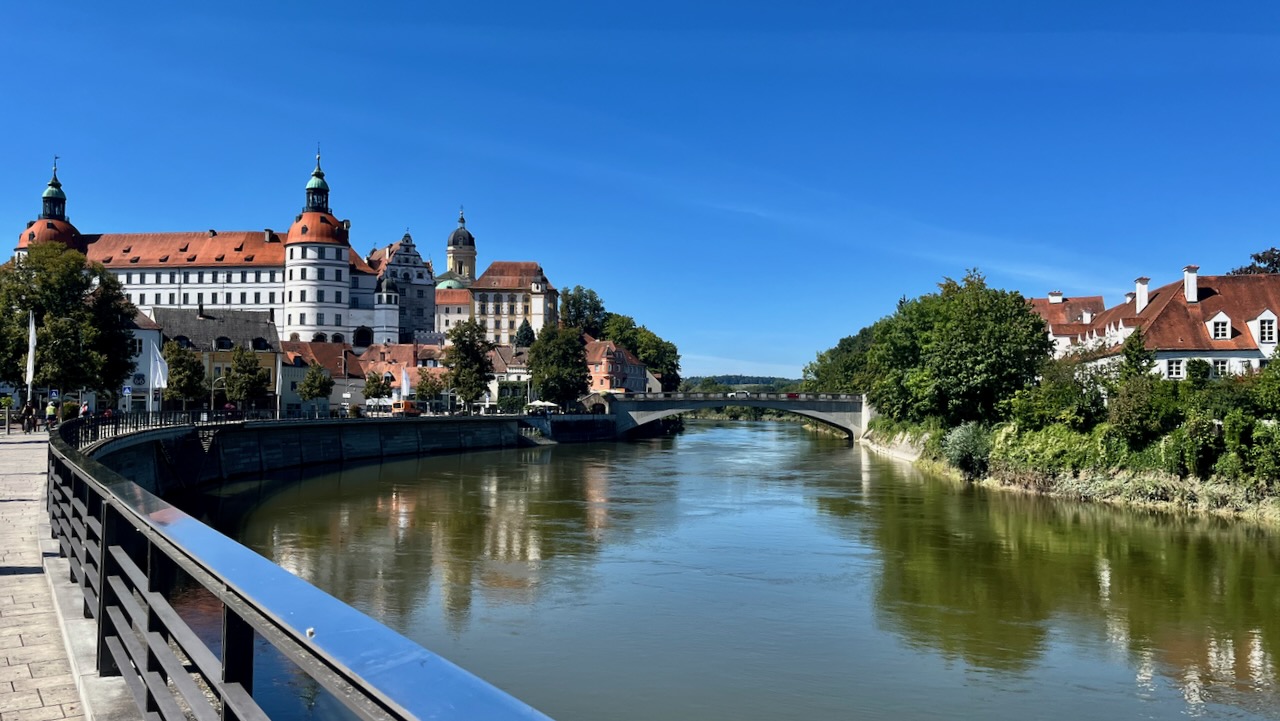
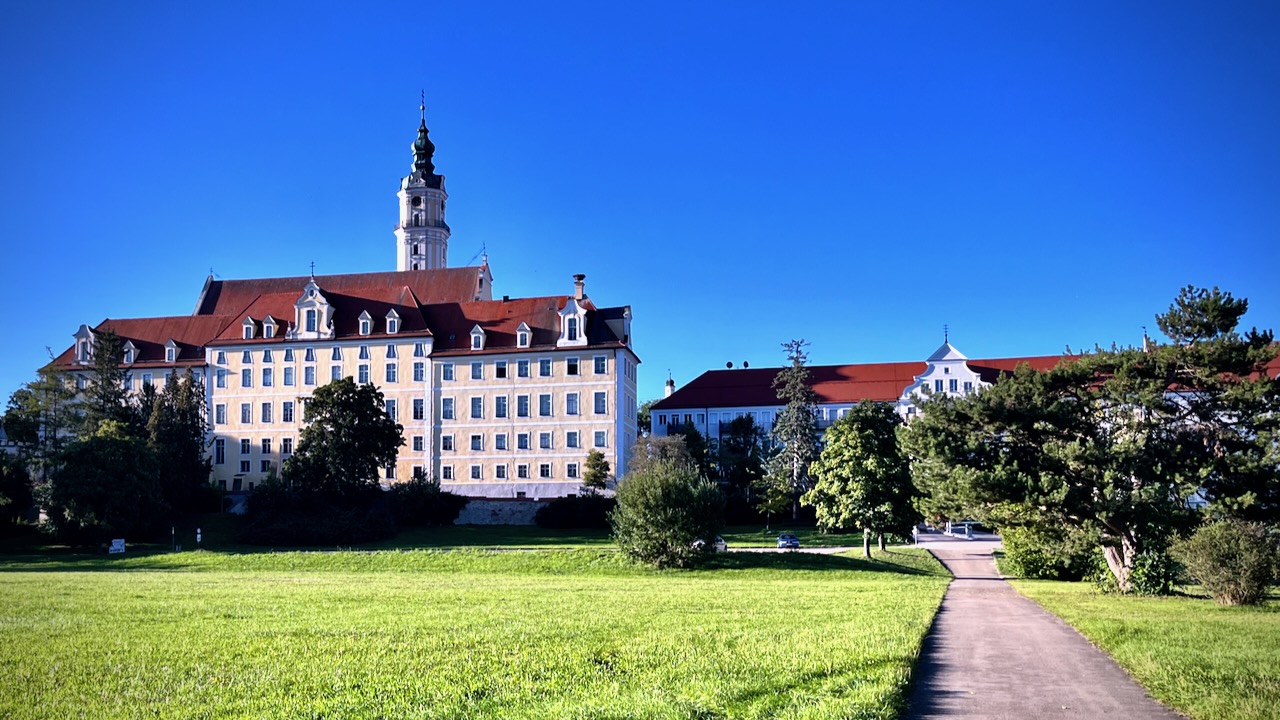
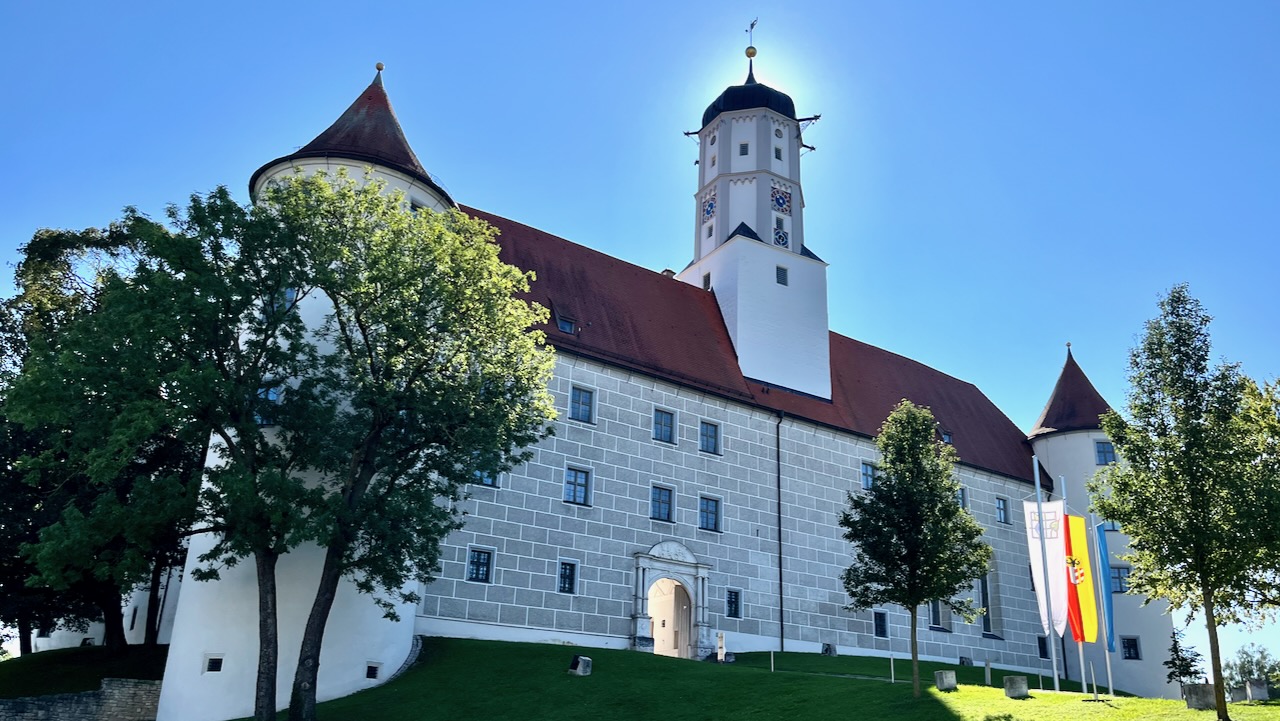
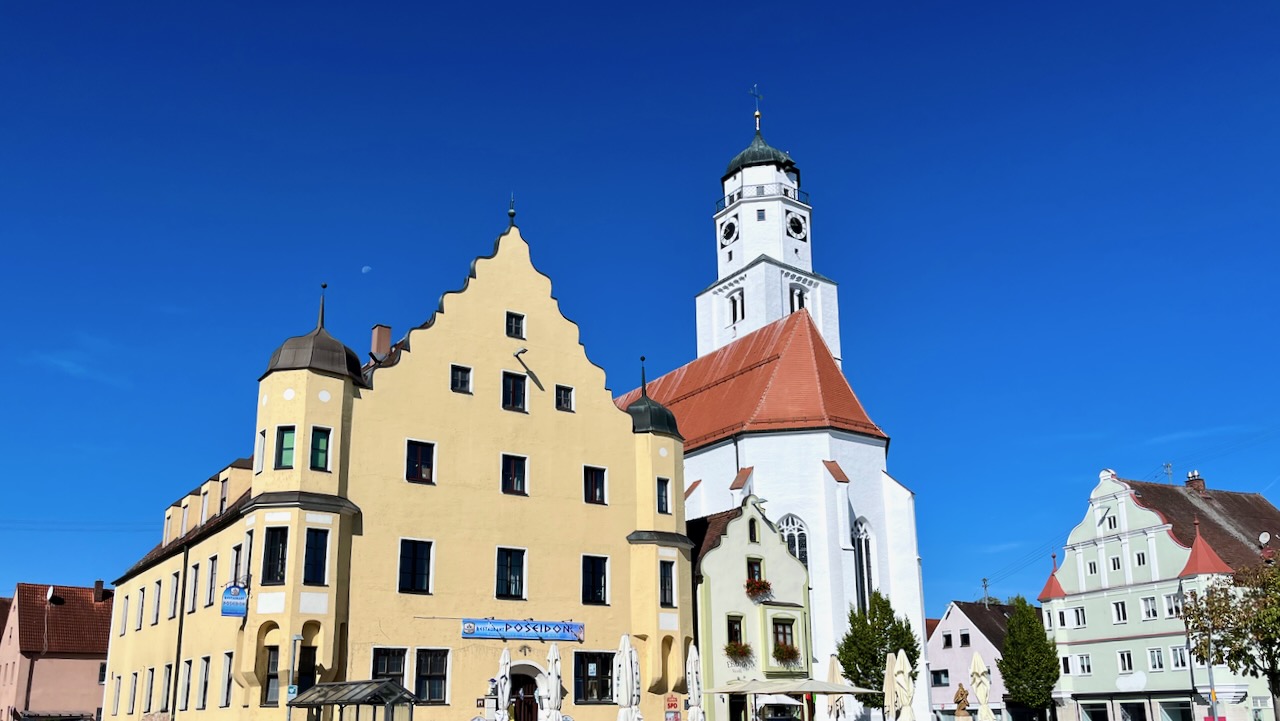
NeuburgDonauwörthDillingenLauingenLauingen
After a long, hot day into Ulm, Germany, I suffered leg cramps during the night. Decided to quit the Danube for 2023.
Friends in Munich are storing my bike and cycling gear.
As a minimalist, it’s nice to go back to travel with only carry-on luggage. 😀
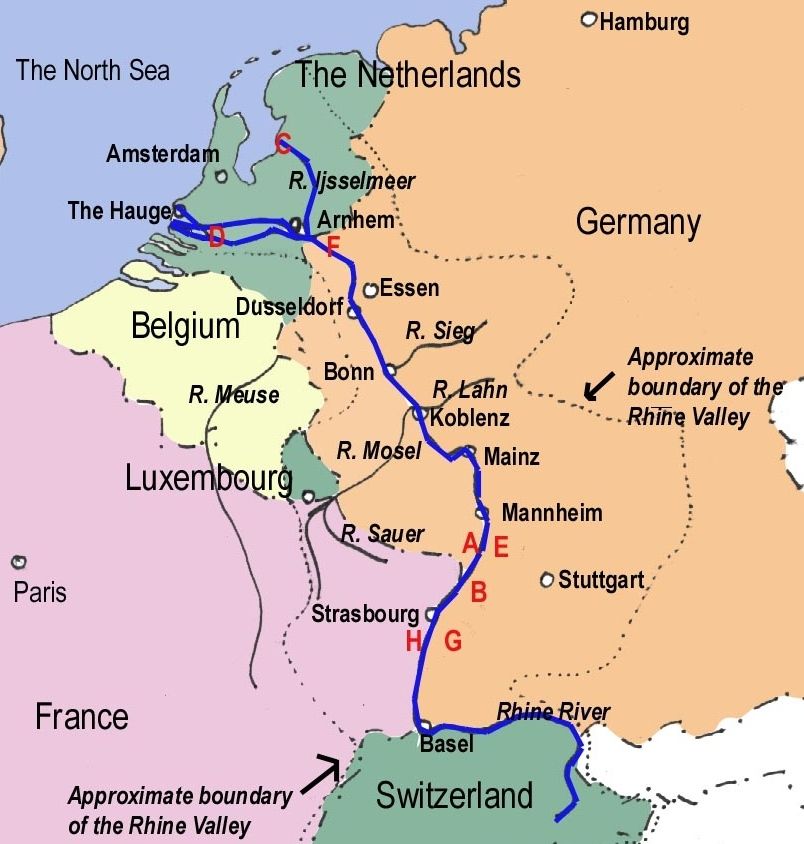
I might go the other direction towards Budapest next time. OR — more likely — cycle the Rhine north.
The BIG Picture
Passau to Vienna and Vienna to Budapest are 2 of the most popular sections on Europe’s most popular long distance cycling path ➙ EuroVelo 6(EV6), named the “Rivers Route“.
And a good reminder that the most dangerous thing most of us do is to climb into motorized vehicles.
… Bloody wasp.
Another Anthony Horowitz mini-series.
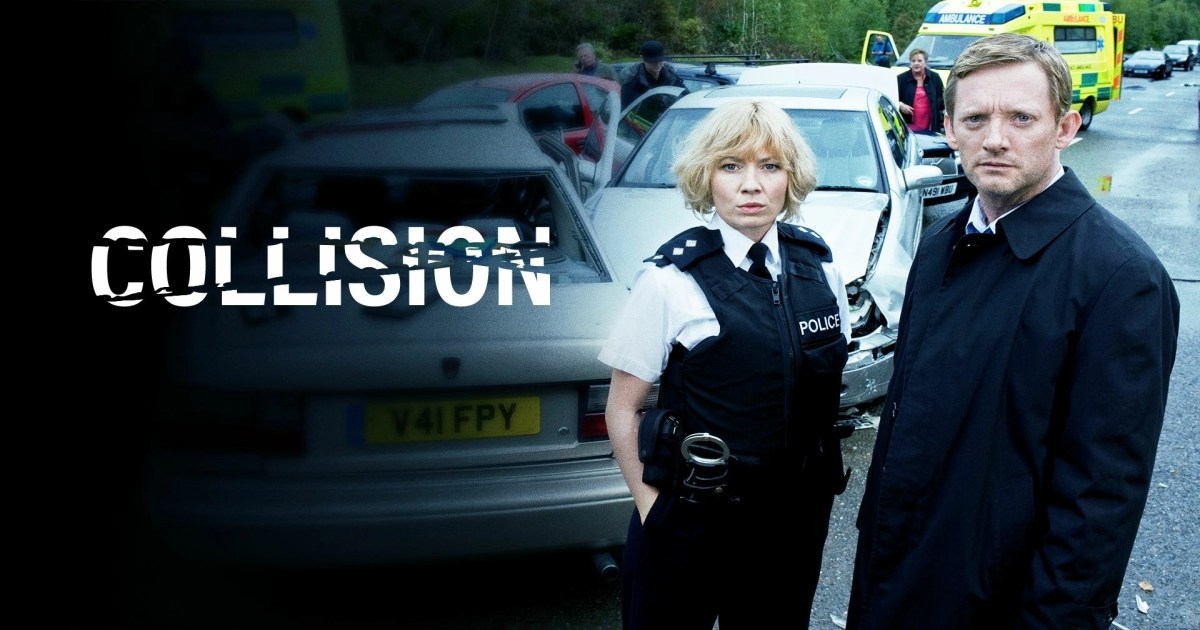
Collision (2009) is a five-part British television drama serial …
… the story of a group of strangers whose lives intertwine following a devastating car crash. The crash opens a number of startling revelations as stories of everything from government cover-ups and smuggling, to embezzlement and murder start to unravel. …
Jo Woodcock is particularly good as Jodie Tolin, a teenager paralyzed in a car crash — now trying to find a way forward in life.
Lucy Griffiths as Jane Tarrant is very appealing, as well. Oddly, her story has very little to do with the collision. It’s more like Love, Actually … with a twist.
… Beyond the crumpled cars and beleaguered emergency services are the invisible dramas and when DI John Tolin begins his investigation he finds himself drawn into many different and dangerous worlds including government cover-ups, smuggling, torn relationships and murder. …
Another charming British novel with an elderly heroine.
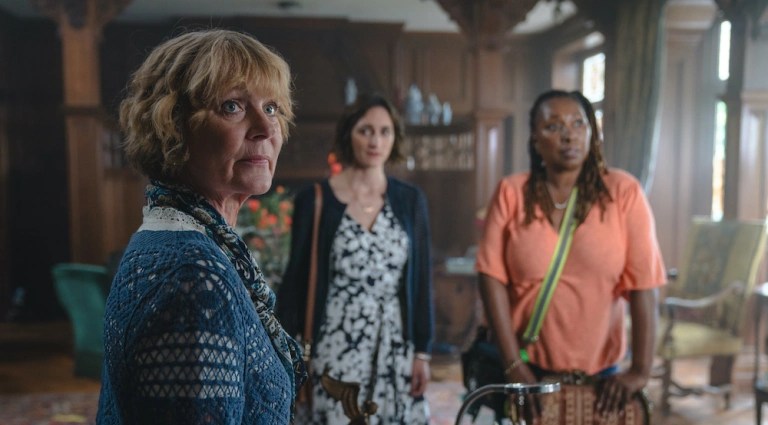
The Marlow Murder Club (2021) focuses on a group of older women who form a club to investigate a series of killings in Marlow.
It was published in January 2021 to overwhelmingly positive reviews. … The second book in the series, Death Comes to Marlow, was nominated for an Edgar Allan Poe award for Best Cosy Crime novel published in the USA in 2022.
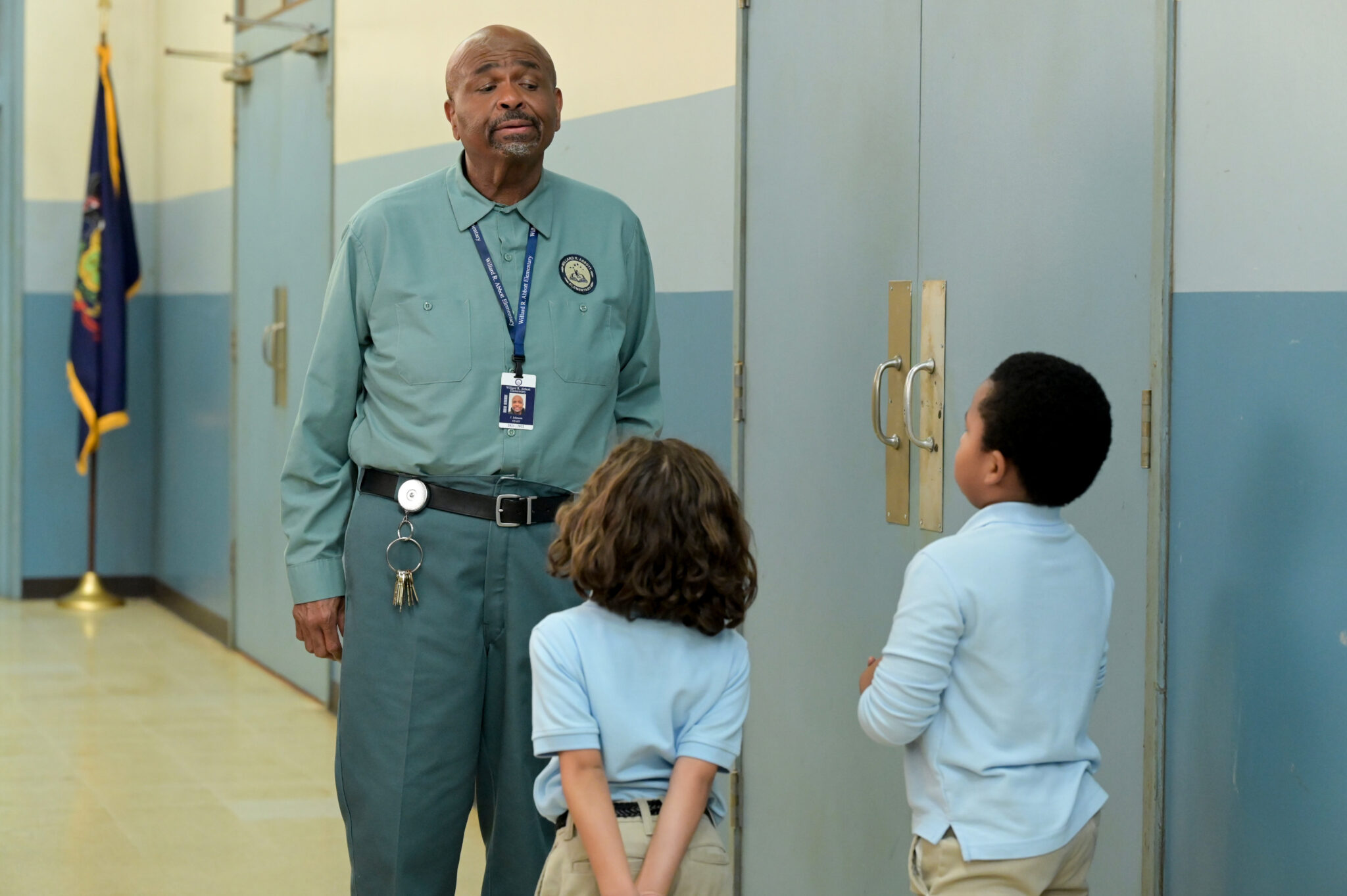
It’s an insight into the American public school system. ReTrumplicans insist on reducing funding for public education, while subsidizing rich kids in private schools.
The GOP later complains about crime when these same underfunded kids can’t make it in a nation with poor health care and a $7.25 / hour minimum wage.