I’ve spent a lot of time in this B.C. retirement community this summer. 🙂
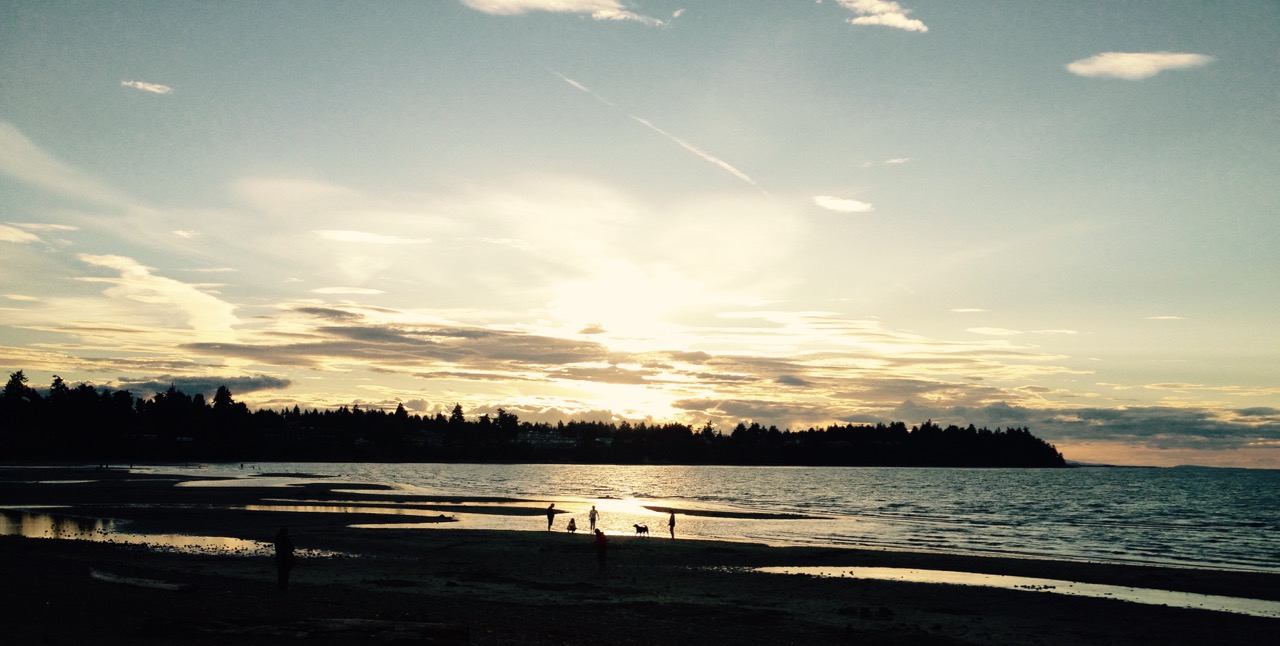
My parents and brother Rob live here. And these guys. 🙂

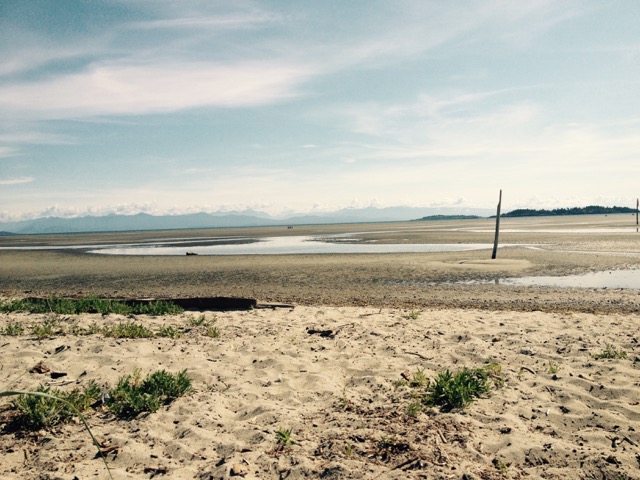


I’ve spent a lot of time in this B.C. retirement community this summer. 🙂
My parents and brother Rob live here. And these guys. 🙂
Though I’ve spent well over a year traveling the subcontinent, I’ve never been to the hiking mecca of Ladahk. I land in Leh September 11th, 2015 to do Markha and more.
 AT A GLANCE
This is the Tibet of India. 🙂

One of the great treats of the left coast City is a picnic on the beach.


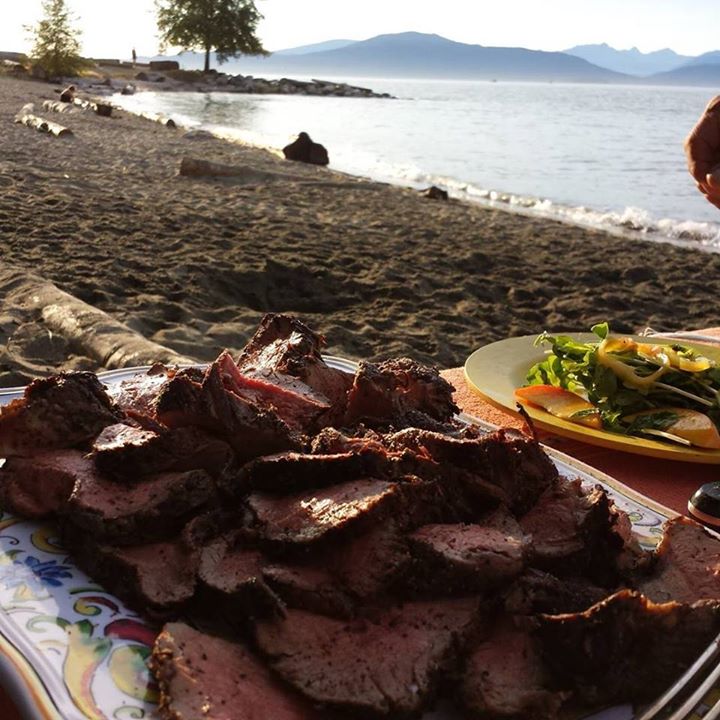
Rocco and Maureen were visiting …
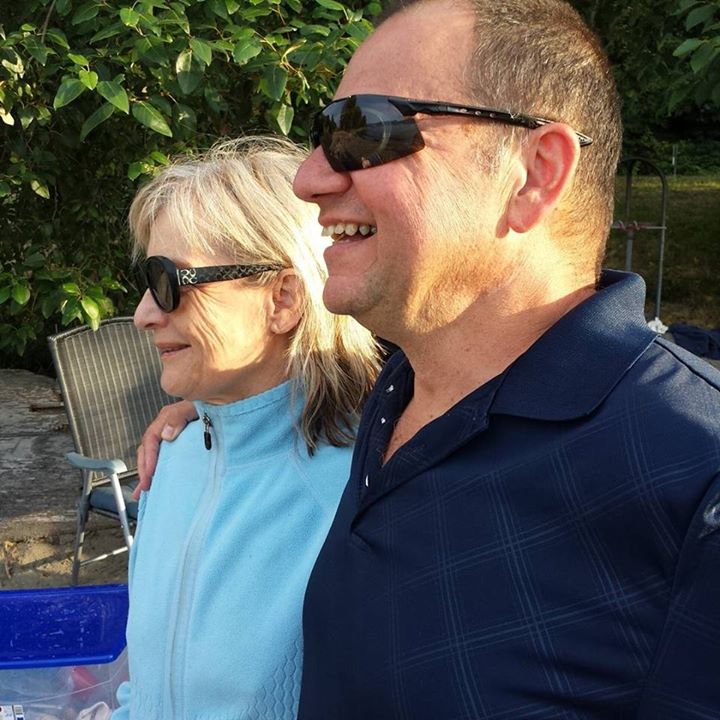
… so I showed up. 🙂
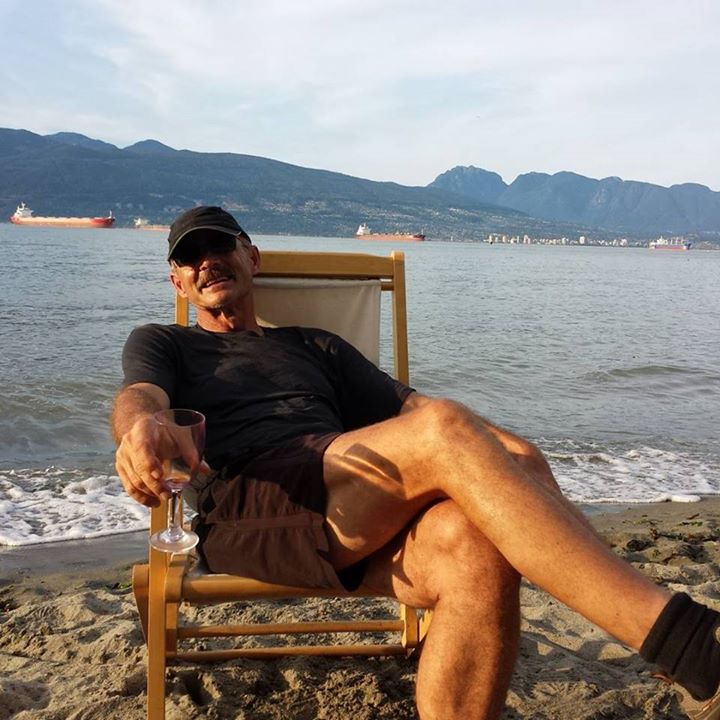
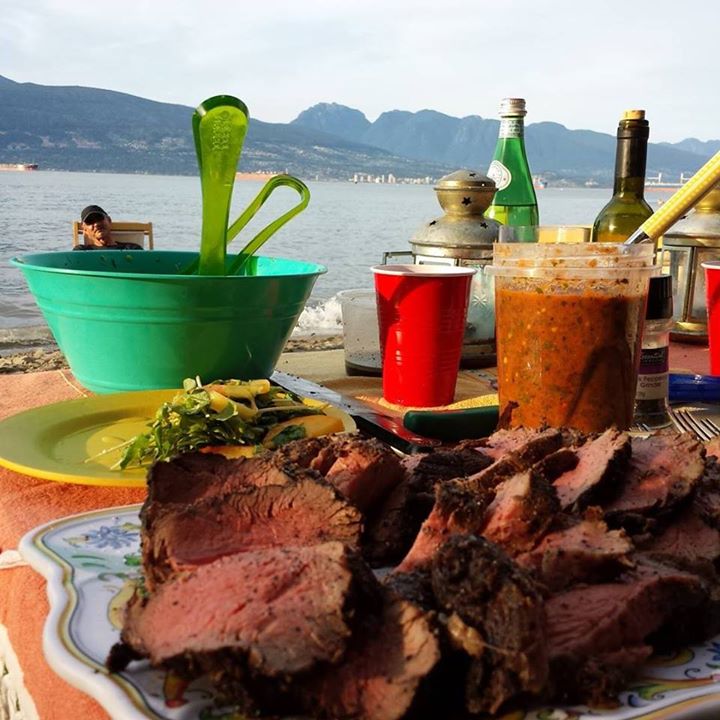
Sunday nights Spanish Banks drum circle.

Off-leash dogs are welcome here.
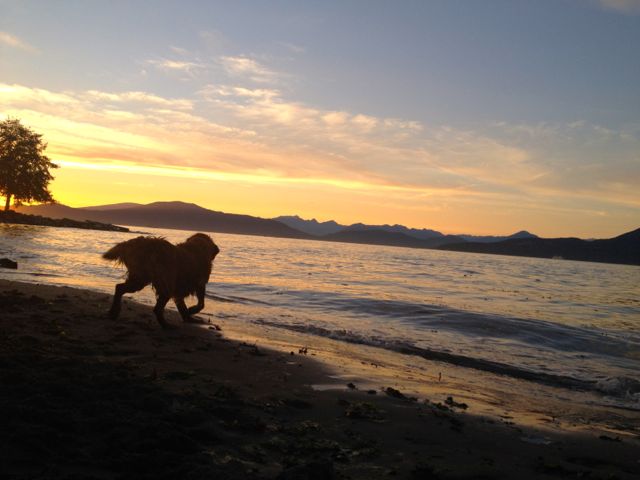
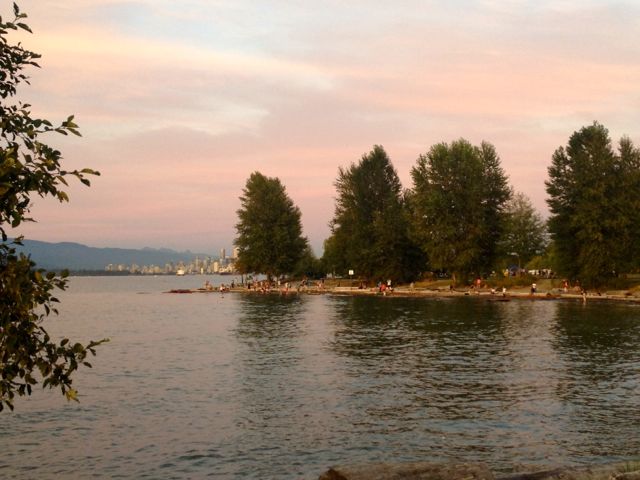


The best photos were taken by Rockin’ Ronnie.
I’ll be back to civilization around Aug 2nd. 🙂
One of the most unique mountain backpacking treks in the U.S. starts aboard a coal-powered steam locomotive and ends among a herd of mountain goats grazing at 14,000 feet. This trip isn’t for the faint of heart, but if you’re down for busting a sweat and can swallow any niggling fears of heights, you’re in for an unforgettable experience.
The Durango & Silverton Narrow Gauge Railroad departs each morning from the southwestern Colorado city of Durango, on the edge of the San Juan Mountains. You’ll load all your camping and hiking gear onto the 100-year-old train and ride in an open-air car as you ramble up a steep, winding track that, at times, practically clings to the cliffside high above the Animas River. …
Durango and Silverton Narrow Gauge Railroad
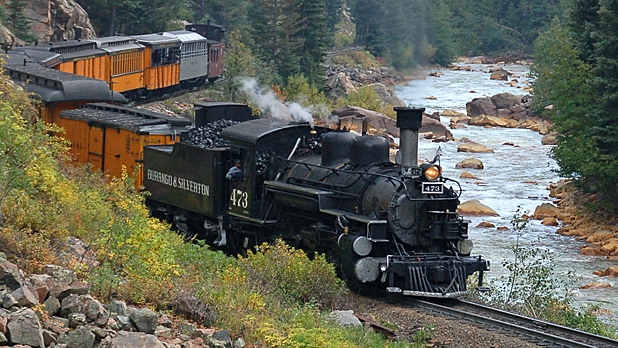
Thanks Brion and Betsy for hosting. I had a great time hiking and biking out of your mountain town.
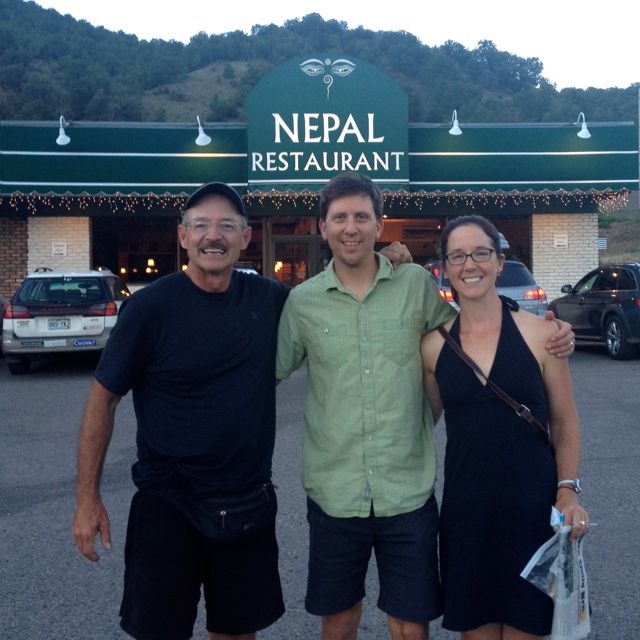
We met in Nepal 2013 trekking the Manaslu Circuit.
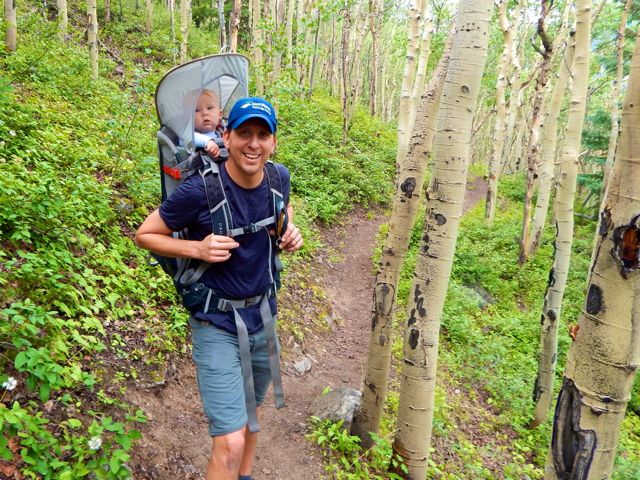
Since then they’ve added a new hiker to the family. 🙂
… Carbondale’s biggest annual festival features 145 booths manned by local and regional artists and beyond, 300 volunteers who come together to make it happen and 15 to 18,000 attendees over the three-day event. …
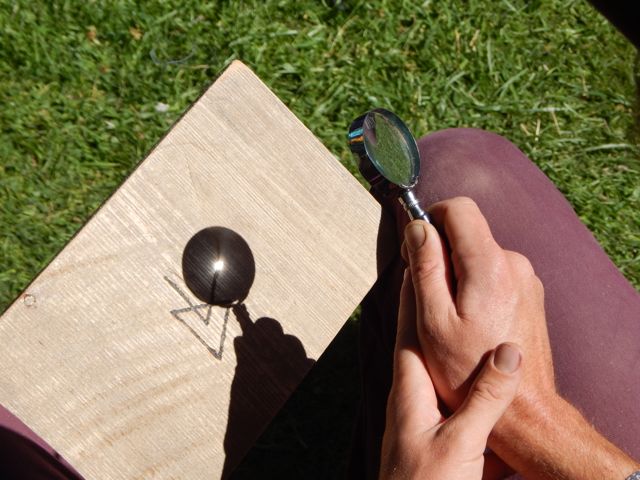

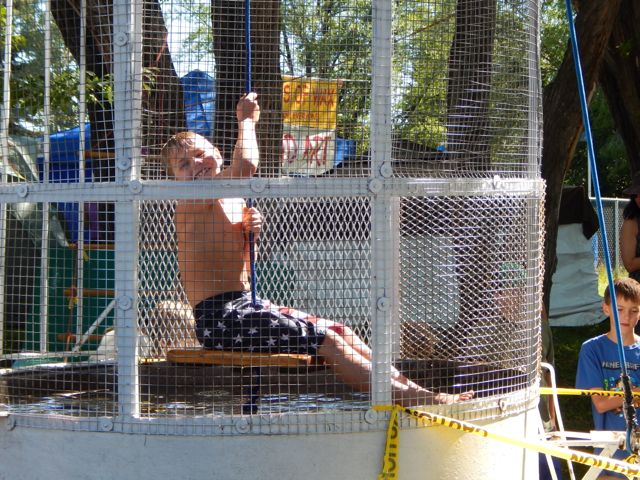


With typical lack of research I caught the last ferry from Nanaimo to Tsawwassen. You could ASSume the British Columbia government would require public transport to meet every ferry.
You’d assume wrong. 😦 Public transport meets every ferry except the last one of the day. People get stranded every night.
I found this out by asking the ferry purser. A regular truck driver happened to be standing there at the time. He immediately offered me a ride from the ferry terminal to the Vancouver Sky Train. 🙂
Note to self: pay it forward.
It was after 1am when I got to the elevated platform. With 4 minutes to spare I jumped on the last train. 🙂
 A couple hours sleep in the airport. Then the easy check-in to the first flight of the day at 6am.
Arriving Denver I had one errand. To send a piece of snail mail. The only post office in that airport was closed for lunch. But a lady waiting in line kindly gave me an American stamp. 🙂
Pay it forward.
Betsy had recommended a new inexpensive bus service out of Denver into the Rocky mountains. The driver sized me up and said: “I believe you might be a Senior”.
I got the discounted old-timer’s fare on the 4th day of the service. 🙂
Pay it forward.

Rockin’ (who lives in Vancouver, Canada) linked to a scary article in The New Yorker:
Just north of the San Andreas, however, lies another fault line. Known as the Cascadia subduction zone, it runs for seven hundred miles off the coast of the Pacific Northwest, beginning near Cape Mendocino, California, continuing along Oregon and Washington, and terminating around Vancouver Island, Canada. …
By the time the shaking has ceased and the tsunami has receded, the region will be unrecognizable. Kenneth Murphy, who directs FEMA’s Region X, the division responsible for Oregon, Washington, Idaho, and Alaska, says, “Our operating assumption is that everything west of Interstate 5 will be toast.”
In the Pacific Northwest, everything west of Interstate 5 covers some hundred and forty thousand square miles, including Seattle, Tacoma, Portland, Eugene, Salem (the capital city of Oregon), Olympia (the capital of Washington), and some seven million people. …
The Really Big One
An earthquake will destroy a sizable portion of the coastal Northwest. The question is when.
Here’s a map of the I-5
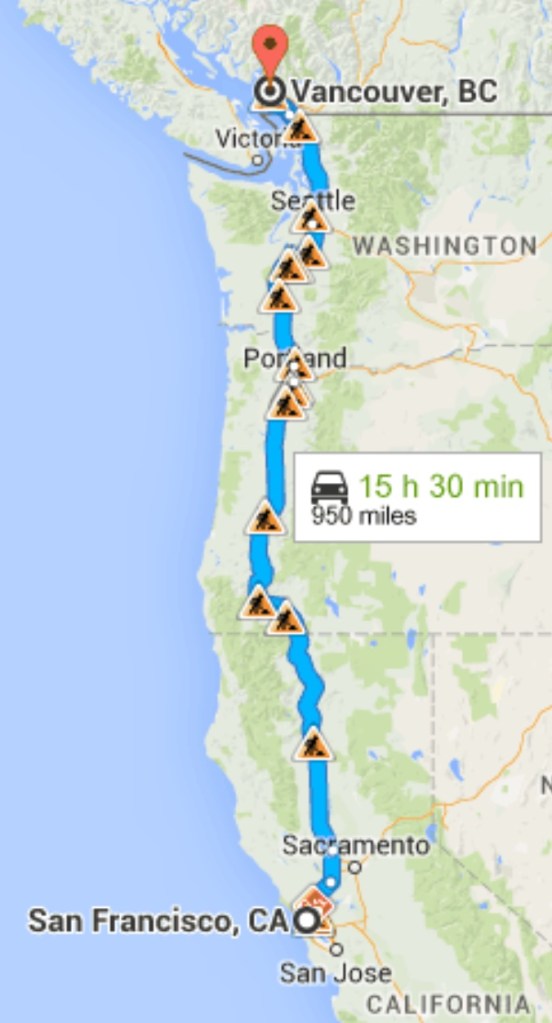
😦
I think I’ll depart Vancouver Island. Fly to someplace … higher. Colorado.
 Rick McCharles