Free trade is one way to ensure efficient use of resources.
In government, free trade is predominantly advocated by political parties that hold liberal economic positions while economically left-wing and nationalist political parties generally support protectionism, the opposite of free trade.
So when you see Trump impose tariffs, know that he’s a protectionist. And nationalist. Not a fiscal conservative.
Since at least 2005 there’s been increasing distrust in ‘globalisation’. We ended up with idiots like Trump making decisions, his unsuccessful trade war with China, for example. Both sides lose in trade wars.
Expect everything to get more expensive and/or unavailable as free trade continues to decline.
There is a broad consensus among economists that protectionism has a negative effect on economic growth and economic welfare while free trade and the reduction of trade barriers has a positive effect on economic growth and economic stability.
One bit of good news – USMCA Free Trade Agreement will come into effect soon. That’s NAFTA 2.0 with minor tinkering of auto exports, steel and aluminum tariffs, dairy, egg, and poultry markets.
In 1941, the American Humanist Association was organised. Noted members of The AHA included Isaac Asimov, who was the president from 1985 until his death in 1992, and writer Kurt Vonnegut, who followed as honorary president until his death in 2007.
In 2007 he won a Pulitzer Prize for General Nonfiction. A book about Islamic terrorism.
The End of October is fiction.
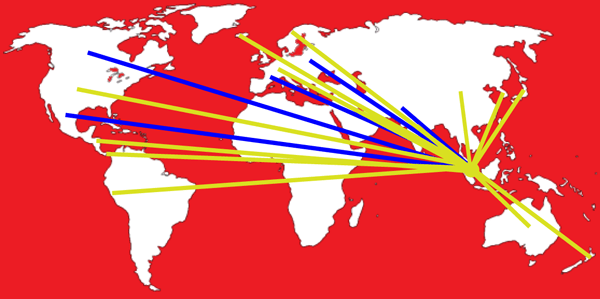
Wright’s fictional tale is about a mysterious virus that starts in Asia, sweeps across continents, cripples the health care system, wrecks the economy, and kills people worldwide.
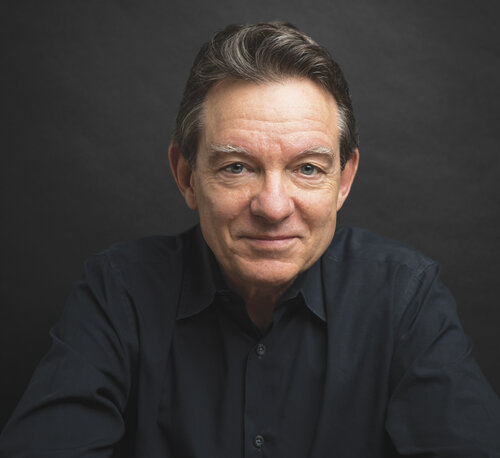
Enlarge this image
“I knew from talking to all these medical experts that something like this was going to happen,” Wright says. “They all knew it. They just didn’t know when.”
Wright began writing the novel in 2017 and turned in his final draft in the summer of 2019.
Wright had started thinking about this plot line after Ridley Scott asked him what kind of disaster could cause what happened in the Cormac McCarthy novel The Road.
Netflix is among the studios considering making The End of October a film.
Like Bill Bryson, he can make academic subjects interesting and lively.
Critics call it sensationalistinfotainment.
He is a simplifier. I like his frequent analogies to well known references.
There are endless interesting factoids.
Critics complain he gets some facts wrong by over-simplifying.
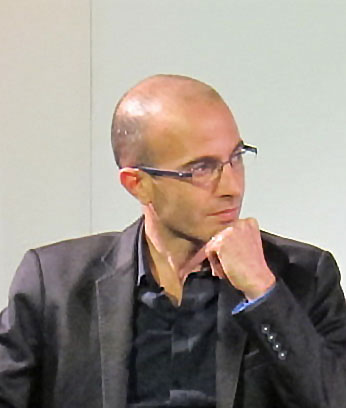
In Sapiens he postulates that humans now rule the earth because of our ability to organize and coordinate in large numbers.
Bees, ants and other species cooperates even better, but they are too inflexible to evolve. And have comparatively small numbers.
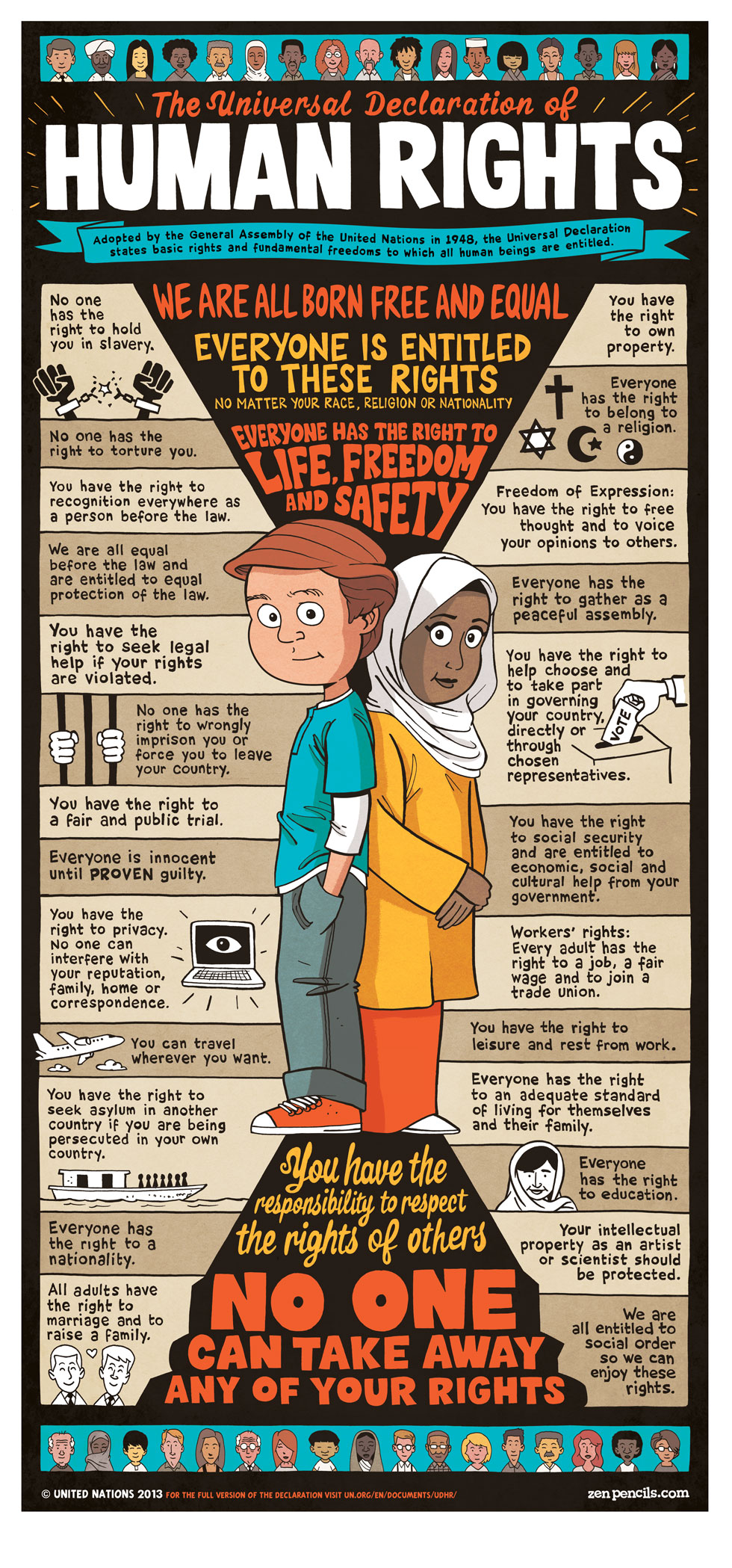
We are the only animal that can believe in things that exist purely in our imagination, such as gods, states, money, human rights, corporations and other fictions, and we have developed a unique ability to use these stories to unify and organize groups and ensure cooperation.
Blood Road, according to director Nicholas Schrunk, “set out to document an epic cycling expedition as well as Rebecca’s personal journey to visit the crash site [of her father], but we ended up uncovering something much deeper.
It’s a story about the scars, both physical and emotional, that war leaves on families, countries, and cultures, and how they still exist today.
She played Robin Ellacott in Strike, an even better recent British TV series.
Ron Perlman is excellent too.
A fascinating plot – the story starts with a soldier acquitted of a war crime in Afghanistan, based on helmet cam evidence.
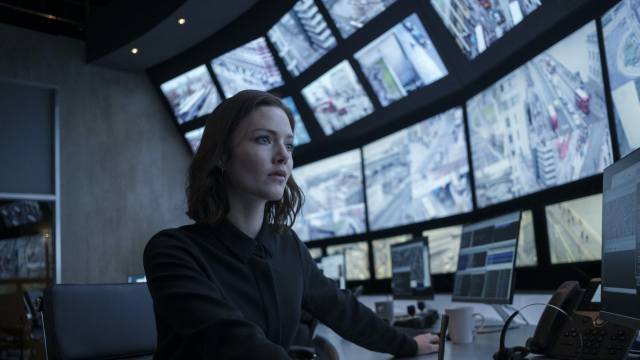
But the most interesting part is CCTV video footage being manipulated.
Closed-circuit television (CCTV) is used for security as well as video surveillance around the world. Facial recognition software is used, as well. Scary.
In The New York Times, Bill Gates calls the book “fascinating” and his author “such a stimulating writer that even when I disagreed, I wanted to keep reading and thinking.” For Gates, Harari “has teed up a crucial global conversation about how to take on the problems of the 21st century.”





 Rick McCharles