I often brag that Canada is the least racist nation I know.
Aside from our First Nations peoples. The history of how Canada has treated the indigenous peoples is damn awful. 😦
I agree with Scott Gilmore. It’s long past time we admitted the Canadian system has never worked. We should dismantle the Reserves, paying out each Band member who opts to leave.
Scott Gilmore on a sad cycle of violence in remote communities:
… the north itself is violent and has been forever.
Isolated regions always are. Australia’s Northern Territory has that country’s highest crime rate. The remote regions of Papua New Guinea are more violent still. Siberia is the most dangerous region in Russia. In Brazil, the state of Pará, straddling the undeveloped stretches of the Amazon River, has one of the highest murder rates in the country, rivalling the lawless favelas. …
The only way we can ever truly help the people of La Loche and hundreds of other remote communities like it, is to give those who want it a viable option to leave, to build lives in southern Canada, integrated into one of the world’s healthiest, safest, most rewarding societies. …
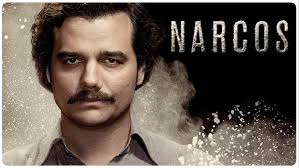
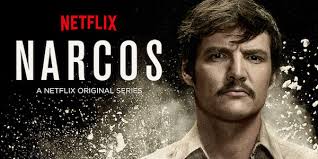
Narcos season 1 … comprising 10 episodes, originally aired on August 28, 2015, as a Netflix exclusive. Set and filmed in Colombia, season 1 tells the true story of notorious drug kingpin Pablo Escobar, who became a billionaire through the production and distribution of cocaine, while also focusing on Escobar’s interactions with drug lords, DEA agents, and various opposition entities. …
… season 2 will air in 2016. …
I recommend the series. It’s violent. But astonishingly entertaining. What a story!
… the life of Pablo Escobar from the late 1970s, when he first began manufacturing cocaine, to July 1992, when he escaped La Catedral prison. …
I admired seeing an American TV show move to Europe. It’s must watch, no matter how much Carrie irritates you. No other current television series offers as important commentary on the state of the world.
That said, Mike Sissons – who lived many years in Arab countries – tells me it’s controversial with Muslims. Too many stereotype characters. Mike’s not actually watched the show himself.
My feeling is that the show is quite balanced. It shows the stupidity of U.S. foreign policy. There are no good guys in this show.
I unexpectedly found myself in transit in downtown Seattle. I stayed at City Hostel since the Green Tortoise was full.
Caught the @QuickShuttle bus to Vancouver, Canada. Not the cheapest option at US$43 one way. But more convenient. Free WiFi. Good service. I’d take it again.
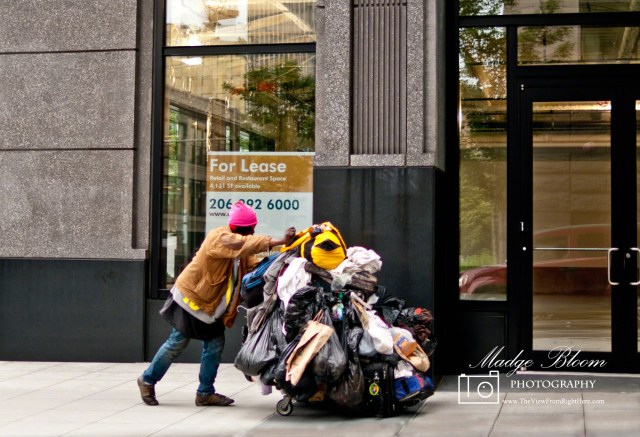
Late Friday night and early Saturday morning I wandered the streets. It’s appealingly unrefined for a major city. Homeless, intoxicated and deranged citizens are everywhere. One decided to punch me with his garbage bag of old clothes. He does that to everyone, I assume. I didn’t take it personally. 🙂
There are missions and homeless shelters. People still on the street don’t like the rules.
I don’t own a car. Love public transport. And cycle commute as much as I can.
Sadly, our world promotes motor vehicles. Not bicycles. 😦
Bikes vs Cars depicts a global crisis that we all deep down know we need to talk about: climate, earth’s resources, cities where the entire surface is consumed by the car. An ever-growing, dirty, noisy traffic chaos.
The bike is a great tool for change, but the powerful interests who gain from the private car invest billions each year on lobbying and advertising to protect their business. In the film we meet activists and thinkers who are fighting for better cities, who refuse to stop riding despite the increasing number killed in traffic.