King is a great story teller. And his books are long.
Fairy Tale (2022) is twice as long as most novels. Too long, I’d say.
I really enjoyed the first half. But found it began to drag in the middle.
In fact, I would have been happier to stop reading at the halfway point.
The novel follows Charlie Reade, a 17-year-old who inherits a portal to a hidden, otherworldly realm, and finds himself leading the battle between forces of good vs evil.
A German Shepherd dog, named Radar, is important to the voyage — through a shed — to Empis, an unhappy land where Charlie befriends exiled members of the royal family.
If you like King’s books, you’ll like this one too.
It’s a scary, modern fairy tale with references to Robert E. Howard, Edgar Rice Burroughs, H.P. Lovecraft, and Ray Bradbury.
From there I’d most like to head back up to the Dolomites. On to Switzerland. And north to Arctic Norway to start the LONG ride I had planned for last summer. CANCELLED when SAS Airlines failed to deliver my bike.
It’s something like the 1st book in the Harry Potter series. But at Mystwick magic is created along with music. The book is available, as well, but the audio version includes all the music. Better.
Amelia Jones has always dreamed of attending the Mystwick, as her mother had gone there.
She is accepted into the academy by accident — and faces plenty of challenges.
Paul Theroux is a jerk — but still my favourite travel writer of all time.
He’s age-81 as I post. Still going strong.
Theroux says he’s mellowed. And I’d admit his most recent books are much more positive than his scathing critiques of the past.
In 2015, he published “Deep South” detailing four road trips through the southern states of the United States. Excellent.
In 2019 he published OnthePlainofSnakes: A Mexican Journey, his account of his extensive travels in his own car throughout Mexico.
In some ways it was a continuation of his Deep South investigation.
Near the start he recaps the deaths and damage done by the drug trade. The insatiable American market. The brutal competition in Mexico to supply it.
He does a terrific overview of illegal immigration before the pandemic. Mexico a net zero. Now mostly more desperate folks from Central America as well as many from India, the Caribbean, and even China.
Over the decades it’s gotten more and more difficult to cross the border illegally. And not because of any wall. Walls are considered a joke in Mexico.
In another instant, his comments come across as self-serving, as when he longs for a simpler Mexico with “inexpensive meals that were delicious, cheap motels that were comfortable, and friendly people who, out of politeness, seldom complained to outsiders of their dire circumstances: poor pay, criminal gangs, a country without good health care or pensions, crooked police, cruel soldiers, and a government indifferent to the plight of most citizens.” …
I was amused to read of all the time Paul paid bribes to crooked cops. An conspicuous car with Massachusetts licence plates — a sitting duck.
Theroux is mostly critical of ReTrumplicans. I like that too, of course.
“The per capita income in Oaxaca is the same as in Kenya and Bangladesh,” Theroux says.
“You’re dealing with people who have very little money and get very little help from the government. But they have a great culture they’re very proud of, their family values are very strong, and they’re very self-sufficient and creative. They mend their clothes; they fix their shoes; they’re actually able to take something that’s broken and repair it; they have a lot of cottage industries.
I admire that, and I admire the ones who pick up and go to the border. Most of the people I’ve met who crossed the border just wanted to earn some money to send back and then go home; they weren’t here to go on welfare or be the parasites they’re identified as.”
In fact, Theroux says, “the book was inspired by everything that Donald Trump and other people were saying during the presidential campaign about Mexico, Mexicans, and the border—their uninformed opinions and stereotypes.”
He adds, “One of the great reasons for traveling is to destroy stereotypes, to see people and things as they really are, to see the dynamics and the complexity of a country. As soon as he started saying things like, ‘There’s too many of them, they’re coming over the border, they’re rapists,’ I had a great reason for taking a year or two to get to the bottom of it.” …
… The film received generally positive reviews from critics, who praised the film for its visual effects and technical achievements but criticized the thin plot and lengthy runtime (3 hours and 12 minutes). …
Too sentimental.
But I’m glad I saw it on IMAX. And the 3D was not annoying. They seem to have made that technology more subtle.
Personally, I want less battle, more visuals of that amazing world.
Cameron said that about ten minutes of “gunplay action” were cut from the film as he was no longer inclined to “fetishize the gun” — but there’s still too much for me.
He also said that if you loved the first movie, you’re gonna love the sequels, and if you hated it, you’re probably gonna hate them.
My favourite character was Sigourney Weaver as 14-year-old Kiri.
She was the most tortured by being part human. BUT adapted to the water world most quickly.
I was intrigued, too, by Bailey Bass playing Tsireya (aka Reya), the daughter of clan leaders Tonowari and Ronal.
No doubt I’ll pay good money to see the sequels in the theatre. These special effects are fantastic.
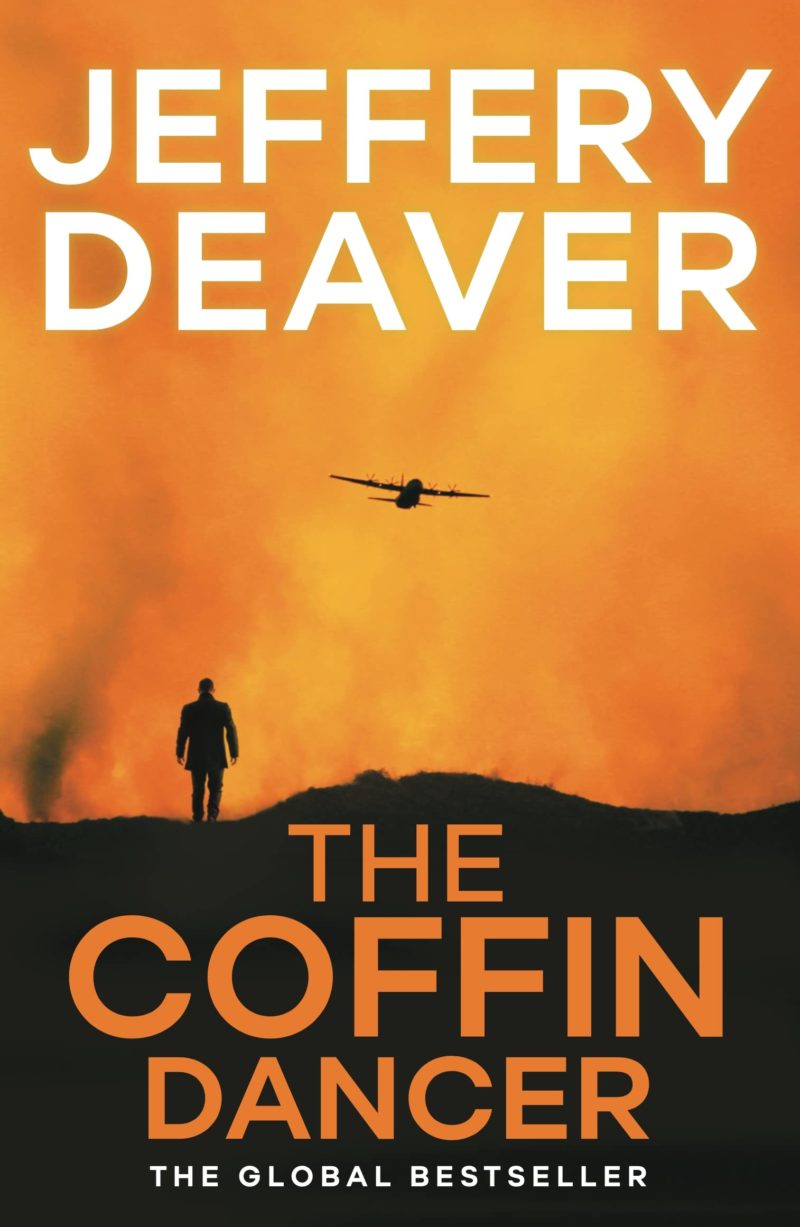
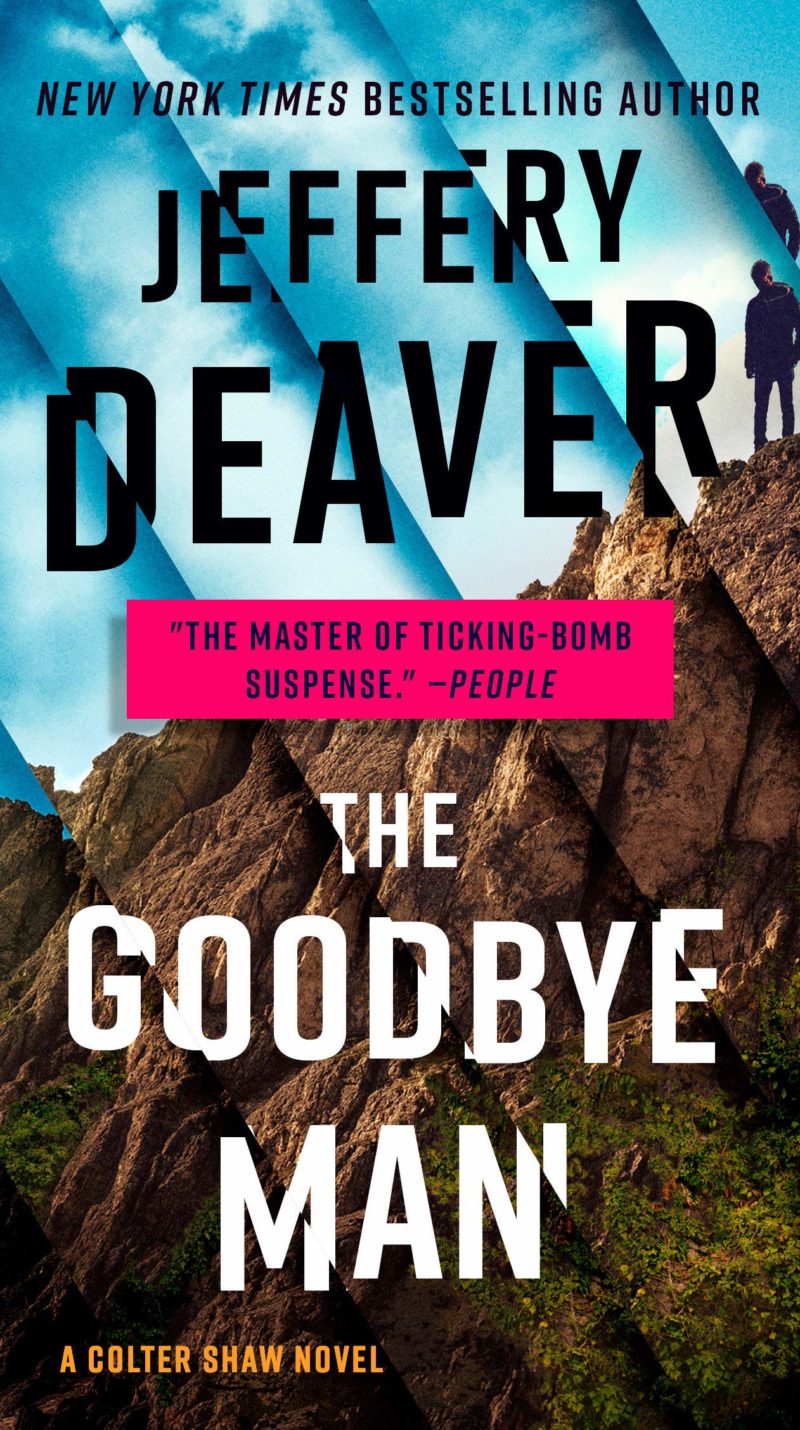
I enjoyed it. As I enjoyed the rest of the audio books, most read by Dick Hill.
The worst thing I can say about No Plan B is that the audio book is read by Scott Brick, one of my least favourite narrators.
In this one Reacher deals with a gruesome private prison conspiracy in Mississippi. An interesting premise.
As usual, Jack Reacher stumbles into the situation. He happens to see a woman murdered. Pushed under a bus. Chasing that killer leads him to another recent death in the town — a man believed to have died a natural death from a heart attack.
He was also murdered.
Reacher books are typically very simple. But the plot of this book is more complicated: 2 additional subplots that play out in parallel — until they intersect.
Since 1990, the percentage of Americans who report having fewer than three close friends has doubled, from 16% to 32%. The share who report having no close friends at all has gone from 3% to 12%.
Covid; political polarization; fewer random encounters, as we no longer go to the mall/theater/office; social media raising a generation of disconnected people.
Personally, I’m OK with having fewer friends than when I was younger. But I definitely feel it’s unhealthy for society in general.
I wish somebody would have told me babe That some day, these will be the good old days All the love you won’t forget And all these reckless nights you won’t regret ‘Cause someday soon, your whole life’s gonna change You’ll miss the magic of the good old days
Wish I didn’t think I had the answers Wish I didn’t drink all of that glass first Wish I made it to homecoming Got up the courage to ask her Wish I would’ve gotten out of my shell Wish I put the bottle back on that shelf Wish I wouldn’t have worry about what other people thought And felt comfortable in myself …
Never thought we’d get old, maybe we’re still young Maybe we always look back and think it was better than it was Maybe these are the moments Maybe I’ve been missing what it’s about Been scared of the future, thinking about the past While missing out on now We’ve come so far, I guess I’m proud And I ain’t worried about the wrinkles around my smile I’ve got some scars, I’ve been around I’ve felt some pain, I’ve seen some things, but I’m here now Those good old days
You don’t know, what you’ve got Till it goes, till it’s gone You don’t know, what you’ve got Till it goes, till it’s gone …
This is the 3rd book in the series featuring American war veteran Peter Ash, who suffers PTSD.
He can’t go indoors without physically suffering.
… Ash leaves a simple life rebuilding hiking trails in Oregon to help his good friend Henry Nygaard, whose daughter runs a Denver security company that protects cash-rich cannabis entrepreneurs from modern-day highwaymen.
Henry’s son-in-law and the company’s operations manager were carrying a large sum of client money when their vehicle vanished without a trace, leaving Henry’s daughter and her company vulnerable.
Then, when Peter is riding shotgun on another cash run, the cargo he’s guarding comes under attack from hijackers and he narrowly escapes with his life. As the incidents mount, he has to wonder: for criminals as sophisticated as these, is this money really worth the risk?