Most days in Bermuda I run about an hour.
It’s easy to get motivated with this kind of climate and scenery.
Click PLAY or watch it on YouTube.


Most days in Bermuda I run about an hour.
It’s easy to get motivated with this kind of climate and scenery.
Click PLAY or watch it on YouTube.
Everyone could and should sleep better.
Can a smart watch app help?
I tried Sleep++.
This is the kind of data you get …
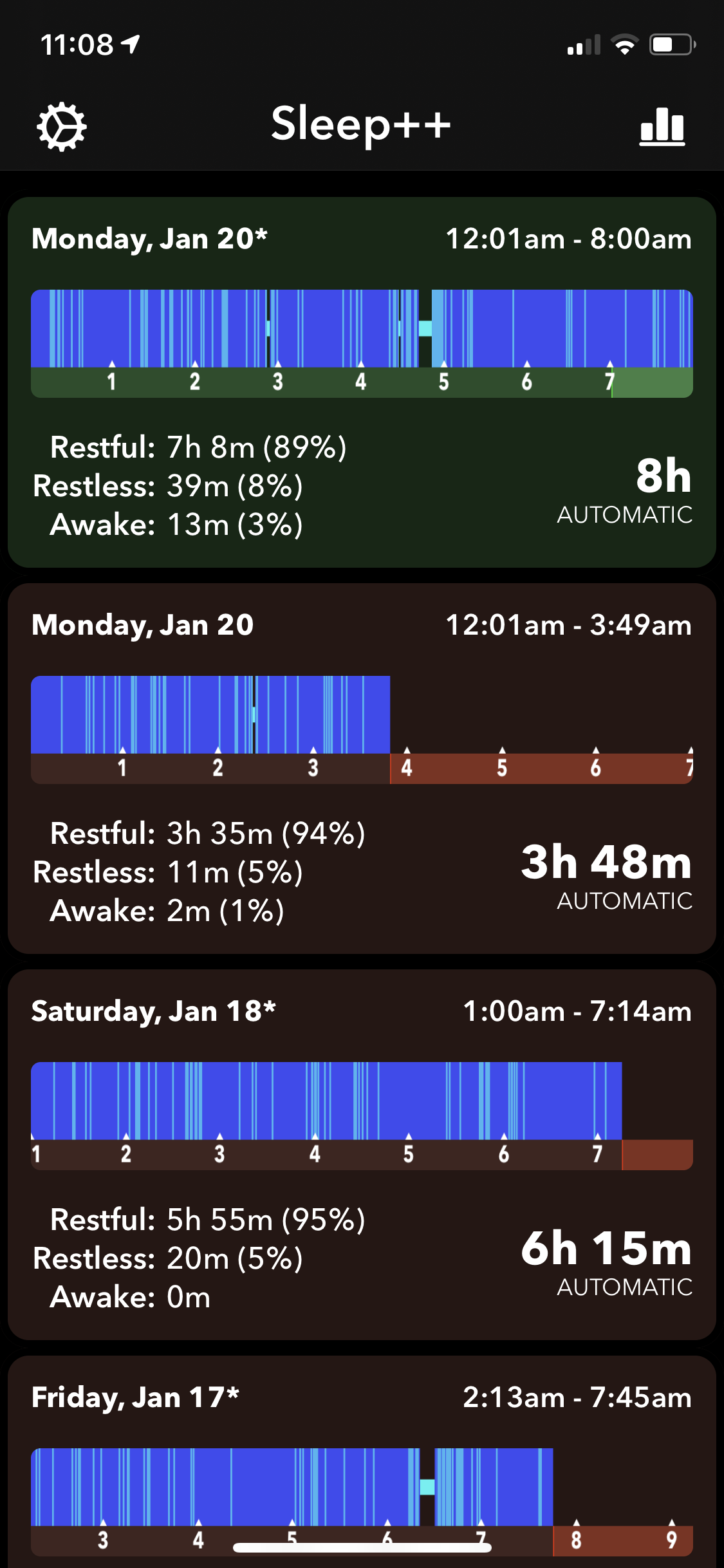
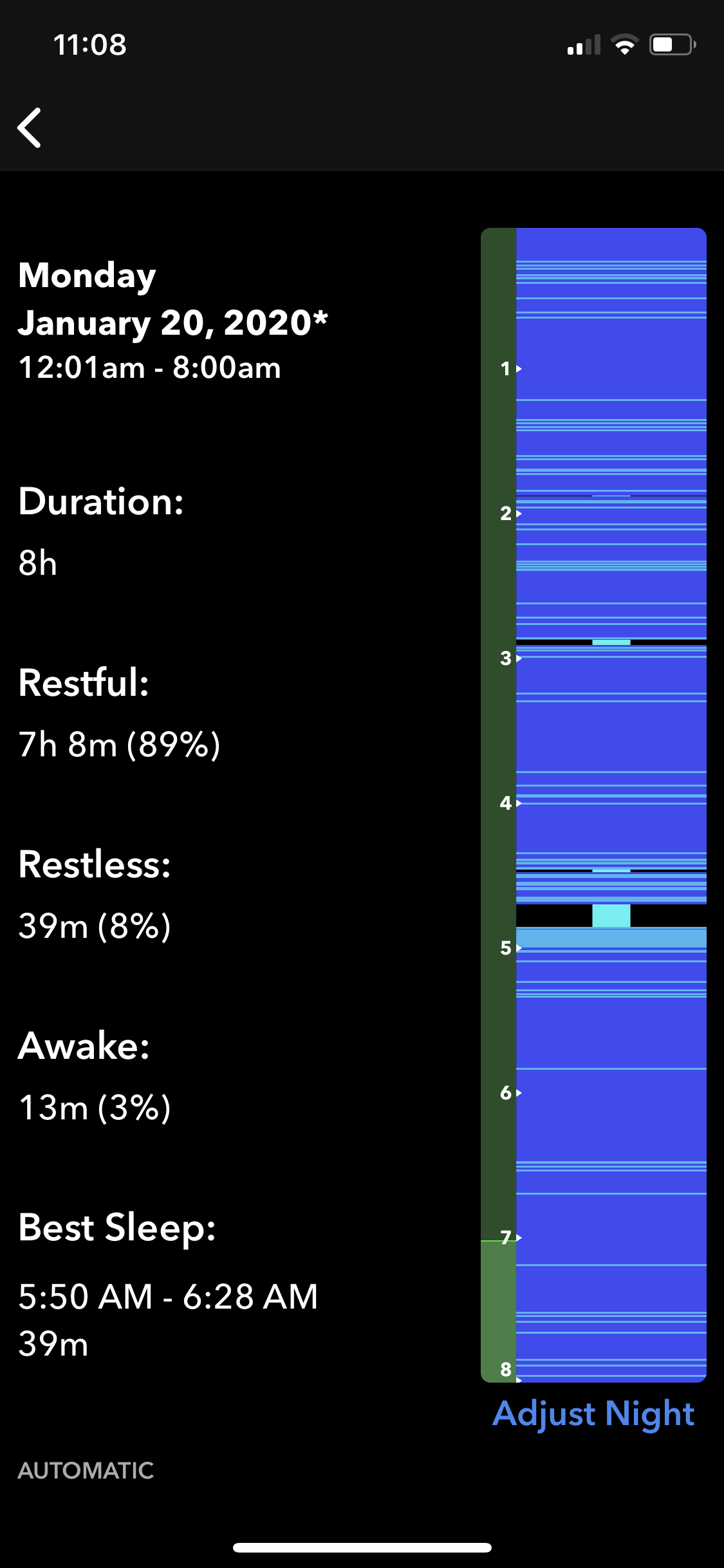
That 8 hour night above seemed to me to be a perfect sleep. My average using this data is about 6 hours.
At age-62 I typically get up once during the night to pee.
Likely I’ll give up on the app soon. But keep trying strategies to sleep better and longer.
Always inspiring.
It’s the 40th year of the World Tour.
They used Mount Royal University in 2020 as one of their Calgary venues for the first time.
Click PLAY or watch the trailer on YouTube.
I’m a WINNER.
Here’s the official Film Festival Speed Lite 12 day pack by Deuter I won by random draw. US$54 on Amazon.

Festival poster.

Jill Redwood lives in East Gippsland, Australia where she built her house almost 30 years ago.
She prefers to be really self-sufficient, having an orchard, a garden with vegetables and an animal farm which provide almost everything she needs on a daily basis, without having to frequently drive one hour and a half to the nearest town.
Moreover, with regard to energy and water supply, she uses solar panels and a waterwheel.
Living entirely off-grid, on around $80 a week and surrounded only be animals, Jill happily says: „what more do I need?”…
Click PLAY or watch it on Vimeo.
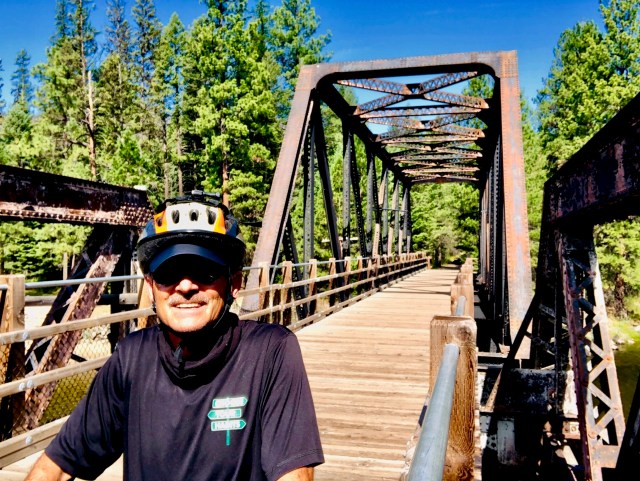
Tim Ferriss recommends we review the past year (which was GREAT) before making any plans for the next.
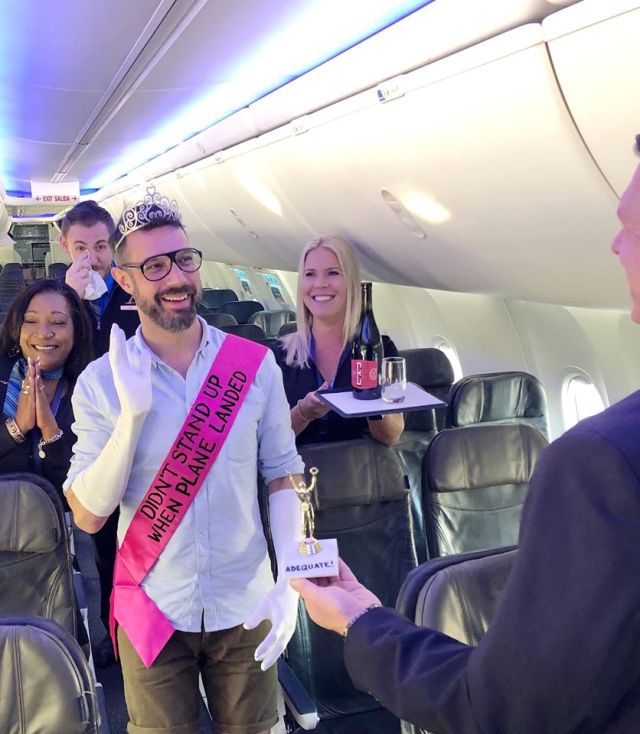
I want to be a #winner in 2020. Like this guy.
1. What were three to four highs of last year … and three to four lows?
23 day cycling tour of Patagonia
24 day cycling tour of the Pacific N.W.
30 days in Nepal – hiking and dental work
first visits to Prague and Budapest
So … travel, hiking and cycling remain my annual highlights.
I can’t recall any significant lows. I broke two laptops. Got stuck in Hungary without an exit visa. Ruined a pair of shoes. Nothing significant.
2. What enabled or motivated you to reach those highs, and how did you successfully move through the lows?
For travel I was more organized than in the past. Put together detailed gear lists. Made my plans months ahead rather than weeks or days in advance.
3. What worked and didn’t work? In other words, what do you need to do more or less of?
More of the same. Get organized early for my travels in 2020.
I spent more than I earned in 2019. I should work more, play less in 2020.
I did not ski enough in 2019. My goal is at least 5 days downhill.
4. What stressed you out the most, and how could you navigate it better?
Bicycle maintenance stresses me out. I’ve now downloaded The Complete Bike Owner’s Manual to my laptop and phone.
My only medical concern is high blood pressure. Need to monitor that more consistently.
I follow the high crimes and misdemeanours of Trump. The world seems to be getting worse, not better. … BUT my own life is unaffected. I don’t worry about an unexpected health care emergency as so many Americans do.
5. And, most important, what were you most grateful for in 2019, and how can you take that into 2020?
Good health. Myself and my family.
I ran more in 2019 than I have since at least 2008. Should run an hour a day at least 45 days of 2020. Enter at least 3 races in 2020.
related – How (and why) you should give yourself a year-end review

I’m not much into self-help books.
But many people I admire follow Tim Ferriss. I finally got around to starting his classic book …
 The evangelizing rah-rah turns me off … as does the focus on money while claiming not to care about money.
On the other hand, Ferriss does have some very good ideas. For example:
Here’s my buddy Josh. He’s a digital nomad working online from a series of inexpensive nations — most recently Guatemala, Nepal and Vietnam.

related – my own philosophy of Voluntary Simplicity
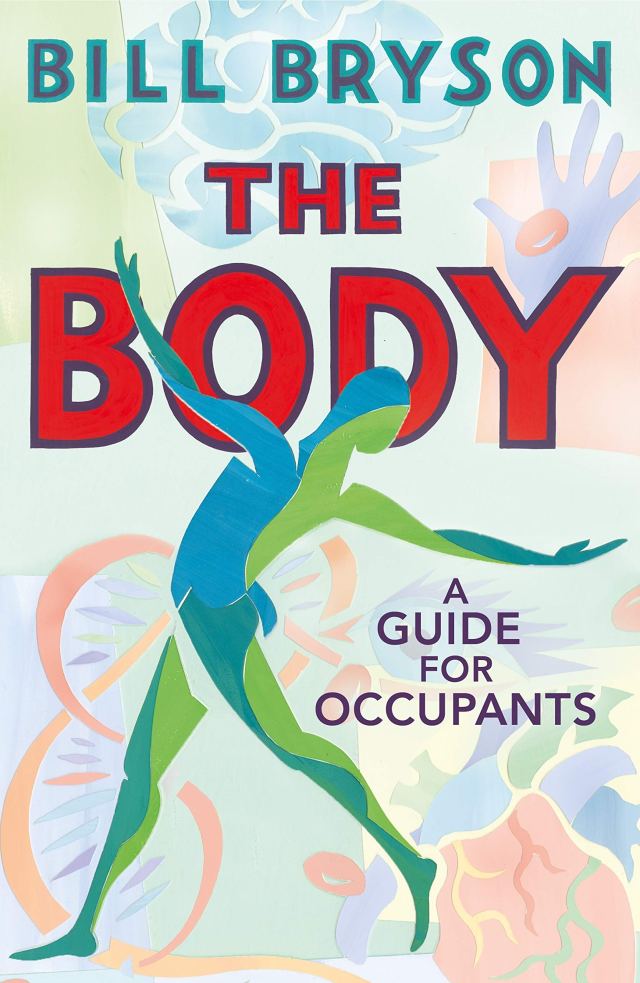
Bill Bryson is one of the world’s top travel writers.
But in recent years his science books have been even better.
I loved At Home: A Short History of Private Life (2010). The Body is similar.
In The Body he makes first year Anatomy fascinating and compelling. I recommend it for everyone.
Bryson reads the book in the Audible edition.
In the final chapters he gets angrier, and the book becomes even more interesting.
He points out that even rich Americans die younger than the average-income European because of diet, obesity and America’s anomalous, hyper-expensive and iniquitous healthcare system.
Bryson was born in Iowa but has made his home in Britain, and relates with barely disguised horror that the average American eats two entire cheesecakes-worth of calories more than the average person in Holland or Sweden, every week.
Americans shoot one another more often than anyone else, drink and drive more than “almost anybody else” and wear seatbelts less frequently than anyone but the Italians.
Insulin, the patent for which was donated by its discoverers for the good of mankind, is six times more expensive in the US than in Europe. …
Guardian Review:
Last time in Bermuda I worked up to a run of 10km in 1 hour.
This time I changed it up. Worked up to a 7.8 km trail run. Fastest time was 57:38.
I ran 4 loops of the Spittle Pond Nature Reserve, the largest wildlife sanctuary in Bermuda.
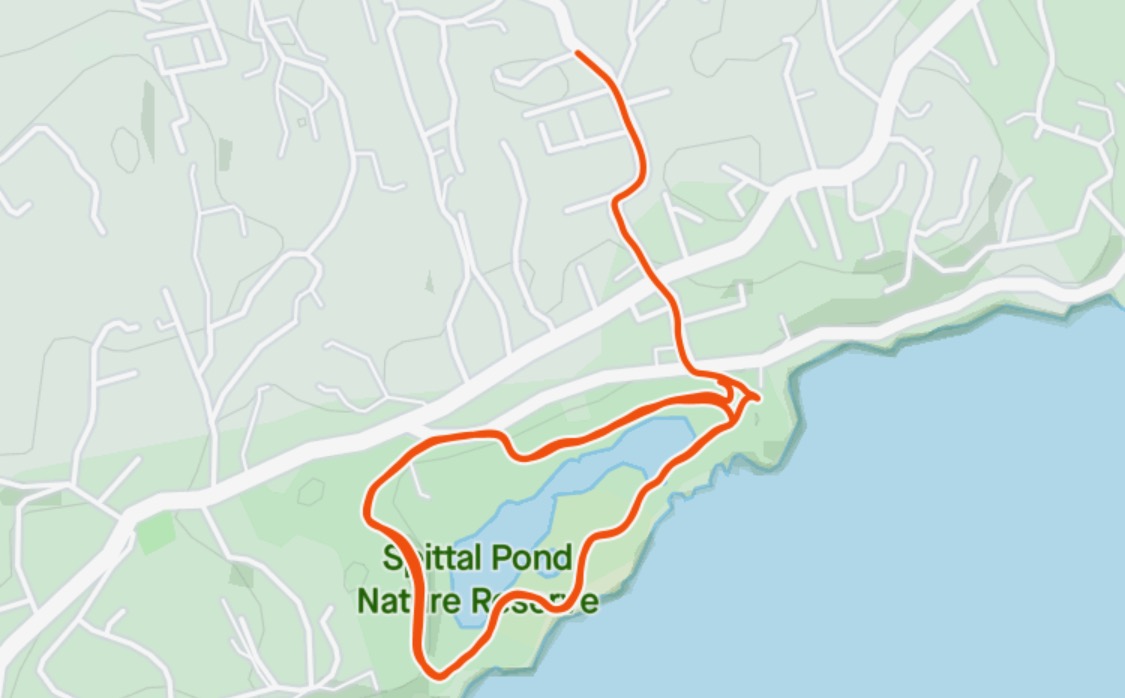
The pond is salt water. Brackish. I saw it filling at high tide.

It was great to loop past the ocean each morning. Other than myself, I saw only a few dog walkers.


I hate smoking.
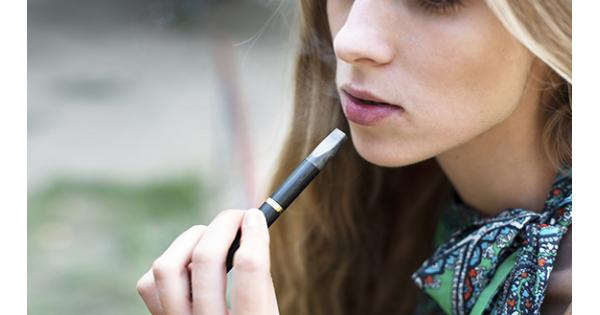
I hate vaping less as the second hand smoke is not nearly so bad.
And vaping legal product is much safer for the user than cigarettes. (The U.S. deaths appear to be mostly due to illegal product.)
More than 40 million people around the world now vape, up from just 7 million less than a decade ago. In the U.S., roughly 1 in 5 high-school kids vape. …
It wasn’t long before a vaping champion was crowned: Juul Labs, founded in 2015 and headquartered in San Francisco.
… By 2017, Juul was the U.S. leader in market share, selling one of every three e-cigarettes. …
Why did Juul become so much more popular than its rivals? Michael Siegel has one answer.
Juul has a very different nicotine formulation that makes it much more addictive. …
… the U.K. has regulated these products. And most importantly, there is a limit on the amount of nicotine that’s allowable. You can only have up to 20 milligrams per milliliter of nicotine …. In the U.S., there’s no limit at all.
So Juul comes along, they put 54 milligrams per milliliter in their product …
It’s 17 milligrams in the U.K.
Read more …
The bigger problem in the USA is NOT the deaths, but rather the high percentage of youth who are not smokers taking up vaping. In 2019 it’s still considered cool.